
Classical Figure Wall Art
Classical figure wall art encompasses centuries of painted and engraved interpretations of mythological scenes, portraits, and life studies.
Classical Figure Wall Art
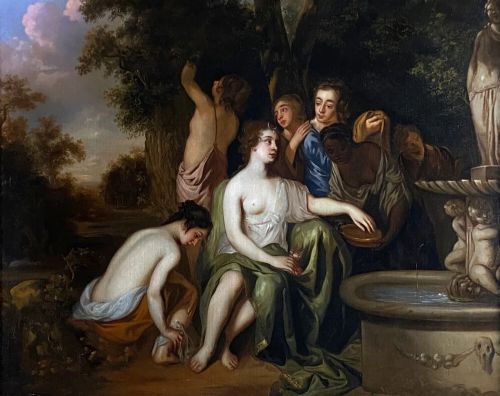
Classical figure wall art brings together oil paintings, watercolours, sketches, and prints depicting mythological subjects, historical narratives, and academic life studies. When searching this phrase, collectors encounter works ranging from seventeenth-century Dutch landscapes with figures to twentieth-century life drawings and neoclassical illustrations.
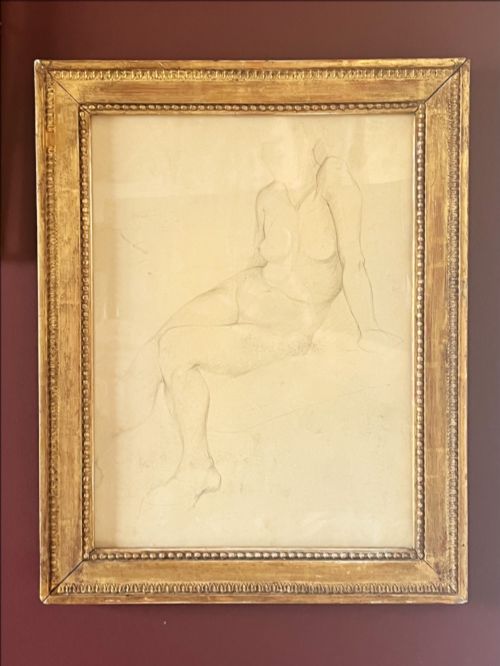
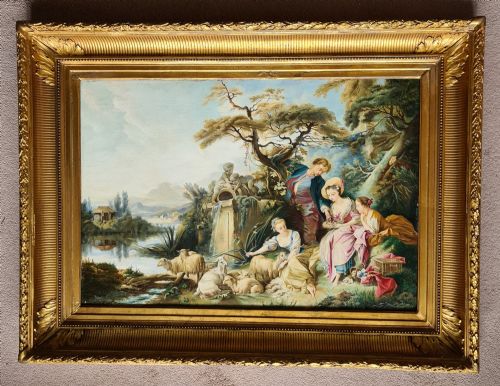
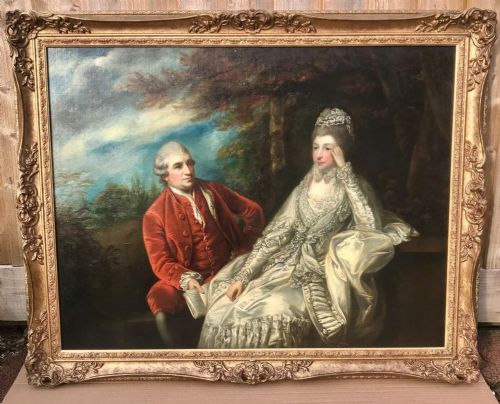
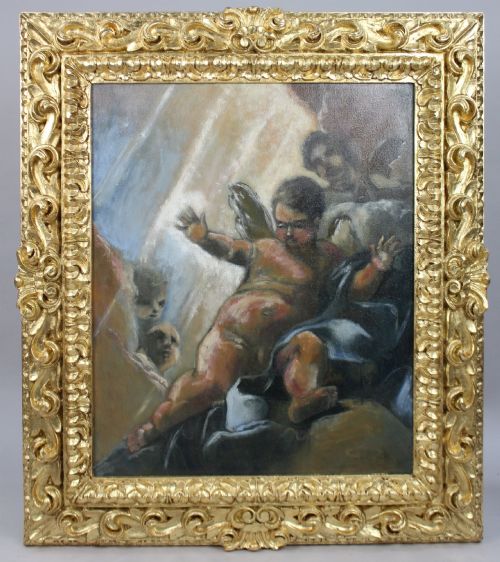
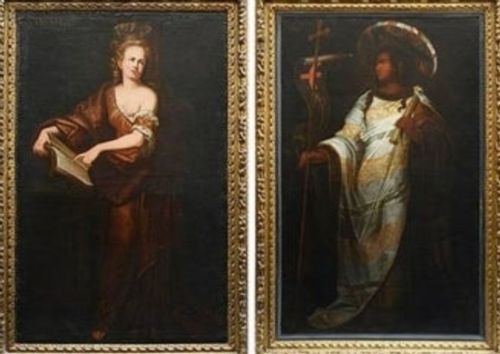
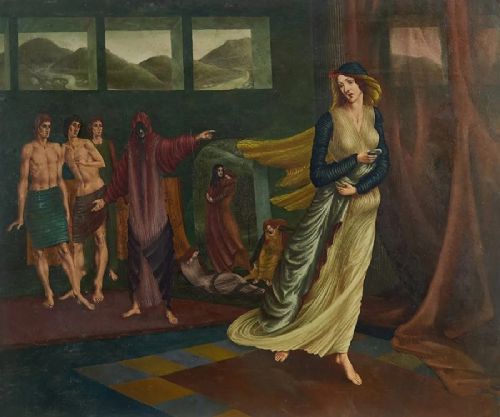
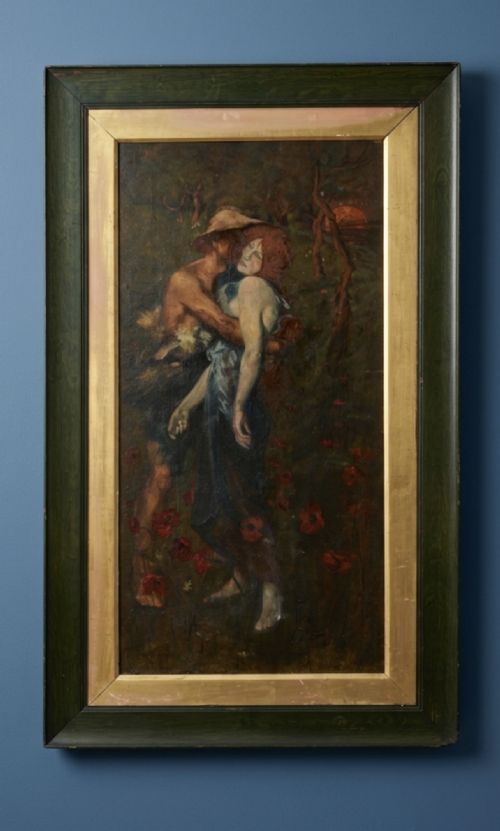
The selection on this page relies heavily on historical portraiture, allegorical scenes, and studies of the human form executed across the eighteenth and nineteenth centuries. Pieces vary widely in scale, from intimate pencil drawings to large oil paintings set in carved giltwood frames.
Materials and Methods
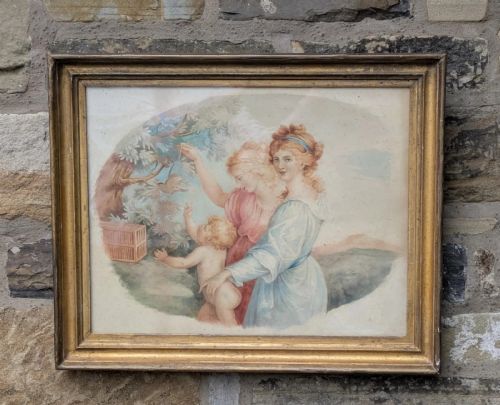
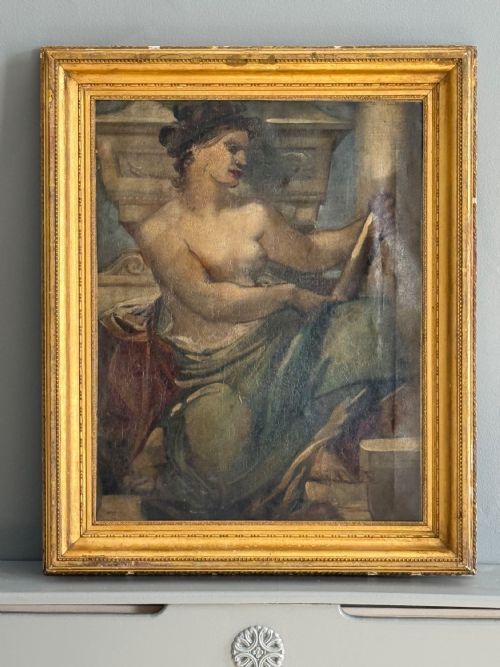
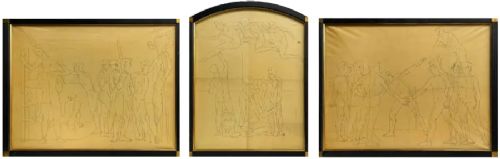
Traditional works in this category depend upon oil paint applied to canvas or wood panels, often capturing subtle shifts in light and shadow through academic realism. Draughtsmen utilised graphite, gouache, sanguine, and pencil on paper to produce detailed life studies and preparatory sketches.
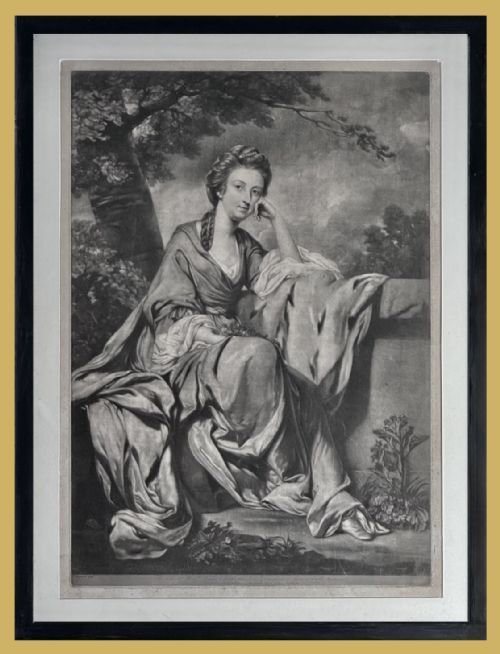
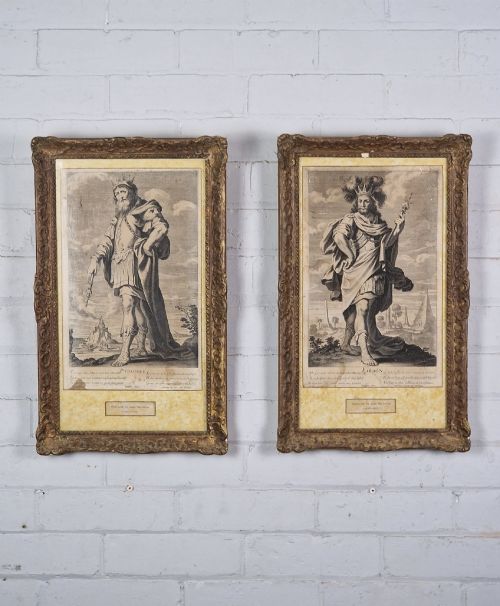
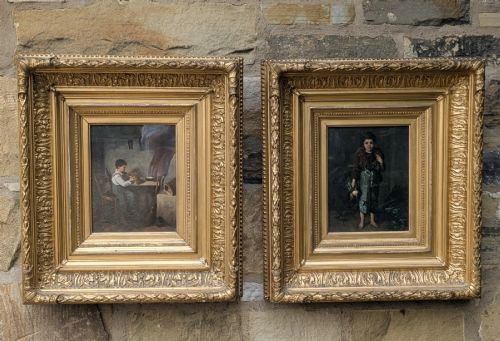
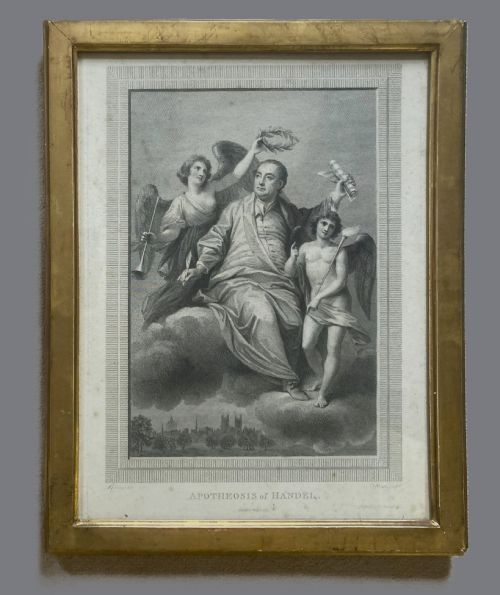
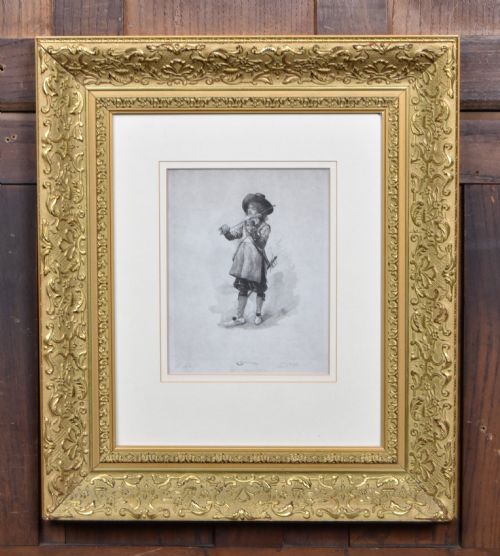
Many historical images survive as mezzotints and engravings on paper, translating grand oil paintings into multi-plate printed editions. Finished works frequently reside within period enclosures such as gilt wood frames or carved giltwood surrounds that complement the classical subject matter.
Several heroic figures in these artworks spend their days dramatically hurling arrows and chasing deities across centuries of paper and canvas.
Distinguishing Quality
Quality in these works rests upon the precision of anatomical rendering, the confidence of the brushwork or line, and the harmony of the composition. Masterful handling of light gives depth to figures and drapery, setting accomplished academic studies apart from routine copies.
The integrity of the original frame and the preservation of the paper or canvas surface also influence the standing of a piece. Works bearing direct stylistic connections to recognised schools or named painters command greater appreciation for their artistic execution.
Sir Joshua Reynolds·Francois Boucher·Jean-Baptiste Greuze·Giovanni Paolo Panini·Sir Peter Lely
The Classical Figure Wall Art Glossary
- Mezzotint
- A printmaking process of the intaglio family where the surface is roughened to achieve rich tonal gradations and deep shadows. This technique allows for subtle transitions in portraits and narrative scenes.
- Neoclassical
- A Western cultural movement drawing inspiration from the art and culture of classical antiquity. Works in this style emphasise severe lines, heroic figures, and classical architecture or ruins.
- Academic Realism
- The style of painting and sculpture produced under the influence of European academies of art. It prioritises precise anatomical accuracy, polished surfaces, and historical or mythological subjects.
- Gouache
- An opaque water-based paint consisting of pigment, water, and a binding agent such as gum arabic. It dries to a matte finish and provides dense colour coverage on paper.
- Engraving
- A printmaking technique where an artist cuts lines into a metal plate with a burin to hold ink. The resulting printed image offers exceptional line clarity and fine detail.
Classical Figure Wall Art: Frequently Asked Questions
What is classical figure wall art?
These works comprise historical paintings, drawings, and prints depicting human figures within mythological, allegorical, or academic contexts. They reflect centuries of artistic devotion to the human form and classical narratives.
Items range from seventeenth-century oil paintings and eighteenth-century mezzotints to twentieth-century life drawings and neoclassical illustrations.
How should I hang these pieces?
Protect works on paper from direct sunlight to prevent fading of watercolours, pencil marks, and prints. Oil paintings on canvas benefit from stable room temperatures away from excess moisture.
Pairing gilded frames with traditional interiors highlights the decorative qualities of historical portraits and mythological scenes.
How do I identify the period?
Examining the framing materials, paper texture, and canvas preparation offers reliable clues to a piece's age. Stylistic markers such as academic realism or neoclassical composition point directly to specific centuries of production.
Inscribed signatures, collector stamps, and biographical details of the depicted subjects further narrow down the date of creation.
What subjects are most common?
Mythological tales dominate the category, featuring figures such as Diana, Venus, and characters from classical antiquity. Academic life studies of male and female nudes also appear frequently across various centuries.
Historical portraits, allegories of the arts, and landscape views incorporating classical ruins complete the typical visual repertoire.