


![Pen and Ink Sketch - Female Nudes by William Edward Frost [1810-1877]](https://www.sellingantiques.co.uk/photosnew/dealer_kendallhouse/dealer_kendallhouse_full_1758970795762-8493507346.jpg)


Victorian Nude Artwork
Victorian nude artwork gathers academic studies, mythological paintings and classical drawings created across the nineteenth century.
Victorian Nude Artwork
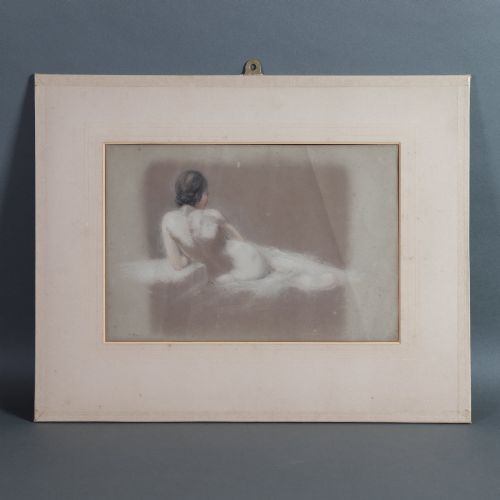
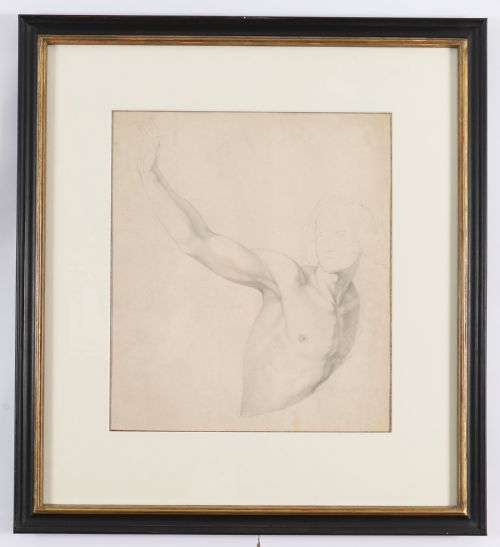
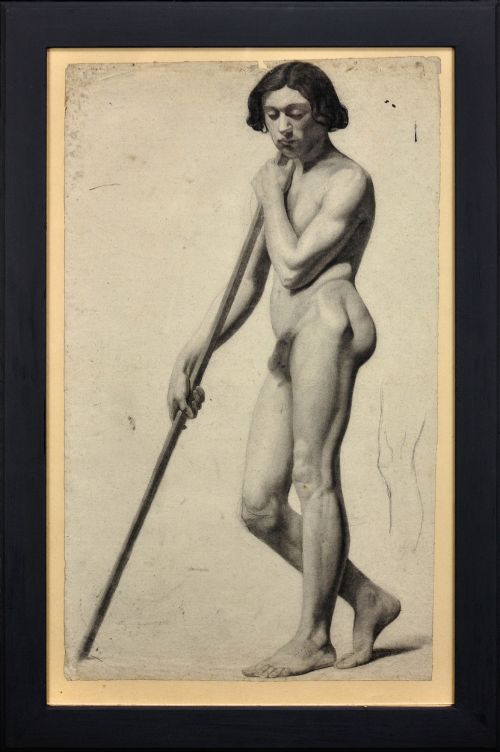
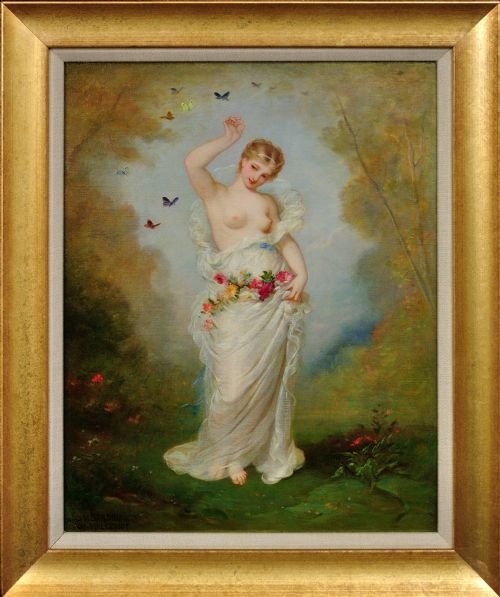
Victorian nude artwork comprises original oil paintings, watercolours, charcoal sketches, graphite drawings and prints executed during the nineteenth century. Buyers searching this phrase encounter academic life studies, classical figures and mythological scenes.
The material ranges from oil on canvas and panel to delicate works on paper secured in wood and gilt wood frames. Most examples reflect academic realism, romanticism, neoclassical tendencies and French academic traditions.
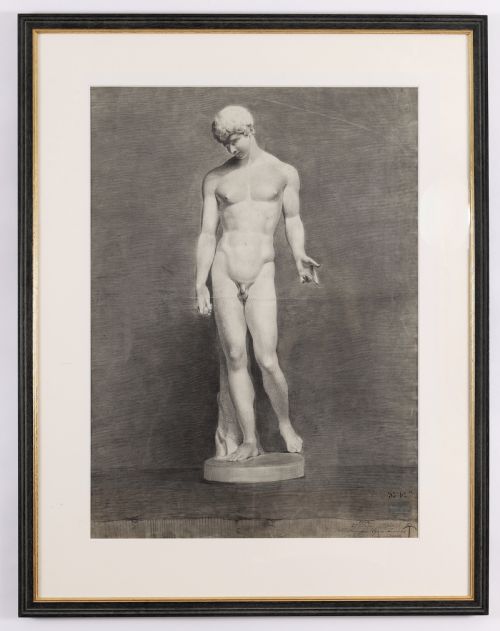
Subjects span male and female life studies, nymphs, nereids and classical figures derived from antiquity. These pieces document the rigorous training of nineteenth-century artists working in Britain and France.
Judgements of quality
Quality rests upon the precision of anatomical rendering, draughtsmanship and the artist's command over light and shadow. Stronger examples demonstrate confident line work and subtle tonal transitions in both life studies and finished oil paintings.
The distinction between a casual sketch and a rigorous academic life study affects the character of the piece. Works attributed to documented artists or their close circles carry greater contextual weight than anonymous studio exercises.
Several drawings preserve the silent hours spent by Victorian students staring intently at plaster casts of ancient statues.
William Etty·Henry Arthur Roberts·André Charles Voillemot·Manet·William Edward Frost·Arthur Hacker·Montagu Barstow
The Victorian Nude Artwork Glossary
- Academic Realism
- A style of painting and drawing produced under the influence of European academies, emphasising traditional standards, accurate anatomy and historical or mythological subjects.
- Charcoal
- A dry drawing medium made from organic matter, used by artists for quick gestural sketches and deeply shaded life studies.
- Gouache
- An opaque water-based paint containing a white pigment filler, utilised alongside watercolours to add solid highlights.
- Neoclassical
- An artistic movement drawing inspiration from the classical art and culture of ancient Greece and Rome, prioritising clarity of form and heroic subjects.
- Recumbent
- Lying down or reclining, a common posture for figures in nineteenth-century academic figure studies.
Victorian Nude Artwork: Frequently Asked Questions
What is a life study?
A life study is a drawing or painting executed directly from a live model, used by artists to master human anatomy and posture.
These pieces often isolate the figure against a plain background without narrative elements.
How do academic paintings differ from sketches?
Academic paintings are finished works intended for exhibition, employing layered oils on canvas or panel with fully realised lighting and backgrounds.
Sketches are preparatory or exploratory works on paper using graphite, charcoal, or pen and ink.
How should framed drawings on paper be displayed?
Drawings and watercolours on paper require protection from direct sunlight to prevent fading of the pigments and paper stock.
Glazed frames with acid-free mounts help preserve these fragile works over time.
What themes appear in nineteenth-century nude art?
Common subjects include mythological figures such as nymphs and nereids, alongside classical figures inspired by ancient sculpture.
Artists also produced straightforward academic life studies of male and female models.