

Classical Gold Wall Mirror
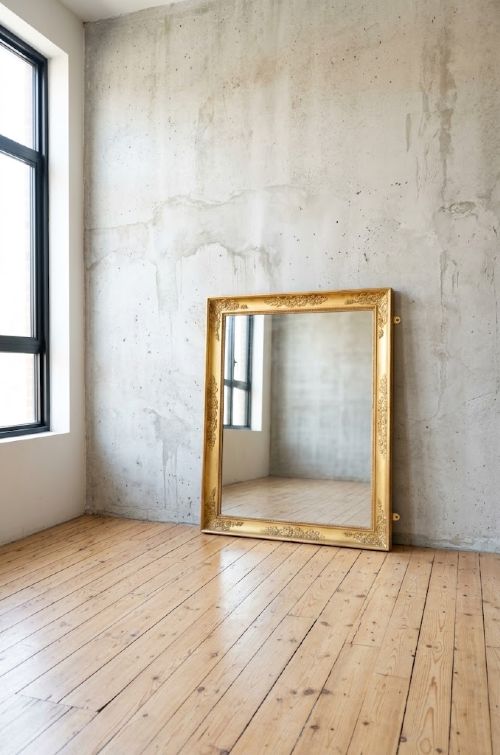
A classical gold wall mirror brings architectural symmetry and reflected light into a room, drawing on Regency, Victorian and Georgian design.
Classical Gold Wall Mirror
When you search for a classical gold wall mirror, you encounter substantial furnishings designed to anchor a room through proportion and gilt decoration. These pieces originate primarily from the nineteenth century, encompassing Regency, Victorian, and Georgian periods alongside later revivals.
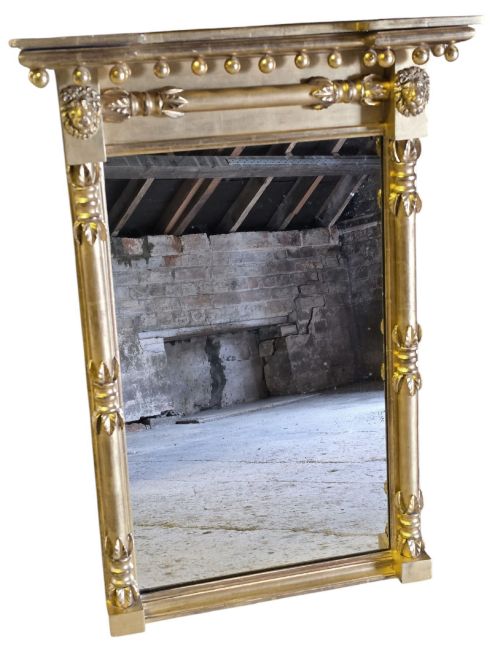
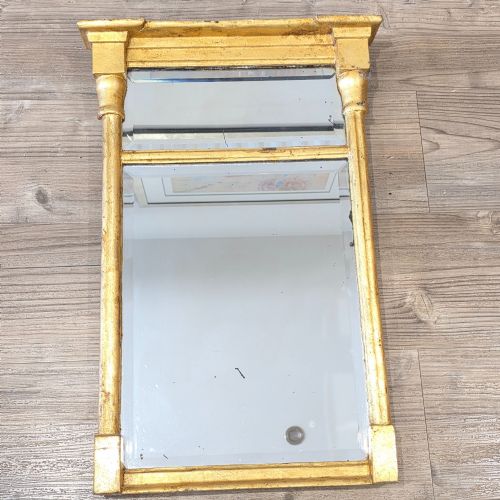
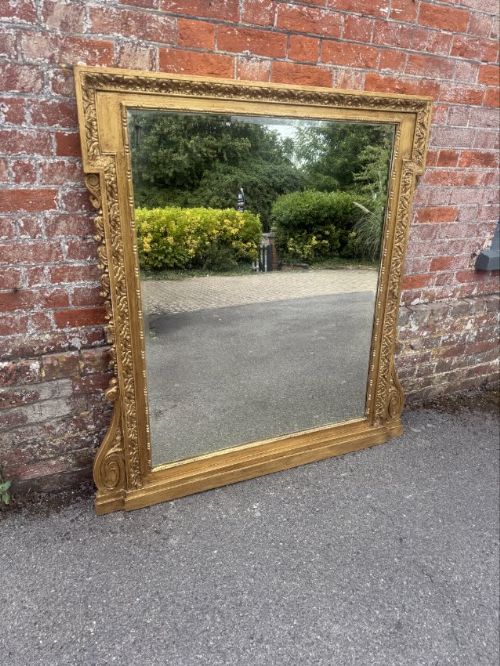
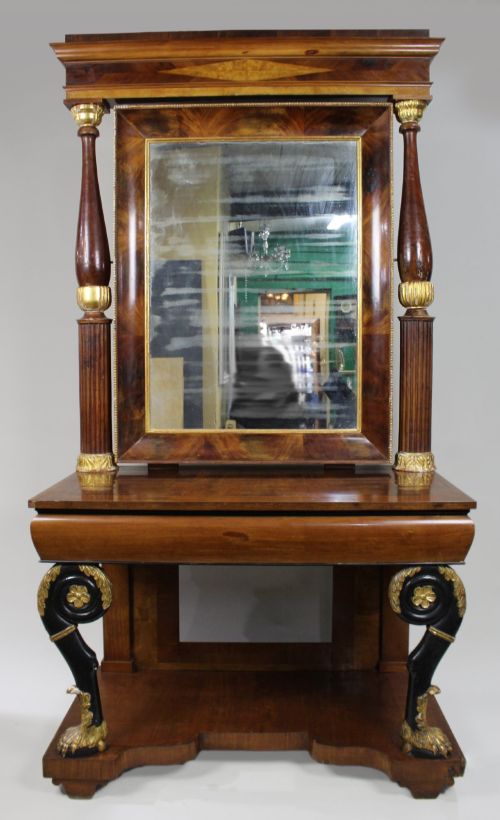
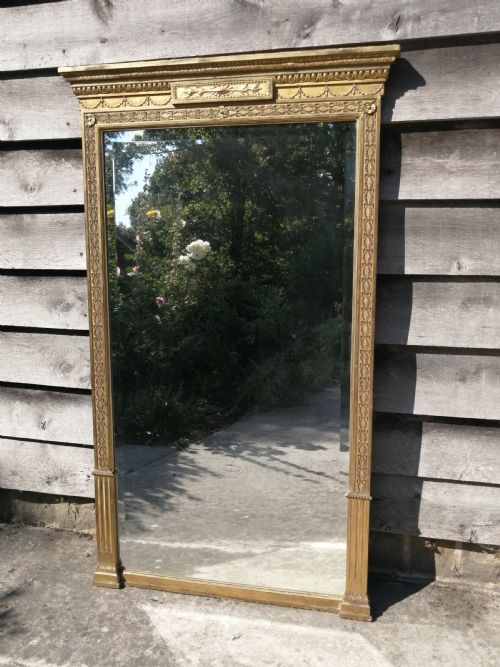
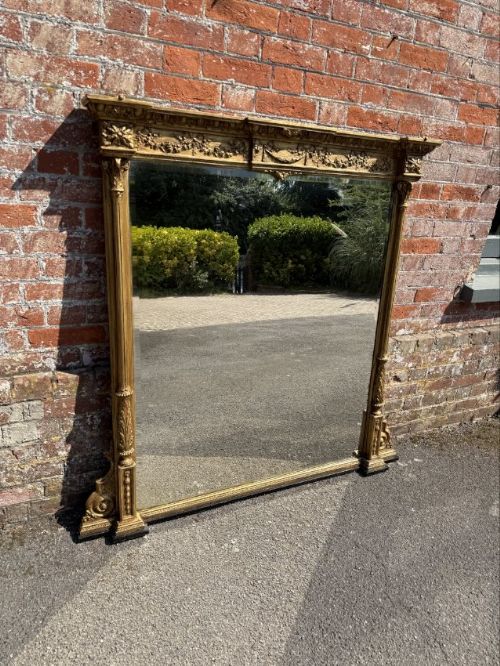
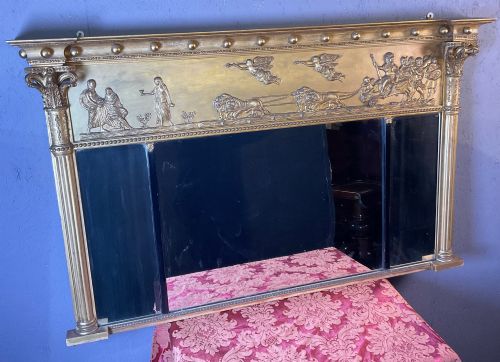
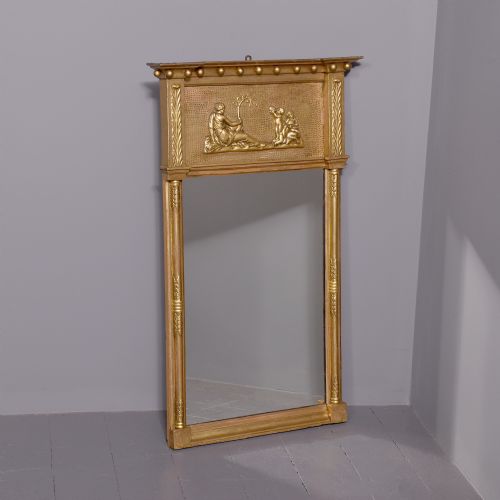
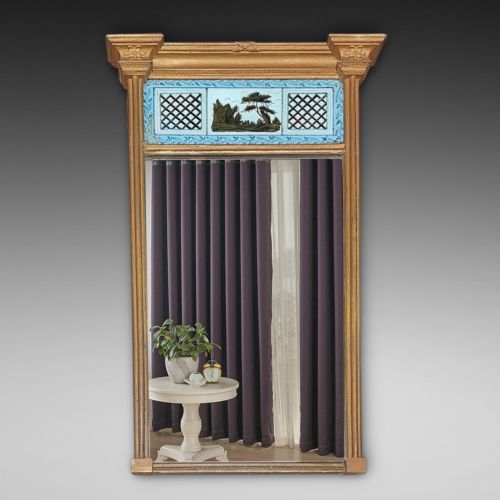
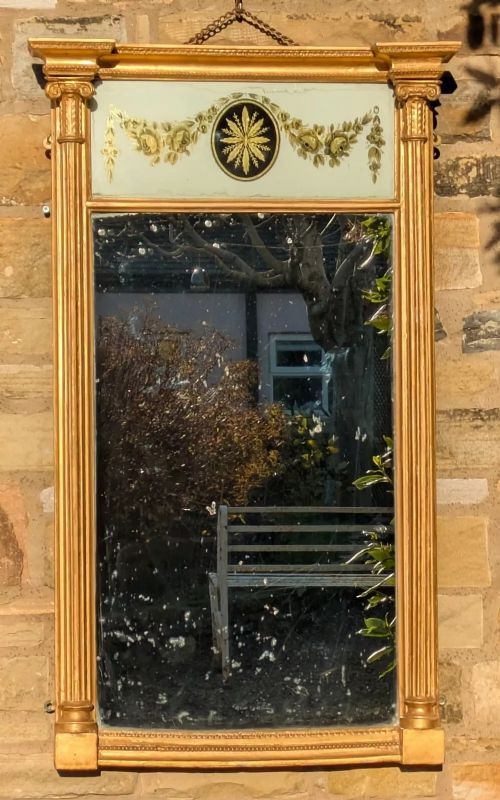
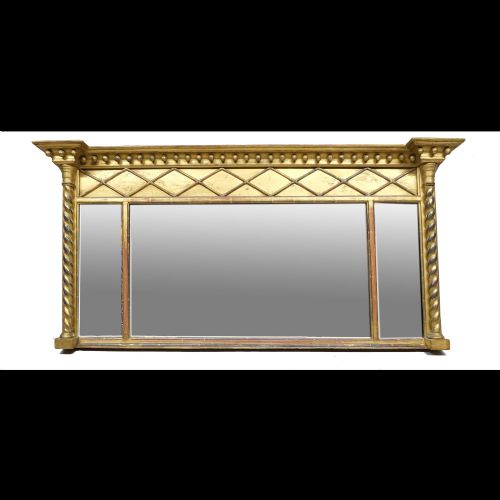
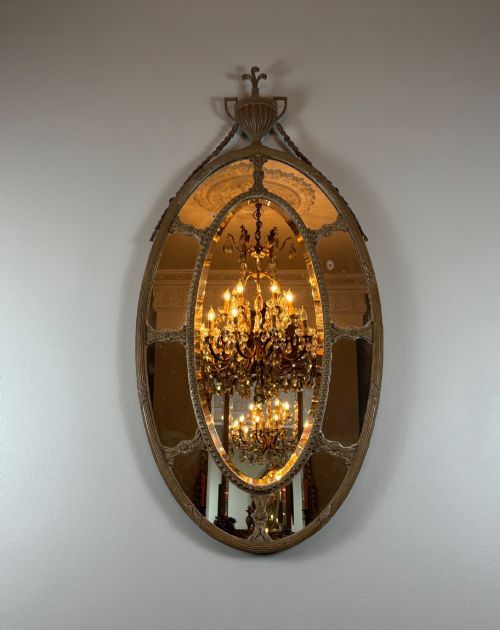
The selection on this page consists predominantly of overmantle mirrors, pier mirrors, and wall-mounted formats. You will find rectangular and archtop configurations, often accompanied by decorative elements such as urns, swags, lion masks, or verre eglomise panels.
English and French workshops dominate the origins, ranging from grand scale salon pieces to smaller domestic pier glasses. Console tables and picture frames occasionally appear alongside the core mirror types.
How they were made
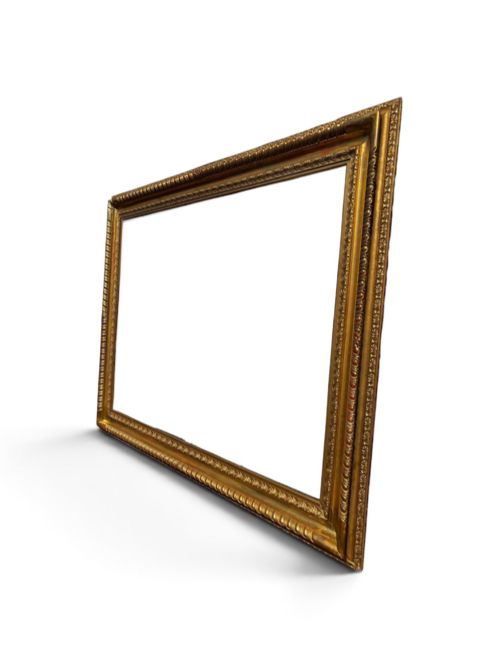
Carved wood provides the primary structural framework for these mirrors, utilising timber beneath layers of gesso and gold leaf. Composition material frequently forms the intricate relief ornaments, moulded and applied to the wooden carcase before gilding.
Gilding techniques involve the application of thin gold leaf or gold paint over preparatory grounds, creating the characteristic luminous finish. Mirror glass plates are set within these frames, occasionally surviving with original silvering or specialised reverse glass painting known as verre eglomise.
Several mirrors include lion masks keeping a watchful gaze over the room.
What varies in quality
The depth and crispness of the carved wood and gesso ornamentation dictate the visual strength of the piece. Superior examples exhibit sharply defined motifs, such as foliate scrolls and classical figures, whereas lesser versions rely on softer, moulded composition details.
The integrity of the gilt surface and the originality of the mirror plate distinguish fine examples from standard production. Age-related foxing on the glass and the retention of original backboards indicate authenticity and careful preservation over centuries.
The Classical Gold Wall Mirror Glossary
- Giltwood
- Wood that has been coated with gold leaf or gold powder. This surface treatment provides the bright, reflective metallic finish seen on classical frames.
- Gesso
- A plaster mixture applied to wood frames to create a smooth surface for gilding or to be moulded into relief decorations. It allows carvers to achieve fine detail.
- Pier Mirror
- A tall, narrow mirror specifically designed to hang on the wall space between windows. These pieces often sit above matching console tables.
- Verre Eglomise
- A cold decoration technique where designs are applied to the reverse side of glass using gold or silver leaf and pigment. It frequently appears in panels above the main mirror glass.
- Overmantle Mirror
- A wide mirror proportioned to hang directly above a fireplace mantelpiece. These items often span the width of the hearth.
Classical Gold Wall Mirror: Frequently Asked Questions
Where should I hang an overmantle mirror?
These mirrors traditionally hang centrally above a fireplace mantelpiece, where their width balances the hearth below. They also function effectively on principal living room walls to reflect natural light.
Ensure the wall construction supports the considerable weight of carved wood and gesso frames. Secure fixings into wall studs or use appropriate masonry anchors.
How do I identify a Regency mirror?
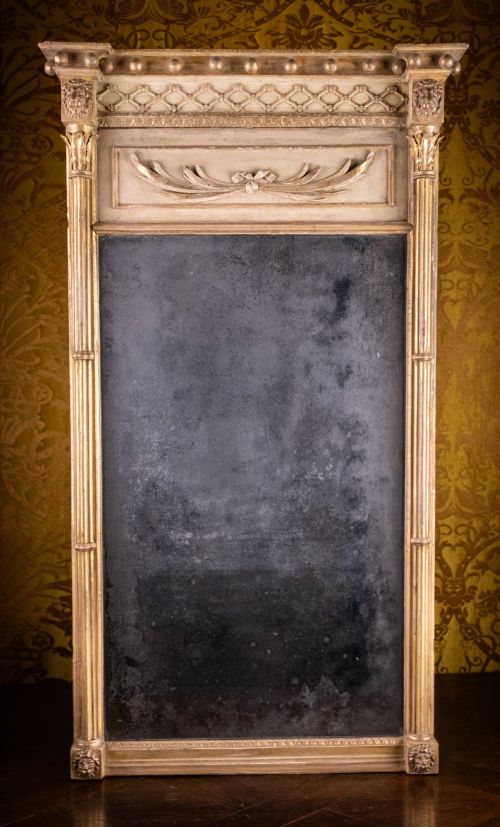
Regency mirrors frequently incorporate classical motifs such as column frames, ball-studded cornices, and convex or rectangular plates. The styling draws heavily on ancient Greek and Roman design principles.
Look for architectural symmetry and proportion typical of the early nineteenth century. Makers often utilised giltwood alongside black painted details.
What is a trumeau mirror?
A trumeau mirror is a specific wall mirror style featuring an upper decorative panel containing a painting or carved relief. The lower section houses the mirror glass itself.
Originating largely in France during the eighteenth and nineteenth centuries, these pieces served as permanent decorative wall fixtures. The painted panels often depict classical or pastoral scenes.
How do I clean a gilded antique frame?
Dust the carved gesso and gold leaf surfaces gently using a soft, dry brush or feather duster. Avoid applying moisture or chemical cleaning products, which can lift the delicate gold leaf.
Professional restoration is recommended if the gilt surface is flaking or unstable. Regular light dusting prevents particulate buildup without risking the antique finish.