
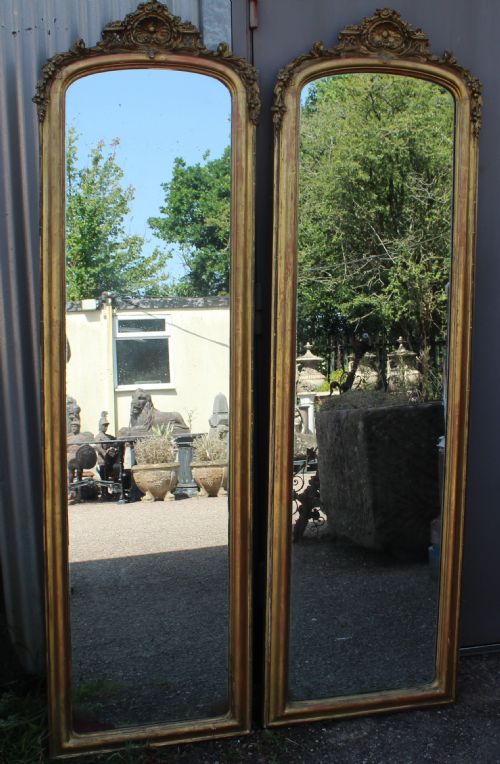
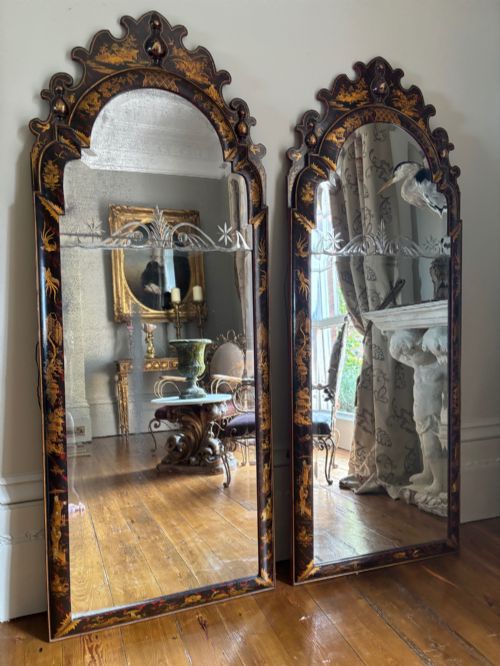
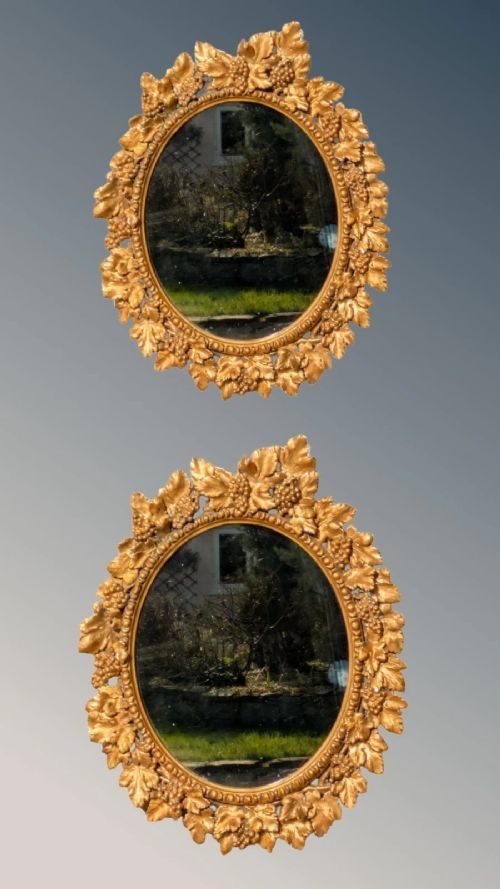
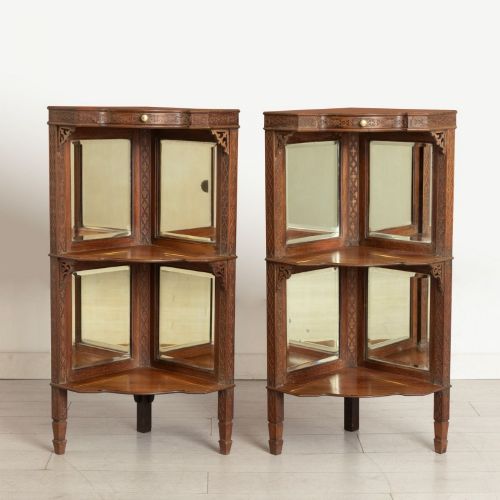
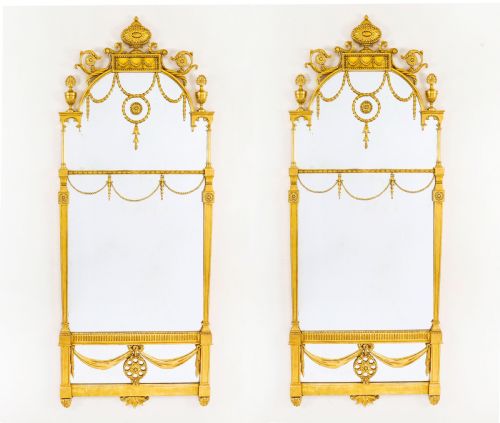
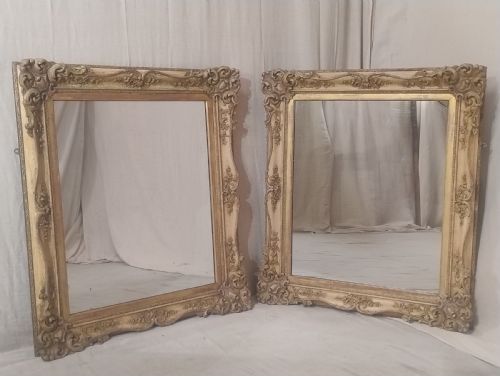
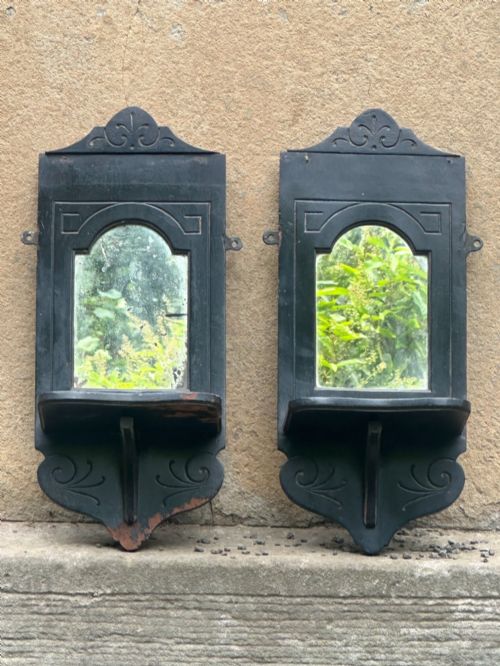
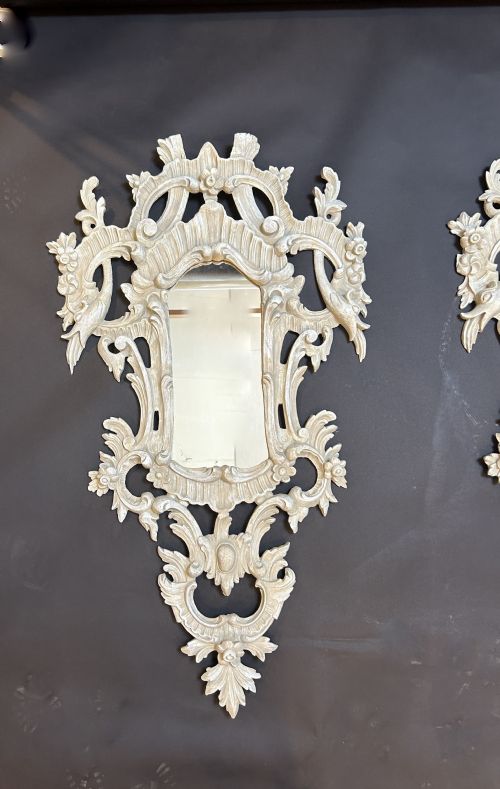


Pair 19th Century Mirrors
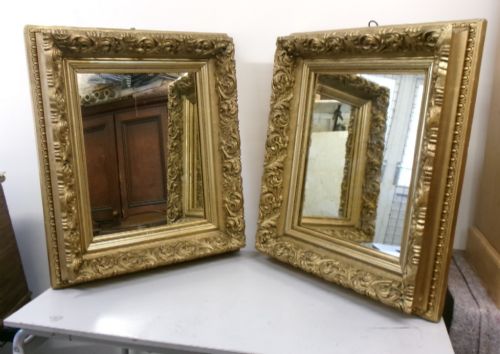
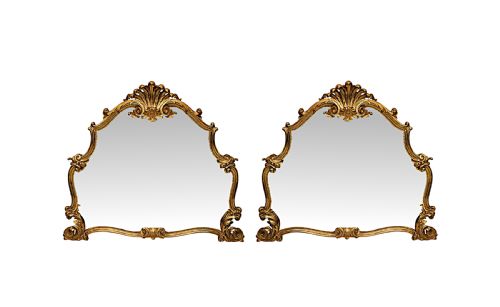
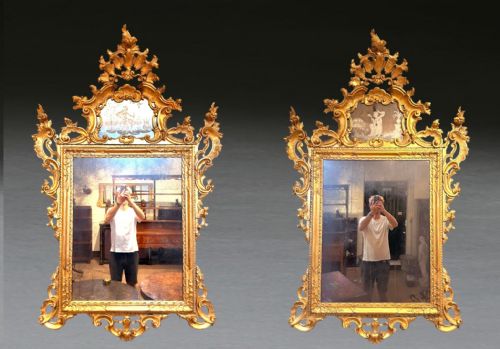
Pair 19th century mirrors bring dramatic symmetry and reflected light to a room, offering matching proportions that single plates simply cannot achieve.
Pair 19th Century Mirrors
A buyer seeking pair 19th century mirrors encounters symmetrical wall hangings designed to balance a grand interior, frequently placed above console tables or flanking a fireplace.
The selections recorded here span from Regency and Victorian periods through to Edwardian revivals, encompassing ornate Rococo forms and restrained classical geometry.
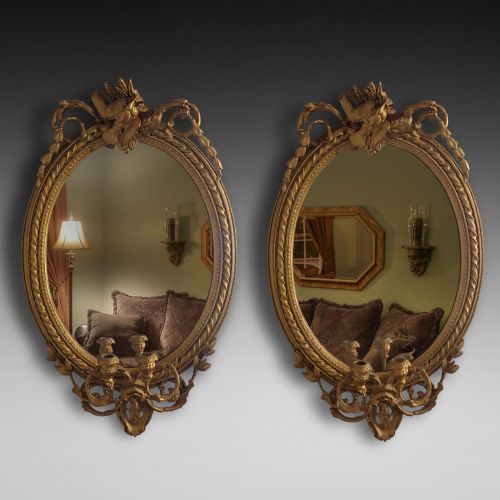
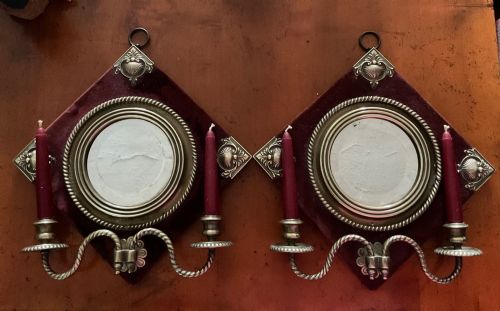
Beyond standard wall mirrors, the category embraces specialised variants such as girandoles fitted with candle sconces, tall pier glasses, and overmantel frames.
Materials and construction methods
The physical presence of these pieces relies heavily on carved wood and gesso foundations, providing a textured base for subsequent decoration.
Surface finish is typically achieved through applied gold leaf, parcel gilding, or paint, while supporting structures utilise solid timber frames of mahogany, pine, or walnut.
Some nineteenth-century mirrors doubled as optical trickery, using convex plates to monitor guests across the room without turning around.
Distinctions in craftsmanship
The hierarchy of quality depends upon the crispness of the hand-carved ornamentation and the depth of the gesso relief applied to the wooden frame.
Superior examples maintain original mercury or silvered mirror plates that show authentic ageing, paired with structurally sound joinery that supports the substantial weight of the glass.
Edwards & Roberts·Cottier & Co.·Strahan of Dublin
The Pair 19th Century Mirrors Glossary
- Girandole
- A wall mirror featuring integrated candle sconces attached to the frame. These fixtures were designed to multiply the flickering light of candles within a darkened room.
- Pier glass
- A tall mirror specifically proportioned to hang on the wall space between windows. They often coordinate directly with console tables placed underneath them.
- Gesso
- A plaster-like mixture applied to carved wooden frames to create a smooth surface for gilding. Skilled application preserves the sharp undercutting of the woodcarving beneath.
- Overmantel
- A wide mirror designed to sit directly upon the mantelpiece above a fireplace. These large plates anchored the decorative scheme of nineteenth-century reception rooms.
- Parcel gilt
- A decorative technique where only specific raised portions of a frame are gilded, leaving the contrasting wood or painted ground visible elsewhere.
Pair 19th Century Mirrors: Frequently Asked Questions
Where should I hang pair 19th century mirrors?
These matching mirrors look best placed symmetrically on either side of a central architectural feature such as a doorway, window, or fireplace. They also work effectively when positioned directly above matching console tables.
Ensuring both pieces hang at identical eye-level heights maintains the balanced aesthetic intended by their nineteenth-century creators.
How do I distinguish between Regency and Victorian mirrors?
Regency pieces generally favour neoclassical restraint, drawing inspiration from ancient Greek and Roman designs with clean lines and architectural motifs. Victorian examples tend toward exuberant revival styles, incorporating heavy Rococo curves and deeply carved ornamentation.
Examining the underlying timber construction and the style of the gesso work often clarifies the exact period of manufacture.
What is the difference between a pier glass and an overmantel?
Pier glasses are tall and relatively narrow, built to occupy the narrow wall partitions situated between two windows. Overmantels are considerably wider in format, engineered specifically to span the horizontal space above a fireplace mantel.
Both types were frequently produced as matching pairs to unify the proportions of grand Victorian and Regency drawing rooms.
Should I replace old mirror glass?
Original mirror glass often exhibits foxing, dark spots, and light distortion caused by the ageing of the backing materials. Collectors generally prefer to preserve this original glass because it confirms the authentic age of the piece.
Replacing the plates removes the historic character that defines antique mirrors, though some owners choose replacement if the original reflection is entirely obscured.