

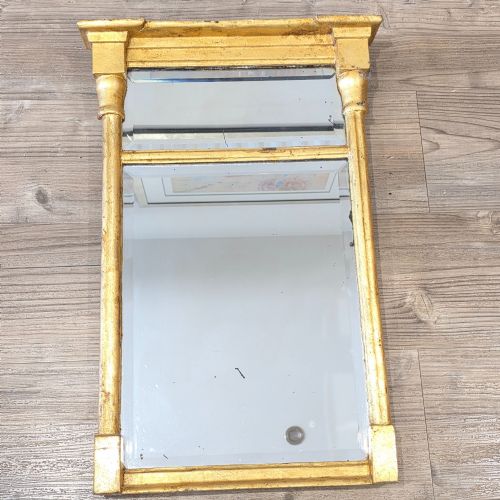
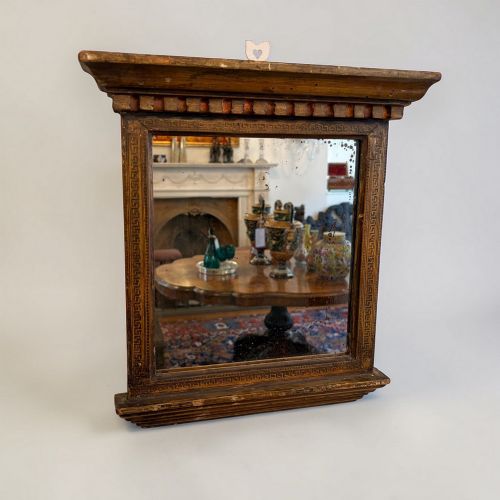
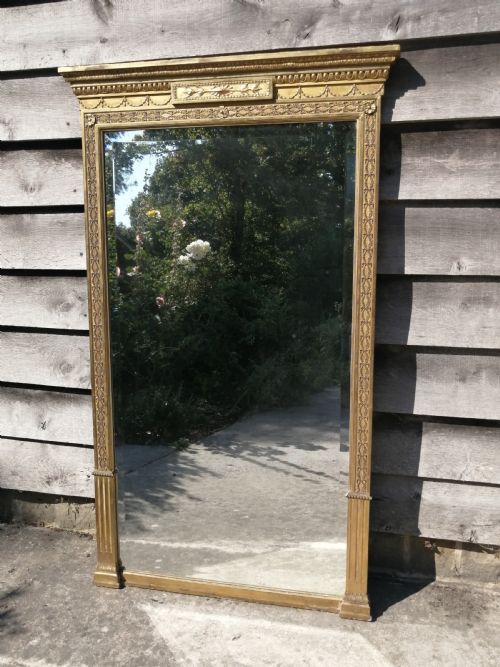
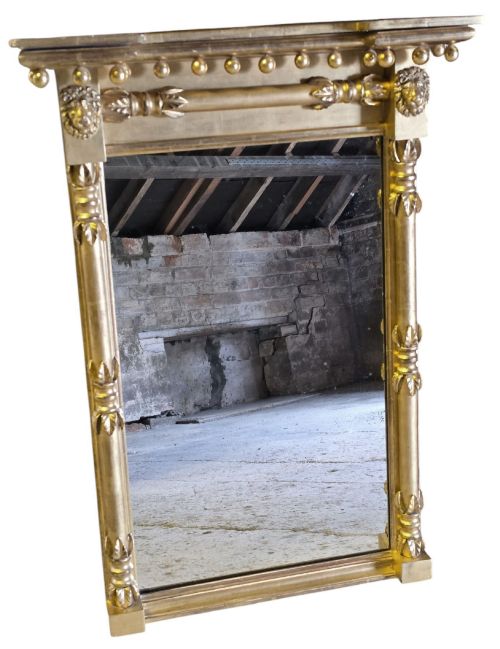
Classical Gilded Wall Mirror
A classical gilded wall mirror brings light and decorative presence to a room, drawing the eye with gold leaf and carved detail.
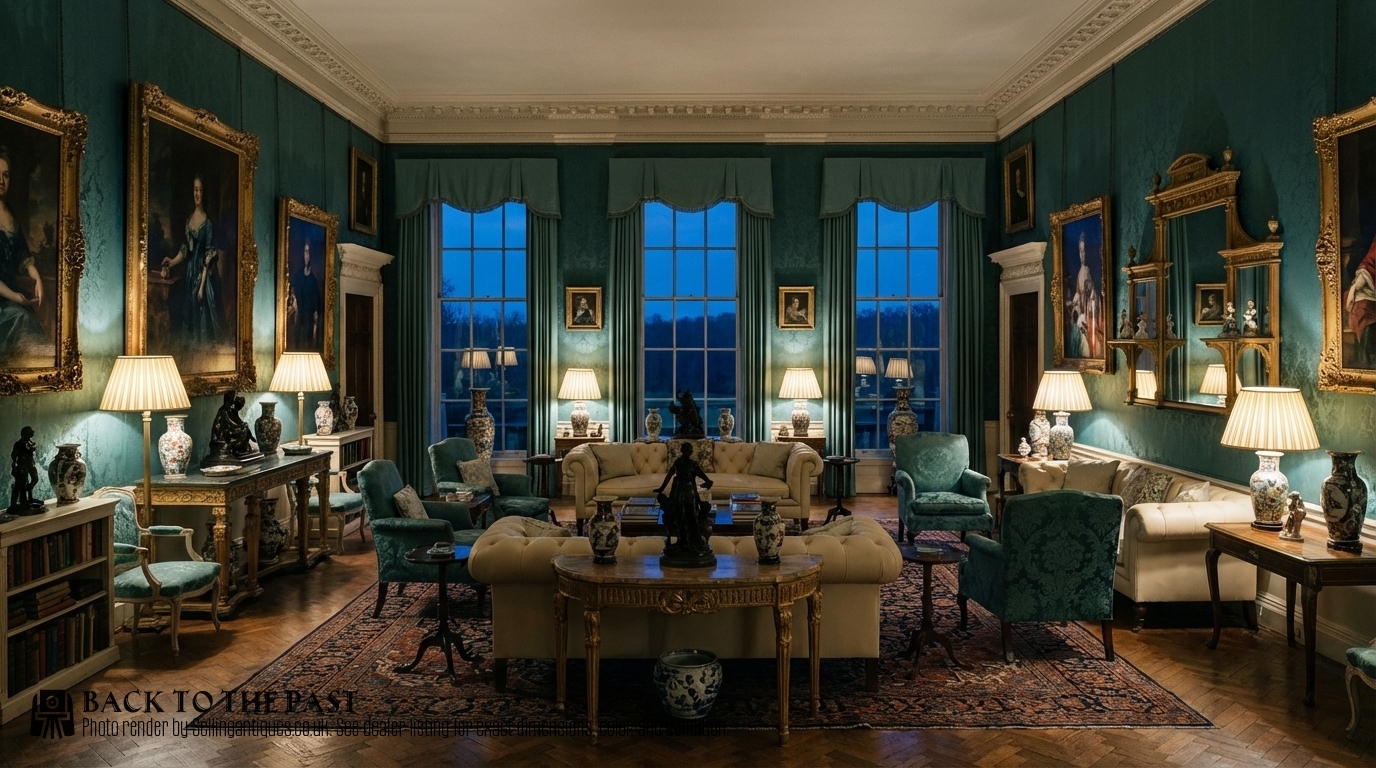
Classical Gilded Wall Mirror
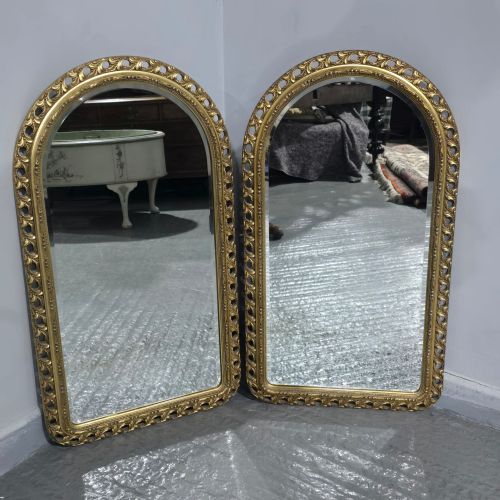
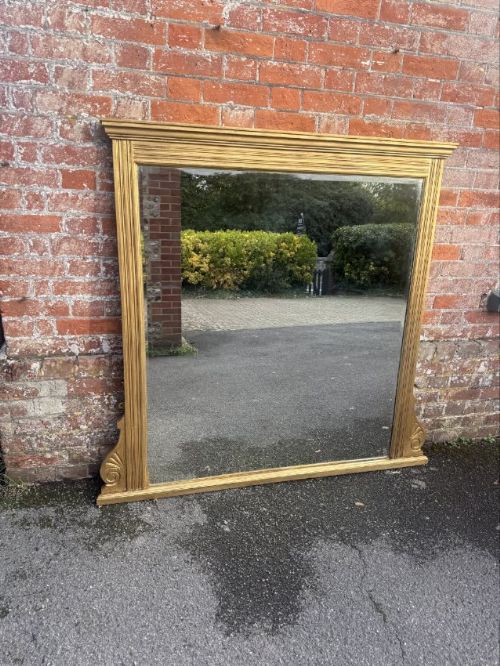
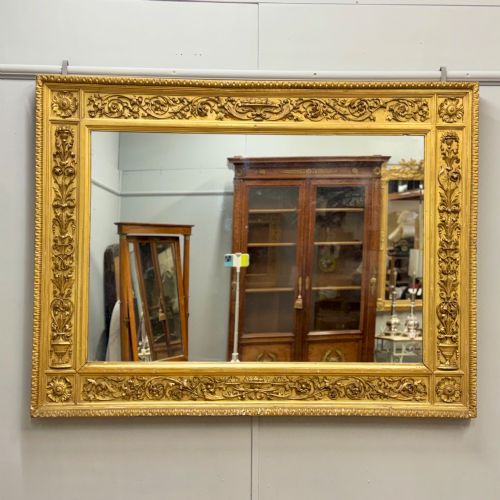
A classical gilded wall mirror is a reflective surface set within an ornate metallic frame, designed to hang upon a wall or rest above a fireplace. When searching this phrase, buyers encounter substantial overmantel mirrors, pier mirrors intended for the space between windows, and tall trumeau panels.
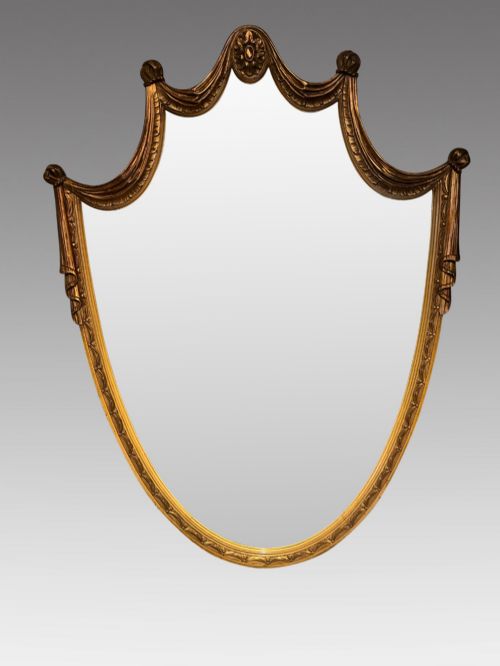
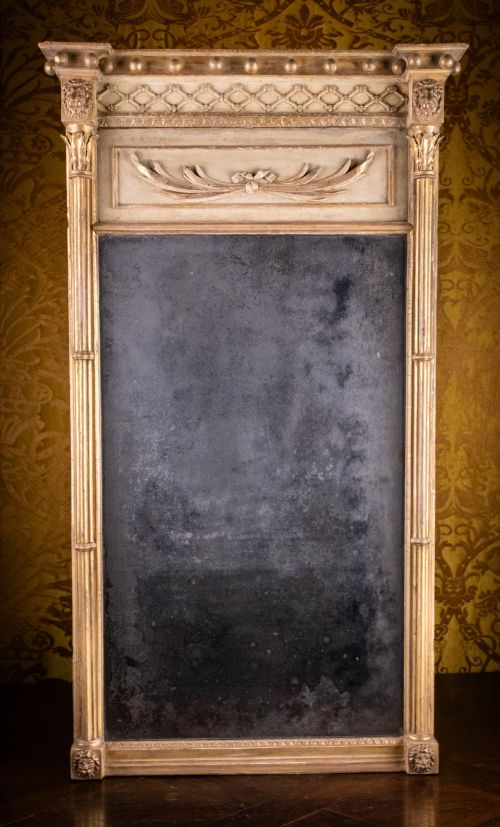
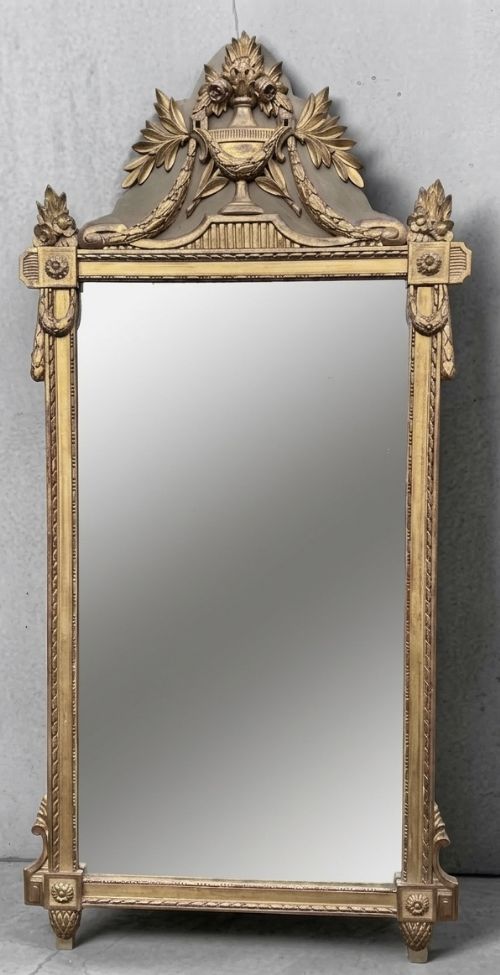
The selections span the nineteenth century, including Regency, Georgian, and Victorian periods alongside revival styles such as Adam and French chateau influences. Large formats dominate the listings, frequently incorporating architectural elements like columns, urns, and swags.
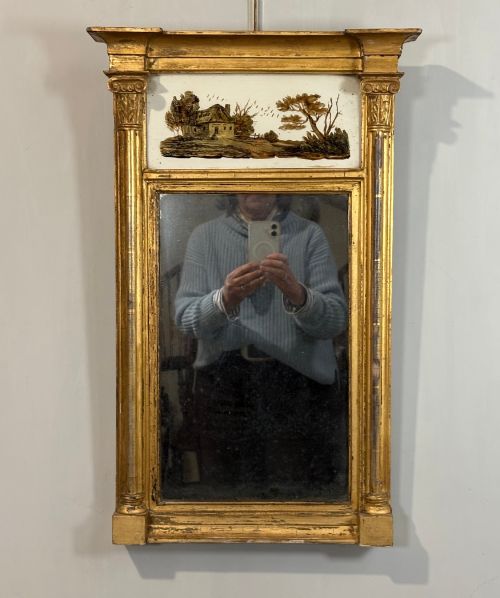
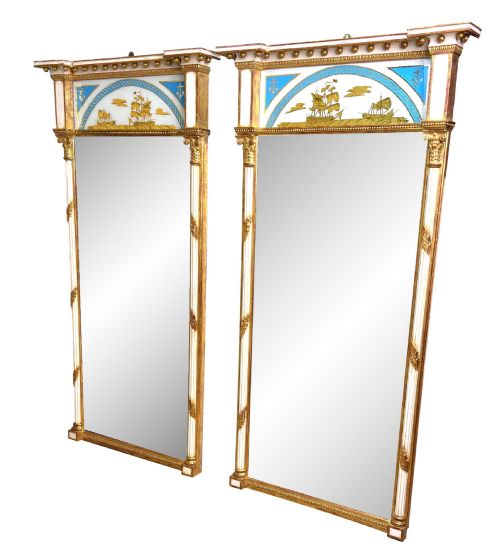
Many examples utilise original glass plates, while others combine mirror glass with decorative top panels featuring verre eglomise or painted scenes. These pieces originate from English and French workshops, ranging from modest domestic pier glasses to grand country house overmantels.
Materials and Construction
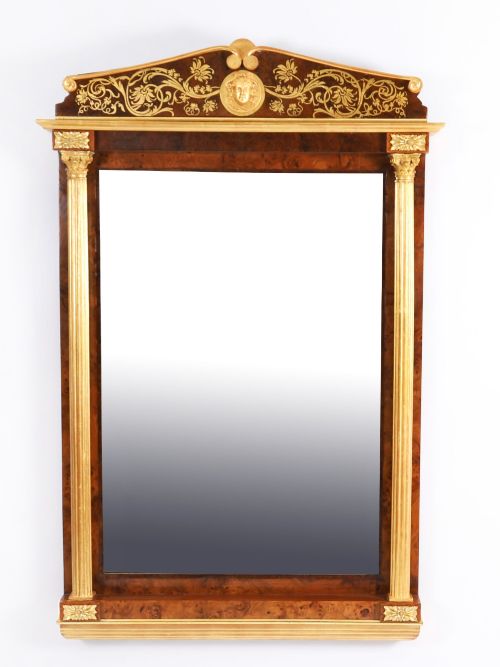
Makers built the foundational framework of a classical gilded wall mirror from timber, predominantly carved wood such as pine or hardwood. Applied gesso and composition ornaments provided the relief work for intricate floral, mythological, and lion mask motifs.
Gilding was applied using gold leaf or metal leaf over a prepared bole base, providing a luminous surface that catches natural light. Silvered mirror glass or original antique plates were then fitted into the rebate, sometimes secured with wooden backing boards.
Classical Gilded Wall Mirror Retail Price Guide 2026
Typical asking prices for classical gilded wall mirror among the pieces listed under this phrase on Sellingantiques today, from the lower quarter to the upper quarter. They describe what is for sale here now, not the wider market.
Listings feature eighteenth and nineteenth-century periods, utilising giltwood, gesso, and mirror glass across pier and overmantel forms.
The Measure of Craftsmanship
Quality in a classical gilded wall mirror rests upon the depth and crispness of the hand-carved wood and moulded gesso details. Superior examples exhibit sharply defined ornament and smooth application of gold leaf rather than heavy, flattened composition mouldings.
The integrity of the original glass plate and the retention of the early gilding distinguish the finer items from later replacements. Scale and proportion also dictate standing, with grander architectural frames and multi-plate constructions representing the upper echelon of the form.
The Classical Gilded Wall Mirror Glossary
- Giltwood
- Wood that has been coated with gold leaf or metallic powder over a prepared gesso ground. This finish gives the frame its characteristic metallic sheen.
- Gesso
- A plaster-like mixture applied to wood frames to create a smooth surface for carving or moulding details. It allows for crisp decorative relief.
- Overmantel Mirror
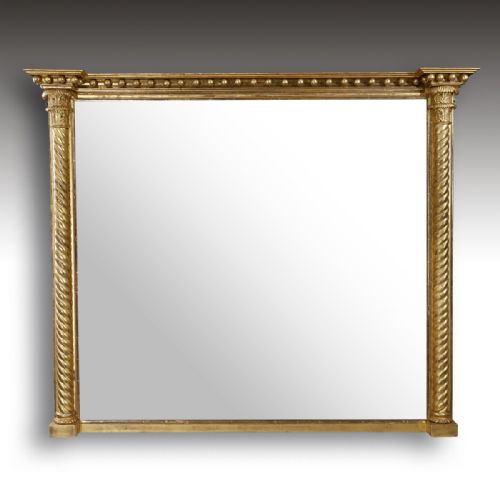
- A large mirror designed specifically to hang on the wall directly above a fireplace mantelpiece. These pieces frequently match the width of the fireplace surround.
- Pier Mirror
- A tall, narrow mirror traditionally hung on the pier of wall between two windows. They often sat above small console tables.
- Verre Eglomise
- A process of cold painting and gilding on the reverse side of glass. It appears frequently in the upper panels of Regency mirrors.
Classical Gilded Wall Mirror: Frequently Asked Questions
Where should I hang a large overmantel mirror?
These large mirrors traditionally anchor the space directly above a fireplace mantelpiece, reflecting light back into the room. They also function effectively on principal living room walls to create an illusion of depth.
Ensure the wall construction and fixings can support the substantial weight of carved wood and gesso frames before mounting.
How do I identify a Regency period mirror?
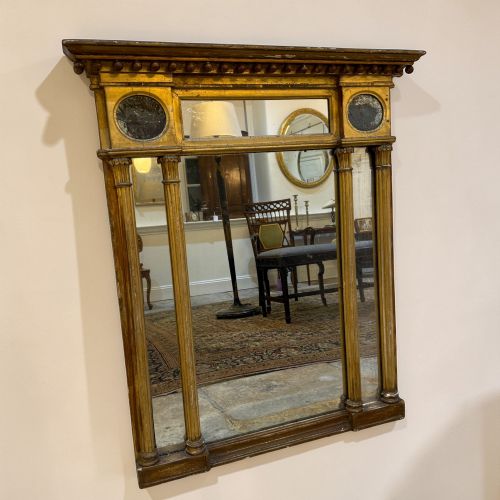
Regency mirrors often feature classical architectural motifs such as columns, ball-stud frames, and convex or triple plate glass configurations. Look for disciplined proportions and details influenced by ancient Greek and Roman design.
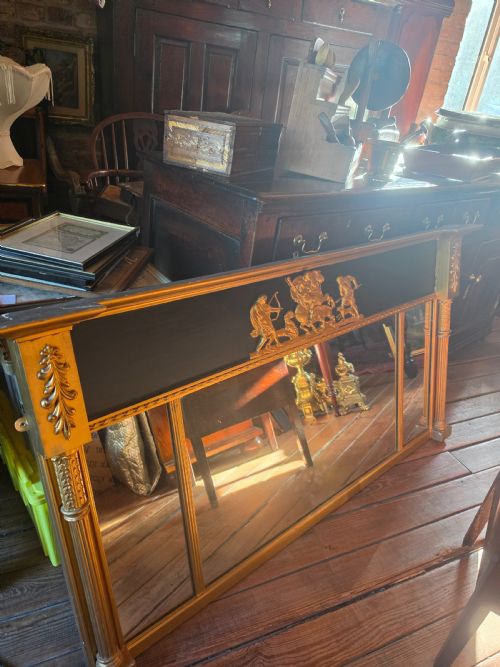
They frequently employ giltwood alongside black painted elements or verre eglomise top panels.
Can these mirrors be cleaned safely?
Dust the carved frame gently with a soft, dry brush to avoid disturbing the fragile gesso and gold leaf surface. Moisture can damage old gilding and penetrate the wooden substrate.
Clean the glass plate sparingly using a cloth dampened slightly with water or a mild glass cleaner, taking care not to let liquid touch the frame.