


Classical Ceramic Urns
Classical ceramic urns bring sculptural dignity and ancient forms into a room, offering rich porcelain and terracotta vessels shaped by historical revival periods.
Classical Ceramic Urns
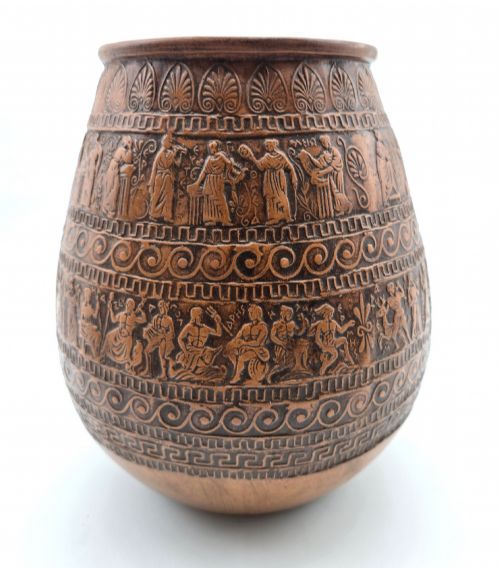
Classical ceramic urns are decorative vessels, jardinières, and table lamps that draw upon ancient Greek, Roman, and Renaissance forms. When searching for classical ceramic urns, buyers frequently encounter pieces from the nineteenth century, including Victorian interpretations and Grand Tour souvenirs.
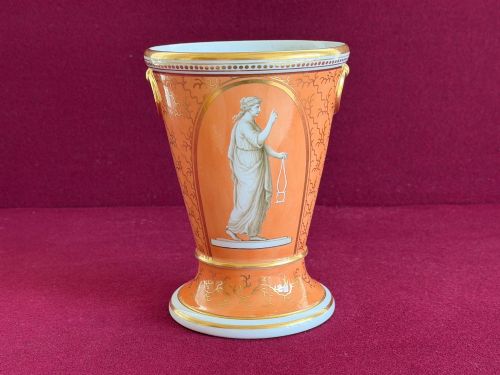
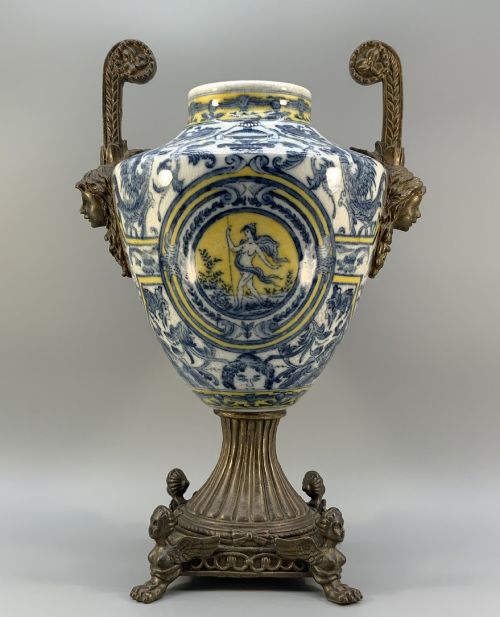
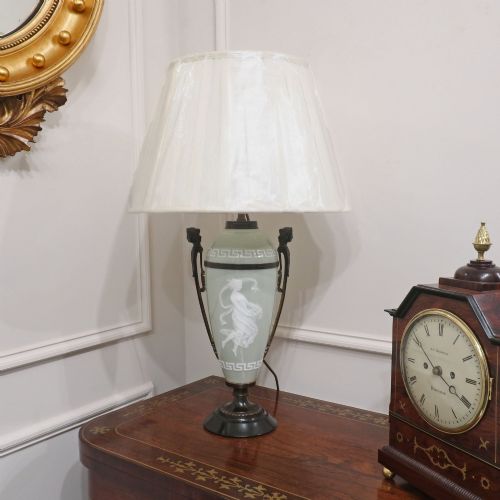
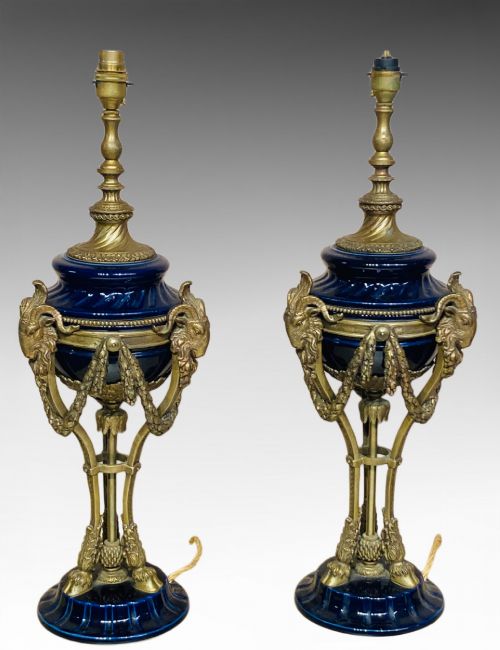
The selections span grand porcelain garnitures, jasperware with white bas-reliefs, earthenware figures, and weathered terracotta garden planters. Many examples combine ceramics with bronze mounts, ormolu, and gilding, reflecting Neoclassical and Renaissance Revival tastes across English, French, German, and Italian workshops.
How They Were Made
Potters shaped these vessels using porcelain, earthenware, terracotta, and faience, often employing moulds to achieve crisp classical contours and campana profiles. Surfaces were decorated through hand-painting, blue glazing, pânte-sur-pâte relief work, and applied white jasper reliefs.
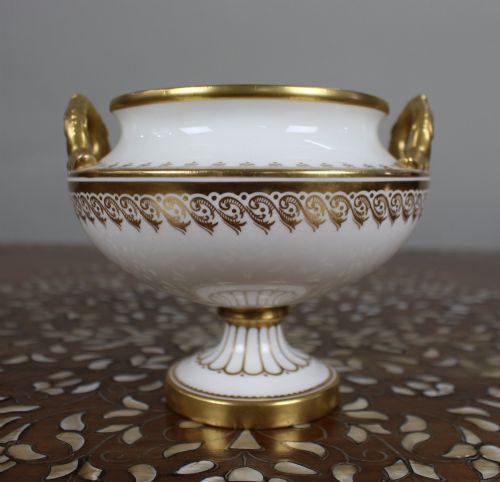
Many urns incorporate cast bronze, ormolu mounts, and gold leaf applied to handles, bases, and rims, uniting ceramic bodies with metalwork. Kiln firing temperatures and glaze formulations determined the durability and surface finish of each piece, from biscuit porcelain to high-gloss majolica.
Angels of the night and classical maidens occasionally make an appearance, keeping vigil beside the ferns.
What Varies in Quality
Quality rests upon the crispness of the moulded relief work and the precision of the hand-painted detailing on the ceramic body. Finer examples display delicately rendered figures and clean glaze application without pooling or discolouration.
The integration of secondary materials dictates overall execution, particularly the weight, chasing, and secure fit of ormolu mounts and bronze handles. Maker attribution and factory marks further distinguish standard decorative production from exceptional workshop output.
Flight and Barr Worcester·P. Ipsens Enke·Lipscombe and Co·Goldscheider
The Classical Ceramic Urns Glossary
- Campana urn
- A bell-shaped vessel with an everted rim and footed base, frequently utilised in classical garden and table designs.
- Jasperware
- A type of fine stoneware developed by Wedgwood, characterised by a coloured unglazed body and contrasting white reliefs.
- Pâte-sur-pâte
- A ceramic decoration technique where wet white slip is built up in layers on a coloured body to create a low-relief cameo effect.
- Ormolu
- Gilded bronze mounts and decorative elements applied to furniture and ceramic objects, common in French neoclassical design.
- Jardinière
- An ornamental pot or stand designed to hold growing plants or floral arrangements within an interior space.
Classical Ceramic Urns: Frequently Asked Questions
What is a campana urn?
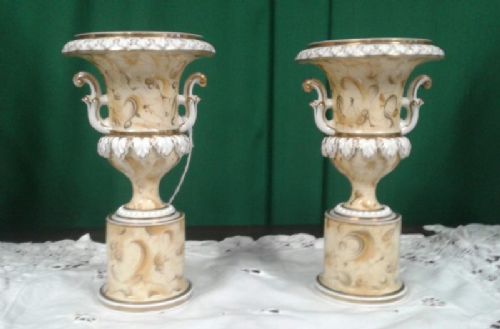
A campana urn takes its name from the Latin word for bell, describing its characteristic inverted bell shape with a flared rim. These vessels were modelled after ancient bronze and marble garden vases.
Victorian and nineteenth-century makers revived this silhouette in porcelain, terracotta, and jasperware for both interior display and garden ornamentation.
How do I identify Grand Tour pieces?
Grand Tour pieces are nineteenth-century souvenirs collected by travellers visiting the archaeological sites and museums of Italy and Greece. They frequently utilise terracotta or local clays to mimic ancient antiquities.
These items range from small cabinet vases to substantial planters, capturing the period obsession with classical antiquity.
Where were porcelain urns made?
Porcelain urns were produced across major European ceramic centres, including Sevres in France, Meissen and KPM in Germany, and Vienna in Austria. English factories such as Wedgwood and Worcester also contributed significant output.
Each region developed distinct stylistic signatures, from French ormolu-mounted garnitures to crisp English jasperware.
How should I display large ceramic urns?
Large ceramic urns and jardinières function well as focal points on sturdy pedestals, console tables, or hearths. Terracotta and majolica variants suit conservatories and garden rooms.
Parks and substantial hallways accommodate monumental pairs, while smaller table lamp conversions integrate utility with classical form.