

Gilded Decorative Urns
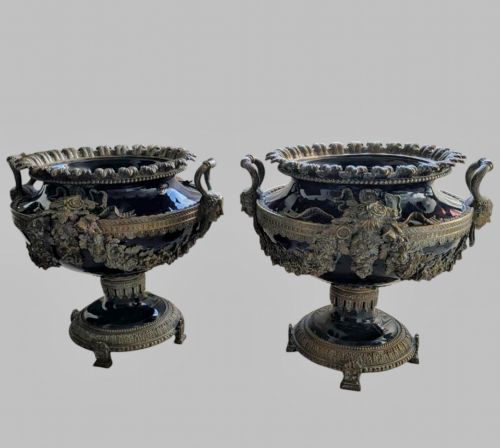
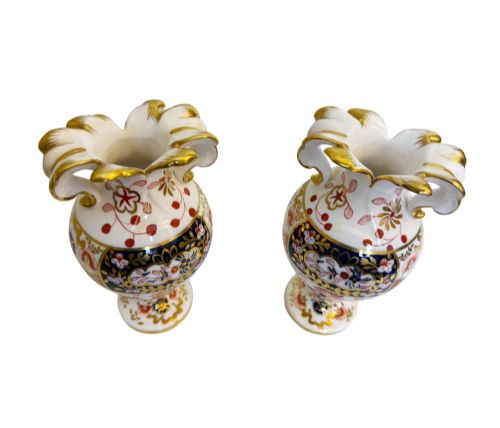
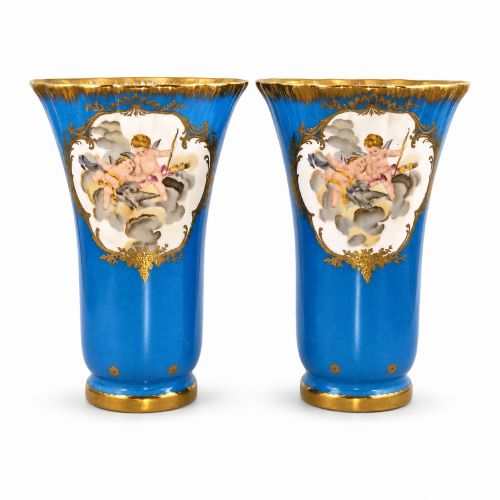
These gilded decorative urns bring classical form and metallic brilliance into domestic spaces through ceramics, glass, and mirrors from the nineteenth and early twentieth centuries.
Gilded Decorative Urns
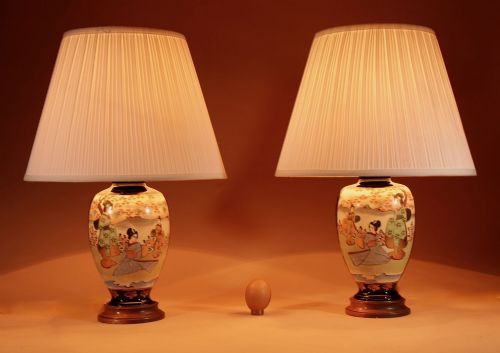
When you search for gilded decorative urns, you encounter a varied selection of vessels, vases, jardinières, tazzas, and mirrors spanning the nineteenth and early twentieth centuries. These objects reflect diverse regional aesthetics, from French Neoclassical and Empire designs to English porcelain manufactories and Japanese Satsuma production.
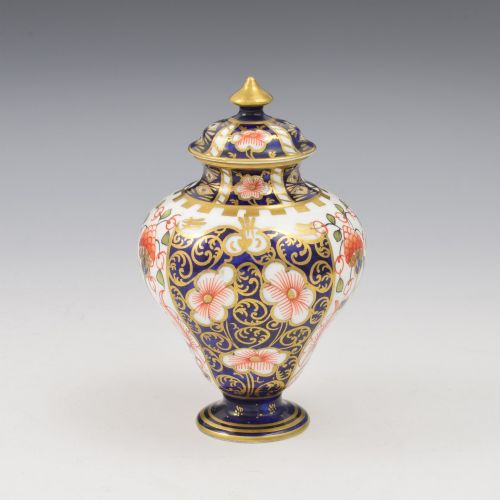
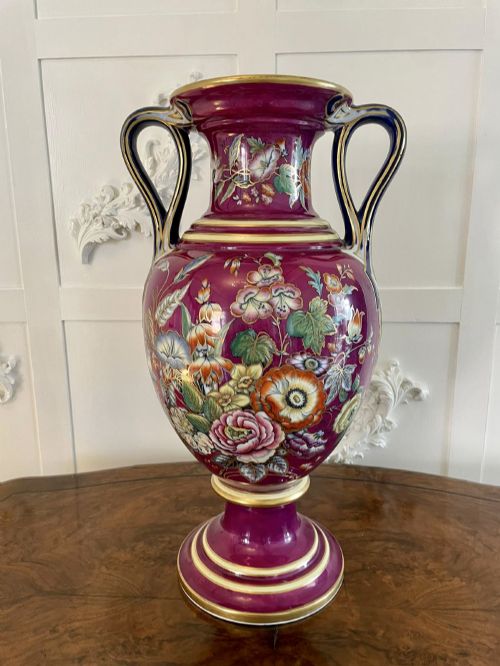
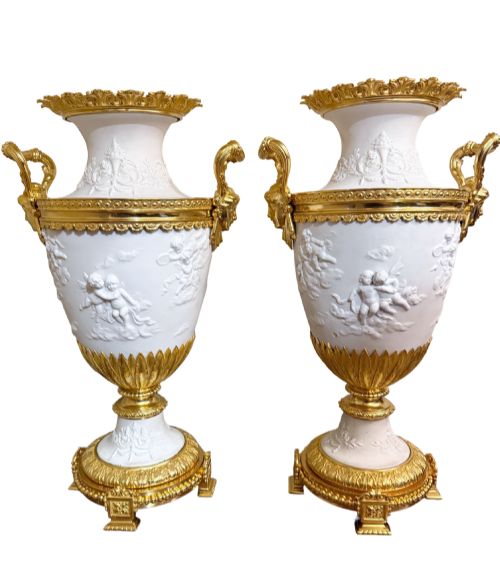
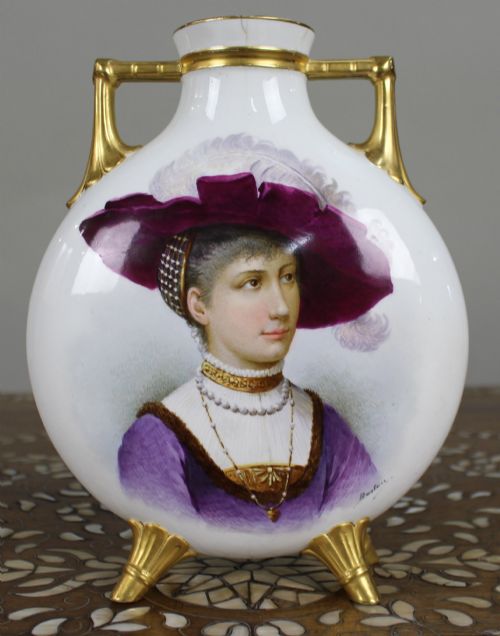
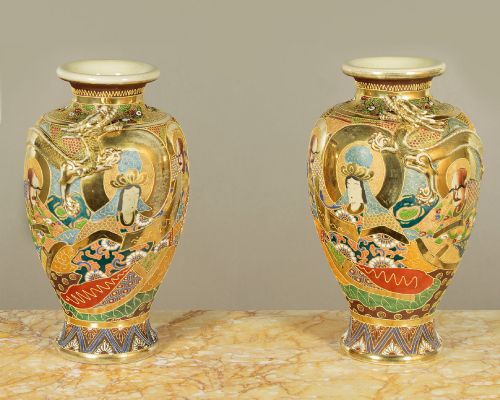
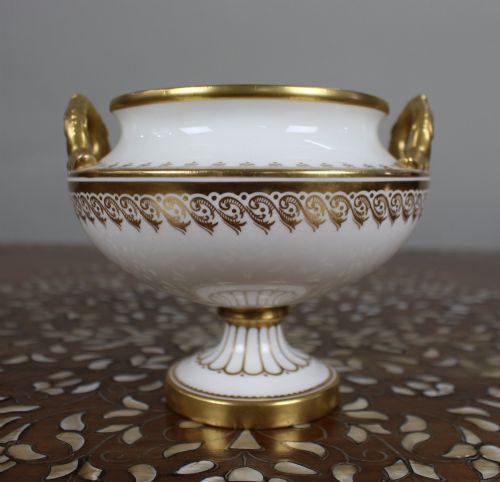
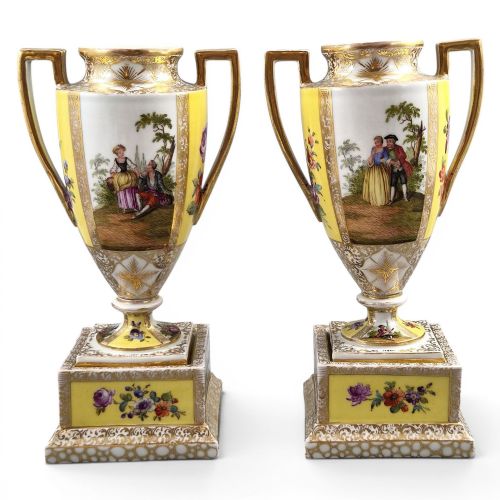
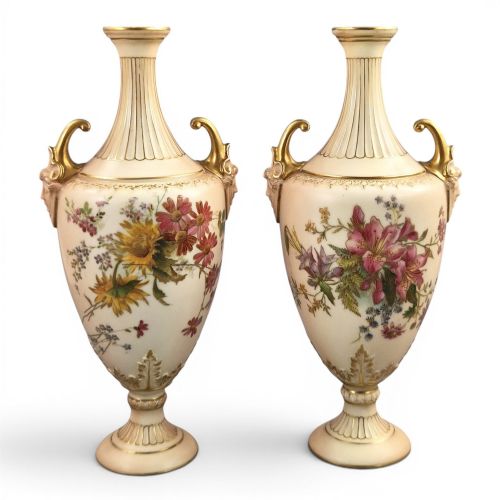
The most common pieces on this page are ceramic vases and urns featuring surface gilding, often arranged as matched pairs. Many examples incorporate twin handles, covers, or hand-painted botanical and figural scenes executed within Victorian, Edwardian, or Meiji periods.
Materials and Technique
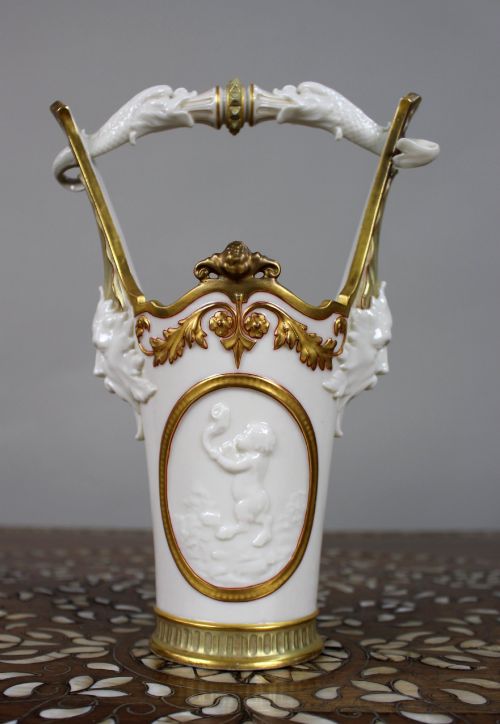
The creation of these objects relies on ceramic bodies such as porcelain, earthenware, and porcelaneous paste, shaped into campana urns, moon flasks, and ewers. Artisans applied liquid gold, gold leaf, or gilt bronze to highlight specific moulded details, handles, and rims.
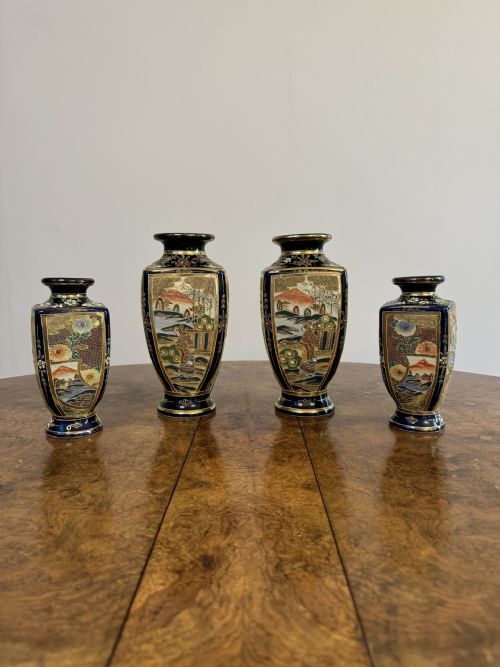
Surface decoration frequently combines hand-painted enamels, cobalt glazes, and intricate gilding techniques. Makers such as Royal Worcester, Coalport, and Satsuma workshops utilised kilns to fuse metallic layers and enamel colours onto the ceramic base.
Materials range from porcelain and earthenware to bronze, marble, and giltwood.
Craftsmanship and Execution
Quality in these pieces rests upon the precision of the hand-painting and the durability of the applied gilding. Superior examples display crisp brushwork, balanced proportions, and careful integration of metal mounts with ceramic or marble elements.
Lesser items often show mechanical transfer printing in place of hand execution and simpler, unrefined ceramic throwing. The distinction lies in the depth of the enamel work, the weight of the bronze or ormolu mounts, and the crispness of the gilt detailing.
Royal Crown Derby·Royal Worcester·Barr Flight And Barr·Helena Wolfsohn·Reissner Stellmacher And Kessel
The Gilded Decorative Urns Glossary
- Campana
- A bell-shaped vessel with an everted rim and a footed base, frequently utilised for classical urn designs in nineteenth-century ceramic production.
- Gilding
- The application of gold leaf, powder, or liquid gold to the surface of porcelain, wood, or metal to produce a decorative metallic sheen.
- Jardinière
- A decorative ceramic or metal pot or stand designed to hold indoor plants or floral arrangements.
- Ormolu
- Finely ground high-carat gold-mercury amalgam applied to a bronze base, commonly found on nineteenth-century French decorative objects.
- Satsuma
- A type of Japanese earthenware featuring a crackle-glaze ivory body decorated with polychrome enamels and raised gold.
Gilded Decorative Urns: Frequently Asked Questions
What periods do these pieces date from?
The inventory spans the nineteenth century through to the early decades of the twentieth century, including Victorian, Edwardian, and Meiji eras.
Production methods and artistic styles shift across these decades, moving from strict Neoclassical revivalism toward Art Nouveau and early Showa period aesthetics.
How were these urns originally used?
Many served purely decorative functions on mantelpieces, pedestals, or side tables within formal nineteenth-century drawing rooms.
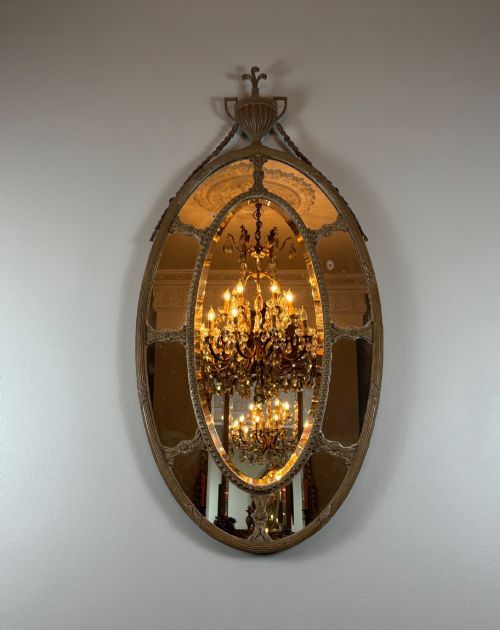
Some iterations, such as jardinières and wall mirrors with integrated urn motifs, combined ornamental display with practical utility for interior decoration.
Are these items sold as pairs?
A significant portion of the collection consists of matched pairs or garnitures intended for symmetrical placement on furniture.
Single vessels also appear, often representing specific factory exhibitions or specialty artist productions from English and continental potteries.
How do I care for gilded ceramic surfaces?
Preserving the metallic leaf and enamel details requires gentle dusting with a soft, dry cloth without chemical cleaning agents.
Avoiding abrasive materials protects the fragile gold leaf and hand-painted glazes from unnecessary wear over time.