



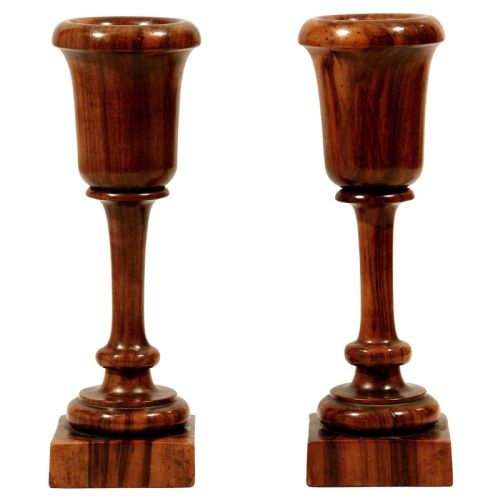


Pair of Mantelpiece Urns
A pair of mantelpiece urns brings symmetry and classical weight to a room, pairing decorative presence with historical craft.
Pair of Mantelpiece Urns
A pair of mantelpiece urns comprises matching decorative vessels designed to sit balanced upon a fireplace shelf or console. When you search for this phrase, you encounter objects rooted in nineteenth-century decorative arts, spanning classical revival forms to regional pottery traditions.
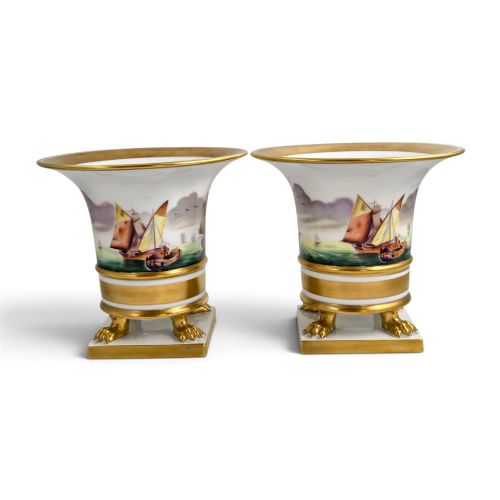
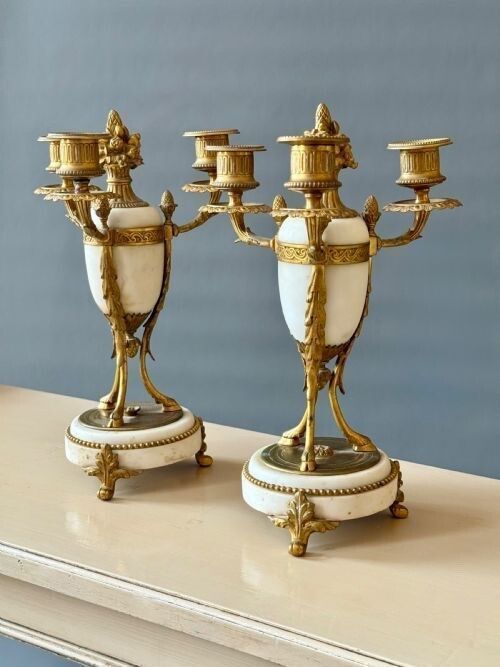
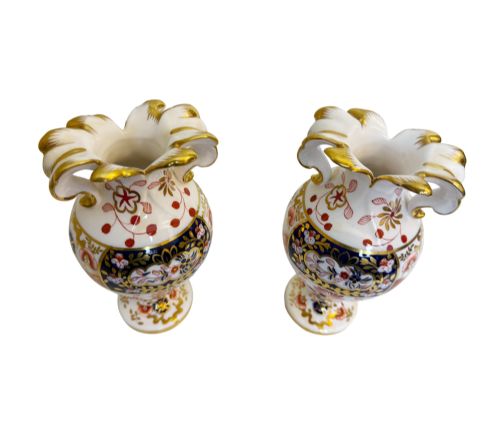
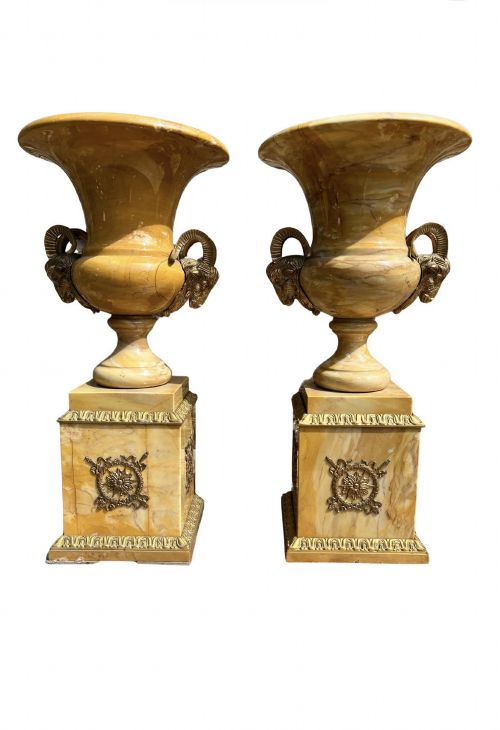
The selections on this page appear predominantly in nineteenth-century manifestations, encompassing French Empire styles, Italian Grand Tour souvenirs, and Victorian porcelain. Forms range from classical campana shapes and cassolettes to spill vases and baluster vessels.
Origins stretch across Britain, France, Italy, Germany, and Japan, reflecting diverse aesthetic movements from Neoclassical restraint to Art Nouveau fluidity. Buyers encounter matching pairs constructed for visual harmony, intended to anchor a mantelpiece with structured elegance.
How they were made
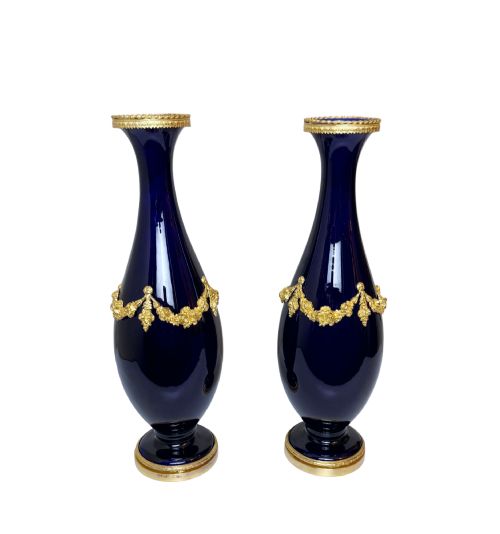
Makers utilised a combination of cast metals and carved stone, frequently uniting bronze, ormolu, and gilt bronze with white or siena marble bases. Craftspeople turned wood such as lignum vitae on lathes or shaped ceramic bodies from porcelain, faience, and pottery.
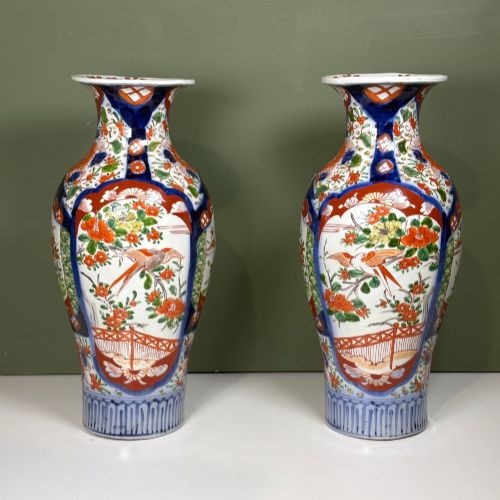
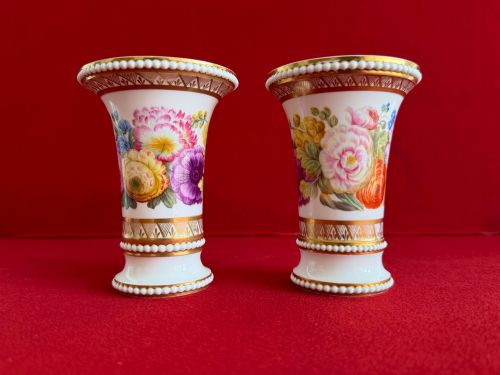
Surface decoration involved meticulous hand-painting, enamel work, and applied gilding or gold leaf. Metal vessels often received chased detailing or silvered finishes, while ceramic pieces displayed transfer-printed or hand-painted patterns including Imari motifs and classical scenes.
Pair of Mantelpiece Urns Retail Price Guide 2026
Typical asking prices for pair of mantelpiece urns among the pieces listed under this phrase on Sellingantiques today, from the lower quarter to the upper quarter. They describe what is for sale here now, not the wider market.
Turned lignum vitae spill vases demonstrate that even utility timber could masquerade as classical elegance on a nineteenth-century shelf.
What varies in quality
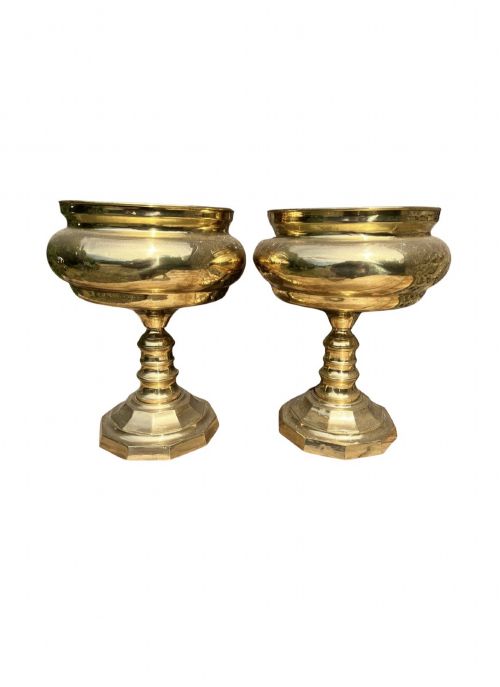
Quality reveals itself in the crispness of metal casting and the depth of surface ornamentation, where finely chased ormolu and hand-painted porcelain distinguish finer works from simpler production. The choice of materials dictates the baseline, with solid marble bases and genuine gilt bronze carrying greater substance than spelter or brass alternatives.
Proportion and matching symmetry between the two pieces determine visual success. Superior examples maintain exact parity in their dimensions, gilding density, and decorative clarity, demonstrating the artisan's control over both halves of the pair.
Herend·Spode·Royal Doulton
The Pair of Mantelpiece Urns Glossary
- Campana urn
- A bell-shaped vessel with a flaring rim and a footed base, modelled after ancient Roman pottery forms. These frequently appear in bronze or marble.
- Cassolette
- A decorative vase equipped with a reversible lid that functions either as a solid-topped urn or as a container with an incense burner insert. French Empire examples often incorporate marble and ormolu.
- Ormolu
- Finely ground high-carat gold applied to a bronze base through a mercury amalgamation technique or electroplating. This finish imparts a rich, durable golden sheen to nineteenth-century metalwork.
- Grand Tour
- A cultural journey undertaken by wealthy Europeans to visit continental antiquities, resulting in the acquisition of bronze souvenirs and miniature marble architectural models. These items often emulate classical urns and tazzas.
- Imari
- A style of Japanese porcelain featuring distinctive underglaze blue and iron-red designs accented with gold. European potteries frequently borrowed these decorative schemes for nineteenth-century vases.
Pair of Mantelpiece Urns: Frequently Asked Questions
Where should I place a pair?
These vessels suit prominent horizontal surfaces where their symmetry can anchor the space. A fireplace mantel offers the traditional location, though sideboards and console tables work equally well.
Position the pair with equal distance from the centre to maintain the balanced visual weight intended by their makers.
How do I identify French Empire style?
French Empire pieces display strict classical geometry, often combining deep patinated bronze with bright gilt-bronze mounts. Motifs draw directly from ancient Roman and Greek iconography.
Look for elements like paw feet, laurel wreaths, and architectural marble plinths that define the aesthetic of the early nineteenth century.
What is the difference between an urn and a vase?
An urn traditionally incorporates a footed base supporting a rounded body, frequently featuring handles and a lid or a cassolette top. Vases lean toward open-topped vessels designed primarily for holding flora or serving as standalone decorative objects.
Many nineteenth-century mantelpiece pieces blur these definitions, functioning as decorative urns despite lacking functional lids.
How do I care for mixed material pieces?
Clean stone bases and metal bodies using a dry or barely damp microfiber cloth to remove dust without disturbing historic finishes. Avoid chemical polishes on gilt bronze or ormolu, which can strip the delicate gold surface.
Protect porcelain and enamel sections from abrasive materials and maintain stable room humidity to preserve fragile ceramic bodies.