



Classical Ceramic Figures
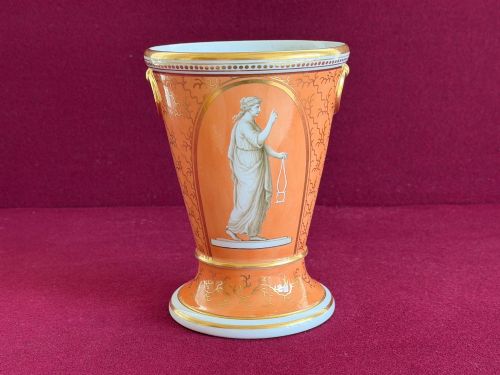
Classical ceramic figures capture mythology and antiquity in porcelain, earthenware, and terracotta, ranging from Georgian deities to Victorian allegorical maidens.
Classical Ceramic Figures
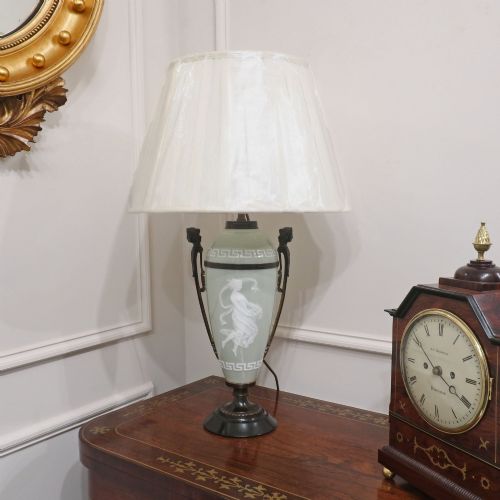
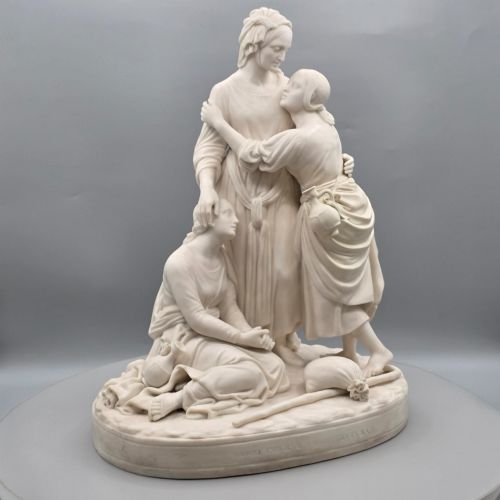
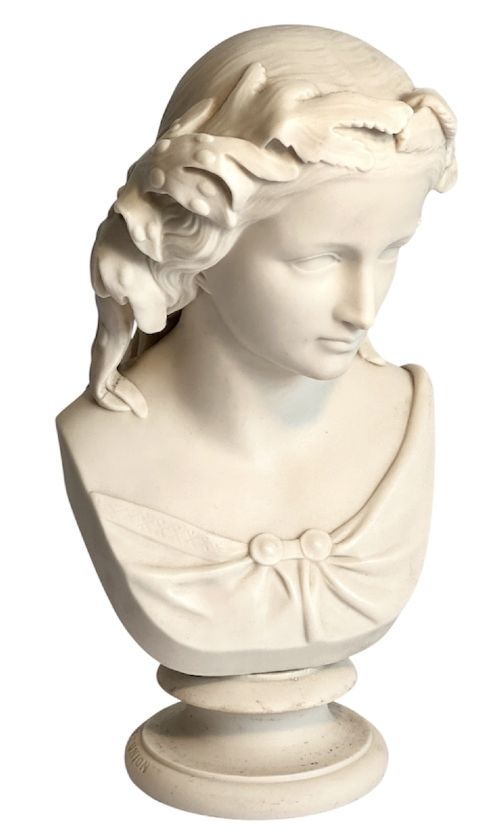
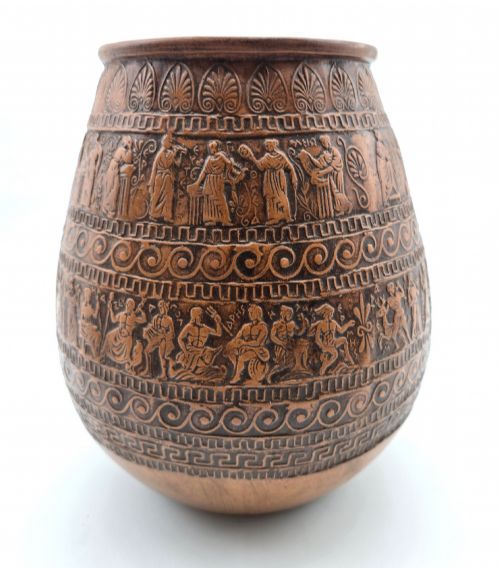
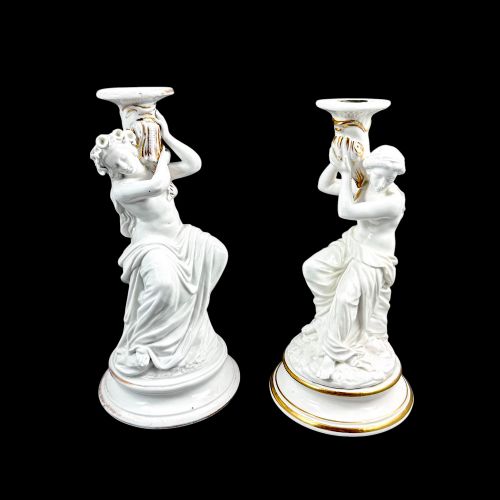
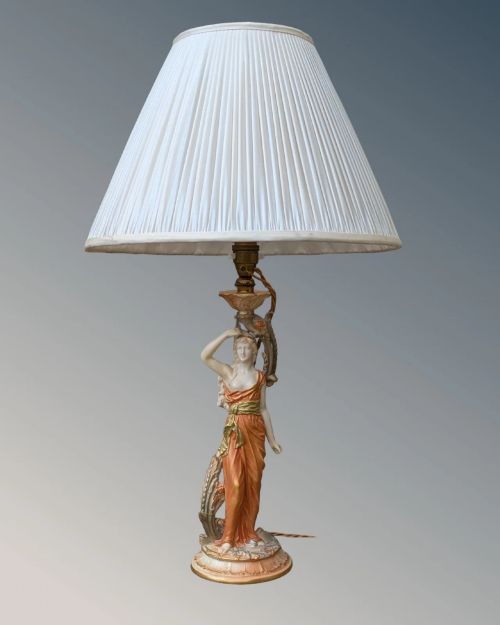
Classical ceramic figures embody mythological deities, literary characters, and allegorical maidens drawn from ancient Greece and Rome. When exploring classical ceramic figures, buyers encounter forms ranging from monumental earthenwares and busts to delicate eighteenth-century porcelain groups and nineteenth-century parian studies.
The selection spans Georgian porcelain deities, Victorian parian wares depicting literary heroines, and early twentieth-century earthenware figures. These objects served primarily as interior ornaments for drawing rooms and libraries, reflecting nineteenth-century enthusiasm for grand tour aesthetics and classical sculpture.
How they were made
Makers utilised slip-casting and pressing techniques in moulds to shape fine porcelain, earthenware, and terracotta bodies. Details were often hand-modelled or enriched with enamels, gilding, and pate-sur-pate decoration before kiln firing.
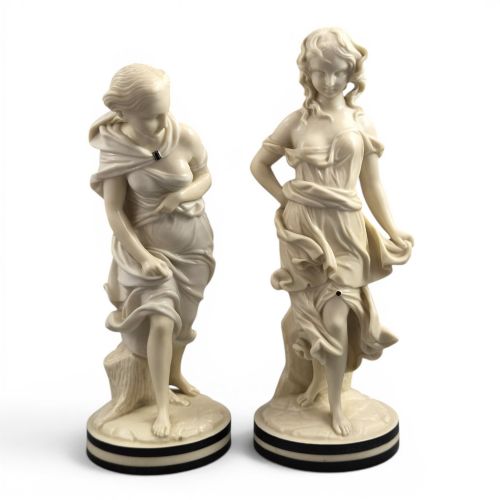
Parian porcelain emerged during the nineteenth century as a self-glazing ceramic mixture that fired to resemble carved marble. Bisque porcelain provided a matte, unglazed surface suited to crisp neoclassical sculptural detail.
Listings incorporate nineteenth-century parian porcelain studies alongside eighteenth-century Georgian porcelain figures and early twentieth-century terracotta busts.
What varies in quality
The nuance of the ceramic body itself defines the tier, from translucent soft-paste porcelains and tactile parian wares to richly enamelled or gilt surfaces. Early factory examples demonstrate sharper mould clarity and more sensitive painting than later commercial iterations.
Royal Worcester·Derby Porcelain·Bow Porcelain·Chelsea Porcelain·Goldscheider·Royal Dux
The Classical Ceramic Figures Glossary
- Parian porcelain
- A fine-grained, unglazed porcelain developed in the nineteenth century to imitate carved marble. It is prized for its smooth, matte finish and ability to capture intricate sculptural detail.
- Bisque porcelain
- Unglazed ceramic fired to a matte, white state that resembles marble. It was widely utilised for neoclassical portrait busts and figural groups.
- Pate-sur-pate
- A ceramic decoration technique where liquid clay is painted in successive layers onto a contrasting body. This builds up a low-relief cameo effect before glazing and firing.
- Pearlware
- An earthenware developed in the eighteenth century featuring a thin glaze with a slight bluish tinge. It formed the base for many popular figures and tableware lines.
Classical Ceramic Figures: Frequently Asked Questions
What materials are used for classical figures?
Makers utilised porcelain, earthenware, parian ware, and terracotta to render these sculptural subjects. Each material imparted a distinct texture, from the glossy finish of enamelled porcelain to the matte surface of bisque.
Parian porcelain was specifically favoured for its resemblance to carved marble. Terracotta was typically chosen for larger scale busts and studies.
How do I identify a parian figure?
Parian figures possess a dense, heavy white body with an unglazed, marble-like finish rather than a shiny glass glaze. They often depict classical or literary subjects and date from the nineteenth century onwards.
Closer inspection reveals sharp, unblemished detail in the drapery and hair, characteristic of high-temperature porcelain biscuit firing.
Where were these ceramic figures produced?
Production centred in historic European ceramic hubs, notably English factories like Derby, Bow, Chelsea, and Royal Worcester. Continental centres in France, Germany, and Austria also produced significant neoclassical works.
Many factories drew direct inspiration from classical antiquities encountered during the grand tour.
How should I display ceramic figures at home?
Display these figures away from direct sunlight and areas of high foot traffic to protect delicate extremities and painted surfaces. Sturdy mantelpieces, cabinets, or console tables provide secure placement for porcelain and terracotta pieces.
Pairing complementary figures, such as mythological couples or seasonal allegories, maintains the decorative balance intended by the makers.