




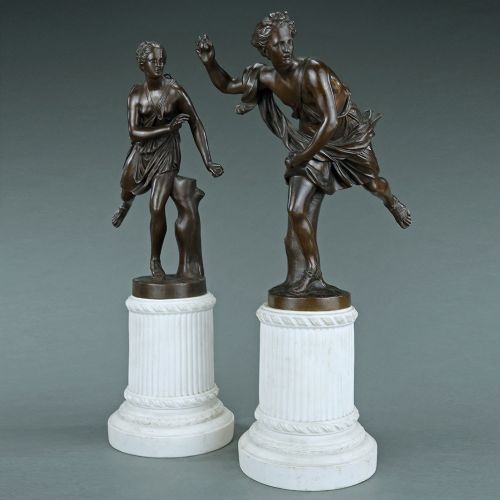
Classical Bronze Figurine
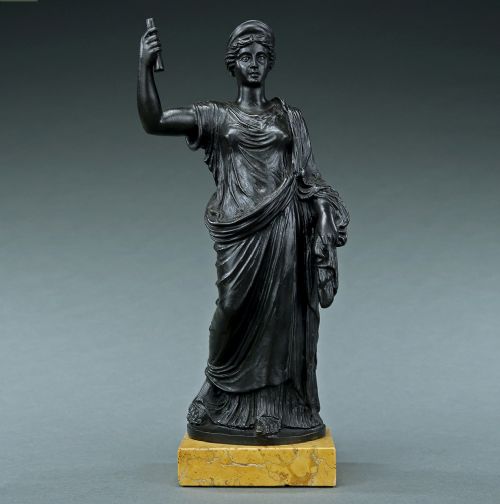
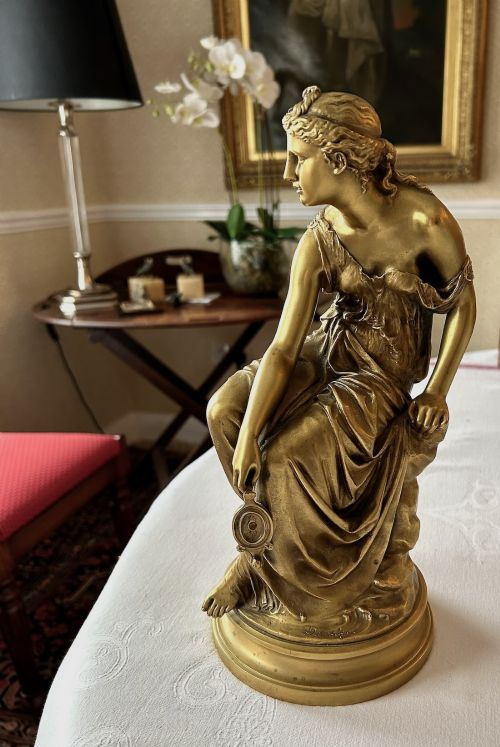
A classical bronze figurine brings mythology and antiquity directly to a desk or mantelpiece, shaped in metal during the nineteenth century and later periods.

Classical Bronze Figurine
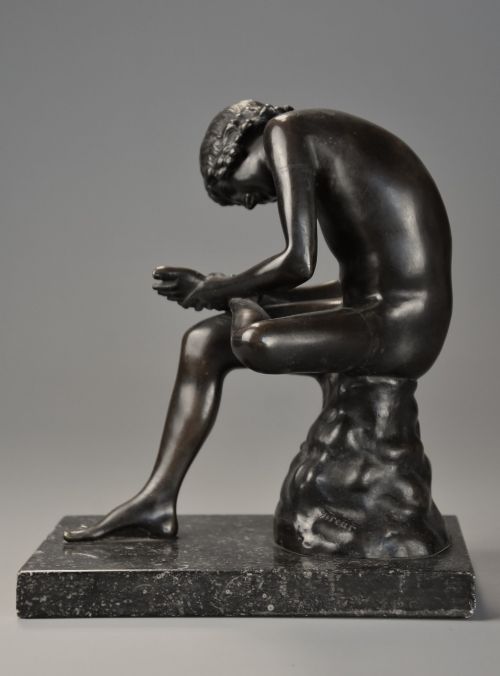
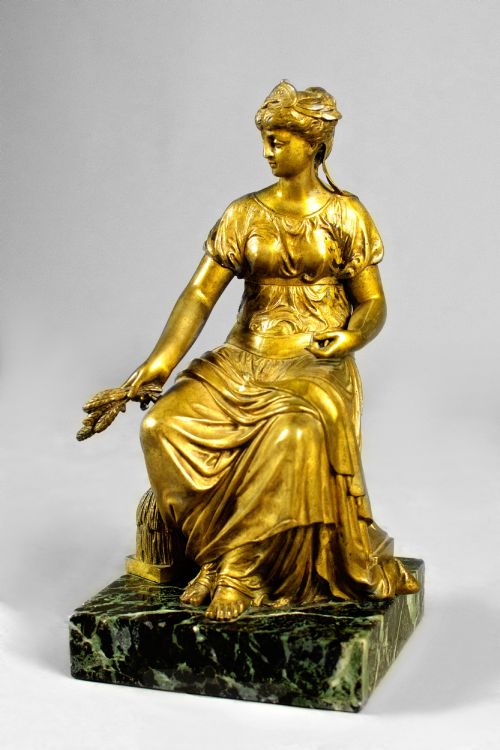
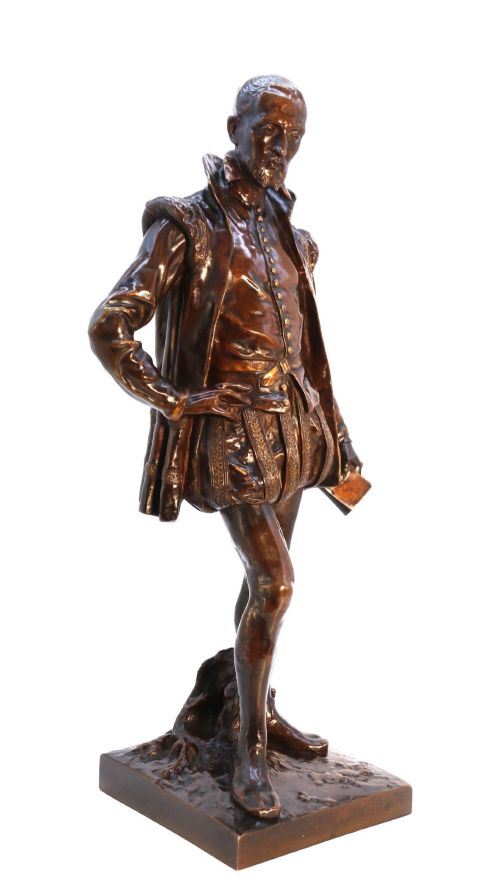
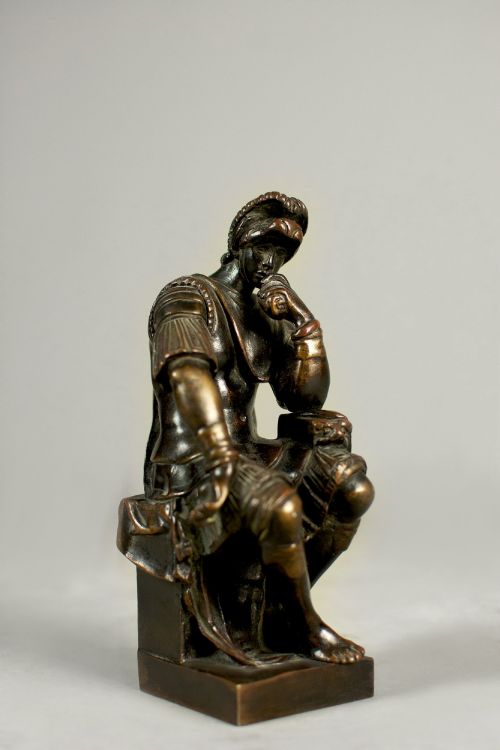
A classical bronze figurine takes the form of mythological deities, literary figures, and dancers cast during the nineteenth century, often originating from French workshops or Italian Grand Tour journeys.
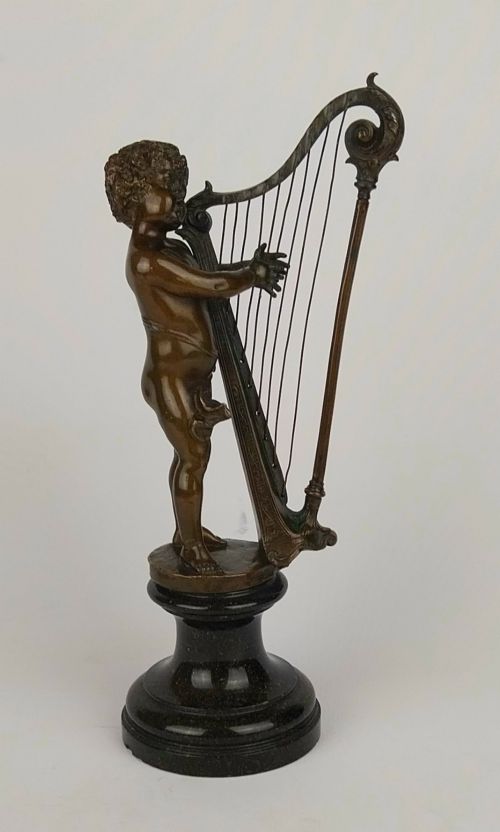
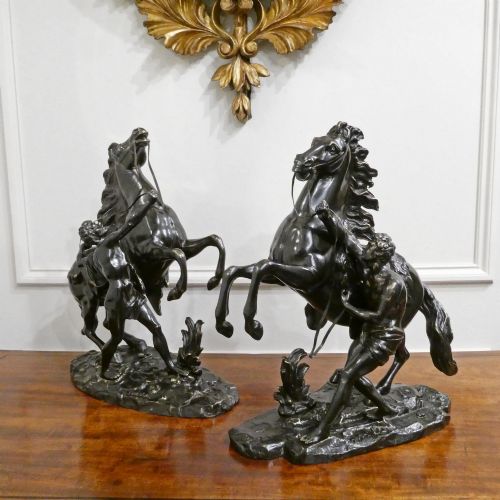
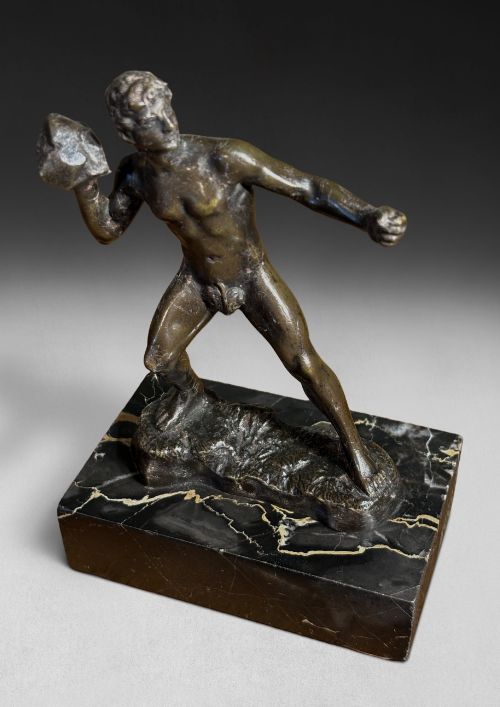
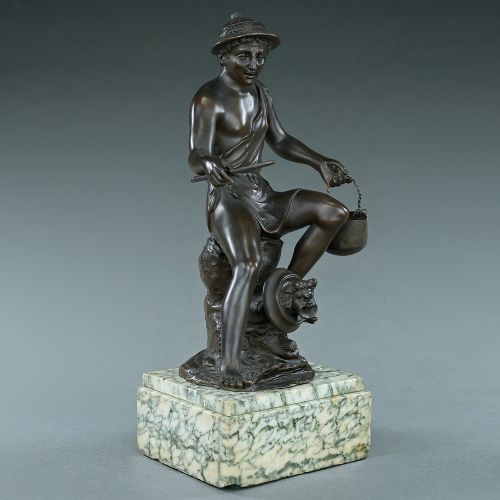
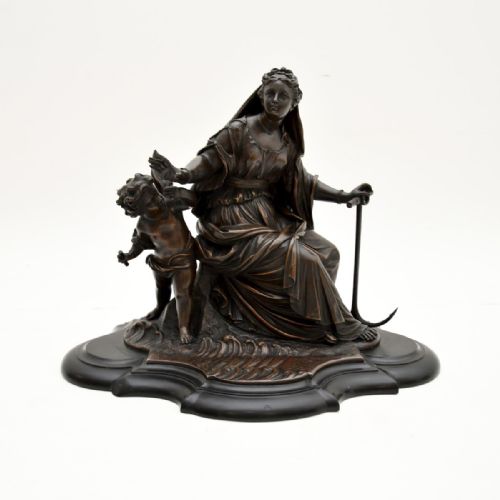
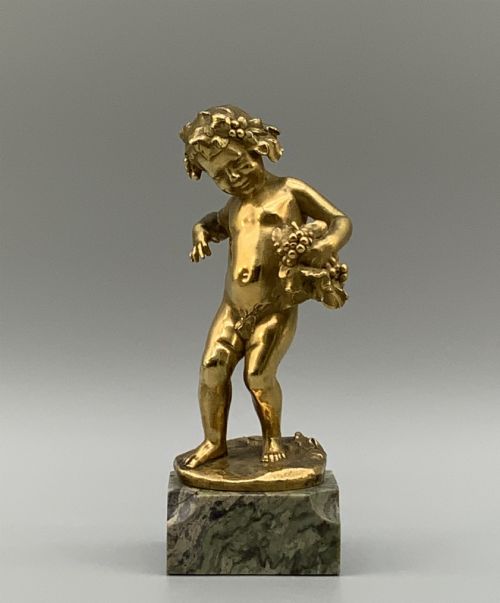
Most pieces met on this page appear as cabinet statuettes or desk ornaments, depicting figures such as fauns, putti, and Roman soldiers mounted on marble or stone plinths.
The tradition spans from small Grand Tour souvenirs acquired by travellers in Italy to signed exhibition bronzes produced by established Parisian foundries.
How they were made
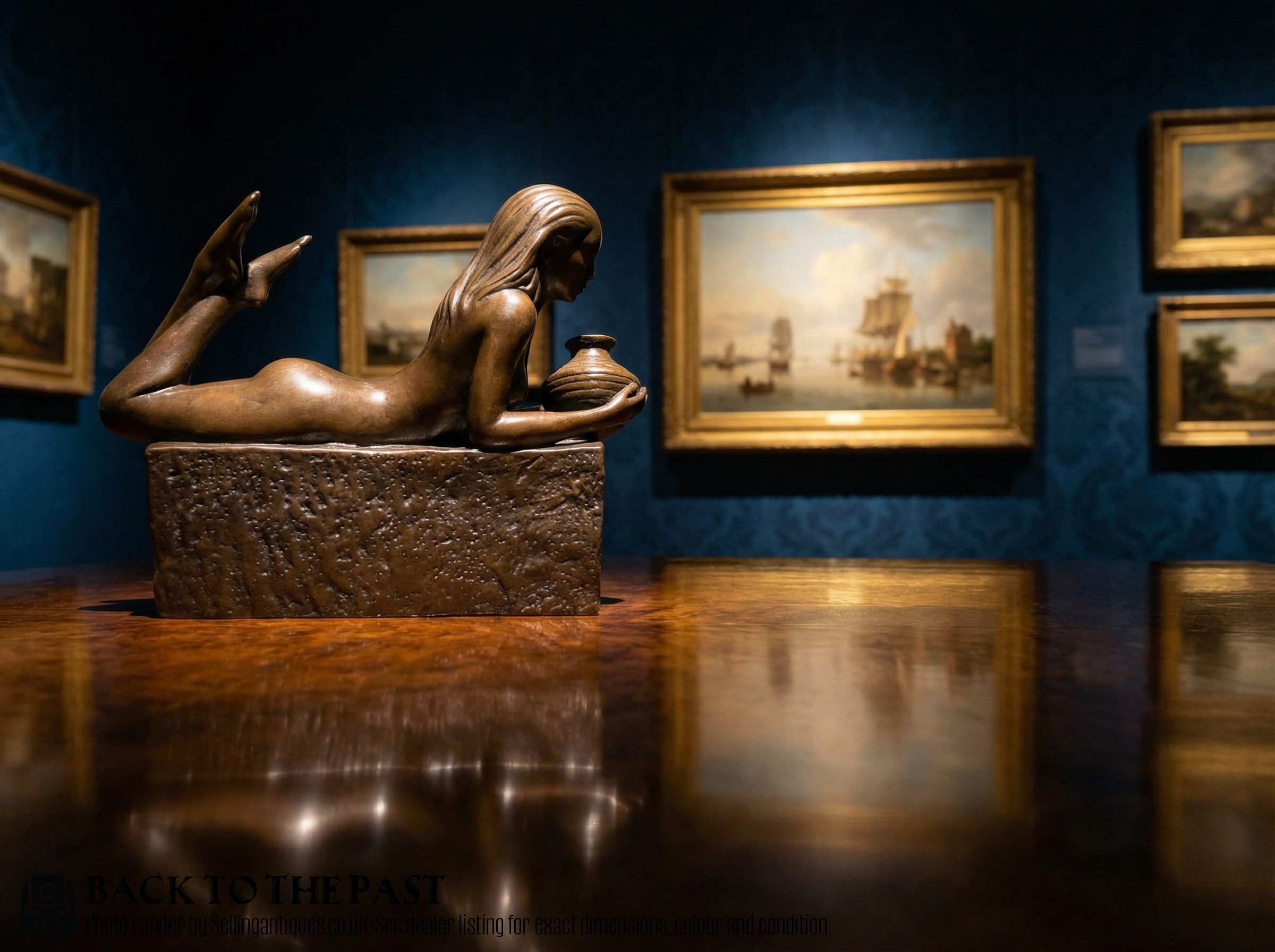
Foundries utilised the lost-wax casting method or sand casting to capture intricate drapery, musculature, and facial expressions in molten metal.
Surfaces received patination through chemical treatments to produce dark brown, verdigris, or cold-painted finishes, sometimes complemented by gilt bronze or ormolu mounts.
Classical Bronze Figurine Retail Price Guide 2026
Typical asking prices for classical bronze figurine among the pieces listed under this phrase on Sellingantiques today, from the lower quarter to the upper quarter. They describe what is for sale here now, not the wider market.
Several figures depict musical putti playing triangles and cymbals, bringing a surprisingly cheerful rhythm to the solemnity of classical antiquity.
What varies in quality
The sharpness of the chase work dictates how cleanly fingers, hair, and clothing are defined after the casting process leaves the foundry.
The choice of plinth material, such as Siena marble or red marble, and the depth of the metal patina separate standard commercial items from superior studio productions.
Etienne-Henri Dumaige·Susse Frères·Barbedienne·Pierre le Faguays·Mathurin Moreau·E.Villanis·Julien Lorieux·J Prodier
The Classical Bronze Figurine Glossary
- Grand Tour
- A traditional trip through Europe undertaken by upper-class young men in the eighteenth and nineteenth centuries to collect antiquities and souvenir bronzes.
- Lost-wax casting
- A metal-casting method in which a molten metal is poured into a mould that has been created by means of a wax model.
- Patinated bronze
- A metal sculpture treated with chemical solutions to produce a specific surface colour and texture rather than leaving the bare alloy exposed.
- Ormolu
- Gilt bronze applied to decorative hardware and furniture mounts, using a finely ground high-carat gold mercury amalgam.
- Putto
- A motif in classical art depicting a plump, naked male child, often winged and associated with harvest or musical themes.
Classical Bronze Figurine: Frequently Asked Questions
What is a Grand Tour bronze figurine?
A Grand Tour bronze figurine is a small souvenir bought by travellers in Italy during the nineteenth century, replicating famous classical sculptures seen during their travels.
These pieces typically depict ancient deities, mythological heroes, or famous architectural sculptures scaled down for display in a domestic interior.
How can I tell the age of a bronze figurine?
Age is indicated by the composition of the metal, the style of the base, and the depth of the patination built up over generations of handling.
Nineteenth-century examples frequently feature heavy cast bases, often mounted on varied marble plinths, reflecting the manufacturing techniques of French and Italian foundries of the period.
Where should I display a classical bronze?
These figures suit stable surfaces such as mantelpieces, desks, or glass-fronted cabinets where they remain protected from knocks and excessive moisture.
Placing them away from direct heat sources helps preserve the stability of the underlying marble or stone plinths often paired with nineteenth-century metalwork.
What does cold-painted bronze mean?
Cold-painted bronze refers to figures finished with oil or water-based paints applied after the metal casting and patination process was complete.
This technique became particularly popular in early twentieth-century Austrian and French workshops for rendering brightly coloured dancers and animal studies.