

Church Pew Bench
A church pew bench brings ecclesiastical architecture and robust vernacular seating straight into a domestic hallway or kitchen.
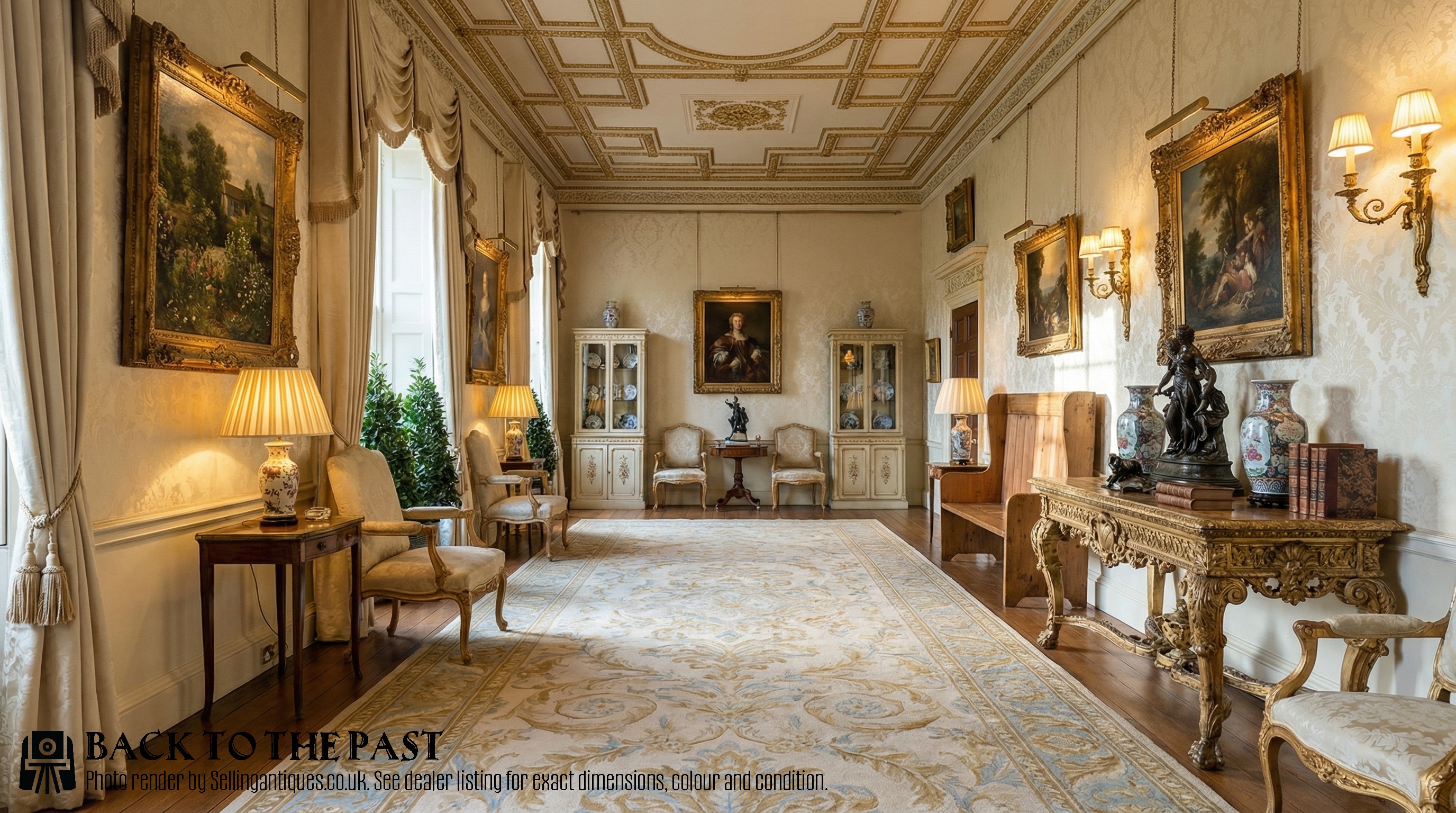
Church Pew Bench
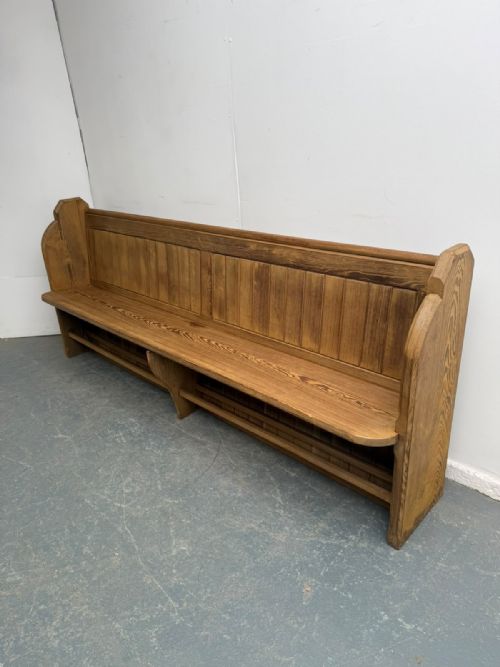
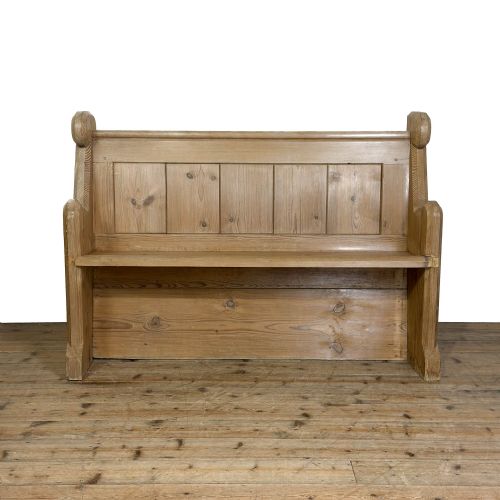
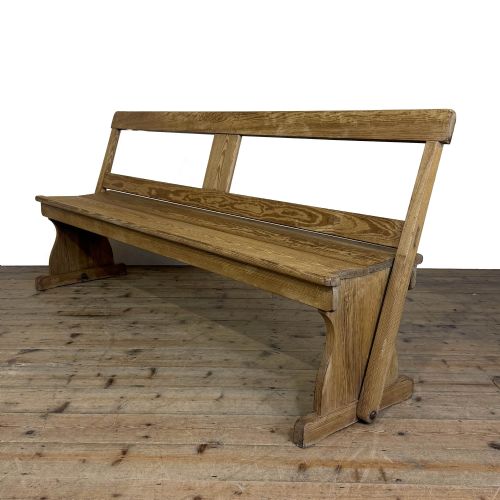
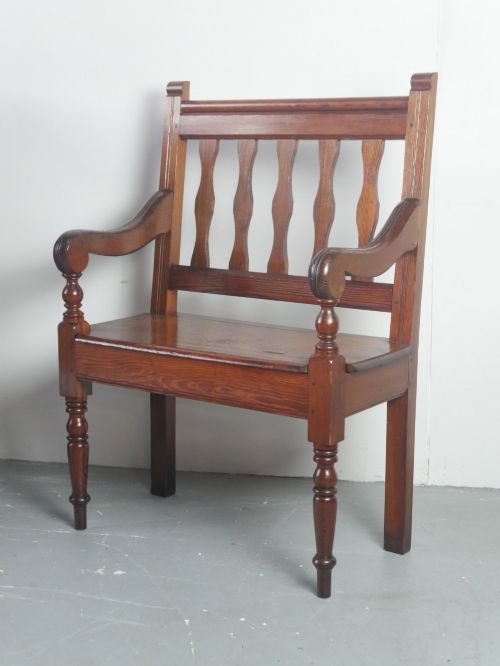
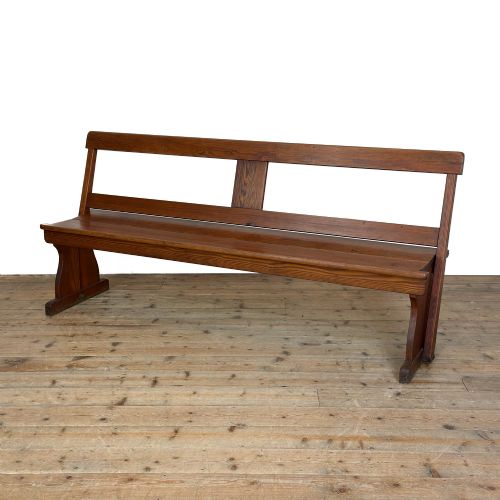
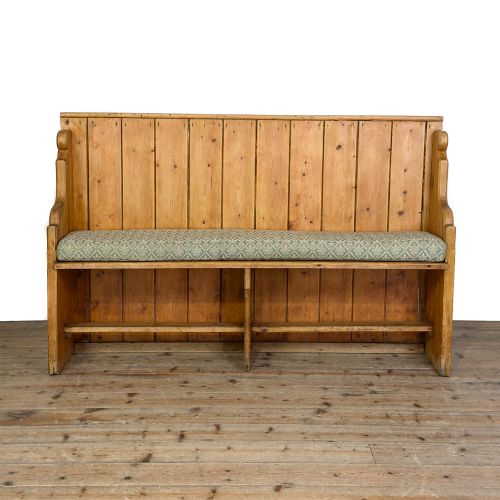
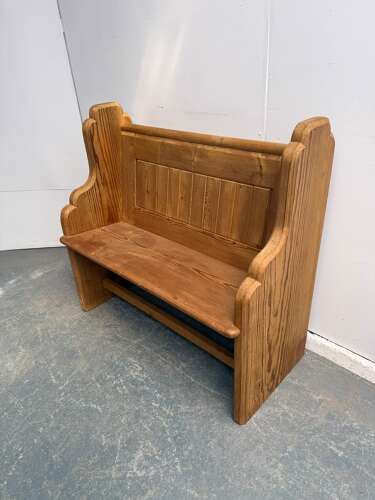
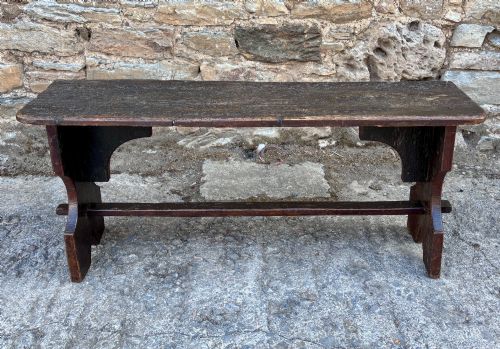
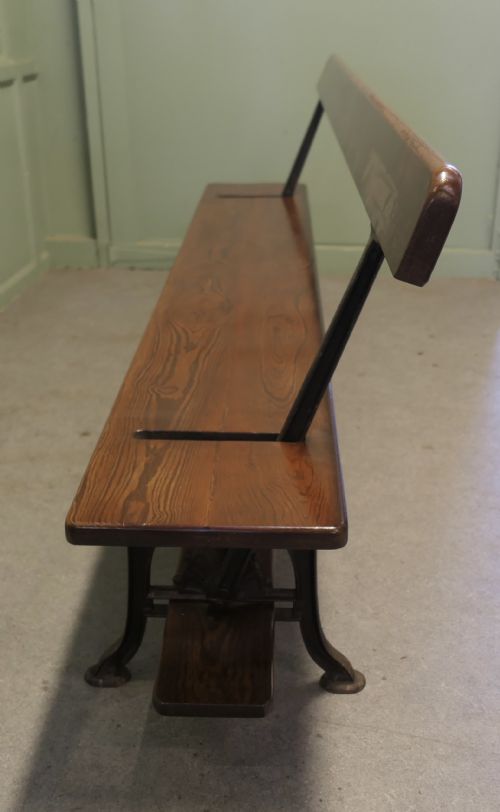
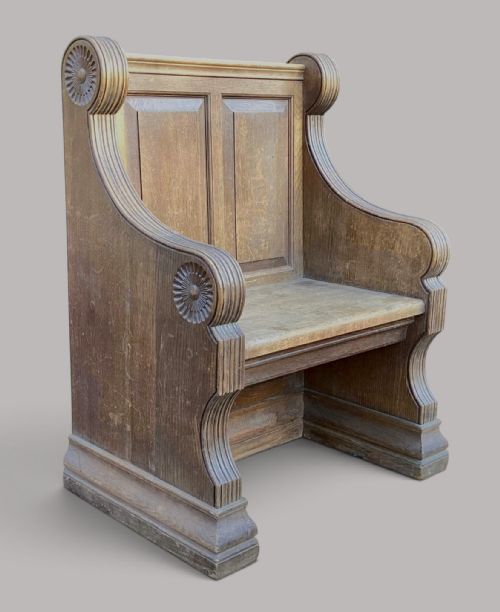
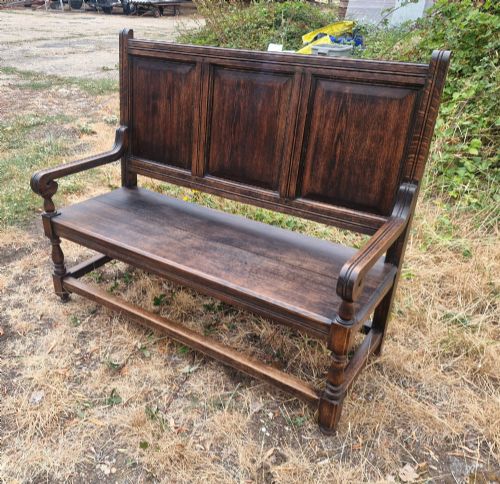
A church pew bench is a long, utilitarian seating form originally built for houses of worship, chapels and civic buildings. When searching for a church pew bench, buyers encounter linear wooden seating constructed to accommodate multiple occupants in rows, often featuring high backs and solid panelled ends. These pieces transition easily into domestic hallways, dining areas and kitchens as functional architectural seating.
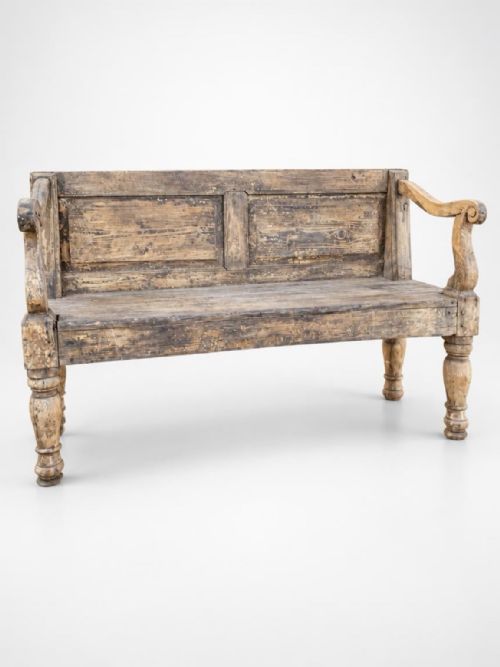
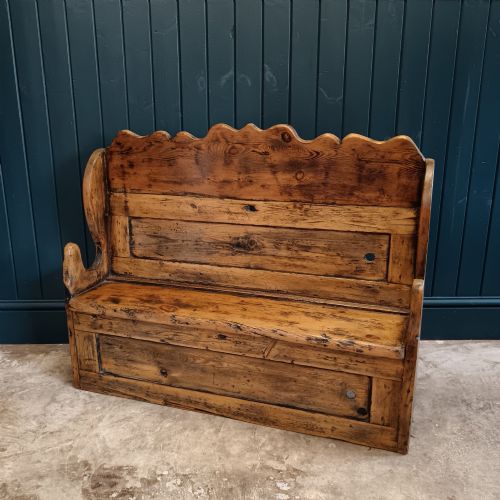
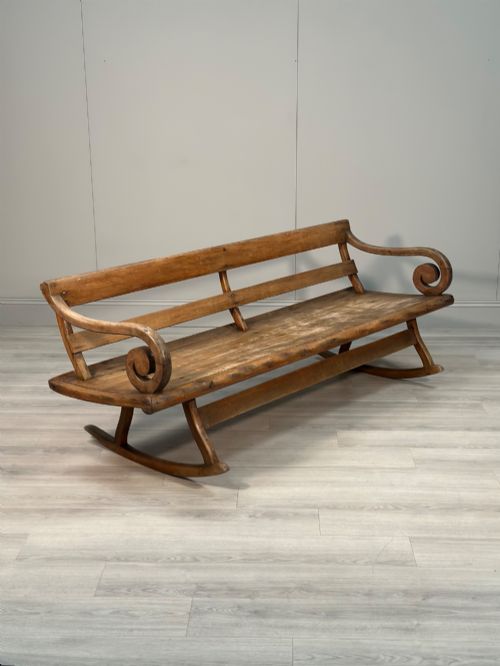
The majority of pieces met on this page date from the nineteenth century, including Victorian examples alongside earlier eighteenth-century variants and Edwardian interpretations. Forms range from straight chapel pews and curved Gothic designs to box settles with storage and flip-over mechanisms. Regional variations span English country workshops, Welsh examples and continental European origins.
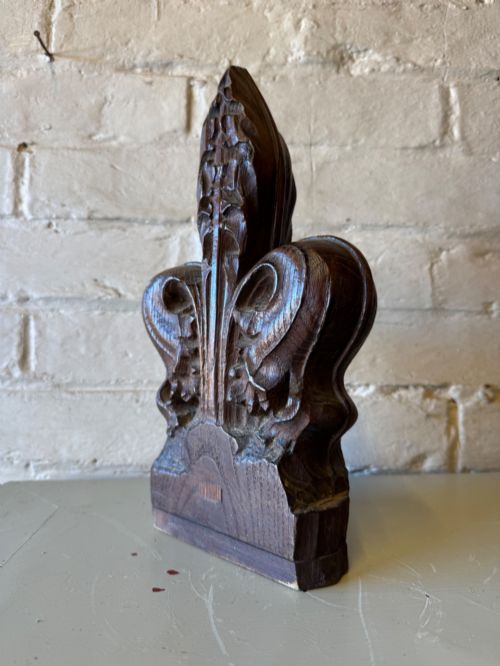
Associated forms include settles, hall benches and tavern seating that share the upright posture and heavy timber construction of ecclesiastical pews. Architectural salvage elements such as pew end rails also appear alongside organ benches and chapel seating. Each type retains a straightforward utility derived from its original institutional setting.
Materials and Construction
Carpenters constructed church pews and related benches primarily from sturdy domestic timbers including pine, pitch pine and oak, alongside occasional elm, chestnut and hardwood. Pitch pine provided a resinous, durable board suitable for heavy institutional use, while oak delivered dense stability for Gothic revival and architectural forms. Timber was selected for structural longevity rather than decorative figure.
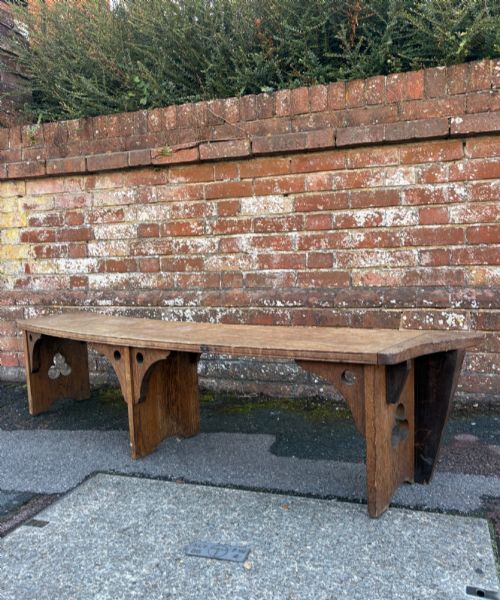
Joinery methods relied on solid plank construction, tongue and groove paneling, and frame-and-panel techniques to handle the rigours of daily congregational use. Surfaces received minimal intervention, remaining bare, waxed, or bearing original paint layers and patinated finishes developed through decades of handling. Carved details such as trefoil supports or Gothic tracery were applied to panel ends rather than structural members.
Church Pew Bench Retail Price Guide 2026
Typical asking prices for church pew bench among the pieces listed under this phrase on Sellingantiques today, from the lower quarter to the upper quarter. They describe what is for sale here now, not the wider market.
Listings feature pieces spanning the eighteenth to early twentieth centuries, constructed from pine, oak, elm, chestnut, and pitch pine.
Factors of Quality
Quality in a church pew bench lies in the integrity of the original timber and the restraint of any alterations. Pieces retaining their full, unaltered length and original surface patination stand apart from those drastically cut down to fit modern domestic interiors. The weight and selection of the wood, whether dense pitch pine or figured oak, dictate the structural presence of the bench.
The Church Pew Bench Glossary
- Settle
- A wooden bench with a high back, solid arms, and often a storage box beneath the seat. This form protected sitters from draughts in domestic interiors before central heating was common.
- Pitch Pine
- A hard, resinous pine variety native to North America and widely used in Victorian church interiors. It is easily identified by its prominent grain pattern and durable nature.
- Gothic Revival
- An architectural and design movement spanning the nineteenth century that revived medieval Gothic forms. Pieces in this style feature pointed arches, trefoils, and ecclesiastical motifs.
- Box Settle
- A seat featuring a hinged lid on the box base for storing household items. This dual-purpose design maximised space in traditional rooms.
- Architectural Salvage
- Building components and institutional furnishings rescued from structures undergoing demolition or remodelling. These items are repurposed for interior decoration and practical use.
Church Pew Bench: Frequently Asked Questions
How do I choose the right length?
Measure your available wall space carefully before selecting a bench, accounting for depth as well as overall length. Many church pews were built for large spaces and can be substantial in scale.
Shorter chapel pews and hall benches offer alternatives when space is restricted, providing the same architectural character in a more compact footprint.
Can I use these benches outdoors?
Most antique church pews and settles were constructed for indoor ecclesiastical or domestic use and lack weather-resistant treatments. Placing them outside exposes traditional joinery and softwood timbers to dampness and rot.
If utilised in a sheltered porch or boot room, apply appropriate protective finishes and keep them raised off damp ground.
How should I clean a waxed wooden bench?
Dust the timber regularly with a dry, soft cloth to prevent particulate accumulation in the grain and carved recesses. Periodically nourish waxed surfaces with a traditional beeswax polish to maintain the patina.
Avoid modern silicone sprays or harsh chemical cleaners that can strip historic finishes and damage the wood.