





Chinoiserie Black Lacquer Table
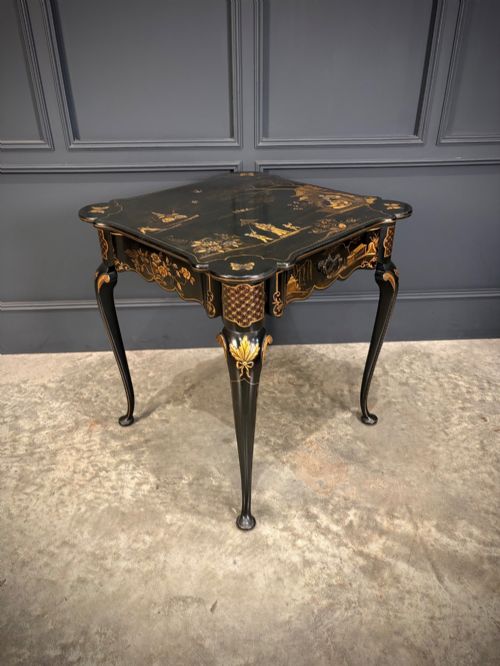
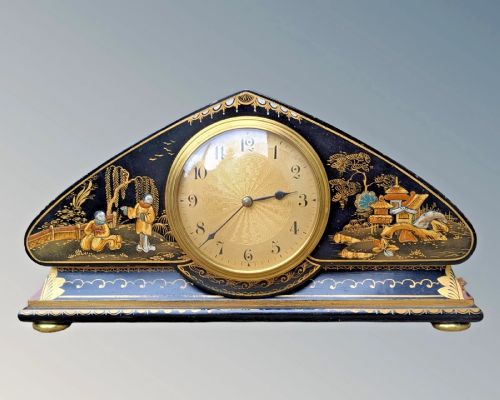
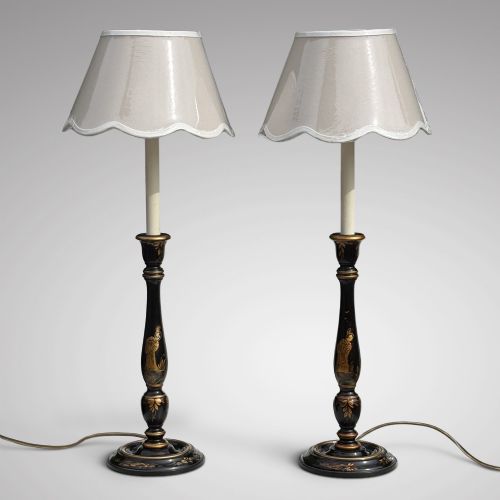
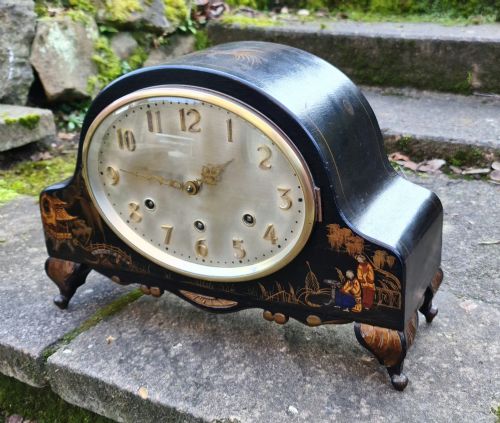
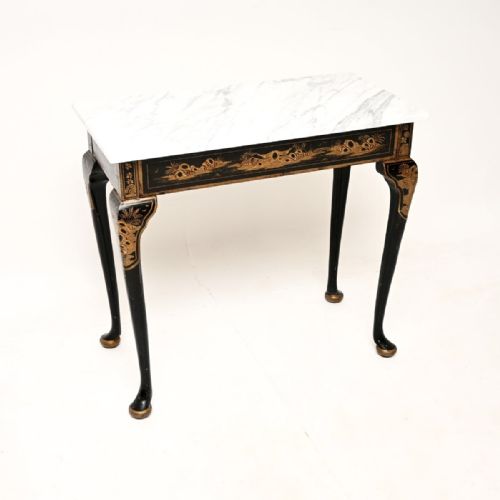
A chinoiserie black lacquer table brings hand-painted oriental scenes and deep dark finishes into a room.
Chinoiserie Black Lacquer Table
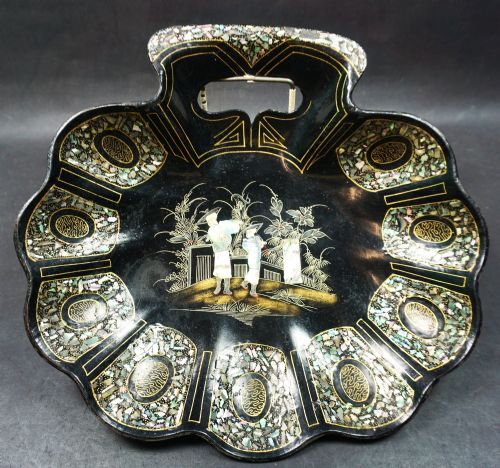
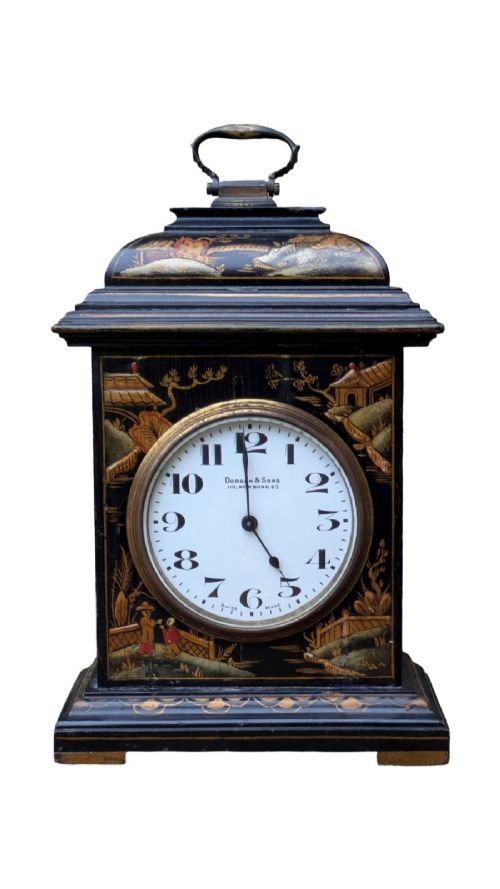
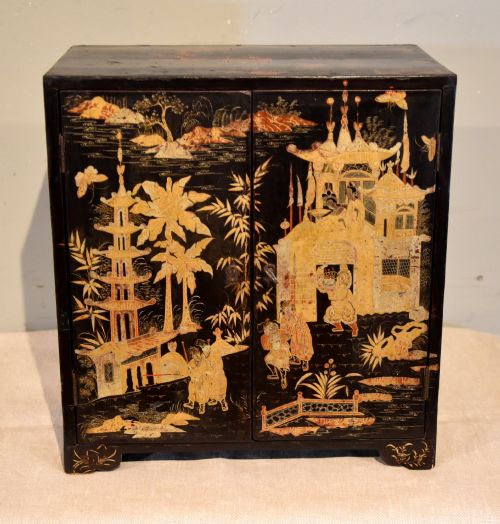
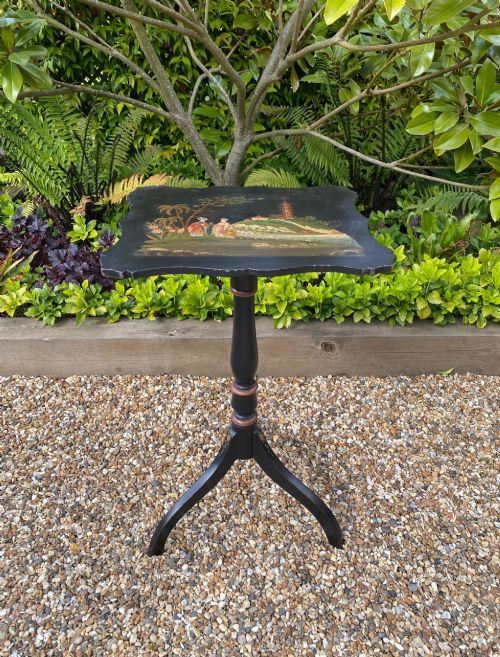
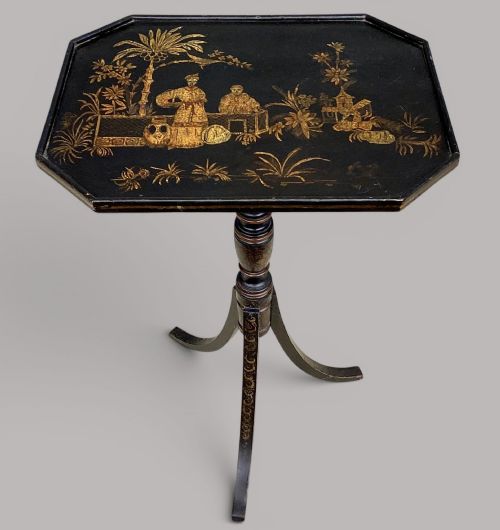
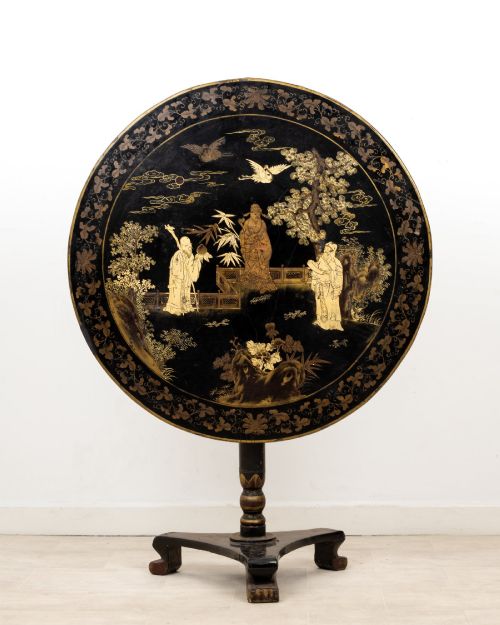
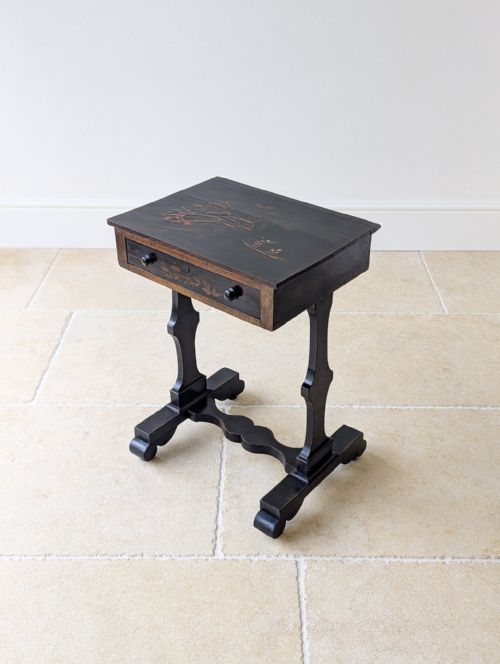
A chinoiserie black lacquer table encompasses a variety of forms including occasional tables, coffee tables, tray tables, and nests of tables spanning from the eighteenth century through the twentieth century. These pieces display painted scenes influenced by East Asian design traditions, adapted by English, French, and Chinese makers.
The version most commonly encountered on this page is the occasional or side table, often originating from the Victorian period, the Regency era, or the Edwardian years. They frequently feature tripod bases, tray tops, or drop leaves, combining functional surface space with decorative painted finishes.
How they were made
Construction relies on wood, papier-mâché, or brass frameworks finished with layers of dark lacquer and applied gold leaf or gilt paint. Makers built up these surfaces through repeated coating and polishing before applying detailed pictorial decoration by hand.
The decorative schemes utilise contrasting pigments, gold, and brass mounts, creating a durable yet ornate surface. Japanning techniques were frequently employed by European workshops to emulate imported Chinese export lacquer work.
Chinoiserie Black Lacquer Table Retail Price Guide 2026
Typical asking prices for chinoiserie black lacquer table among the pieces listed under this phrase on Sellingantiques today, from the lower quarter to the upper quarter. They describe what is for sale here now, not the wider market.
Materials recorded across the inventory include lacquered wood, papier-mâché, brass, bamboo, and fabric.
What varies in quality
Quality rests in the precision of the hand-painted details and the depth of the lacquer finish. Pieces with finely rendered figures, landscapes, and floral motifs display greater artistic skill than those with repetitive or flat stencilling.
The integrity of the underlying structure, whether wood, papier-mâché, or bamboo, determines the stability of the piece. Superior examples maintain intact gilding and minimal craquelure across the lacquered surfaces.
Mallets·Elliott London·Maison Bagues
The Chinoiserie Black Lacquer Table Glossary
- Chinoiserie
- European artistic style reflecting Chinese motifs and decorative techniques. It gained popularity during the seventeenth century and saw revivals in the Regency and Edwardian periods.
- Japanning
- European imitation of East Asian lacquer work. Artisans applied layers of varnish and heat-cured the finish before decorating the surface.
- Papier-mache
- Composite material made from paper pulp or layers of paper bound with glue. It was moulded and lacquered to create lightweight trays and table tops.
- Tripod table
- Table supported by a central pillar resting on three legs. This form is common in nineteenth-century occasional and tilt-top tables.
- Export lacquer
- Lacquered items produced in China specifically for the Western market. These goods combined traditional techniques with European furniture forms.
Chinoiserie Black Lacquer Table: Frequently Asked Questions
How do I clean a lacquer table?
Dust the surface regularly with a soft, dry cloth. Avoid chemical polishes and water, which can damage the delicate lacquer finish.
Keep the table away from direct sunlight and heat sources to prevent the lacquer from cracking or fading over time.
Are these tables sturdy enough for daily use?
Many occasional and coffee tables are built for regular placement of light items such as books or lamps. Heavier use requires careful consideration of the structural material.
Papier-mâché and antique timber frames benefit from gentle handling and protective coasters to preserve their painted surfaces.
How can I tell the period of a lacquer table?
Examine the construction methods, screw types, and wood ageing beneath the lacquer layers. Regency and Victorian examples often show distinct joinery and hardware differences compared to Edwardian pieces.
Stylistic shifts in the painted scenes also help indicate the era, moving from eighteenth-century Chinese export motifs to later Victorian and Edwardian interpretations.
What is the difference between japanning and true lacquer?
True lacquer uses natural sap from the lacquer tree native to East Asia, applied in numerous thin coats. Japanning is a European technique using resin-based varnishes to simulate the hard gloss finish.
European workshops developed japanning to meet the high demand for Asian-style goods using locally available materials and methods.