
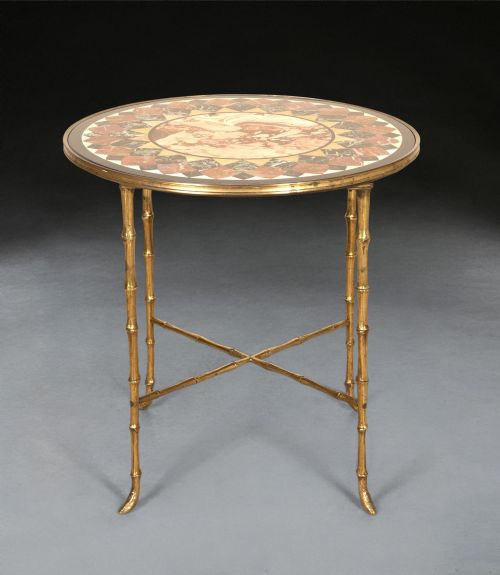
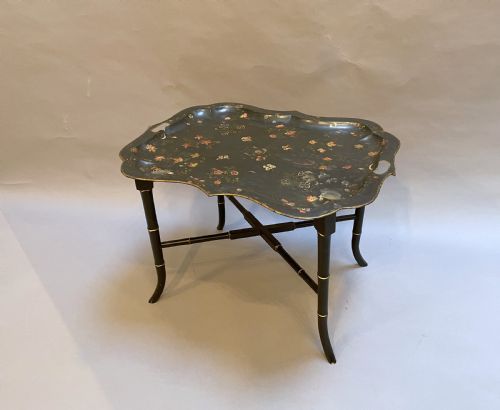


Gilt Metal Side Table
These gilt metal side table options bring period polish to a room, combining solid mounts with marble and fine wood.
Gilt Metal Side Table
A gilt metal side table brings together durable metal frames and decorative stone or wood tops across various forms. When searching for a gilt metal side table, buyers encounter nineteenth-century occasional pieces alongside early twentieth-century designs influenced by French styles.
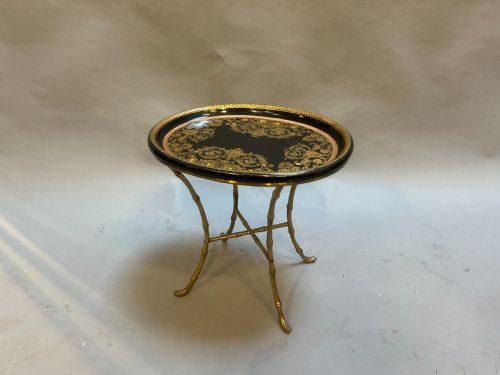
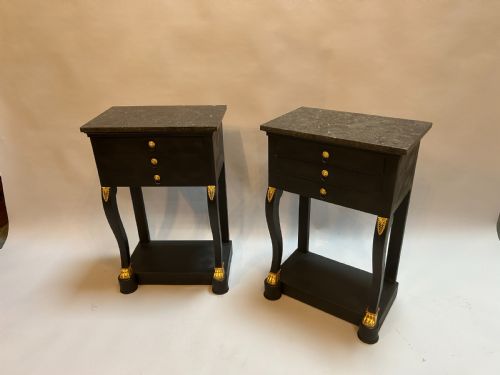
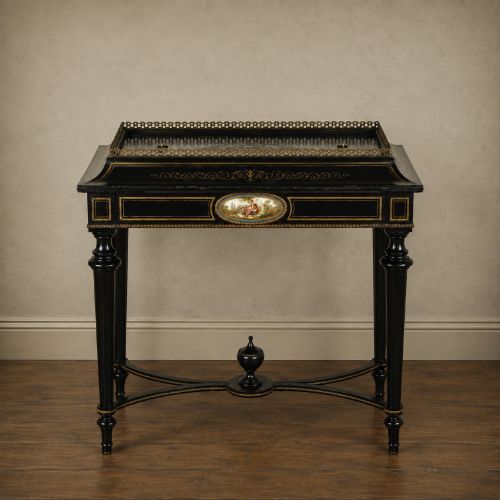
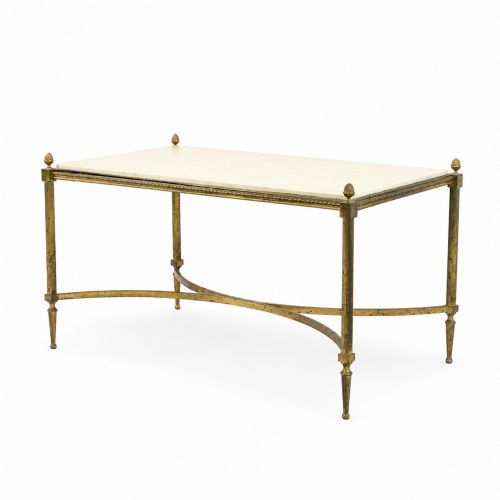
The selection here includes small lamp tables, coffee tables, and bedside cabinets featuring gilded mounts. Many examples incorporate marble inserts or marquetry alongside the primary metal structure.
Origins trace largely to French and Italian workshops spanning the Victorian era through the early nineteen-forties. These pieces served practical functions in drawing rooms and bedrooms while displaying distinct regional design traits.
Materials and construction methods
Construction relies heavily on gilt metal, brass, or ormolu paired with solid woods like ebonised timber, kingwood, or walnut. Makers integrated cast metal mounts onto wooden frames using traditional joinery and brass fixings.
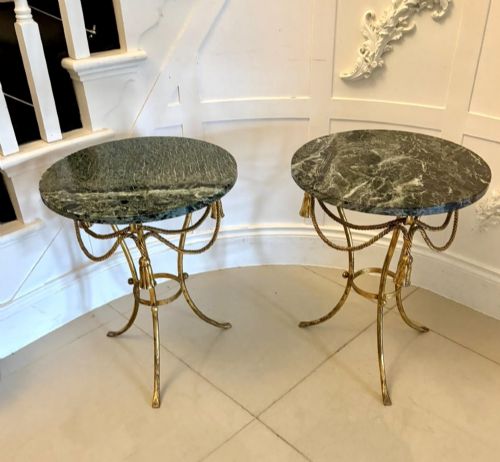
Tops frequently utilise slabs of verde or specimen marble, onyx, and detailed marquetry or parquetry inlays. Gilt finishes were applied to bronze and other base metals through mercury gilding or modern electroplating techniques.
Decorative elements include hand-painted porcelain plaques, toleware, and cast bronze details shaped into floral or classical motifs. Structural integrity depends on the precision of the metal mounts securing the marble or wooden surfaces.
A surprise dolphin motif occasionally supports a coffee table, proving that nineteenth-century designers took their marine life very seriously.
Judging the quality of manufacture
Quality reveals itself in the crispness of the metal casting and the depth of the chasing on ormolu mounts. Superior pieces display sharp relief work rather than soft, mass-produced edges.
The selection of secondary materials distinguishes finer examples, particularly the thickness and figuring of the marble tops and the precision of the marquetry wood veneers. Heavier, solid brass or bronze frames indicate higher grade production compared to lighter alloys.
Integration between the metal framework and the stone or wood body shows the maker's skill. Tighter joints and secure mount fixings separate workshop pieces from standard commercial furniture.
Mappin and Webb·E Rousseau
The Gilt Metal Side Table Glossary
- Ormolu
- Gilded bronze used widely for decorative mounts on nineteenth-century furniture. The technique involves applying a gold amalgam to a bronze base before heating.
- Guéridon
- A small round table supported by one or more columns, originating in seventeenth-century France. These often feature marble tops and gilt metal galleries.
- Marquetry
- Decorative veneer work arranged in geometric or pictorial patterns using various coloured woods. This technique frequently decorates the aprons and tops of side tables.
- Verde marble
- A dark green decorative stone containing white calcite veins, popular in nineteenth-century Italian and French table tops. It provides a heavy, cool surface.
- Toleware
- Painted and lacquered metalware produced in imitation of Asian lacquerwork. It appears on specific table tops and decorative accessories from the period.
Gilt Metal Side Table: Frequently Asked Questions
How do I date a gilt metal side table?
Dating relies on combining the style of the metal mounts with the construction methods visible underneath. Nineteenth-century pieces typically feature hand-chased ormolu and heavier timber carcases.
Twentieth-century examples often adopt cleaner lines associated with Art Deco or Hollywood Regency design. Examining the screws, fixings, and underside finishing helps confirm the manufacturing era.
Are marble tops original to these tables?
Original marble tops fit snugly within the metal or wood frame without excessive gaps around the perimeter. The underside of the stone should show appropriate age, weathering, and matching wear to the rest of the piece.
Replacements are sometimes fitted if the original stone cracked over time. Close inspection of the seating rebate reveals whether the marble has been changed.
How should I clean a gilt metal surface?
Dust gilt metal gently with a soft, dry microfibre cloth to remove surface particles. Avoid using harsh chemical cleaners, abrasive polishes, or commercial metal dips that can strip the delicate gold layer.
For stubborn grime, use a slightly damp cloth with mild soap, drying the metal immediately afterwards. Protecting the surface from moisture prevents oxidation of the base metal beneath the gilding.
Where were side tables used historically?
These tables served multiple functions in drawing rooms, bedrooms, and boudoirs as bedside chests, lamp bases, or occasional stands. Their compact size allowed them to sit beside seating arrangements or against walls.
Many designs included shelves or trays for holding books, sewing implements, or writing materials. Their decorative gilt mounts ensured they functioned as ornamental showpieces as well as practical furniture.