


Ceramic Statuette Ornament
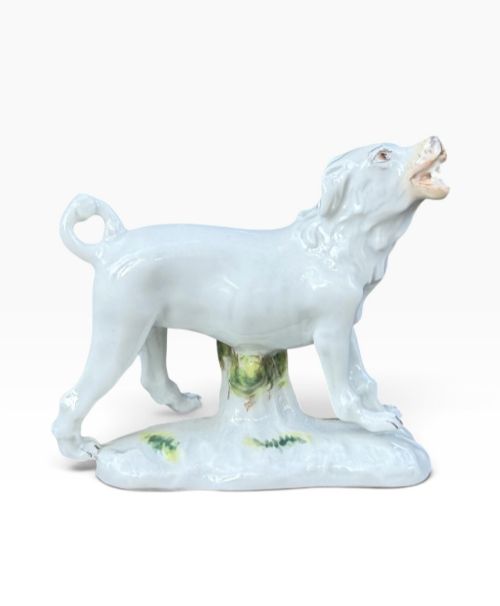
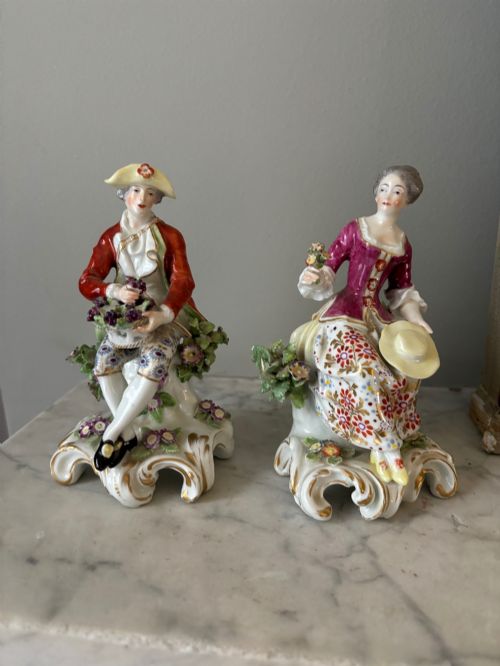
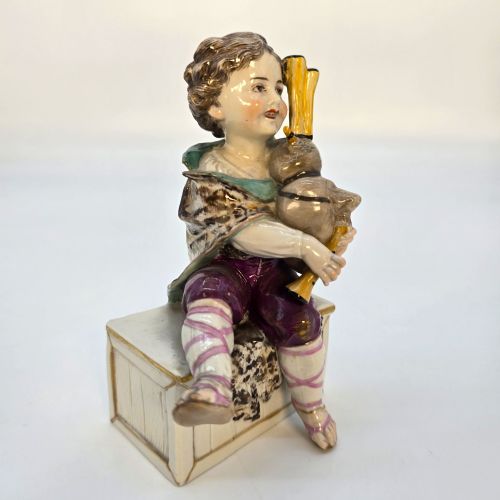
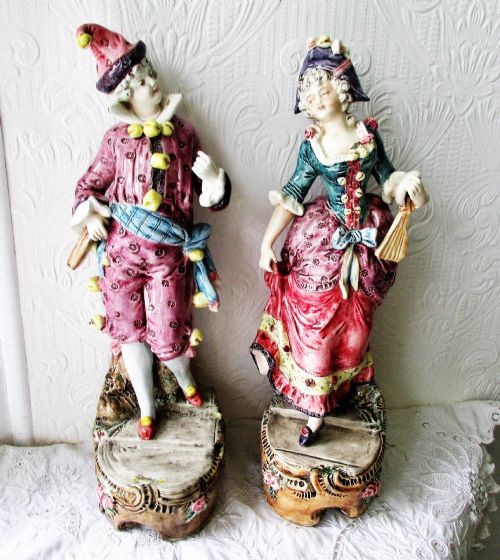
These ceramic statuette ornament pieces span centuries of moulded clay and porcelain, offering characterful animal figures and classical subjects for display.
Ceramic Statuette Ornament
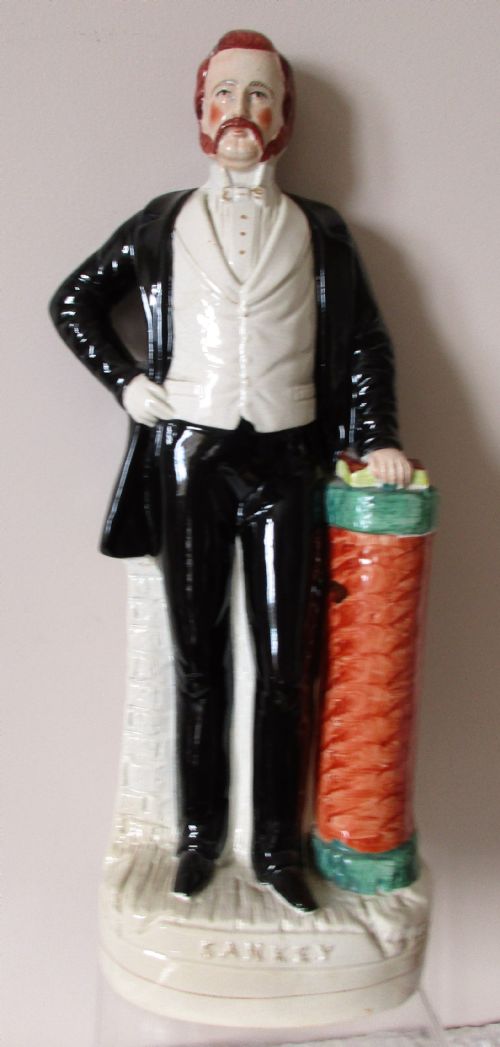
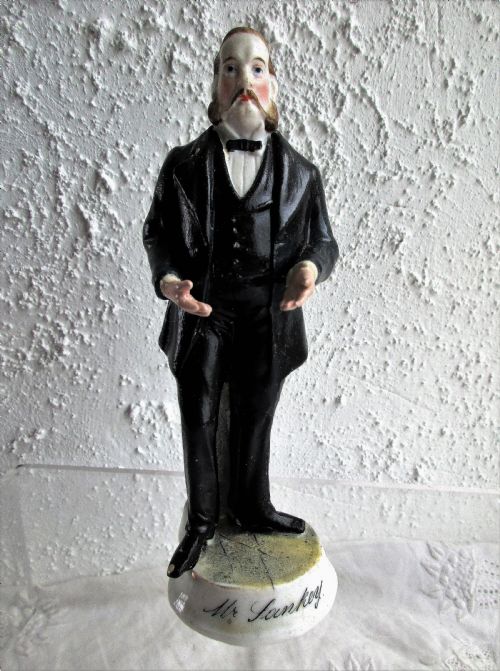
When you search for a ceramic statuette ornament, you encounter figurative works spanning from the eighteenth century through to the art deco era. The selection ranges from eighteenth-century porcelain figures produced by factories such as Meissen, Bow, and Derby to nineteenth-century Staffordshire earthenware and Victorian portrait figures.
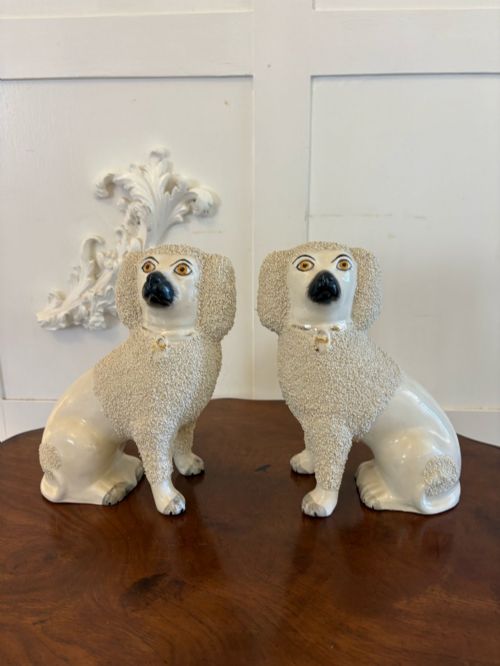
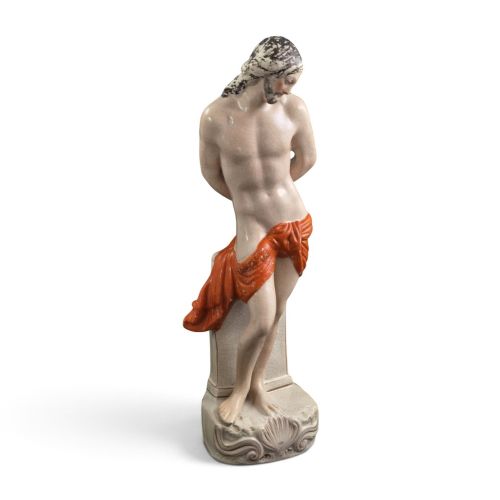
The most common examples on this page are nineteenth-century Staffordshire pottery figures, including poodles, gardeners, and historical subjects, alongside twentieth-century English porcelain pieces. Continental porcelain and earthenware from German and French factories also appear frequently among the listings.
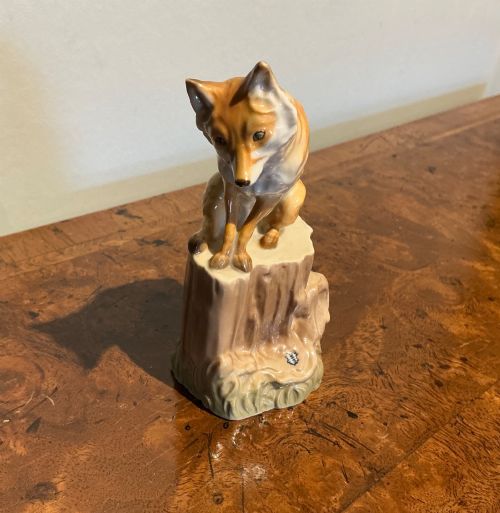
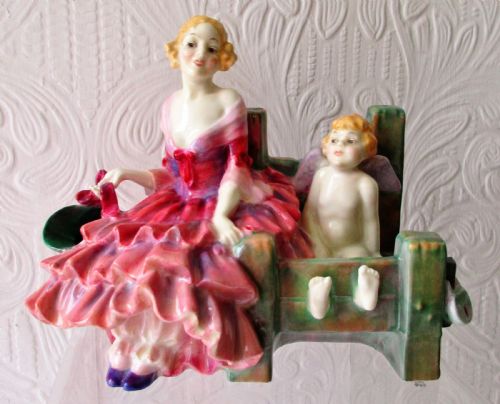
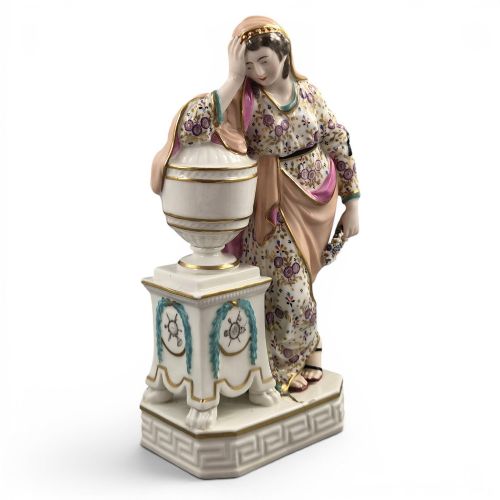
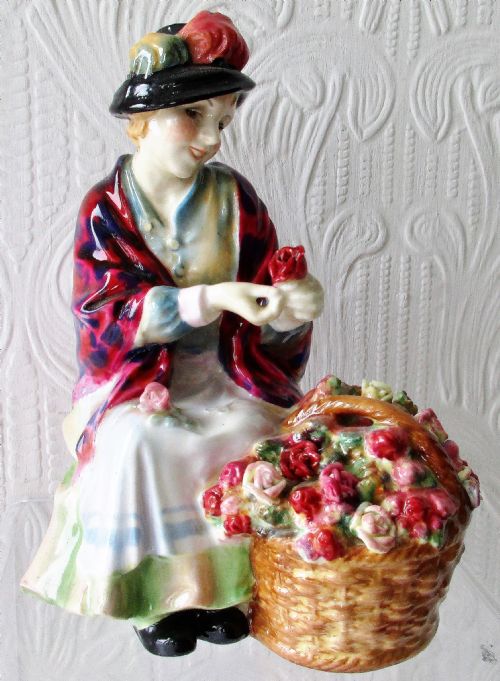
Pieces take various forms, from single portrait models and animal studies to allegorical groups representing seasons or elements. These objects functioned primarily as decorative items for mantlepieces and display cabinets in period interiors.
Materials and production methods
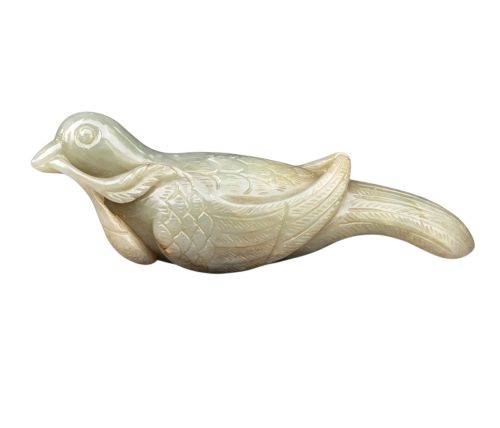
Makers shaped these ceramic statuette ornament items using soft-paste porcelain, hard-paste porcelain, and earthenware bodies moulded by hand or cast in ceramic moulds. Surface decoration relied upon underglaze and overglaze enamel colours, frequently enriched with gilding, gold leaf, or specific glaze treatments such as celadon.
Factories applied painted details by hand over fired glazes, sometimes incorporating glass eyes or metal additions depending on the period and style. Eighteenth-century models often utilised soft-paste bodies with delicate polychrome palettes, whereas later Victorian earthenwares employed robust lead or salt glazes with bolder pigments.
Listings feature ceramic figures spanning the 18th, 19th, and 20th centuries, executed in porcelain, earthenware, and soft-paste porcelain.
Assessing quality in ceramic figures
The reputation of the manufactory and the clarity of factory marks, such as anchor or crossed swords emblems, influence the standing of a piece. Earlier eighteenth-century figures from established kilns demonstrate higher sculptural ambition, while later productions vary according to the skill of the individual factory painters.
Meissen·Royal Doulton·Royal Worcester·Volkstedt Rudolstadt Factory·Nymphenburg
The Ceramic Statuette Ornament Glossary
- Soft-paste porcelain
- A glassy ceramic composite fired at lower temperatures than hard-paste porcelain, common in eighteenth-century English factories like Bow and Chelsea. It presents a warm, creamy body beneath the glaze.
- Earthenware
- A porous pottery body fired at relatively low temperatures and rendered impermeable by a vitreous glaze, widely utilised for Staffordshire figures. This material allows for thick, durable modelling.
- Gilt
- A thin layer of gold applied to the surface of porcelain or pottery for decorative emphasis on clothing, bases, or borders. It is frequently found on Victorian and Georgian display pieces.
- Flatback
- A figure moulded with a finished front and a flat, unpainted or minimally glazed rear designed for placement against a wall or mantlepiece. This construction method is typical of nineteenth-century Staffordshire earthenware.
Ceramic Statuette Ornament: Frequently Asked Questions
What are Staffordshire flatback figures?
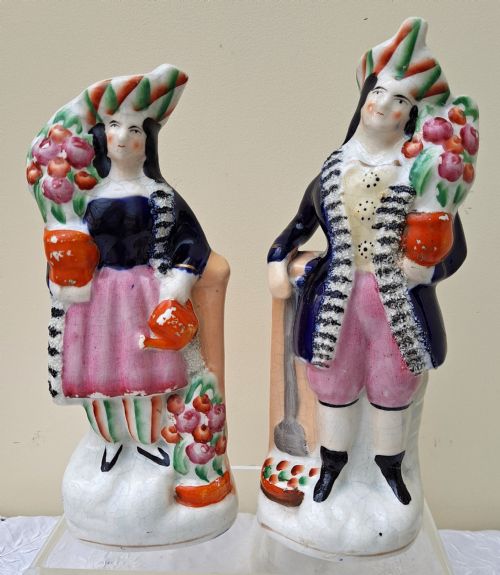
Staffordshire flatback figures are nineteenth-century earthenware ornaments moulded with detailed fronts and flat backs. Makers designed them specifically to sit flush against walls on mantlepieces.
These pieces often depicted contemporary events, portrait subjects, or domestic animals like poodles and whippets. They provided accessible decoration for Victorian homes.
How do I identify eighteenth-century porcelain?
Eighteenth-century porcelain figures display the softer glaze characteristics and hand-modelled details typical of early European kilns. They often feature underglaze factory marks on the unglazed base.
Examining the weight, translucency, and pigment application helps distinguish these early works from later nineteenth-century revival pieces.
Where were these ceramic figures displayed?
Owners placed ceramic statuettes on mantlepieces, side tables, and within glass-fronted cabinets in period reception rooms. They served as conversation pieces and visual markers of taste.
Pairs of figures were often arranged symmetrically on either side of a clock or urn on a fireplace mantel.
How do I care for antique porcelain?
Antique porcelain and earthenware require gentle dusting with a soft, dry brush to prevent accumulation on delicate projections. Avoid using water or chemical cleaners on painted or gilded surfaces.
Displaying pieces away from direct sunlight and vibrations protects both the ceramic body and the historical enamel decorations.