



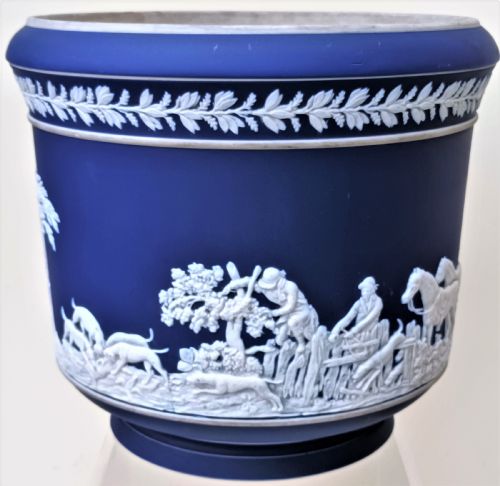
Ceramic Planter Pot
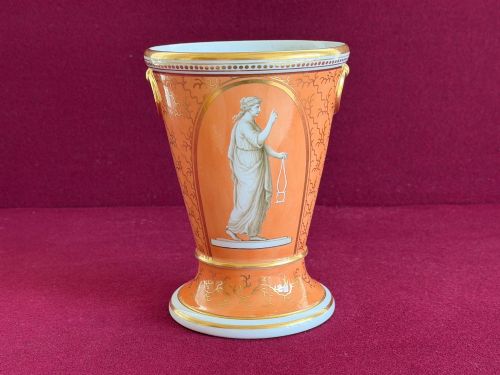
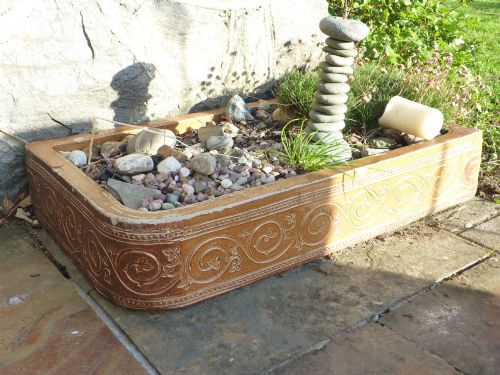
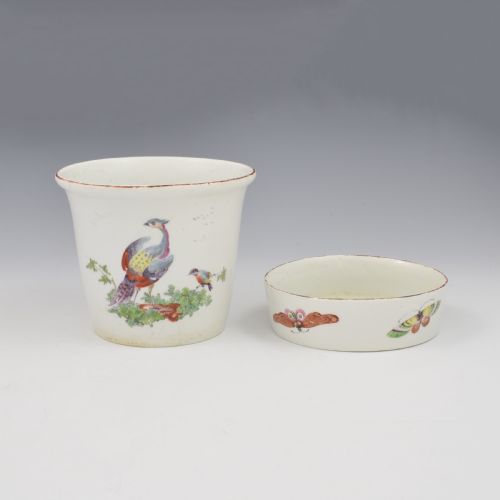
These ceramic planter pot selections include nineteenth century majolica, Georgian porcelain, and salt glazed troughs made for holding plants.
Ceramic Planter Pot
A ceramic planter pot serves to house indoor flora and garden greenery across various historical periods. Buyers searching for a ceramic planter pot encounter terms like jardiniere, cachepot, and bough pot in forms spanning centuries. English factories and continental kilns shaped these vessels for practical growth and decorative display.
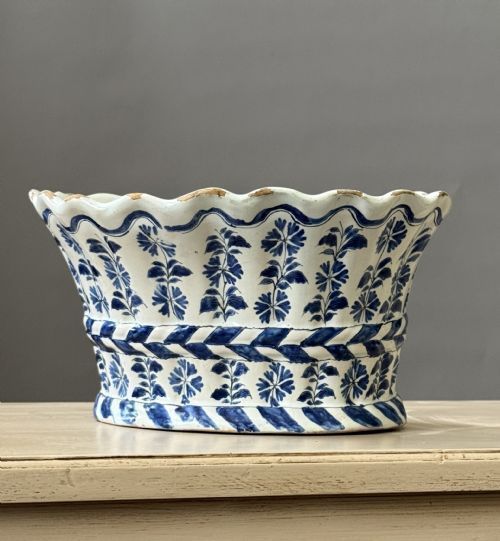
The selections on this page feature nineteenth century English stoneware alongside eighteenth century delftware and porcelain pieces. Examples range from heavy terracotta olive jars to delicate Worcester porcelain items. Domestic plant holders appear alongside large garden urns and specialised strawberry planters.
Vessels divide into standing jardinieres, window troughs, and smaller pots designed with matching drip trays. Makers across Japan, China, and Europe contributed distinct stylistic traditions to these forms. The inventory covers utilitarian crocks alongside fine porcelain decorated with hand-painted scenes.
How they were made
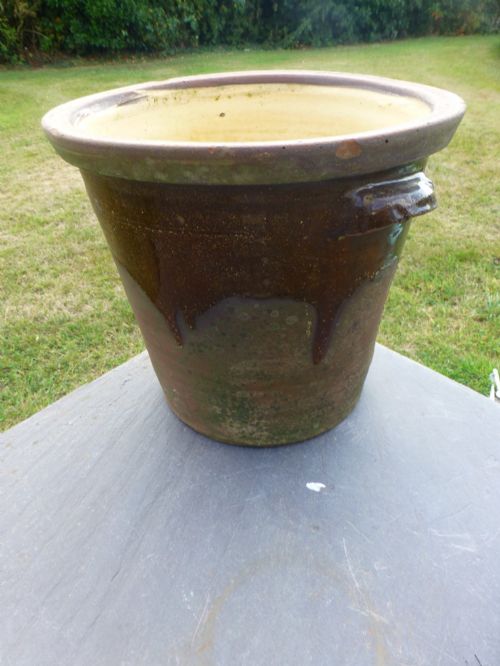
Potters shaped these objects from terracotta, earthenware, porcelain, and stoneware using wheel-throwing or moulding techniques. Glazes applied to the surfaces include salt glaze, majolica enamel, and green lead variants. Firing temperatures determined the porosity of the clay body and the durability of the finished pot.
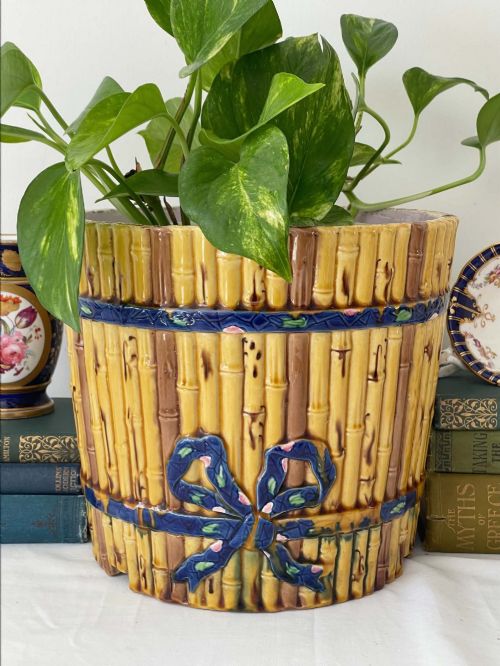
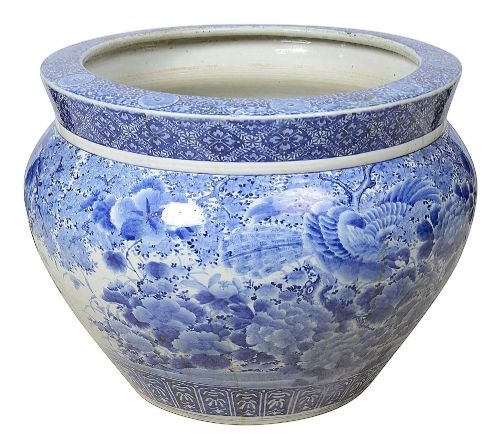
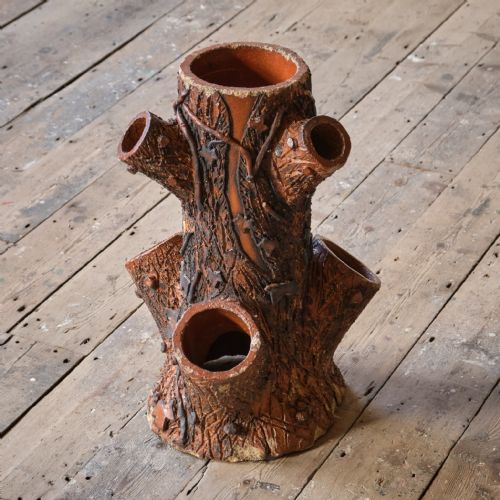
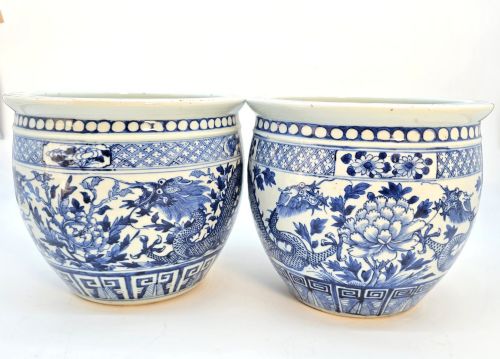
Decoration involved hand-painted blue and white pigments, relief moulding such as faux bois bark textures, and applied gold leaf details. Chinese export pieces utilised intricate famille rose enamels and four character seal marks. English workshops employed transfer printing and jasper ware relief work on stoneware bodies.
Strawberry plants found luxurious homes in nineteenth century faux bois ceramic troughs designed to keep crawling fruit away from garden dirt.
What varies in quality
Execution of painted detail and crispness of moulded relief separate standard utility vessels from fine studio and factory pieces. The depth and evenness of coloured glazes, such as majolica and salt glaze, indicate the skill of the kiln firing. Delicately potted porcelain requires precise control during high temperature reduction.
Intact original stands, matching drip trays, and well-preserved gilt or enamel decoration elevate the standing of a vessel. The clarity of maker marks or reign seals provides provenance that distinguishes mass production from superior workshop output.
Flight and Barr·Minton·Doulton Lambeth·Royal Doulton·Burmantofts
The Ceramic Planter Pot Glossary
- Jardiniere
- A large ornamental pot or stand designed to hold a plant or floral arrangement. These vessels often sit on the floor or on dedicated pedestals.
- Cachepot
- An ornamental pot used to conceal an ordinary flowerpot. It lacks drainage holes, requiring a saucer or liner inside.
- Majolica
- A type of earthenware covered with an opaque tin glaze and painted with bright colours. This technique gained immense popularity during the Victorian era.
- Delft
- Tin-glazed earthenware originating from the Netherlands, traditionally finished in blue and white. Early examples often imitate imported Chinese porcelain styles.
- Stoneware
- A robust ceramic fired at high temperatures until vitrified and rendered impermeable to water. It resists frost better than ordinary earthenware.
- Faux bois
- A decorative technique mimicking the texture and appearance of natural wood grain. Potters applied this style frequently to nineteenth century garden planters.
Ceramic Planter Pot: Frequently Asked Questions
What is a jardiniere?
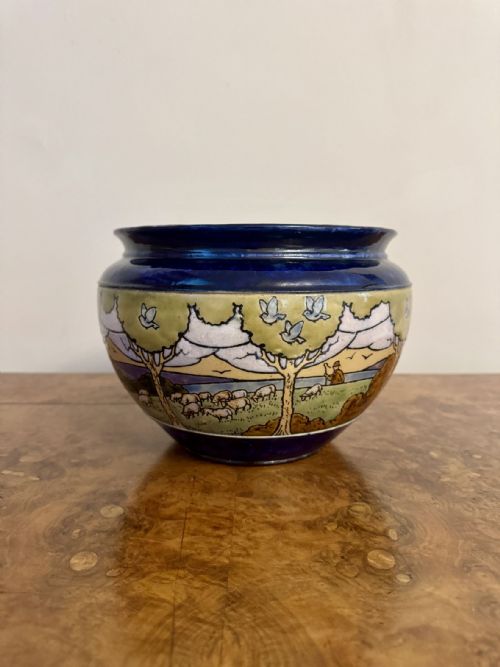
A jardiniere is an ornamental container designed to hold potted plants inside a home or conservatory. They differ from standard flowerpots by featuring decorative glazes, moulded patterns, or painted scenes intended for display.
Historically, these vessels stood on floors, tables, or matching pedestals to elevate greenery. They served as prominent interior decoration during the Georgian and Victorian periods.
How do I identify a Victorian majolica planter?
Victorian majolica planters feature colourful lead glazes applied over moulded earthenware bodies with low relief botanical or animal motifs. Common themes include bamboo stalks, leaves, and rustic textures.
Many pieces carry registry date marks or factory stamps from English potteries on the unglazed base. The vibrant, pooling coloured enamels create a glossy, highly decorative surface finish.
What distinguishes a cachepot from a planter?
A cachepot translates from French as a pot hider and functions primarily to conceal a plain growing pot without soil touching its inner walls. True cachepots generally lack drainage holes at the base.
Planters often incorporate drainage apertures and require matching saucers or drip trays to catch excess water. Cachepots protect fine furniture surfaces by keeping moisture entirely contained within the decorative outer shell.