


Relief Moulded Ceramics
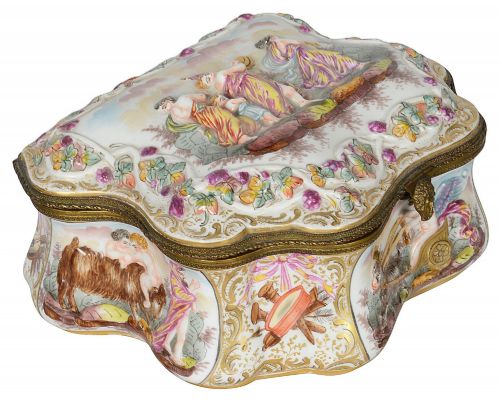
Relief moulded ceramics bring sculptural depth to everyday vessels, offering tactile motifs that range from classical bacchanalian scenes to rustic wheat patterns.
Relief Moulded Ceramics
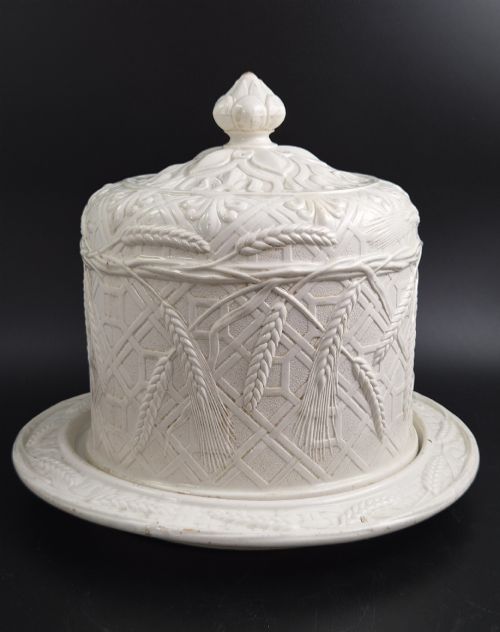
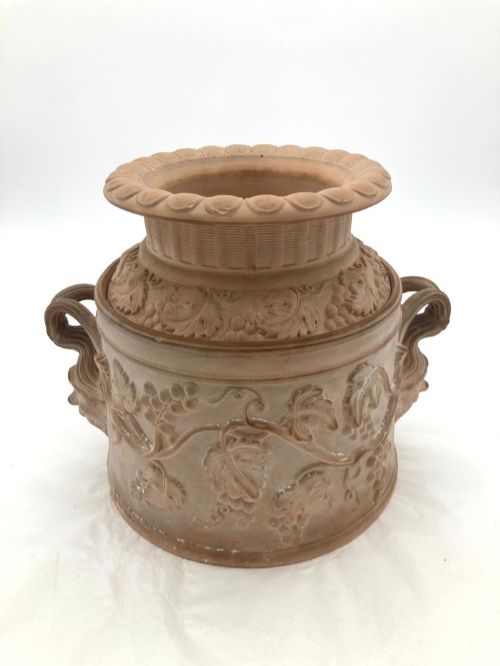
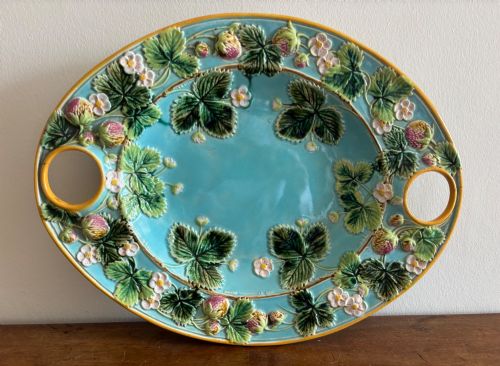
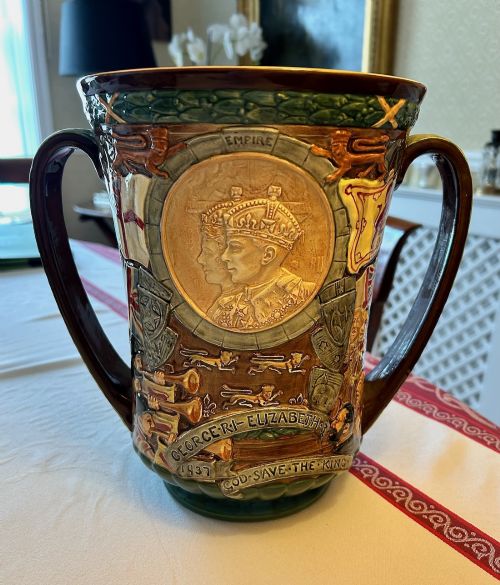
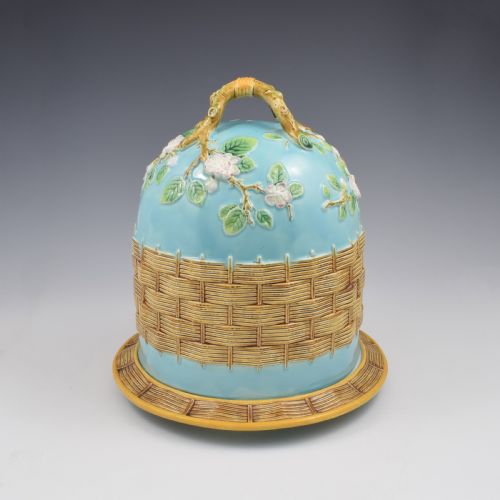
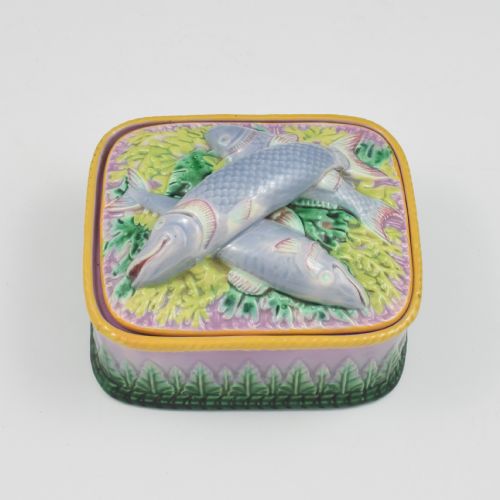
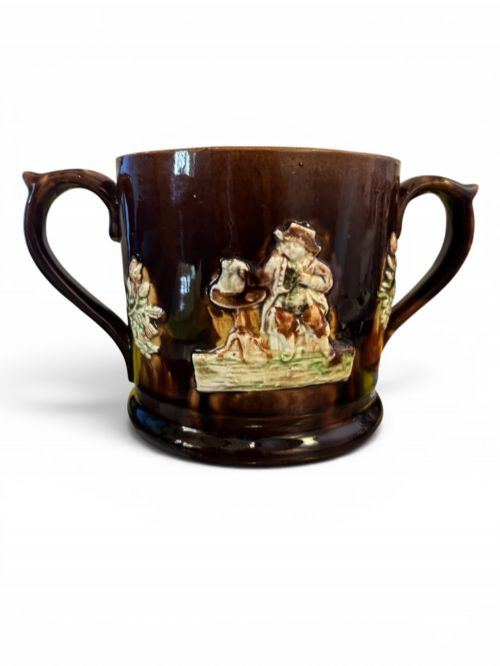
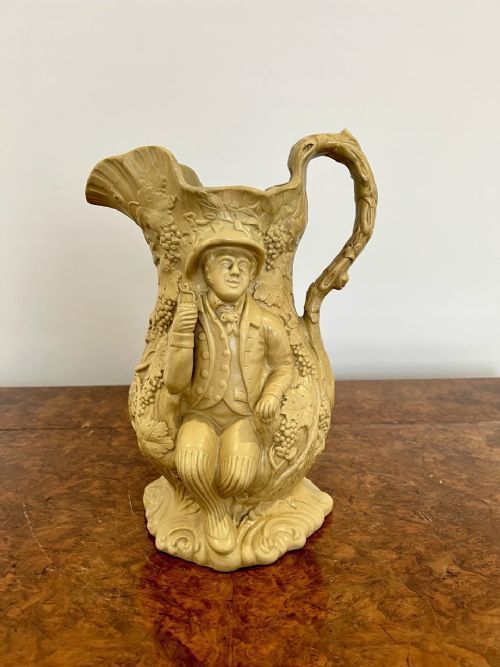
When you search for relief moulded ceramics, you encounter pieces where decorative motifs stand proud of the body rather than sitting flat beneath the glaze. These items span utilitarian and decorative forms, including large jugs, cheese domes, jardinieres, and commemorative mugs.
The selections on this page lean heavily towards the nineteenth century, encompassing Georgian, Victorian, and Edwardian periods. You will frequently meet utilitarian wares shaped by prominent nineteenth-century potteries alongside decorative majolica and ironstone.
How they were made
Potters achieved the raised designs by pressing clay into intaglio-carved metal or plaster moulds before firing. This technique allowed workshops to produce complex figurative scenes, classical figures, and botanical motifs with consistent precision across multiple vessels.
The pieces utilise a variety of foundational bodies such as earthenware, stoneware, terracotta, and porcelain. Glazes range from colourful lead and majolica applications to uniform white ironstone and rich buff-coloured stoneware finishes.
The listings show a strong representation of nineteenth-century earthenware and stoneware, spanning utilitarian jugs and decorative majolica planters.
What varies in quality
Quality rests primarily in the crispness of the moulding and the depth of the modelled detail. Superior examples retain sharp definition in intricate scenes like bacchanalian dances, whereas lesser pieces exhibit softened edges where the impression has worn thin in the mould.
The handling of colour and glaze application also marks the difference across the range. Finer ceramics display controlled, vibrant majolica enamel work or smooth, even salt-glazed finishes that enhance rather than obscure the underlying relief work.
George Jones·Charles Meigh·Enoch Wood And Sons·Minton·Wedgwood·Sherwin And Cotton·Copeland Spode·Davenport·Phillips And Bagster·Jones And Walley·Royal Doulton·Royal Worcester·Bretby·Ridgway And Sons
The Relief Moulded Ceramics Glossary
- Relief moulded
- A ceramic manufacturing method where patterns are pressed into the clay to stand out in three dimensions. This technique defined much of the utilitarian and decorative production of the nineteenth century.
- Majolica
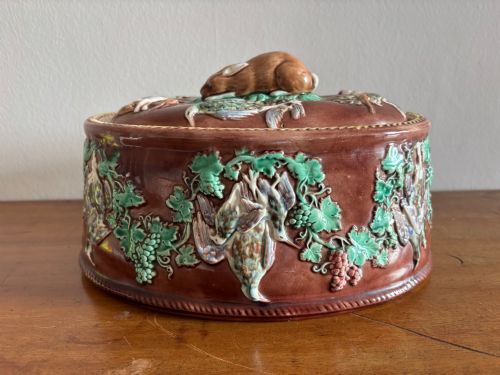
- A colourful lead-glazed earthenware popular during the Victorian era. It is known for rich, flowing hues that settle into the recesses of modelled surfaces.
- Pearlware
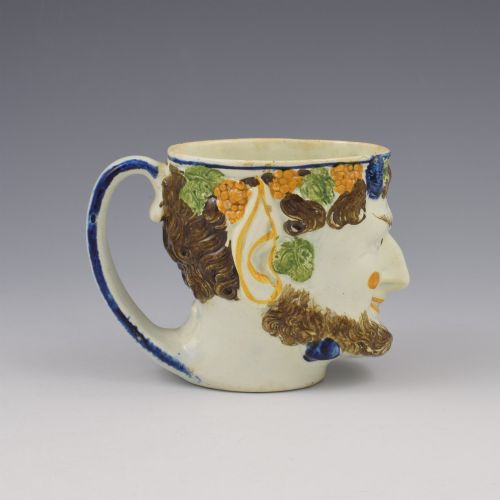
- A fine-grained earthenware developed in the eighteenth century with a subtle bluish tint in the glaze pooling. It served as a popular base for early moulded and painted tableware.
- Ironstone
- A durable, heavy earthenware developed to rival porcelain. It provided a sturdy white body well-suited to large kitchen and dining pieces like cheese domes.
- Jasperware
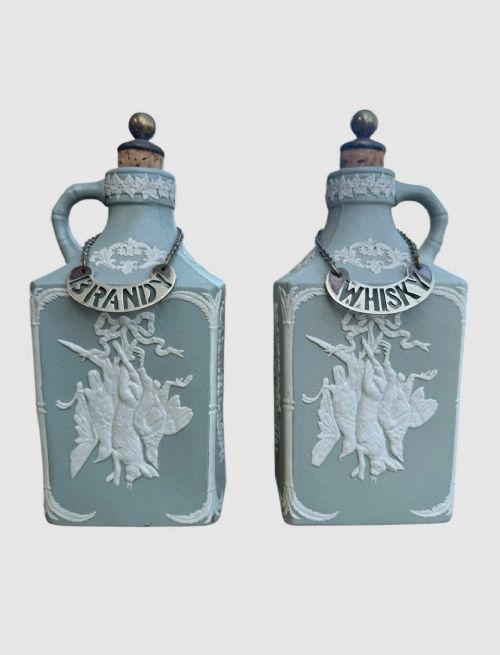
- A fine stoneware pioneered for its matte finish and contrasting applied white reliefs. It relies on coloured clay bodies to make the moulded motifs stand out clearly.
Relief Moulded Ceramics: Frequently Asked Questions
What are relief moulded ceramics?
These are pottery and porcelain items featuring decorative designs that stand in relief above the surface of the vessel. Makers achieved this effect by pressing clay into carved moulds before firing.
The resulting texture adds a sculptural quality to items like jugs, mugs, and commemorative pieces. They showcase the technical skill of nineteenth-century potteries.
How were these pieces used?
Many of these ceramics served practical domestic functions on the dining table or in the kitchen. Pieces such as cheese domes, ale jugs, and tea caddies stored and served food and drink.
Larger items like jardinieres and planters brought decorative greenery into Victorian homes. Others, including commemorative loving cups and plaques, marked national events and historical occasions.
How do I live with relief moulded ceramics?
These ceramic items integrate easily into traditional and contemporary interiors as display pieces or functional tableware. Their sculptural surfaces catch natural light well when placed on dressers, sideboards, or mantels.
Due to their age and delicate glazes, hand washing is advisable for antique vessels in daily use. Sturdier ironstone and stoneware items handle gentle everyday handling with ease.
How do I tell periods apart?
Georgian and early nineteenth-century pieces often utilise pearlware or basalt bodies with crisp, restrained classical motifs. They frequently take the form of hunting pitchers, Toby jugs, and tea wares.
Victorian and later items embrace heavier majolica glazing, brighter colours, and more exuberant botanical or figurative themes. Forms like large cheese domes and elaborate jardinieres become common as the century progresses.