


Ceramic Animal Figurines
These ceramic animal figurines bring domestic pets, wild beasts and farm animals into domestic spaces in earthenware, porcelain and terracotta.
Ceramic Animal Figurines
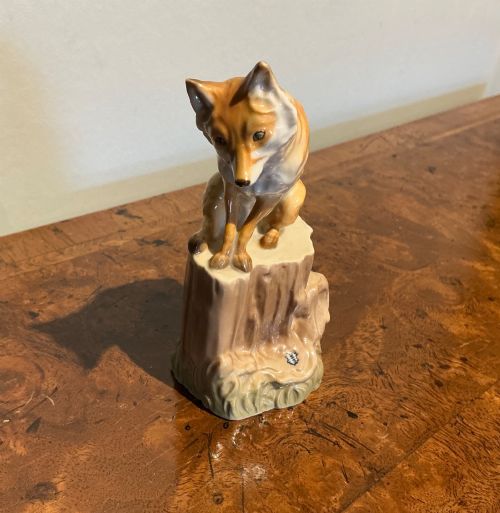
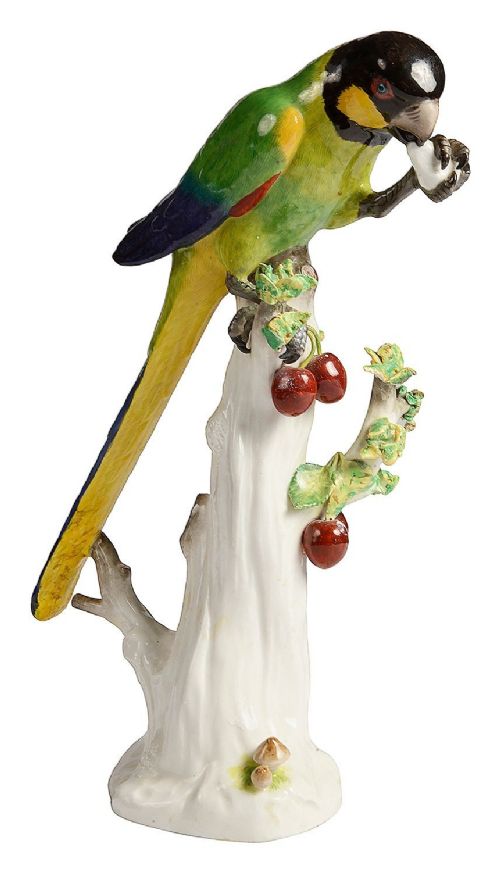
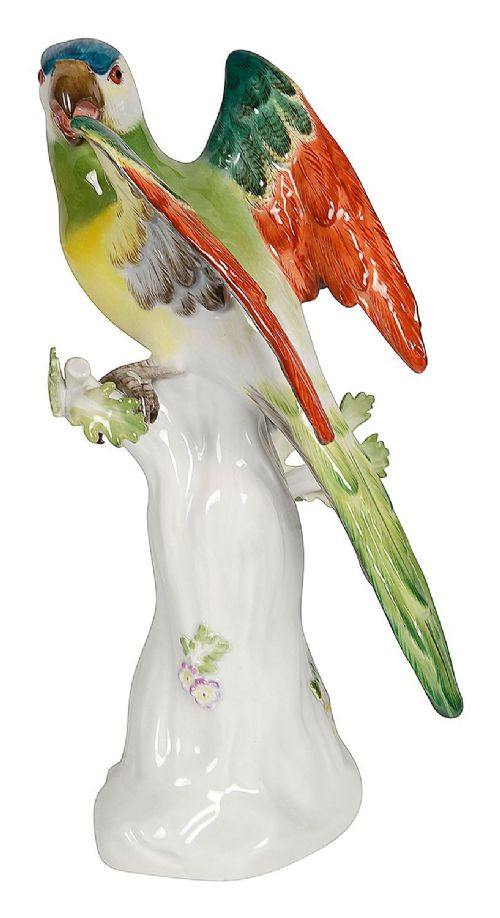
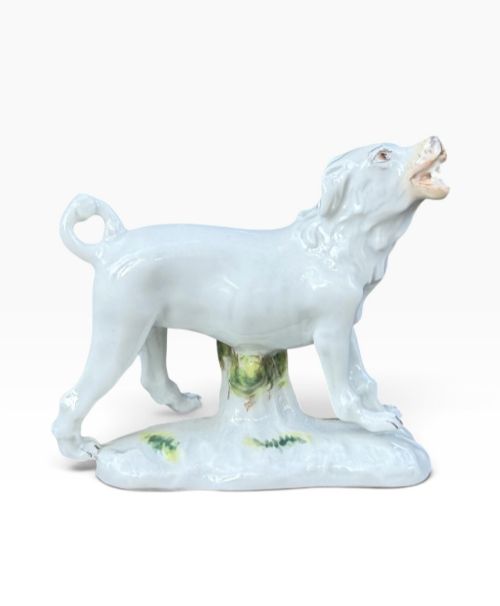
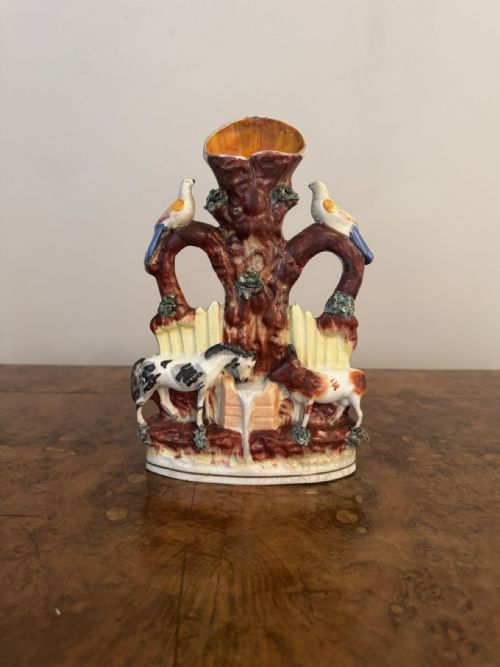
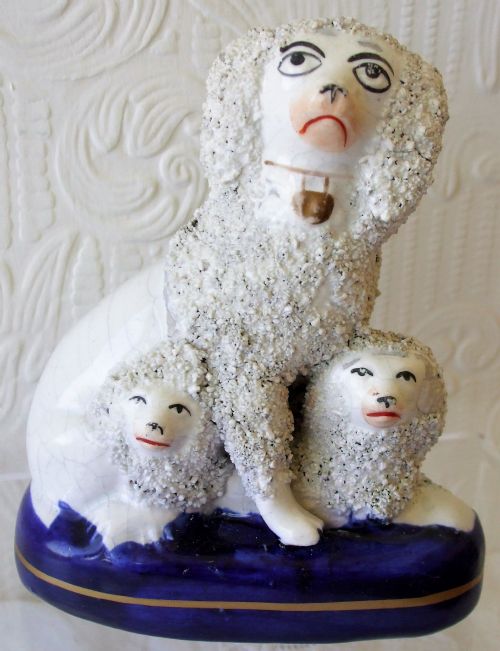
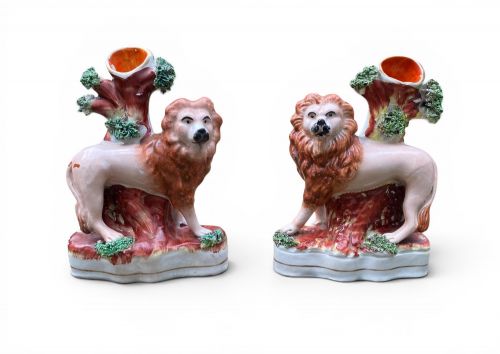
Ceramic animal figurines span domestic pets, farm animals and exotic creatures fashioned as sculptural objects, spill vases and lamp bases. When searching for ceramic animal figurines, collectors encounter works ranging from Staffordshire earthenware dogs and lions to continental porcelain birds and figures.
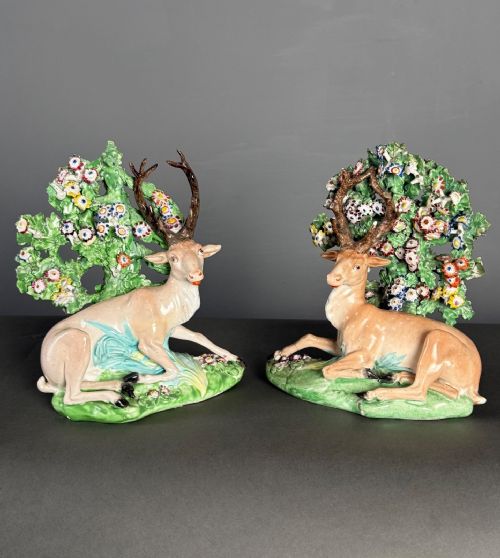
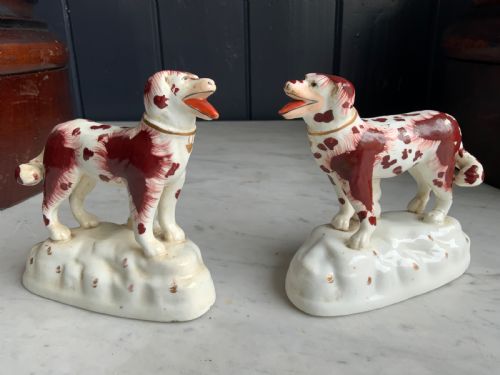
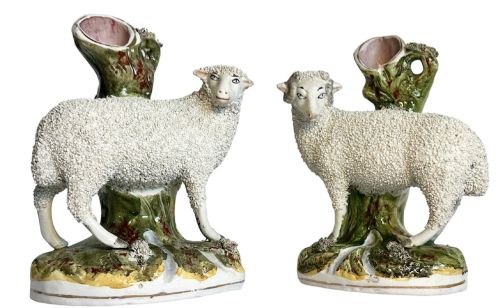
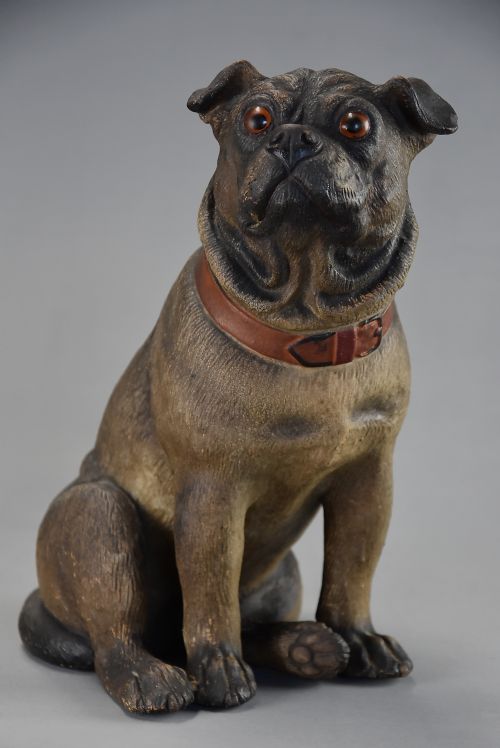
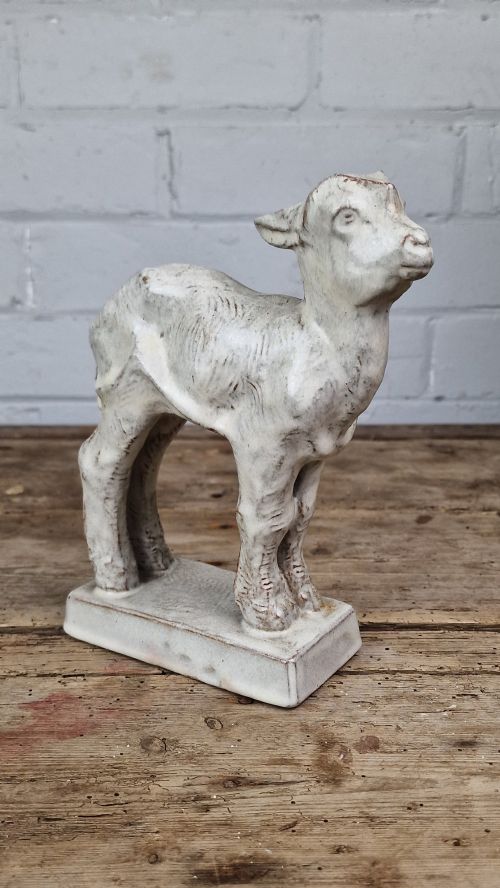
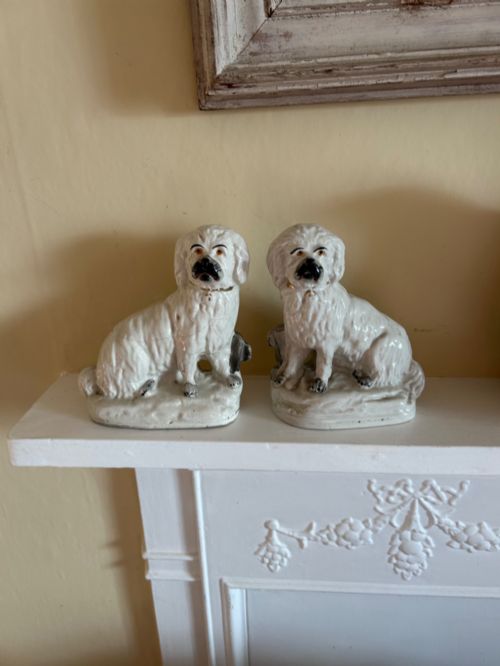
The selections include pairs of Staffordshire pottery dogs, terracotta pugs, porcelain stags and earthenware sheep spill vases. Pieces appear from English, German, French, Italian, Dutch, Chinese and Japanese origins, traversing periods from the eighteenth century through the art deco era.
Materials and Construction
Maker operations utilised earthenware, pearlware, terracotta, and hard-paste porcelain, finished with coloured glazes, enamel painting, treacle glaze, or sancai glaze. Moulds shaped the forms, while skilled hands added details such as bocage foliage or glass eyes.
An art deco French cat watches the room through inserted glass eyes.
Distinctions in Quality
Quality rests upon the precision of the modelling, the sharpness of the mould impression, and the artistry of the hand-painting. Superior examples display carefully rendered anatomy, expressive postures, and well-applied enamels that remain crisp and vivid.
Derby·Meissen·Minton·Nymphenburg·Rosenthal·Royal Dux
The Ceramic Animal Figurines Glossary
- Spill vase
- A hollow vessel incorporating a holder designed to contain wooden spills for lighting pipes or candles.
- Pearlware
- A refined earthenware developed in the eighteenth century featuring a thin glaze with a faint bluish tint.
- Treacle glaze
- A rich, dark brown lead glaze that produces a glossy, translucent finish on pottery surfaces.
- Bocage
- Applied ceramic foliage or background shrubbery framing a figure or group, common in eighteenth-century porcelain.
- Sancai
- A three-colour lead glaze tradition originating in China, often featuring amber, green, and cream tones.
Ceramic Animal Figurines: Frequently Asked Questions
What periods do these figurines date from?
The selections span from the eighteenth century through the Victorian era and into the art deco period of the twentieth century.
Items reflect stylistic movements including Georgian, Victorian, Art Nouveau, and Art Deco across various European and Asian traditions.
How were spill vases used?
Spill vases combined decorative animal sculptures with practical containers holding thin wooden sticks called spills.
Household members used these spills to transfer flames from a fireplace to candles or lamps before matches became common.
What materials are common?
Makers employed earthenware, pearlware, terracotta, and porcelain as the primary ceramic bodies for these sculptures.
Surfaces received finishes such as lead glaze, treacle glaze, enamel colours, and sancai glaze to enhance the visual appearance.
Are pairs common among these figures?
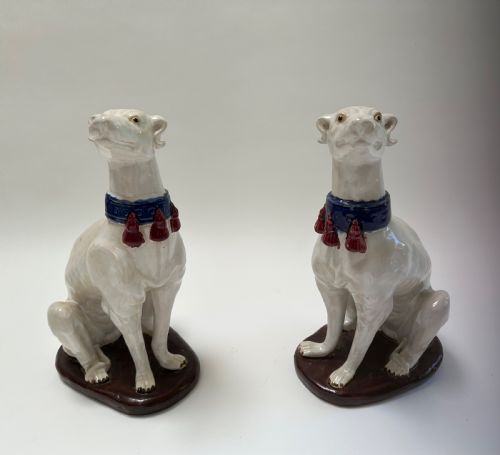
Pairs appear frequently, particularly with Staffordshire dogs, lions, stags, and birds designed for mantelpiece display.
Matching figures often mirror each other in posture or face inward as symmetrical decorative ornaments.