




White Ceramic Spill Vase
These white ceramic spill vase items combine decorative figures with practical holders, offering an engaging glimpse into nineteenth-century domestic displays.
White Ceramic Spill Vase
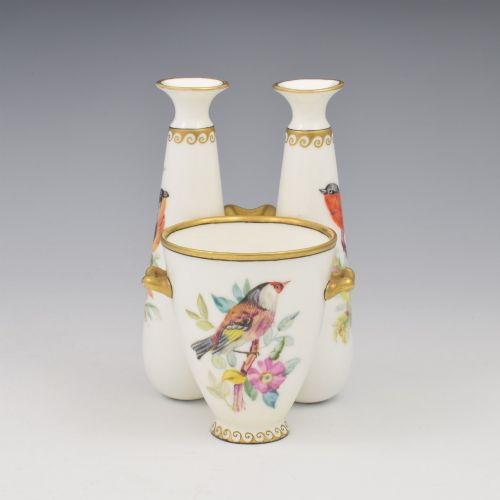
A white ceramic spill vase serves as a decorative holder designed originally to store thin wooden spills used for lighting candles and fires. The examples seen here span the Georgian and Victorian periods, stretching from the early nineteenth century through the 1880s.
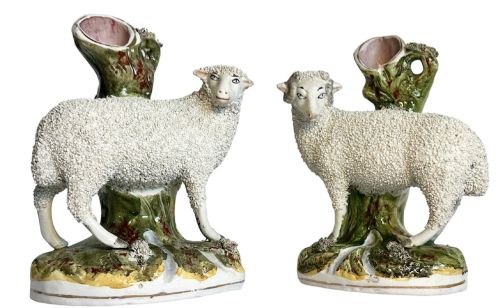
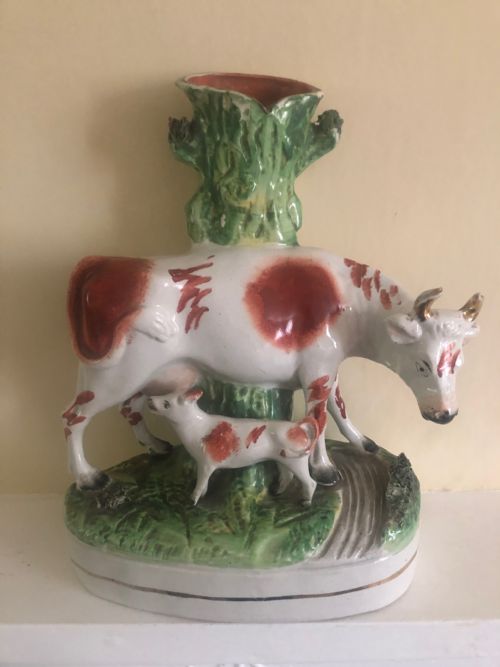
Most items appearing on this page take the form of Staffordshire figures, animal groups, and sculptural arrangements alongside traditional vase shapes. Collectors encounter subjects ranging from sheep and swans to literary or pastoral figure groups.
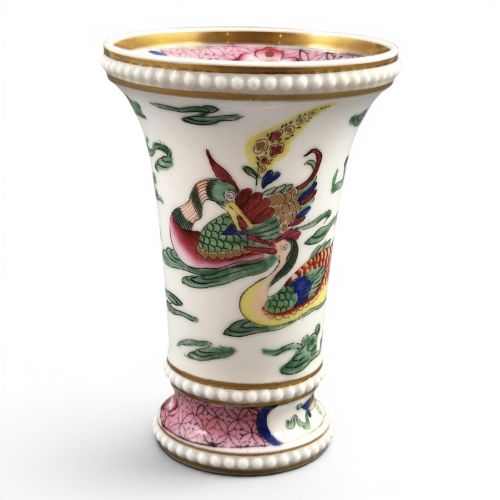
Makers utilised distinct regional styles, producing everything from utilitarian spill holders to elaborate porcelain and earthenware decorative pieces. Neoclassical and Regency influences appear alongside robust Victorian Staffordshire folk art.
Materials and manufacture
Potters relied on earthenware and porcelain, shaping ceramic bodies through moulding and hand-modelling before applying smooth glazes. Many pieces incorporate enamel colours and gilt or gilding highlights to accentuate the sculptural details.
The construction typically involves hollow-cast ceramic figures integrated with cylindrical holders designed to contain spills. Firing techniques and glaze compositions vary between the early Regency items and later Victorian output.
Staffordshire potters immortalised curious subjects, placing delicate swans, sheep, and babes in the wood right beside the hearth.
Assessing quality and character
The distribution of gilt accents and the uniformity of the glaze distinguish finely finished porcelain and earthenware pieces from simpler production. Preservation of the original hand-painted palette maintains the visual impact of each figure group.
Royal Worcester·Spode·Wedgwood
The White Ceramic Spill Vase Glossary
- Spill vase
- A small container designed to hold thin tapers or wooden spills used for transferring flames to candles and hearths.
- Earthenware
- A porous pottery body fired at lower temperatures, commonly coated in an opaque glaze for Staffordshire figures.
- Porcelain
- A finer, vitrified ceramic material fired at higher temperatures, offering a more translucent and refined finish.
- Flatback
- A style of Staffordshire figure moulded with a flat, unadorned reverse designed to sit flush against a mantelpiece wall.
- Gilding
- The application of gold leaf or gold paint to highlight specific decorative elements on the ceramic surface.
White Ceramic Spill Vase: Frequently Asked Questions
What is a white ceramic spill vase?
A white ceramic spill vase is a decorative nineteenth-century vessel used to hold wooden tapers for lighting household fires.
These pieces often incorporate animal or human figures alongside the cylindrical holder, combining utility with ornamental display.
How were these vases used?
Households kept them on mantelpieces to store dry wooden spills ready for transferring flames from the hearth to lamps and candles.
Over time, they functioned increasingly as mantel ornaments rather than strictly practical items.
How do I identify Victorian pieces?
Victorian examples frequently display Staffordshire earthenware construction, often featuring flat backs designed for mantel placement.
The style encompasses both rustic animal groups and figures depicting contemporary narratives or pastoral scenes.
What materials do makers use?
Makers relied primarily on earthenware and porcelain, finished with smooth glazes and hand-painted enamel colours.
Selected items also incorporate gilt highlights or classical relief work to enhance the decorative surface.