


Green Glaze Pottery Ornament
These green glaze pottery ornament examples bring sculptural colour and historic character to a room, ranging from Staffordshire spill vases to Chinese Ming style figures.
Green Glaze Pottery Ornament
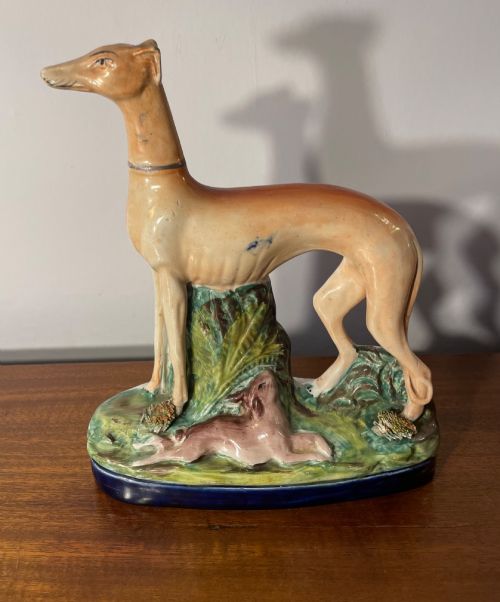
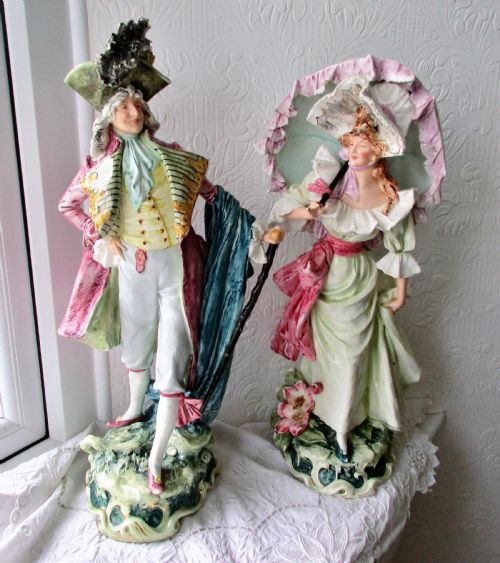
A green glaze pottery ornament encompasses a diverse group of figures, animals, spill vases, and decorative objects created across various centuries and regions. The selection leans heavily toward nineteenth-century Staffordshire pottery figures, alongside Chinese porcelain ducks and dogs of Foe, French faience, and Art Deco ceramics.
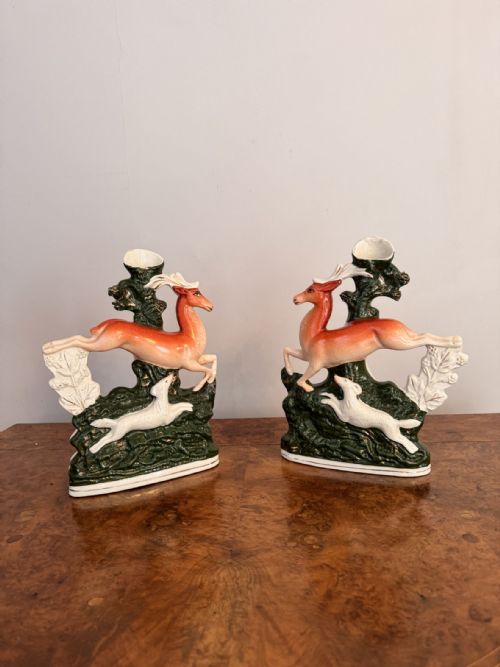
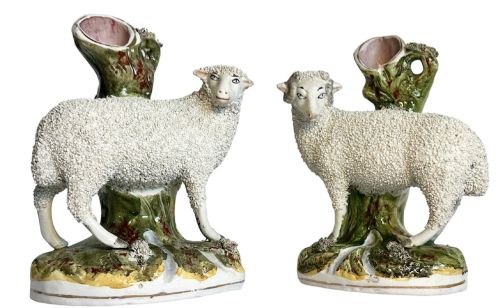
Buyers encounter domestic Staffordshire sheep, deer, cottages, and historical portraits alongside Asian ceramics featuring Sancai glazes and Japanese roof ornaments. Forms shift from functional spill vases and brush washers to purely decorative figurines and architectural elements.
Materials and construction
Potters utilised earthenware, pearlware, and porcelain as the ceramic base for these objects, shaping them through moulding or throwing. Artisans applied lead glazes, tin glazes, enamel, and Sancai glaze techniques to achieve the characteristic green surfaces.
Firing methods varied from traditional kiln techniques used for eighteenth-century pearlware and nineteenth-century Staffordshire to specialised earthenware production in European studios and Asian kilns.
The listings span earthenware, porcelain, and pearlware, decorated with lead glaze, tin glaze, enamel, and Sancai glaze.
Assessing quality and finish
Quality rests upon the crispness of the moulding and the depth of the glaze application, particularly how evenly the green pigments settle across intricate details like animal coats and architectural facades. Superior pieces exhibit hand-painted enamel touches that remain sharp and well-defined.
The distinction between standard production items and finer studio or regional pieces lies in the articulation of the ceramic form and the complexity of the secondary glaze colours, such as lustre or Sancai combinations.
Charles Vyse·Ralph Wood·Wedgwood and Co·Royal Dux·Shelley
The Green Glaze Pottery Ornament Glossary
- Spill vase
- A hollow ceramic container designed to hold wooden spills for lighting fires or pipes. These often sit alongside figures in nineteenth-century Staffordshire groups.
- Sancai
- A three-colour Chinese glaze tradition, predominantly utilising green, amber, and cream, seen on Tang dynasty style and Ming style figures. This technique creates a mottled, runny effect across the ceramic surface.
- Pearlware
- A fine-grained earthenware developed in the eighteenth century, featuring a slight bluish tinge in the glaze that pooled around crevices to enhance whiteness. Wedgwood and Staffordshire potters utilised this extensively.
- Tin glaze
- An opaque white glaze containing tin oxide, used as a surface for painting oxides before firing. German and French pieces frequently employed this method.
- Flat back
- A Staffordshire figure style moulded with an unglazed or minimally finished flat reverse meant to sit against a mantelpiece. This design saved materials and kept the piece stable.
Green Glaze Pottery Ornament: Frequently Asked Questions
How do I identify nineteenth-century Staffordshire figures?
Staffordshire figures often display typical nineteenth-century subject matter, including spill vases with sheep or deer, historical portraits, and cottages with bocage details. They generally utilise earthenware bodies with hand-painted enamel colours beneath a clear lead glaze.
Inspect the base for potting characteristics such as flat backs, vent holes, and underglaze craquelure. Earlier pieces from the eighteenth century, like pearlware groups, show different glaze pooling compared to Victorian examples.
What is a Sancai glaze?
Sancai is a traditional three-colour glaze style originating in China, most commonly combining green, amber, and creamy white tones. Potters applied these lead-based glazes to earthenware bodies, allowing them to mix and run during the firing process.
This technique appears on both authentic Asian ceramics and later revival pieces, such as Tang dynasty style horses and Ming style ducks. The green element provides the dominant chromatic weight on these ornaments.
Where were spill vases placed?
Spill vases sat upon mantelpieces and side tables in domestic interiors to hold thin wooden spills used for transferring fire from the hearth to candles or pipes. Their dual nature combined a decorative ceramic figurine with a functional receptacle.
Pairings of animals, such as sheep or deer, flank the central tube meant to hold the tapers. They remained popular throughout the nineteenth century in British households.
How do I care for antique ceramic ornaments?
Keep antique ceramics out of direct sunlight to prevent fading in hand-painted enamel colours and delicate overglaze decorations. Dust them gently with a dry, soft brush rather than using wet cloths that might harm porous earthenware.
Avoid placing glazed pieces in areas subject to rapid temperature fluctuations, which can stress older ceramic bodies and historical glazes. Handle them by the base rather than protruding limbs or delicate spill vase rims.