
Cast Bronze Figurine
When you handle a cast bronze figurine, you touch a small piece of sculpture that brings animal and human subjects into sharp metal focus.
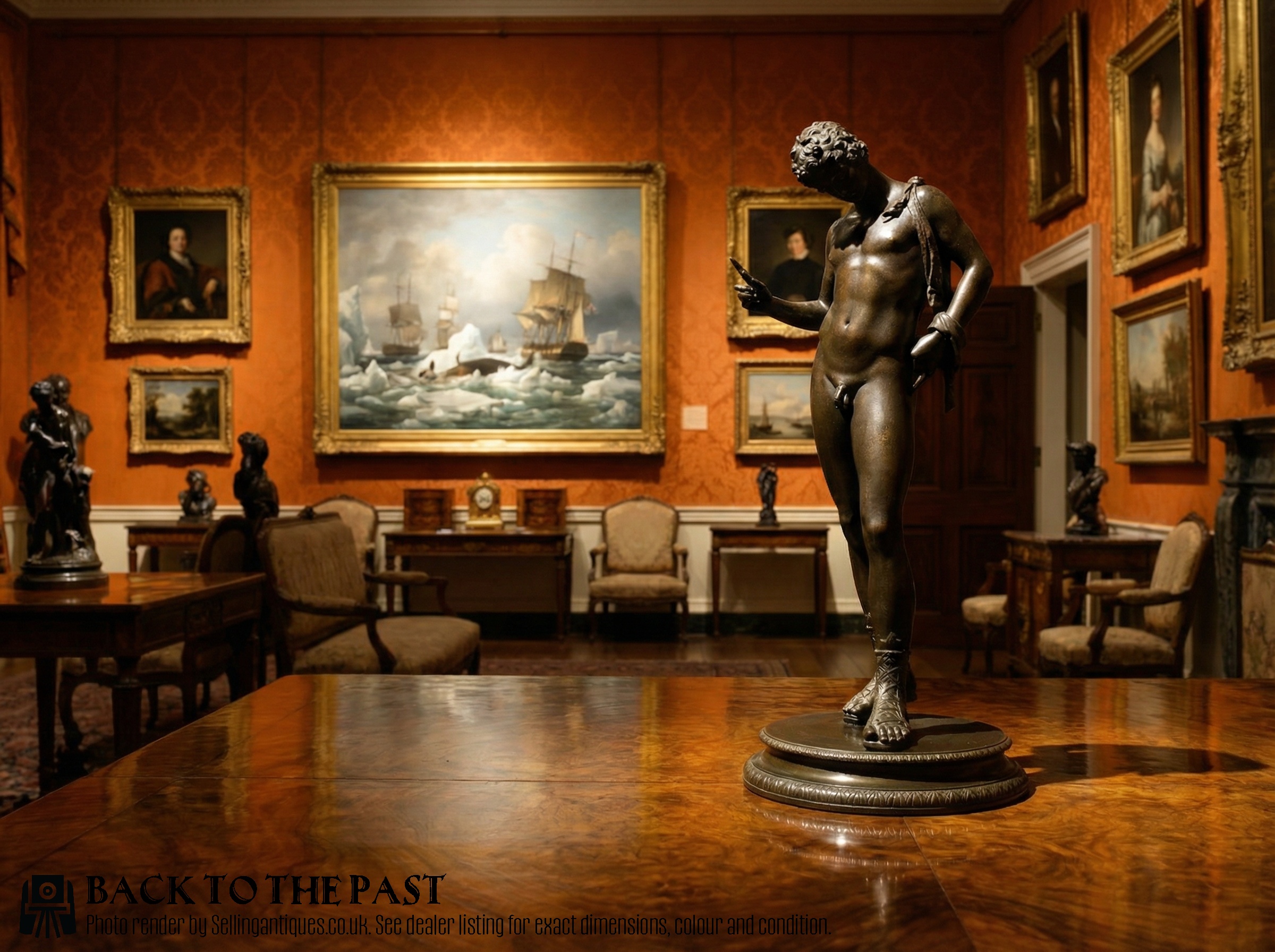
Cast Bronze Figurine
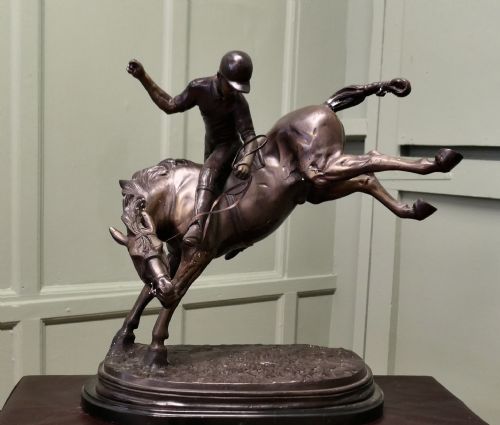
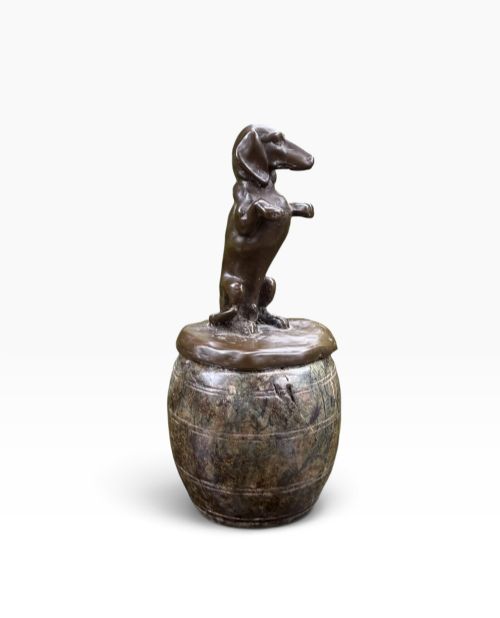
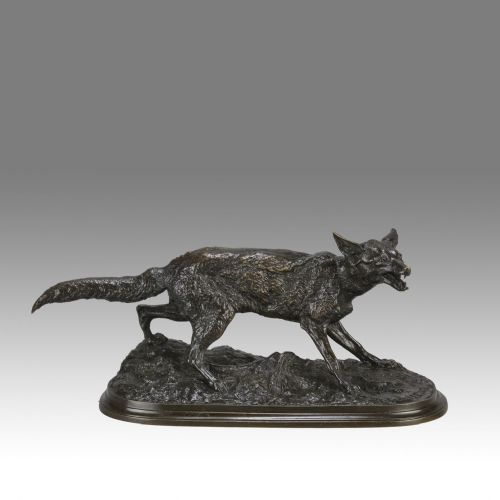
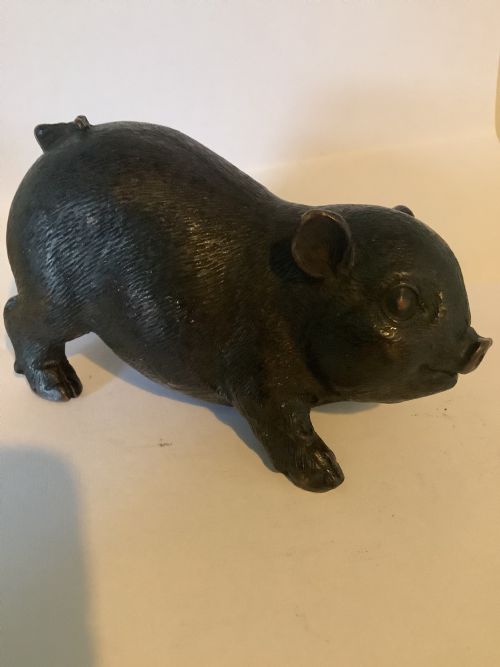
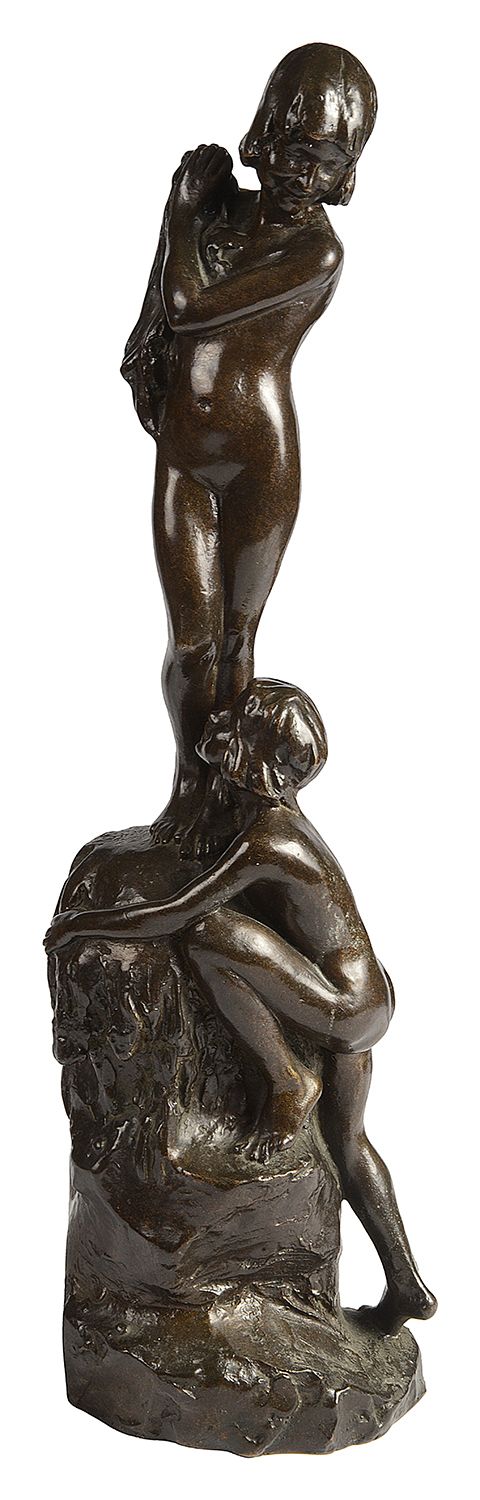
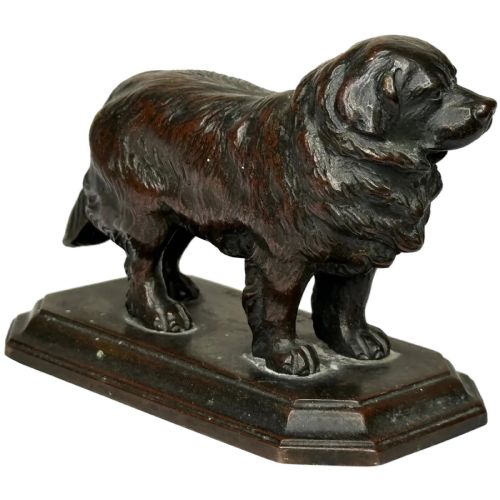
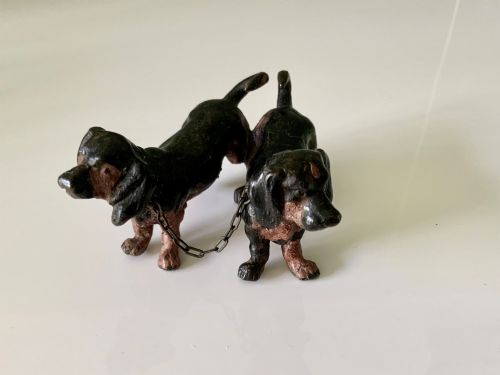
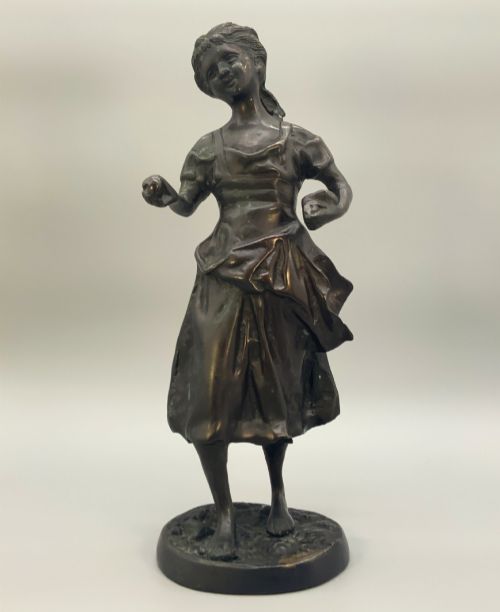
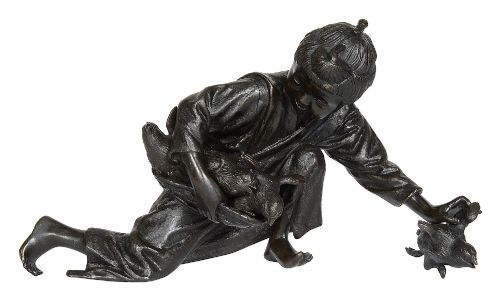
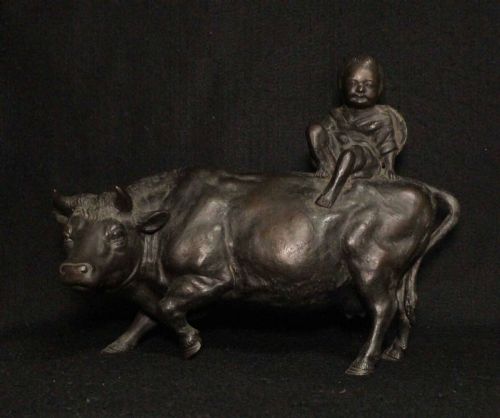
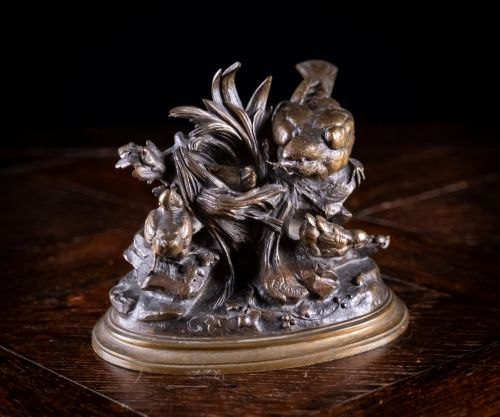
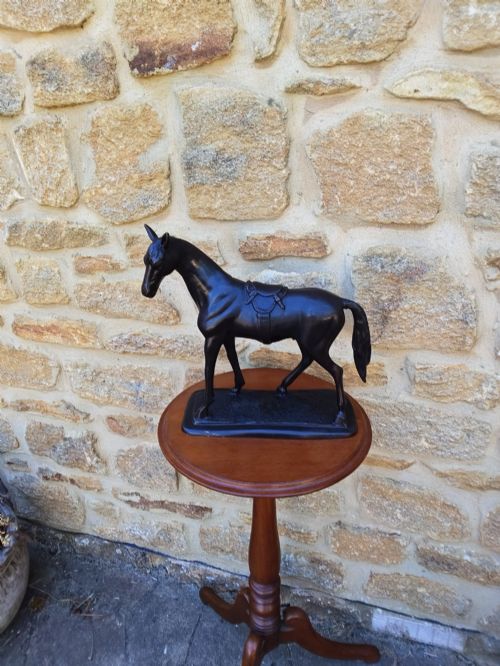
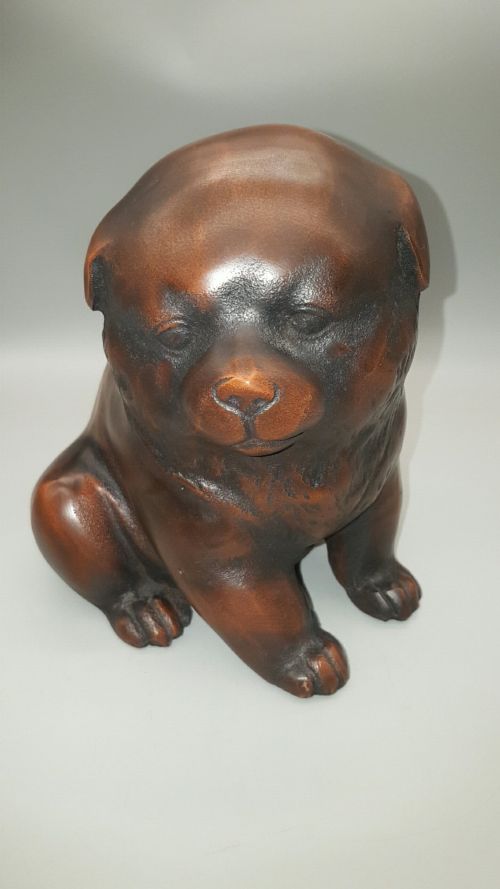
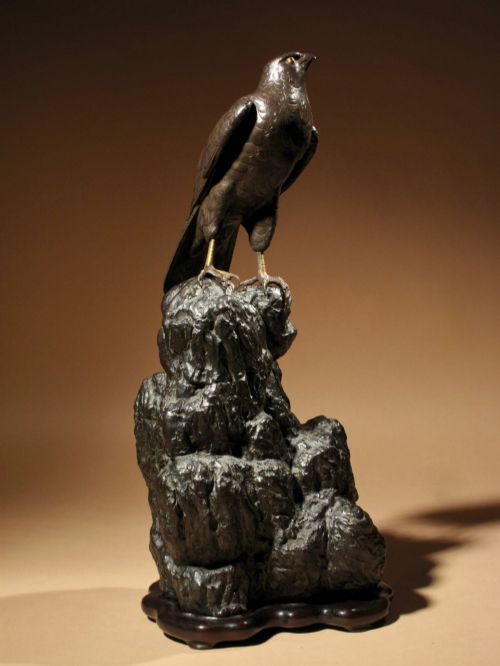
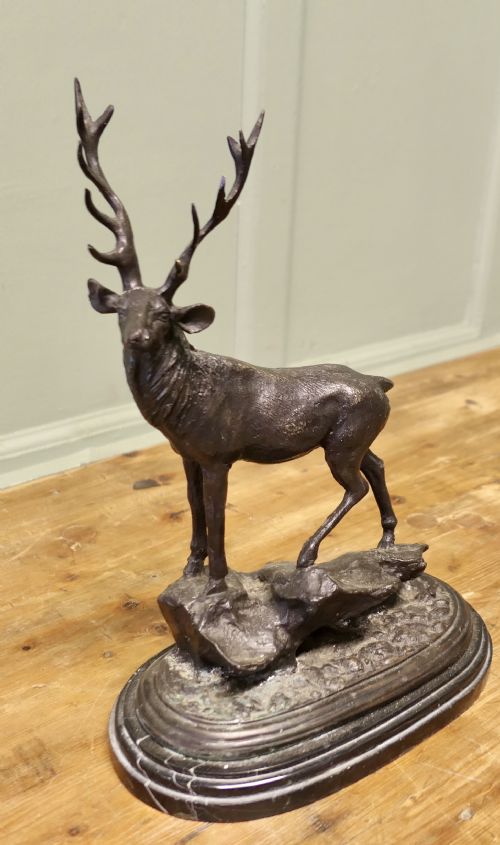
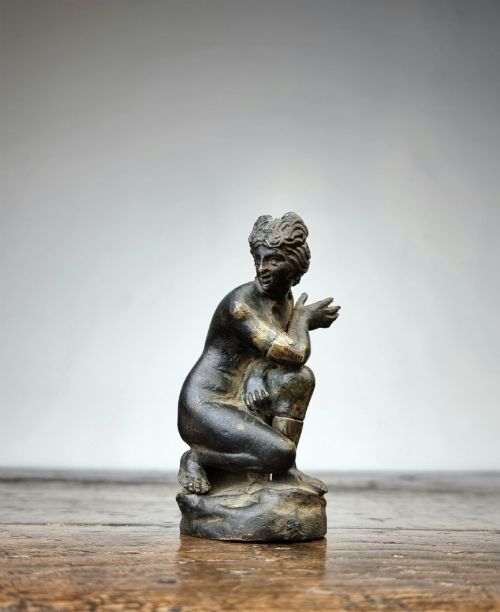
A cast bronze figurine captures detailed subjects in metal, ranging from domestic animals and wildlife to human figures and classical forms. These pieces often take the form of small sculptures, statuettes, and bookends designed for interior display.
You are most likely to meet 19th-century and early 20th-century works on this page, spanning Victorian, Animalier, French, and Japanese Meiji styles. Subjects frequently include dogs, horses, stags, birds, and figures in motion or repose.
The materials paired with these bronzes include marble plinths, painted surfaces, wood, and brass bases. Many pieces show patinated finishes, ranging from deep dark tones to bright cold-painted polychrome details.
Materials and casting technique
These figures rely on the traditional lost-wax or sand-casting method to translate sculpted clay or wax models into durable metal. Bronze is poured into moulds, producing solid or hollow forms that capture intricate textures like fur, feathers, and drapery.
Surface treatments complete the work, utilising patination chemicals to age the metal or employing cold-painting techniques where pigment sits directly on the cooled bronze. Plinths of veined marble or wood provide stable mounts for the heavier compositions.
Cast Bronze Figurine Retail Price Guide 2026
Typical asking prices for cast bronze figurine among the pieces listed under this phrase on Sellingantiques today, from the lower quarter to the upper quarter. They describe what is for sale here now, not the wider market.
A bronze crocodile stretches over two and a half metres long, ready to guard the hallway floor.
Qualities that separate the works
The weight of the bronze and the quality of the supporting marble or wooden base contribute to the overall presence of the piece. Integrated signatures, foundry marks, and careful patination further distinguish standard commercial production from masterworks.
P J Mêne·Franz Bergman·E Villanis·Christophe Fratin·Alfred Barye
The Cast Bronze Figurine Glossary
- Animalier
- A nineteenth-century artistic movement focused on the realistic depiction of animals, particularly predators and horses. French sculptors popularised this genre across Europe.
- Cold-painted bronze
- A technique where oil paints are applied to a cold bronze object rather than fired in a kiln. Austrian workshops in Vienna specialised in this colourful finish.
- Patina
- A thin layer that naturally or artificially forms on the surface of bronze through oxidation and chemical treatment. It protects the metal and provides deep surface colour.
- Okimono
- A Japanese decorative object intended for display on a shelf or in a tokonoma alcove. Meiji period examples often show exceptional metalwork skill.
- Plinth
- A heavy base or slab upon which a statue or figurine rests. Marble and slate are common materials used to give small bronzes stability and elevation.
Cast Bronze Figurine: Frequently Asked Questions
What is an animalier bronze?
An animalier bronze is a sculpture specifically depicting animals, capturing them in natural poses or during action sequences. These pieces became widely popular during the nineteenth century, particularly in France.
Sculptors studied anatomy closely to render muscle tension and movement accurately in metal. They often portrayed hounds, horses, and wild game with high realism.
How do I care for a bronze figure?
Maintenance requires only gentle dusting with a soft, dry cloth to keep particulate matter from settling into the recessed details. Avoid using polishes, oils, or harsh cleaning agents that can strip the original patina.
Keeping the object away from excessive moisture and direct sunlight preserves the metal and any painted or patinated surfaces.
What is cold-painted bronze?
Cold-painted bronze refers to metal figures decorated with oil or enamel paints applied after the casting and patination process. This method allows for vibrant, multi-coloured depictions of birds, garments, and exotic figures.
Because the paint sits on the surface without kiln firing, these pieces require careful handling to prevent chipping or flaking over time.
How do I identify Japanese Meiji bronzes?
Meiji period Japanese bronzes usually date from the late nineteenth to early twentieth century and display meticulous surface detailing. Subjects frequently include everyday figures, agricultural scenes, and native wildlife.
Many of these works feature character signatures or artist seals incorporated directly into the bronze casting or applied on a separate plaque.