


Carved Wood Wildfowl
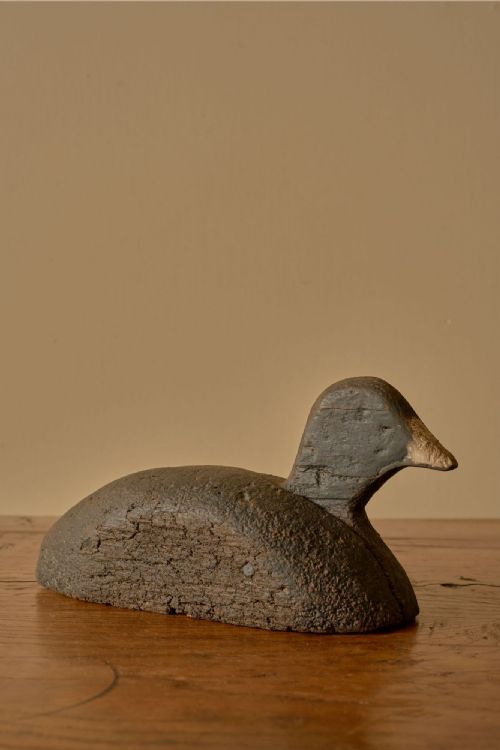
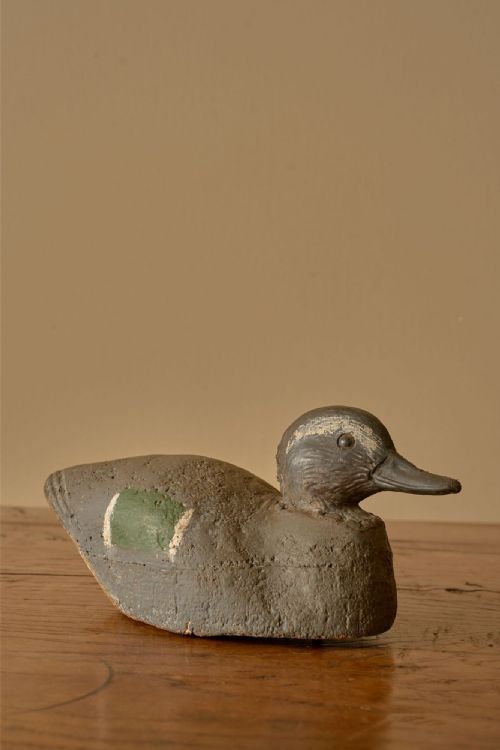
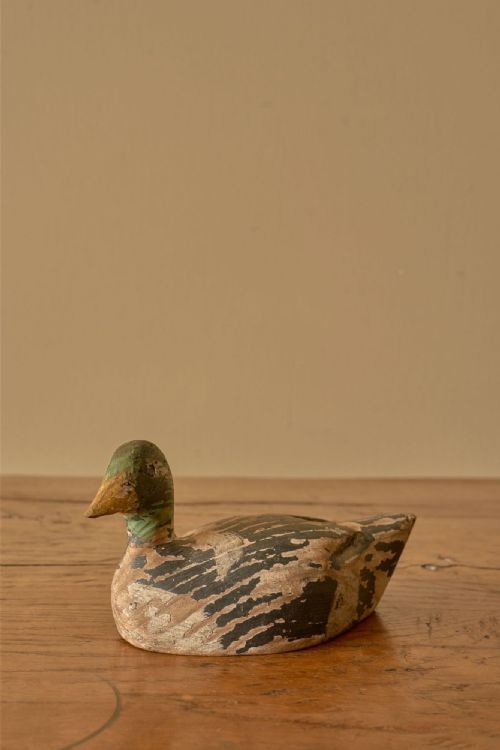
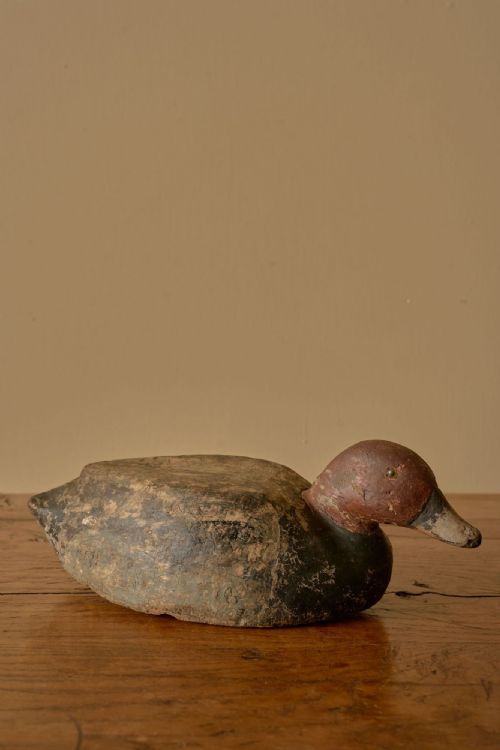
Carved wood wildfowl bring the texture of early twentieth-century wetlands directly into your home.
Carved Wood Wildfowl
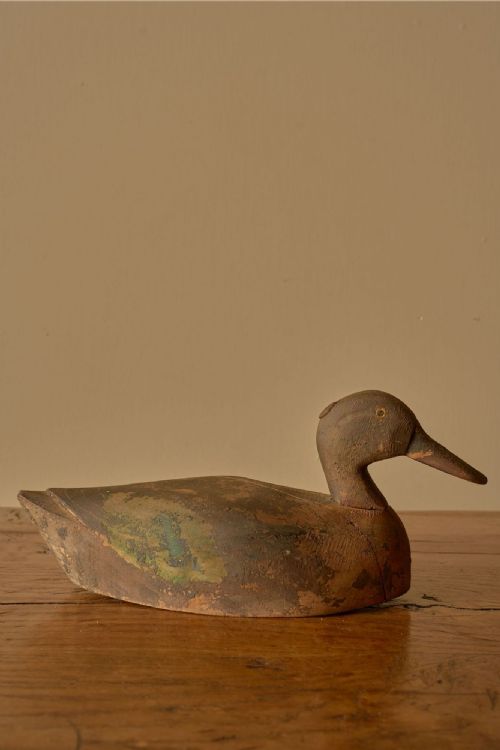
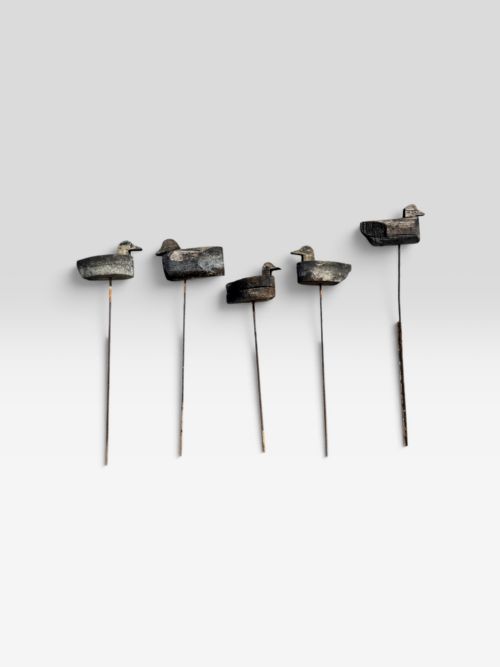
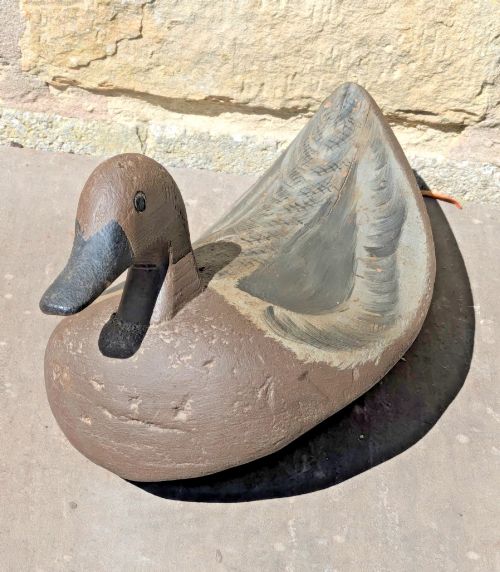
When you search for carved wood wildfowl, you find working decoys and decorative sculptures shaped from timber and painted by hand. These pieces originate across the early twentieth century, spanning Edwardian examples up to the 1930s.
You are most likely to meet decoy ducks and water birds on this page, including species such as the American loon with her chick and the black-tailed godwit. Many examples bear the distinct character of folk art, reflecting utilitarian objects repurposed for display.
How they were made
Artisans carved these wildfowl primarily from solid timber and wood, sometimes incorporating bark, iron, and glass elements. The bodies take shape through hand-carving techniques suited to functional decoys that needed to float upright on water.
Makers applied paint directly to the wooden surfaces to mimic the plumage of real water birds. This hand-painted finish often shows weathering and wear acquired during their working life in the field.
An American loon floats onto the page accompanied by her tiny wooden chick, proving that even decoys appreciated some family company.
What varies in quality
The distinction between ordinary and exceptional pieces rests upon the boldness of the carving and the preservation of the original hand-painted surface. Stronger examples display sculptural confidence in the silhouette of the duck or water bird.
Surface patination and the survival of early paint layers define the visual weight of each carving. Pieces that retain their genuine working character without excessive restoration command greater interest from collectors.
The Carved Wood Wildfowl Glossary
- Decoy
- A carved wooden bird utilised by hunters to attract wildfowl to a specific location. These working objects now function primarily as decorative sculptures.
- Folk art
- Utilitarian items made by self-taught or traditional makers outside academic artistic traditions. Carved wood wildfowl frequently belong to this category.
- Edwardian
- Pertaining to the reign of King Edward VII, spanning the early years of the twentieth century. Pieces from this era show characteristic regional carving styles.
- Patina
- The surface texture and coloration developed by wood and paint over decades of handling and exposure. A desirable patina signals genuine age.
Carved Wood Wildfowl: Frequently Asked Questions
What are carved wood wildfowl?
These items are wooden decoy ducks and water birds carved during the early twentieth century. Hunters originally placed them on water to attract real birds.
Today, collectors value them as decorative sculptures and examples of folk art. They bring rustic character and historical texture to interior spaces.
How were decoy ducks used?
Hunters floated these carved wooden birds on lakes and rivers to lure wildfowl within range. Their weighted bases and balanced forms kept them upright in the water.
After their working life ended, many migrated indoors as decorative objects. Their utilitarian origins give them a distinct sculptural presence.
How do I style carved wood wildfowl?
These pieces suit rustic and traditional interiors, resting naturally on bookshelves, mantelpieces, or side tables. Their weathered painted surfaces contrast well with clean modern backgrounds.
Displaying them singly or in small sets highlights their handmade forms. They require simple placement away from direct heat sources to protect the old wood and paint.
How do I identify early twentieth century pieces?
Look for construction methods, tool marks, and materials typical of the 1900s through the 1930s. Hand-painted surfaces and worn timber provide clues to their age.
English and French examples often display regional characteristics in their shaping and paint application. Comparing the silhouette and species helps place them within the Edwardian and interwar periods.