
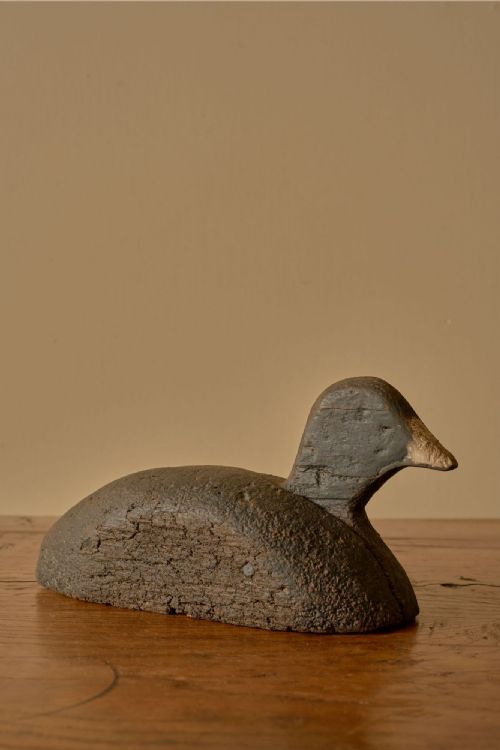
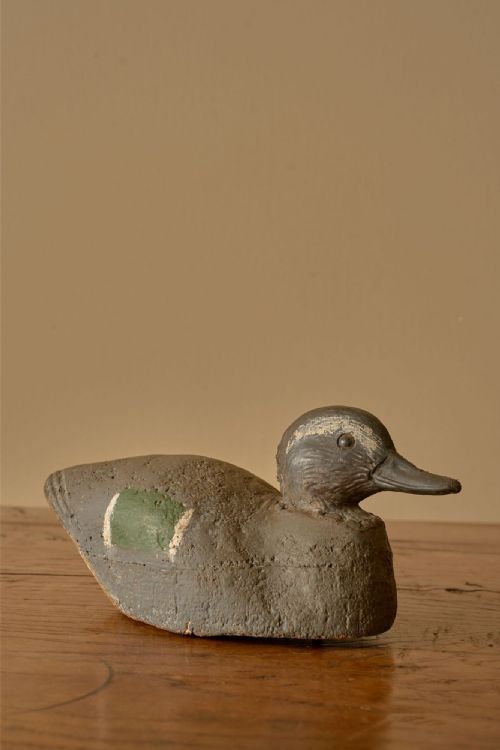
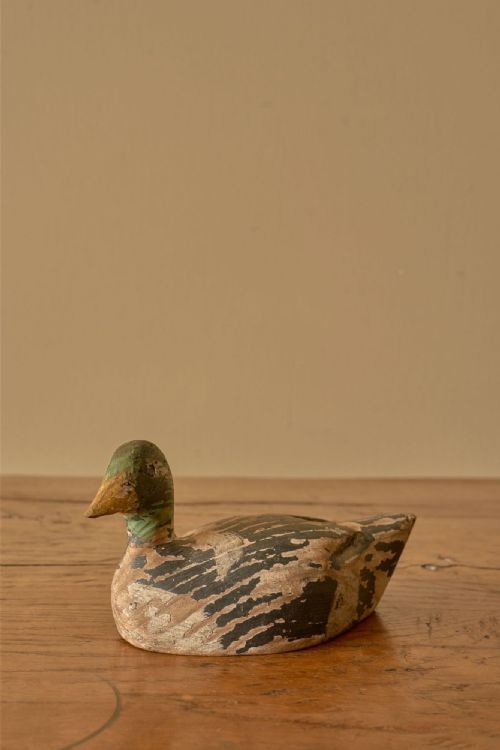
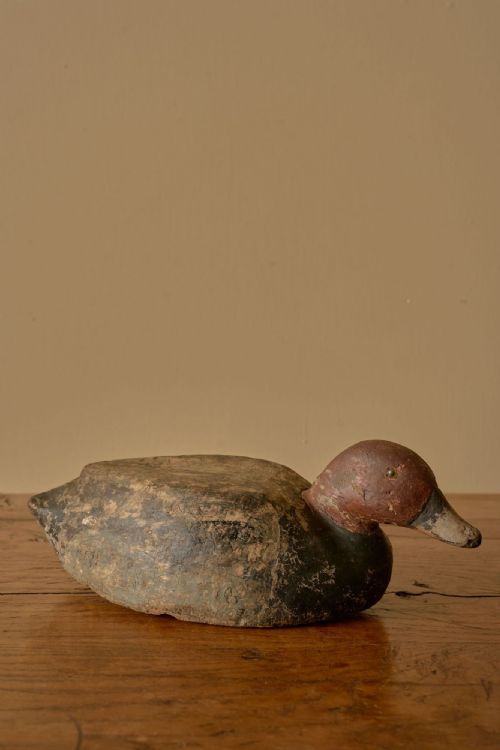


20th Century Decoy Duck
These 20th century decoy duck pieces offer authentic folk art charm, prized by collectors for their honest hand-painted surfaces and sculptural presence.
20th Century Decoy Duck
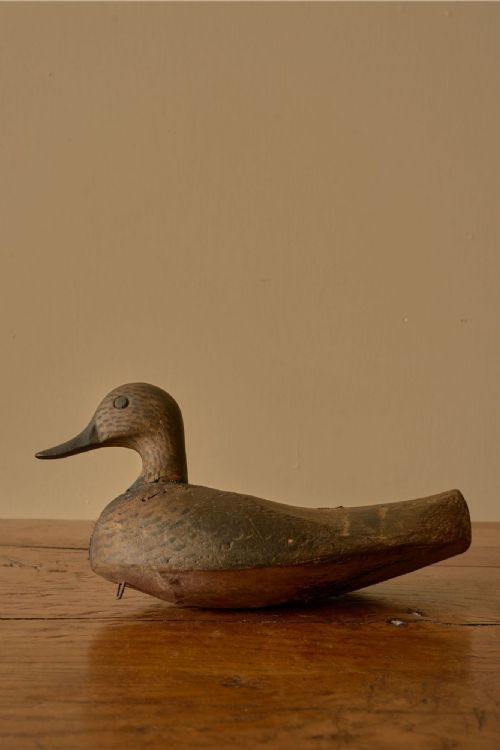
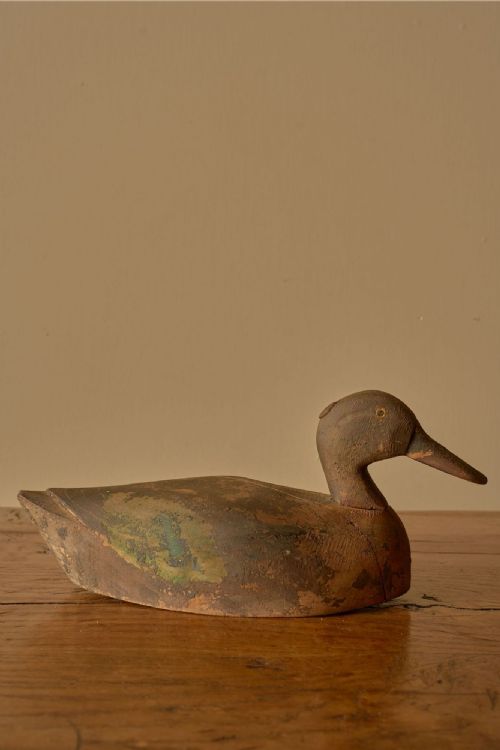
A 20th century decoy duck represents a distinct tradition of working objects repurposed as decorative sculptures. The pieces gathered under this phrase span the early decades of the century, specifically encompassing items from 1900, 1920, and 1930.
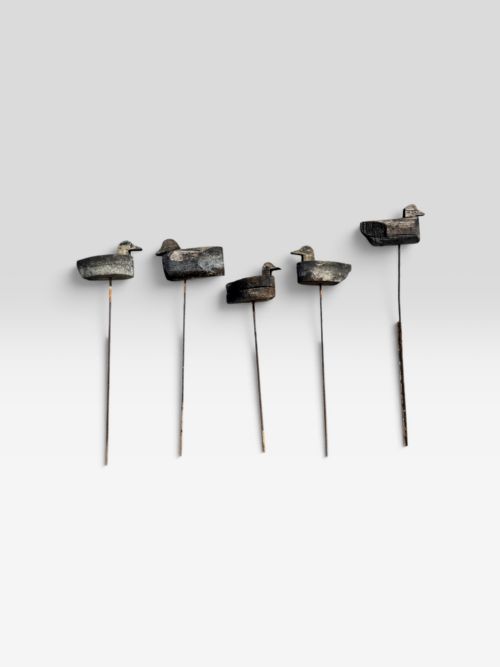
Buyers encountering this selection will most frequently find carved and painted wooden representations. These range from numbered working models to larger examples classed within folk art traditions.
Originating primarily from English makers, these decorative objects capture the utilitarian craft of the period. Each item reflects the specific aesthetic of its decade, whether carved simply or finished with detailed hand-painted surfaces.
How they were made
The construction of these items relies fundamentally on timber and wood, shaped into solid avian forms. Artisans utilised traditional carving techniques to define the posture and silhouette of each bird.
Surface finish is achieved through applied paint, which distinguishes many pieces in the selection. This hand-painted decoration often shows the wear and patina accumulated over decades of existence.
Listings span the 1900s to the 1930s, concentrating on carved timber forms finished in paint.
What varies in quality
Quality across these items depends largely on the strength and character of the carving. Stronger examples display confident shaping of the wood that captures the natural form of the duck with economy.
The integrity of the original paint surface also dictates distinction within the range. Pieces retaining their early pigment layers without heavy modern intervention hold greater visual and historical coherence.
The 20th Century Decoy Duck Glossary
- Folk art
- An umbrella term for items produced by traditional craftsmen rather than professional academic artists. These objects prioritise utility and direct visual expression.
- Decoy duck
- A carved and painted flotation device historically used to lure waterfowl within range of hunters. In modern contexts, they are collected purely as decorative sculptures.
- Patina
- The surface alteration and mellowing of materials caused by age, use, and exposure to light. It serves as an indicator of genuine period handling.
- Timber
- The primary material used in the construction of these sculptures. The specific species often dictates the weight and grain visibility of the piece.
20th Century Decoy Duck: Frequently Asked Questions
What is a 20th century decoy duck?
These items are carved wooden objects originally fashioned to attract wildfowl during shooting expeditions.
Over time, their role shifted entirely into the realm of decorative sculpture and folk art collection.
How were decoy ducks used?
Hunters placed them upon the water or shoreline to encourage migrating flocks to land nearby.
Their simple profiles and painted coloration were designed to deceive birds from a distance.
How do I display a decoy duck?
Many collectors place them on bookshelves, sideboards, or mantelpieces as focal points of sculptural interest.
They pair well with other rustic or vernacular objects, requiring only stable conditions away from extreme heat.
How are different periods told apart?
Distinctions rely on the characteristics of the carving style and the handling of the painted surface.
Items from the opening decades often display simpler tool marks compared to later decorated examples.