

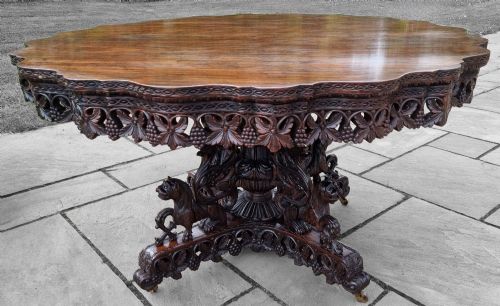
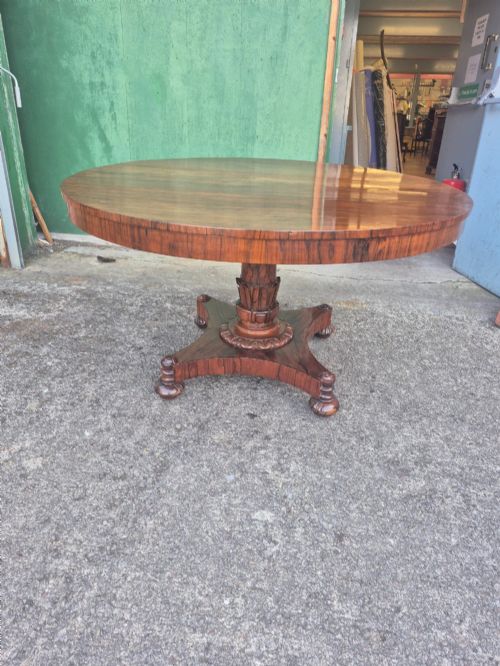
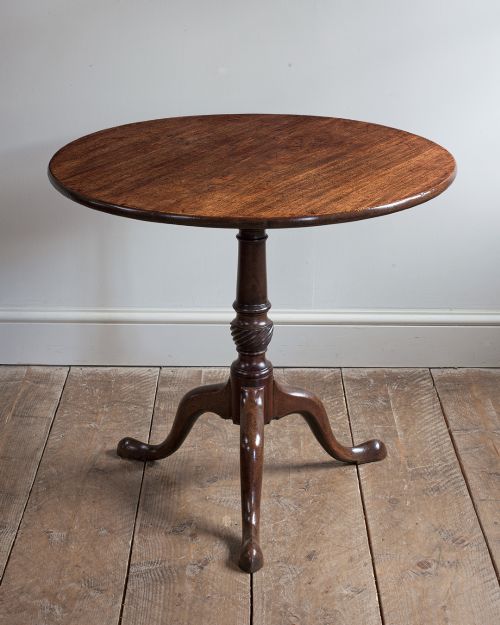
Carved Wood Tilt Top Table
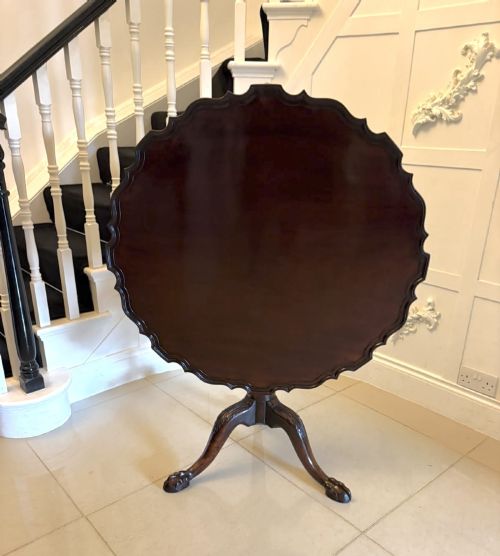
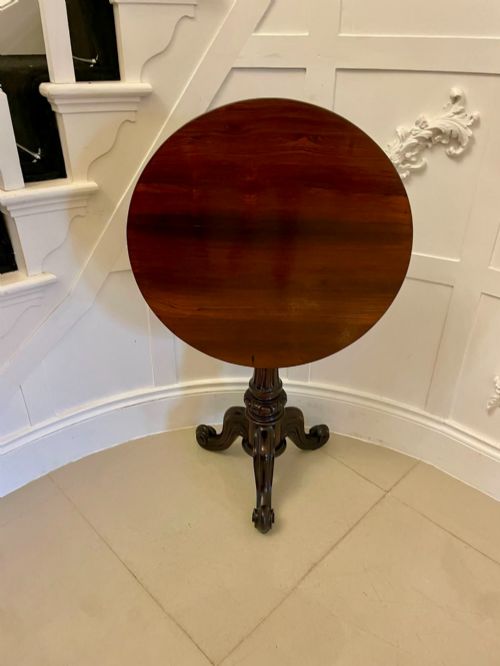
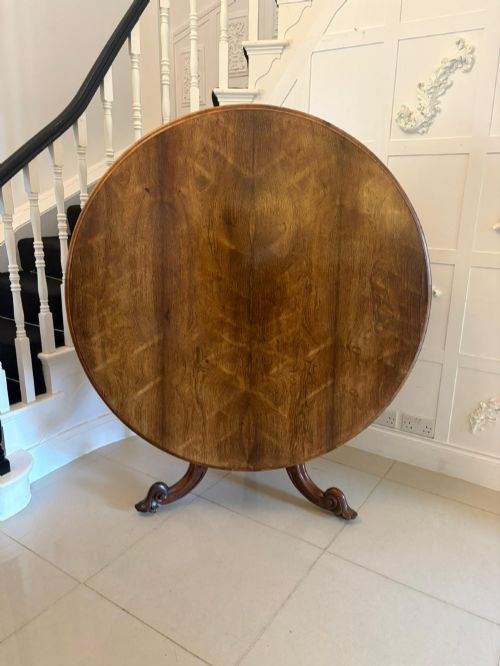
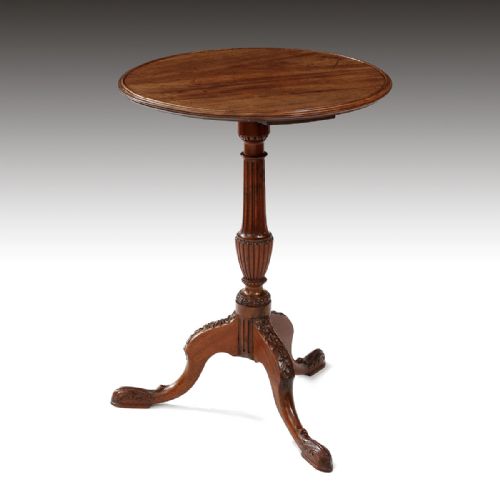
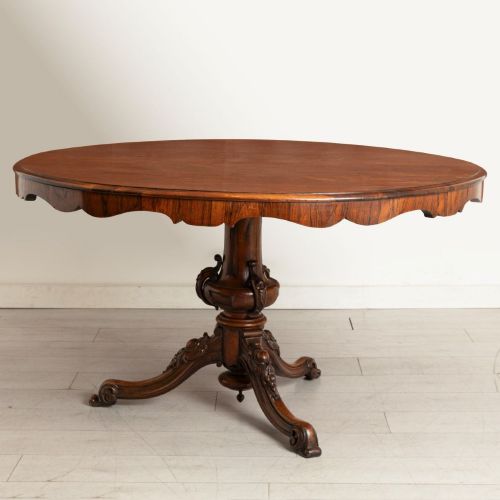
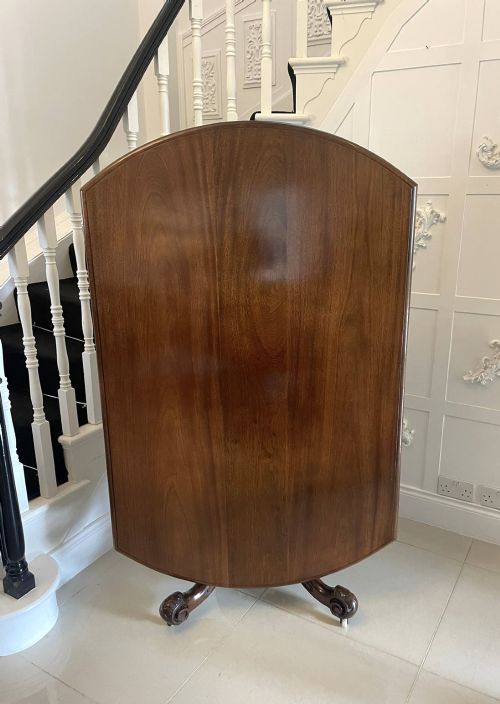
A carved wood tilt top table is a practical antique surface designed to pivot flat for storage when not in service.
Carved Wood Tilt Top Table
When you search for a carved wood tilt top table, you encounter forms ranging from compact wine and occasional tables to large breakfast and dining tables. The pieces span Georgian, Regency, William IV, and Victorian periods, alongside regional styles such as Anglo-Indian and French examples.
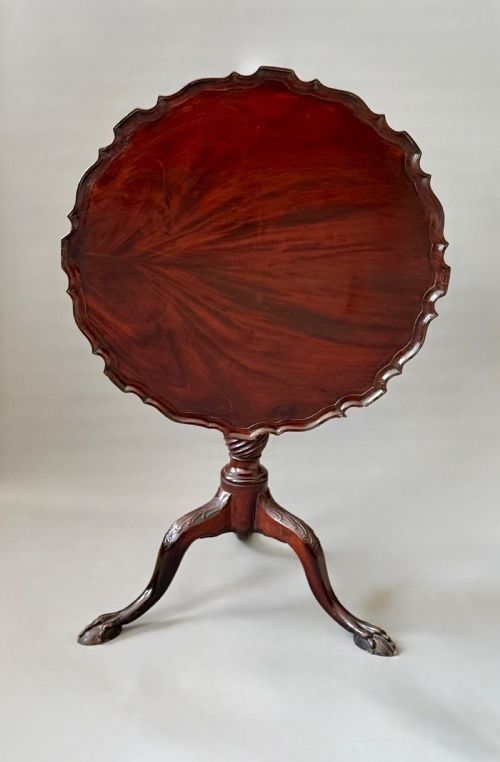
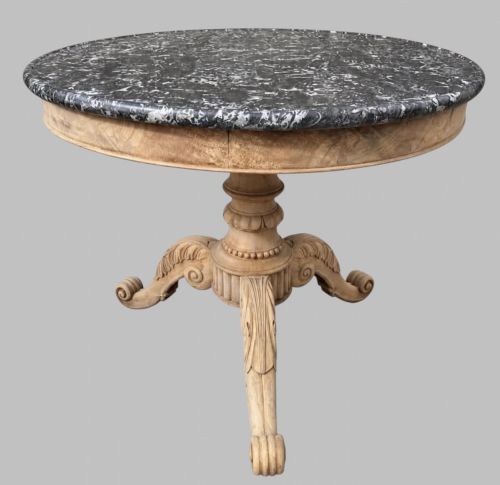
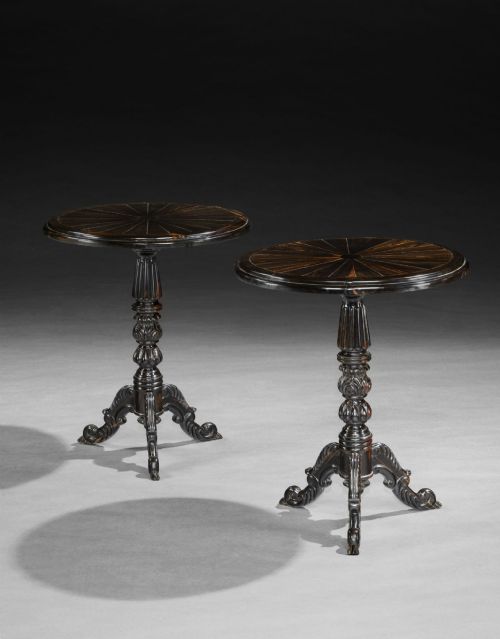
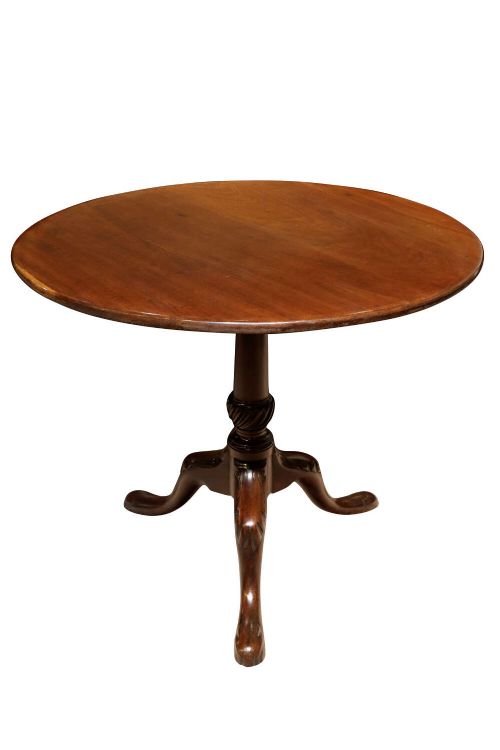
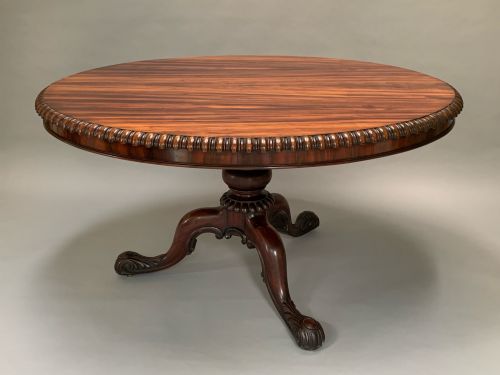
The most common form on this page is the circular tripod table supported by a turned or carved central pillar and three legs. These versatile pieces function as lamp tables, side tables, or occasional tables within domestic interiors.
Materials and construction
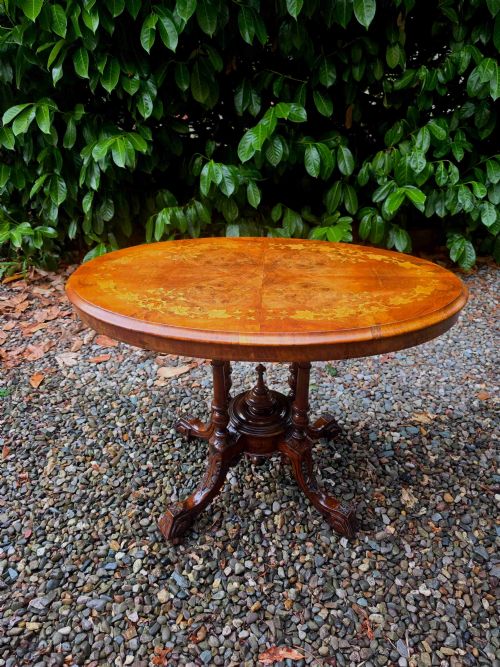
Cabinetmakers utilised dense timbers including mahogany, rosewood, walnut, and ebony, often selecting figured veneers like burr walnut for the top surface. Solid hardwoods provide the structural strength required for the tilting mechanism and the carved tripod base.
Joinery techniques combine turned central pedestals with pegged or dovetailed joints connecting the top to the mechanism. Hand carving decorates the pillars and legs, while brass catches secure the tabletop in the horizontal position.
Materials across these listings include mahogany, rosewood, walnut, burr walnut, ebony, brass, and paint.
Variations in quality
Quality rests upon the selection of timber and the crispness of the hand carving on the pedestal and feet. Superior examples display deeply articulated foliage or scrolling motifs rather than shallow or mechanical shaping.
The engineering of the tilting mechanism distinguishes finer tables, ensuring the top locks firmly without wobble. Grain continuity across the timber top and stability in the central column also separate standard utility pieces from high workshop productions.
Gillows·Ralph Turnbull
The Carved Wood Tilt Top Table Glossary
- Tilt top table
- A table with a hinged mechanism allowing the surface to rotate vertically against the pedestal when not in use. This clever design saved valuable floor space in historic rooms.
- Tripod base
- A support structure featuring three legs radiating from a central pillar. This configuration ensured stability on uneven floors.
- Pie crust table
- A round tabletop edged with a raised, carved wooden moulding resembling pastry crust work. It represents a refined Georgian aesthetic.
- Breakfast table
- A large occasional table from the Regency or Victorian eras used for morning meals or as a centrepiece. These examples frequently incorporate the tilt top feature.
- Gueridon
- A small French occasional table supported by a single central column or figures. These pieces often feature exotic woods or painted finishes.
Carved Wood Tilt Top Table: Frequently Asked Questions
How do I operate the tilt mechanism?
Most tables use a brass catch or release pin beneath the top. Pressing this mechanism allows the surface to pivot smoothly on its pivot block.
Ensure you support the tabletop with one hand while releasing the catch to prevent sudden movement or strain on the pivot hinge.
Were these tables meant for dining?
Larger breakfast and dining versions served morning meals in private rooms before being cleared away. Smaller wine and occasional tables held drinks or small objects beside seating.
The tilting function allowed servants to store multiple tables against the wall, clearing the floor for other activities.
How do I date a mahogany tripod table?
Georgian examples often display simpler, elegant proportions with pad or snake feet. Victorian iterations tend to feature heavier, more robust carvings and turned pedestals.
Examine the underside for construction marks, screw types, and timber oxidation to confirm the period.
Where should I place a tilt top table?
These pieces suit corners or empty wall spaces where the tilted top displays the decorated wood grain as a visual feature. In active rooms, keep them flat for use as lamp or side surfaces.
Avoid positioning them in direct sunlight or beside heat sources to protect the polished wood finishes.