
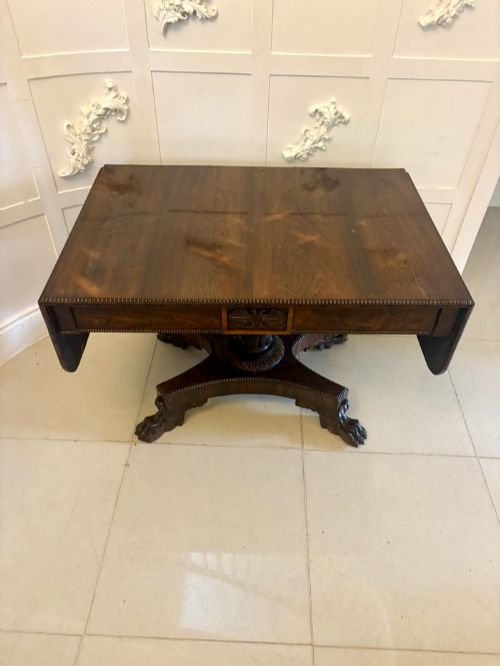
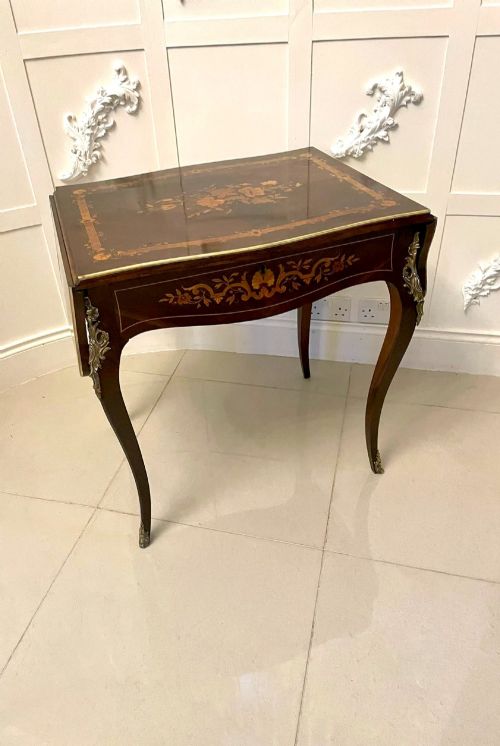
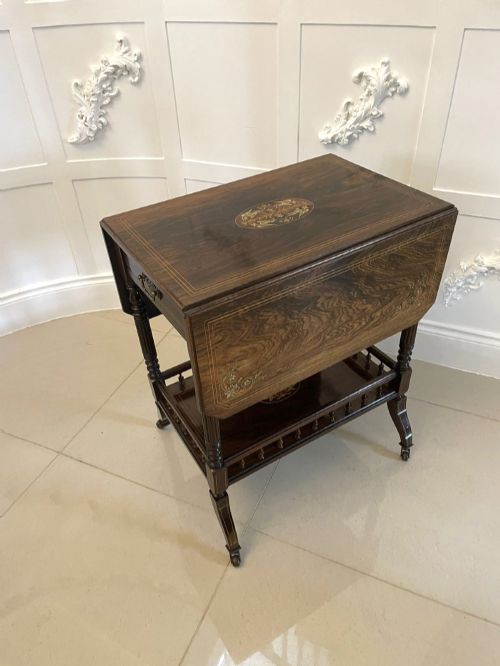
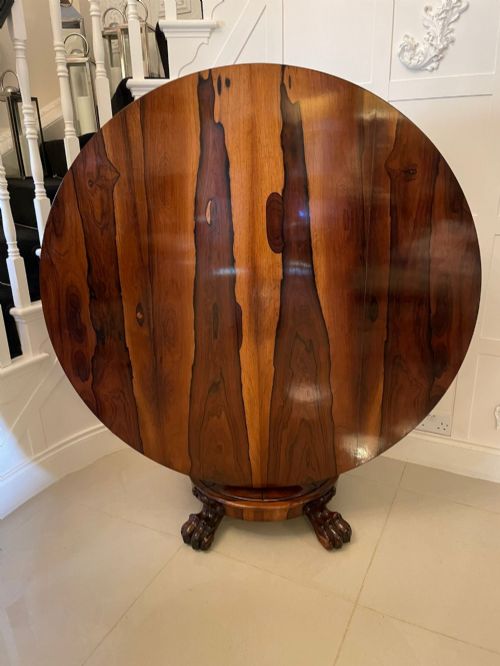


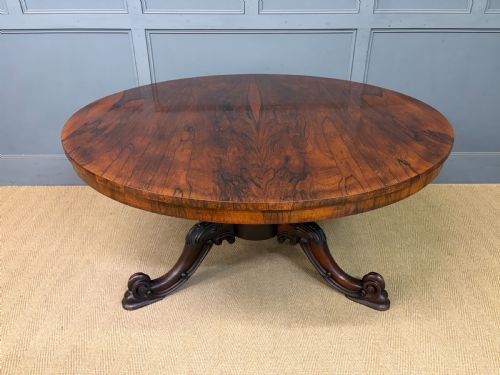
Dark Rosewood Centre Table
A dark rosewood centre table anchors a room with deep timber and architectural presence, offering a sturdy surface designed to sit proudly in the middle of a space.
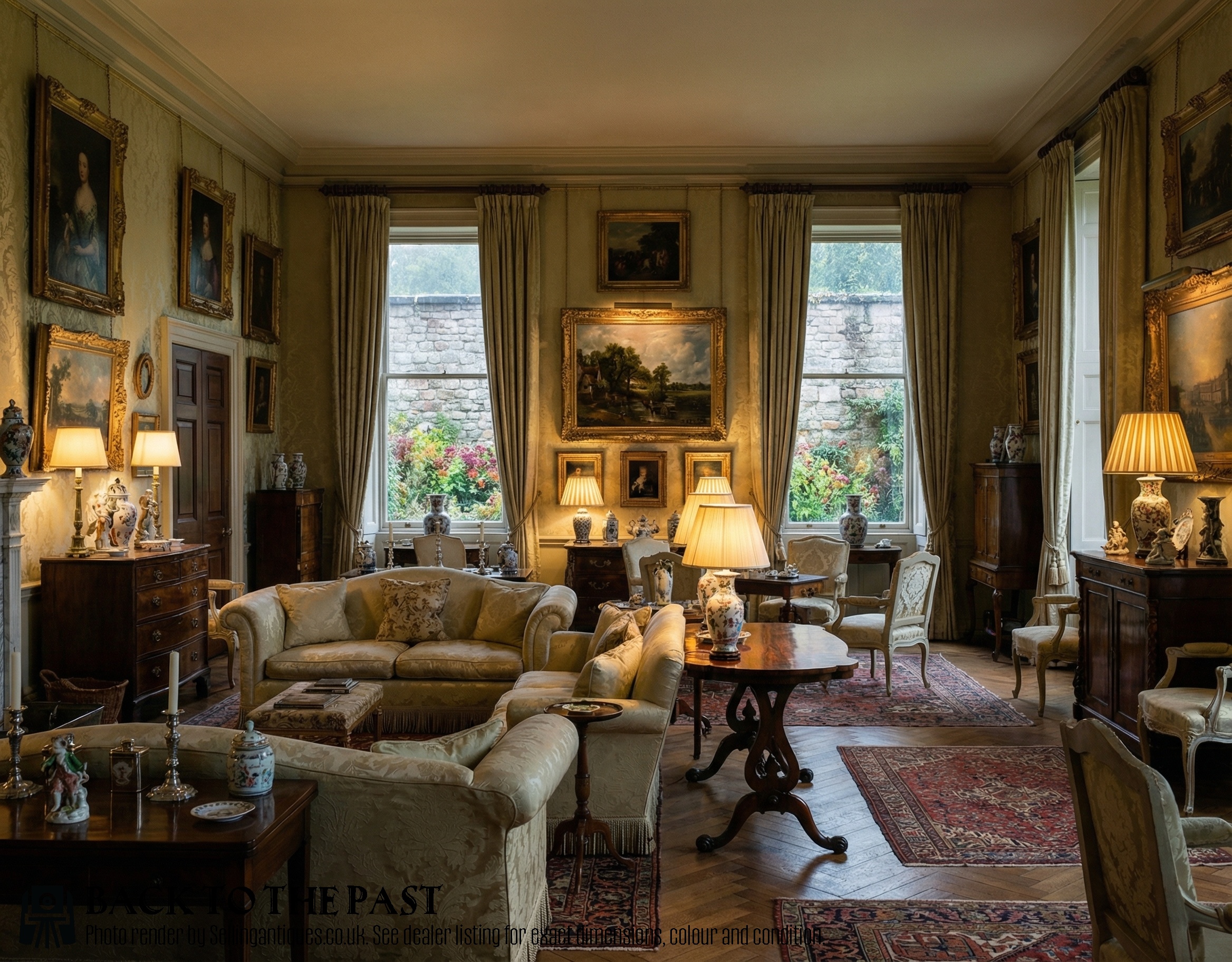
Identifying a dark rosewood centre table
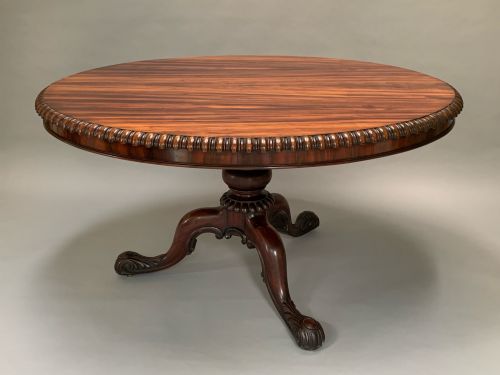
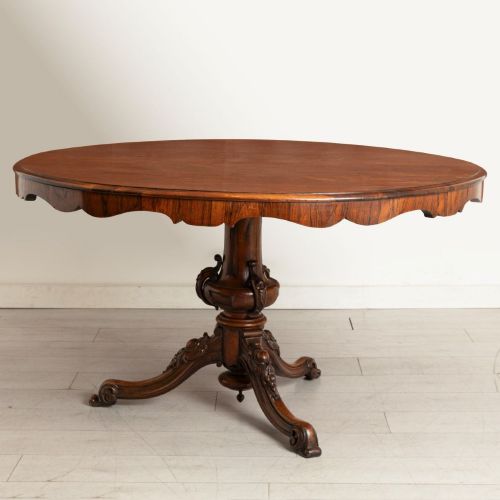
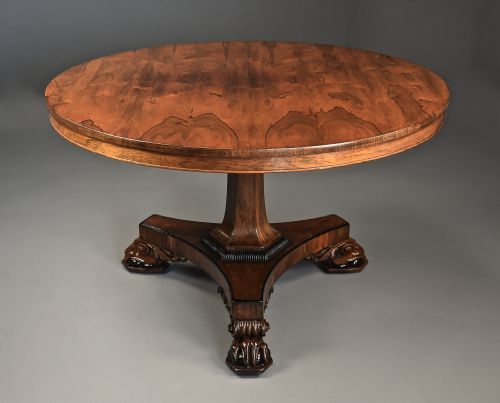
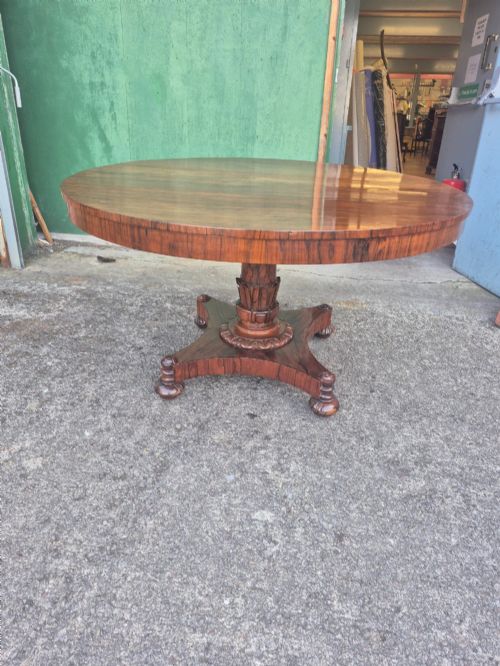
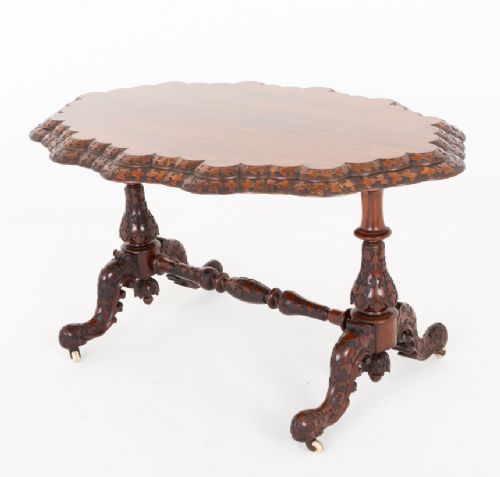
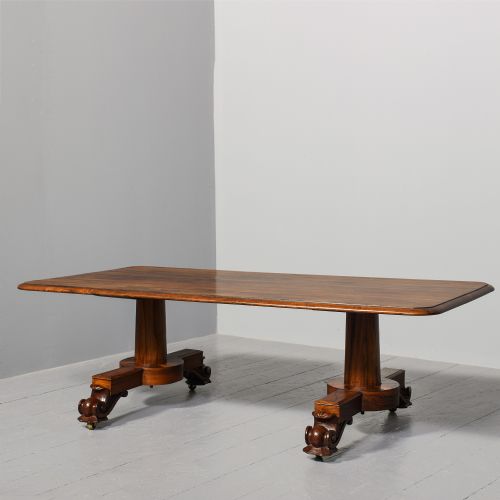
A dark rosewood centre table stands as a substantial piece of furniture designed to be viewed from every angle in the middle of a room. The items found here span the nineteenth century, encompassing periods such as the Regency, William IV, George IV, and early Victorian eras.
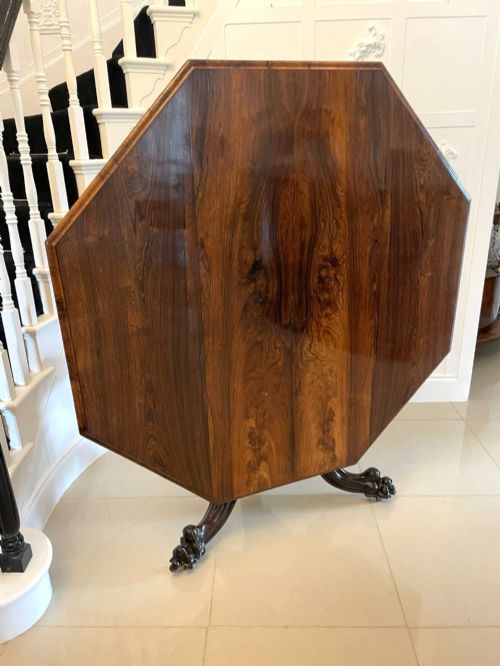
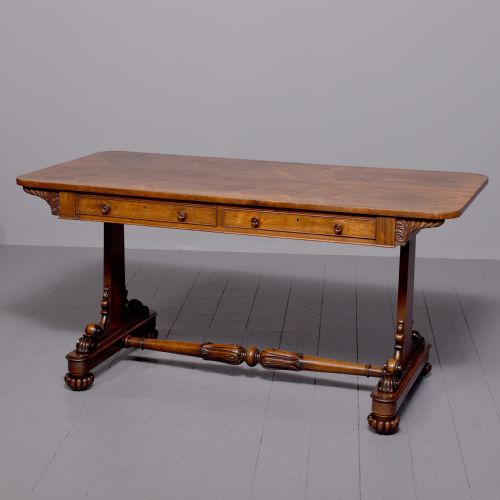
The forms vary across the listings from circular dining and loo tables to tilt-top varieties, pedestal library tables, and stretcher tables. Many examples double as dining or occasional furniture, showcasing the versatile uses employed during the nineteenth century.
Origins range from standard British cabinet-making styles to specific regional interpretations such as Anglo-Indian pieces. Buyers encounter various designations including centre tables, dining tables, and library tables within the current selection.

Materials and construction
The primary timber across these pieces is rosewood, frequently utilised as a veneer over secondary woods such as oak to create rich, dark surfaces with striking grain patterns. Cabinet-makers exploited the deep natural hues of the timber to achieve formal, polished finishes.
Metal components such as brass appear in structural mounts, castors, or decorative inlays, adding functional mobility and contrast to the dark wood. Joinery techniques from the nineteenth century support heavy pedestal bases and tilt-top mechanisms designed for daily use.
Retail Price Guide 2026
Typical UK retail prices for dark rosewood centre table, calculated from the Sellingantiques database of over a million retail prices indexed since 2003. This retail price guide relies exclusively on Sellingantiques data; no external sources or auction records are used, so the figures do not describe the wider market.
Materials appearing in the current selection include rosewood, veneer, oak, and brass.
Distinctions in quality
Quality reveals itself in the choice of timber figure and the precision of the veneer work across large table tops. Superior examples display carefully matched grain patterns that create a cohesive visual field rather than random patches of timber.
Construction integrity distinguishes standard production from exceptional cabinet-making, particularly in heavy pedestal bases, tilt-top mechanisms, and stretcher joints. The presence of documented maker attribution further separates standard workshop output from premier metropolitan commissions.
Gillows
The Dark Rosewood Centre Table Glossary
- Tilt-top
- A table top hinged to the pedestal so it can be flipped vertically and stored against a wall when not in use. This mechanism allowed rooms to be cleared quickly in nineteenth-century homes.
- Pedestal table
- A table supported by a single central column rising from a heavy base rather than four corner legs. This design provided maximum legroom for diners seated around circular tops.
- Loo table
- A large round table traditionally used for the popular nineteenth-century card game of loo. These tables frequently feature tilt mechanisms.
- Stretcher table
- A table with horizontal wooden bars connecting the legs for added stability. These rails strengthen the underframe.
- Anglo-Indian
- Furniture made in India by local craftsmen using British forms and exotic timbers for the export market. These pieces often feature distinctive carving.
Frequently Asked Questions
What is a centre table?
A centre table is a freestanding piece of furniture finished on all sides so it can stand in the middle of a room rather than against a wall.
Unlike standard dining tables meant for specific alcoves, these tables served multiple functions including display, reading, and informal dining.
How do I date a rosewood table?
Dating relies on stylistic markers from periods like the Regency, William IV, and early Victorian eras alongside construction methods.
Cabinet-making techniques, timber preparation, and hardware styles help narrow the decade of manufacture during the nineteenth century.
Where should I place a tilt-top table?
Tilt-top tables function effectively in large hallways, libraries, or drawing rooms where floor space requires periodic reconfiguration.
When tilted vertically, the decorated top serves as a visual feature against a wall.
What is an Anglo-Indian table?
An Anglo-Indian table combines British furniture forms with indigenous Indian carving traditions and dense tropical timbers.
These pieces reflect the cross-cultural exchange of the nineteenth-century British Empire.