

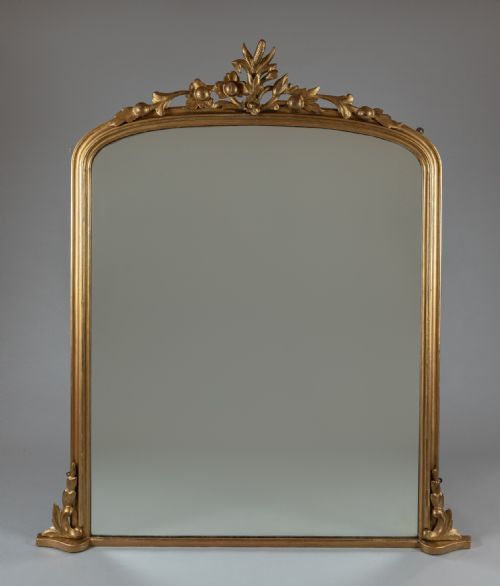
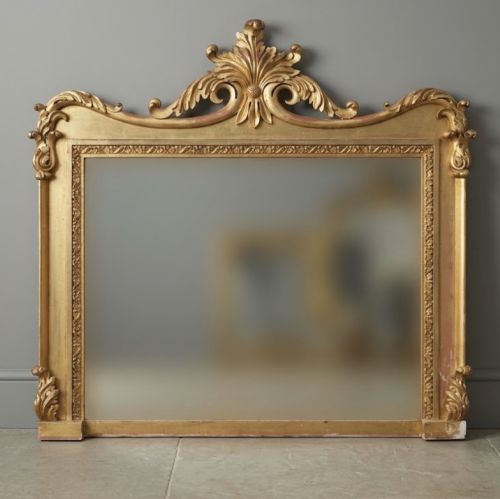
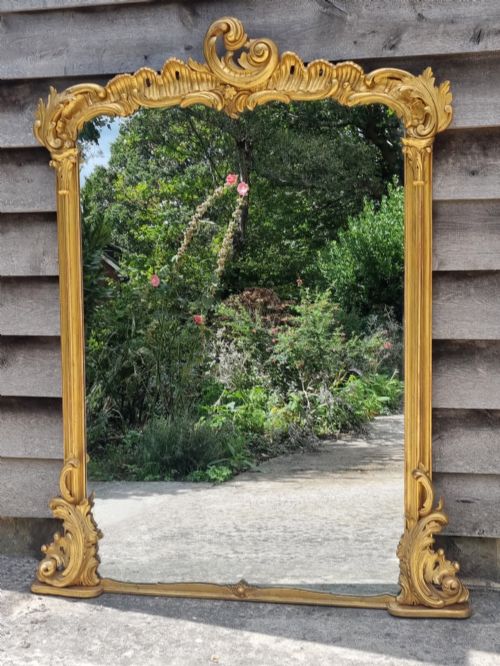
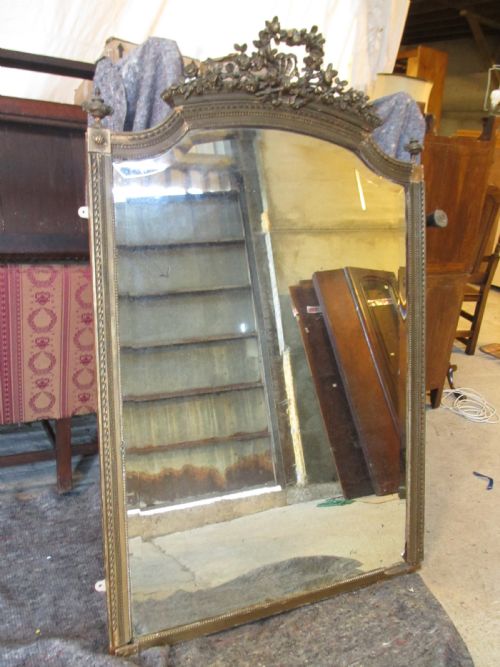
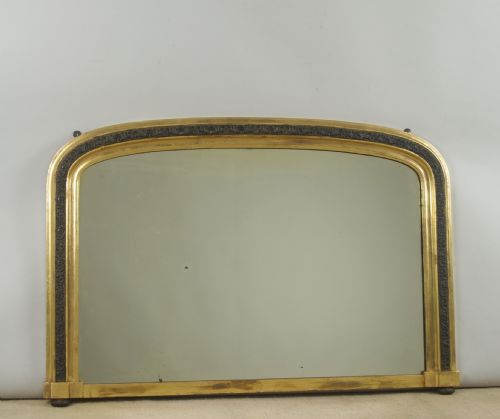
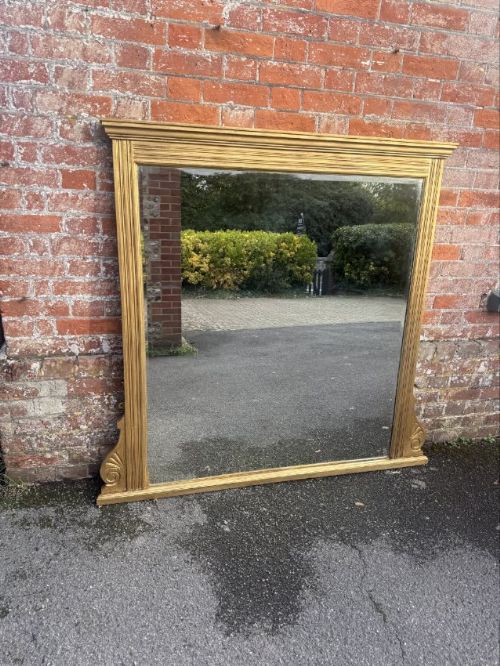
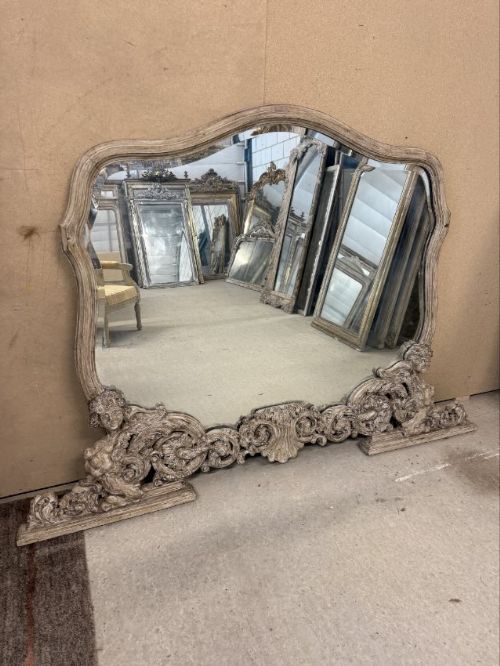
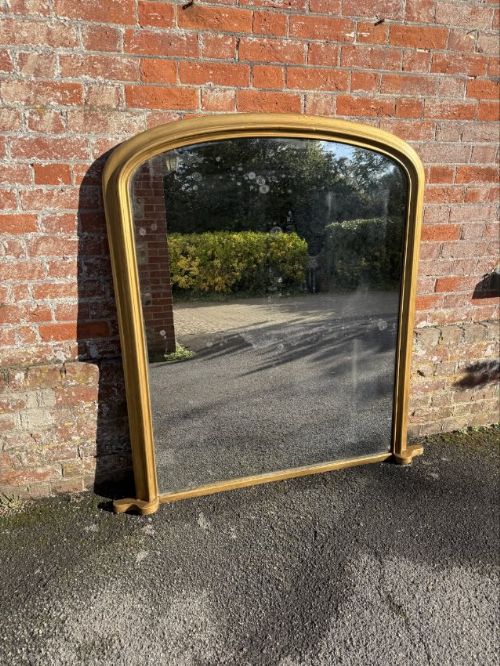
Carved Wood Fireplace Mirror
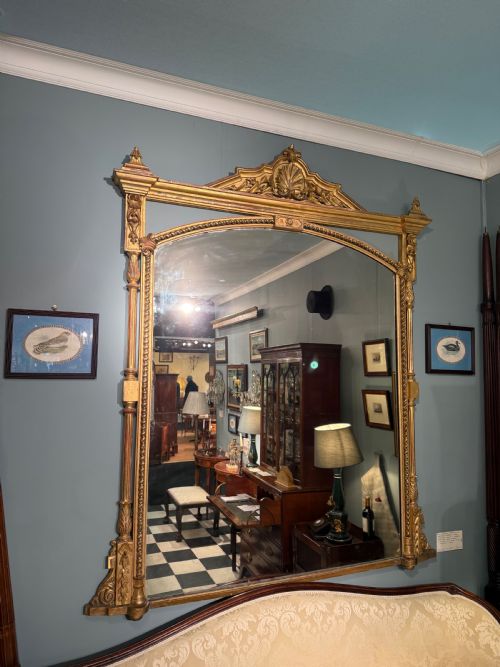
A carved wood fireplace mirror sits above the hearth, anchoring the room with a wide, reflective span.
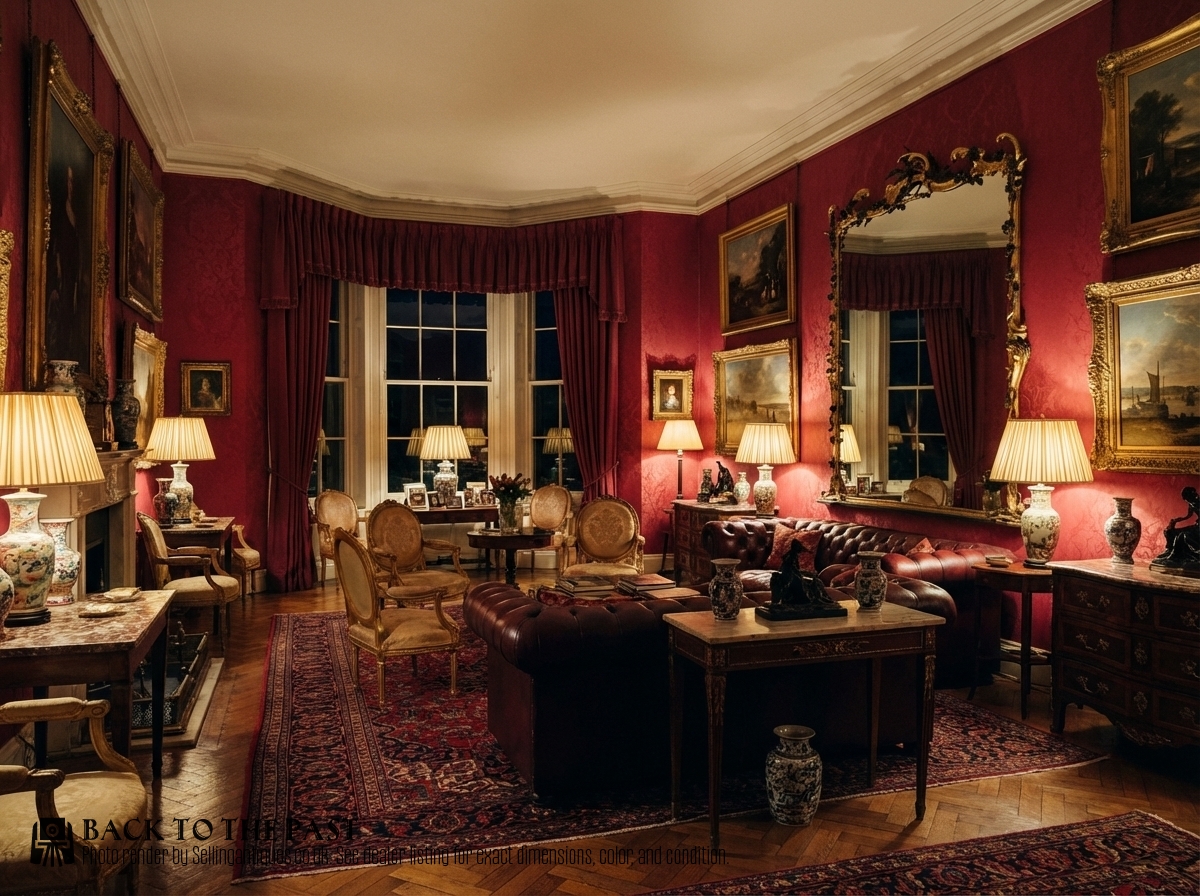
Carved Wood Fireplace Mirror
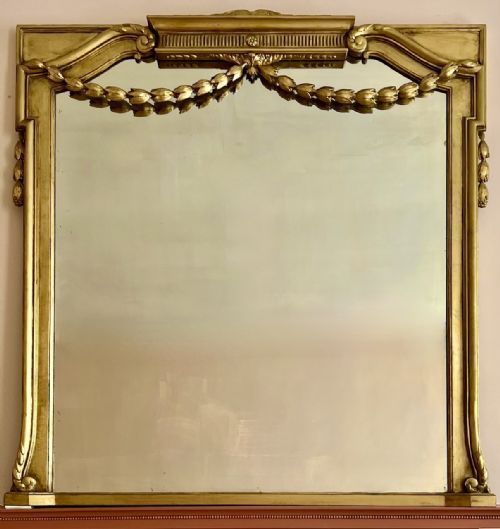
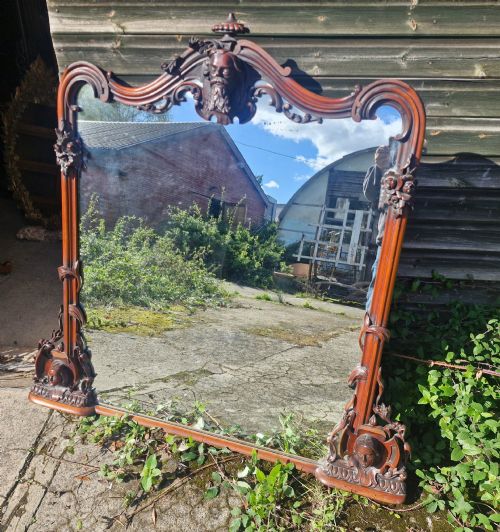
A carved wood fireplace mirror appears primarily as a large overmantel mirror designed to sit directly upon a mantelpiece. These furnishings date predominantly from the nineteenth century, including Victorian examples alongside earlier eighteenth-century painted pine pieces.
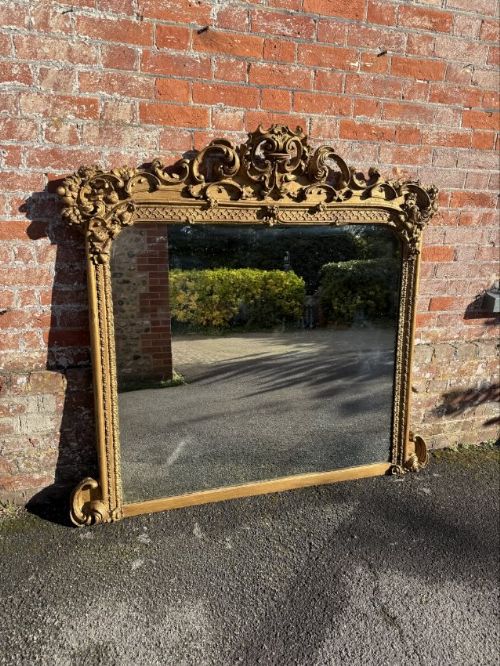
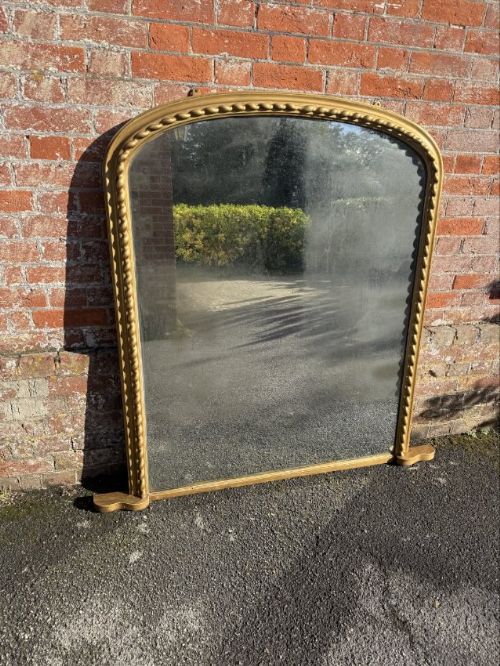
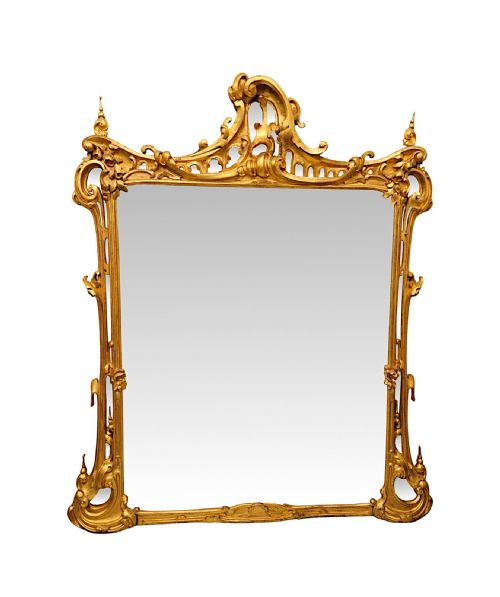
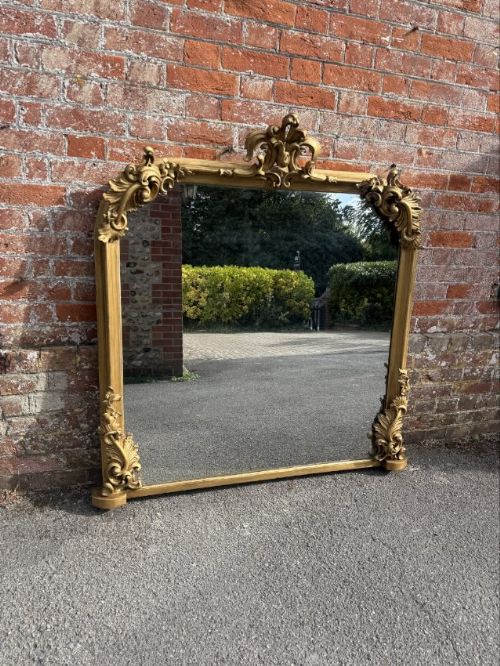
The most common form met on this page is the large arched top gilt overmantel mirror, often framed in wood and gesso. Surviving items span several styles, from Regency and Louis Philippe to Rococo Revival and Chinese Chippendale.
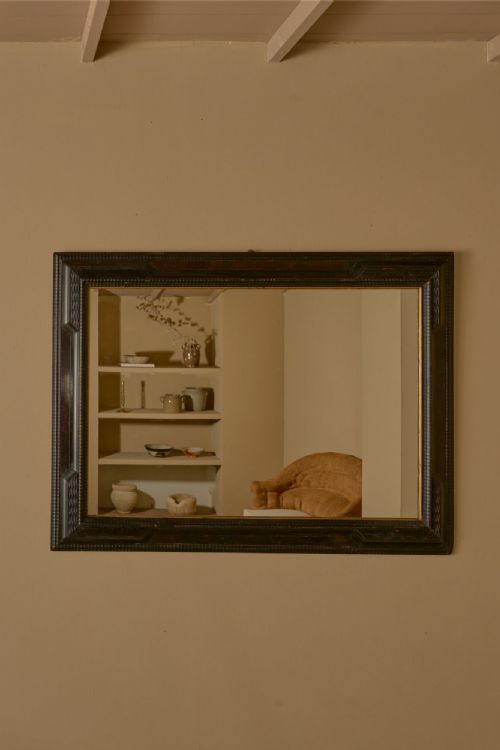
Makers shaped these wall mirrors to dominate the chimney breast, frequently utilising triple plates or triptych formats. Buyers encounter both rectangular and shaped top designs executed in mahogany, walnut, oak, and rosewood alongside gilded finishes.
What varies in quality
The depth and crispness of the carved wood ornamentation dictate the refinement of the piece, separating standard production from exceptional craftsmanship. Elaborate details like Ho-Ho bird crestings or intricate rope twists demand higher technical skill from the carver.
The integrity of the original gesso and gilding influences the standing of the mirror, as heavy restoration or re-gilding alters the surface texture. The clarity of the mirror glass and the stability of the large wooden frame also govern the overall execution.
Carved Wood Fireplace Mirror Retail Price Guide 2026
Typical asking prices for carved wood fireplace mirror among the pieces listed under this phrase on Sellingantiques today, from the lower quarter to the upper quarter. They describe what is for sale here now, not the wider market.
Listings feature items from the eighteenth and nineteenth centuries, spanning Victorian, Regency, and Louis Philippe periods in wood and giltwood.
The Carved Wood Fireplace Mirror Glossary
- Overmantel mirror
- A large wall mirror specifically scaled to hang or stand upon the mantelpiece above a fireplace. These pieces often feature wide horizontal proportions to match the width of the hearth below.
- Gesso
- A plaster-like mixture applied to carved wood as a smooth base for gilding. Artisans built up layers of this substance to model intricate relief ornamentation.
- Giltwood
- Timber that has been coated with gold leaf or gold paint. This finish defines many nineteenth-century fireplace mirrors.
- Triptych
- A mirror composed of three panels placed side by side. This configuration splits the reflective surface across multiple sections.
- Cresting
- The decorative carved woodwork mounted at the very top of a mirror frame. Makers used this feature to add height and style to the composition.
Carved Wood Fireplace Mirror: Frequently Asked Questions
Where should an overmantel mirror be placed?
These mirrors traditionally sit directly on the mantelpiece above a fireplace, secured safely to the wall behind for stability. Their wide proportions balance the horizontal weight of the hearth.
They also function effectively on large blank walls in reception rooms, where their scale mimics the architectural presence of a fireplace.
How do I identify a nineteenth-century mirror?
Nineteenth-century pieces often display characteristic timber construction beneath layers of gesso, utilising woods like mahogany, walnut, or pine. Stylistic clues such as Rococo Revival curves or Victorian arched tops point directly to this era.
Close inspection of the glass plate and the backboards reveals the age of the materials and assembly methods used by period craftsmen.
What is a Chinese Chippendale style mirror?
This style draws on eighteenth-century design motifs inspired by Chinese aesthetics, featuring intricate fretwork and asymmetrical elements. Nineteenth-century revivals adapted these decorative themes for large overmantel mirrors.
Elements like the Ho-Ho bird cresting frequently appear within this distinct design vocabulary.
How are large fireplace mirrors supported?
Because of their substantial weight, large overmantel mirrors require secure wall fixings in addition to resting on the mantel shelf. Fixing brackets distribute the load safely.
Proper installation prevents the heavy wooden frames from shifting forward over time.