


Georgian Fireplace Mirror
A georgian fireplace mirror brings scale and reflection to a room, designed to sit above the mantelpiece and catch the light from every corner.
Georgian Fireplace Mirror
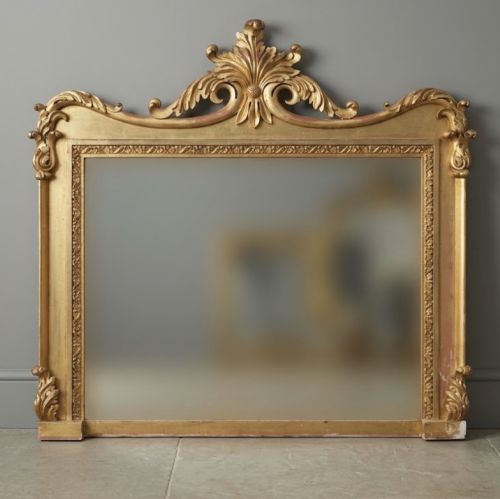
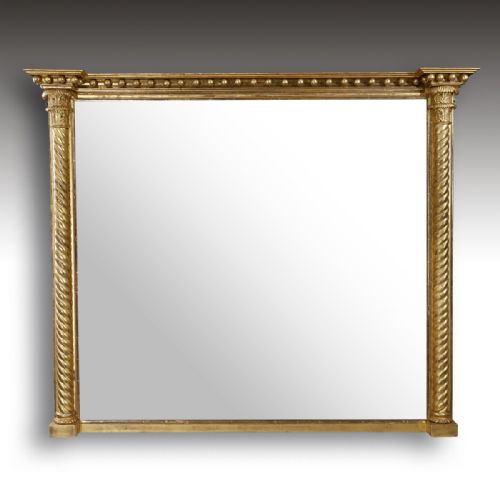
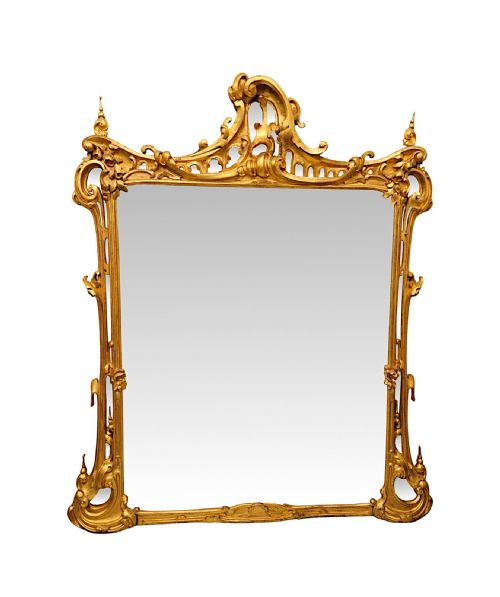
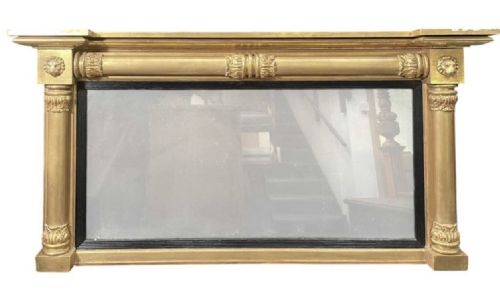
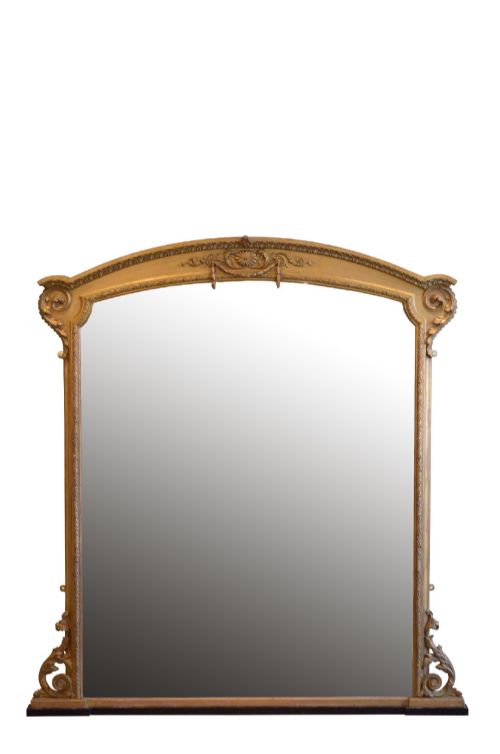
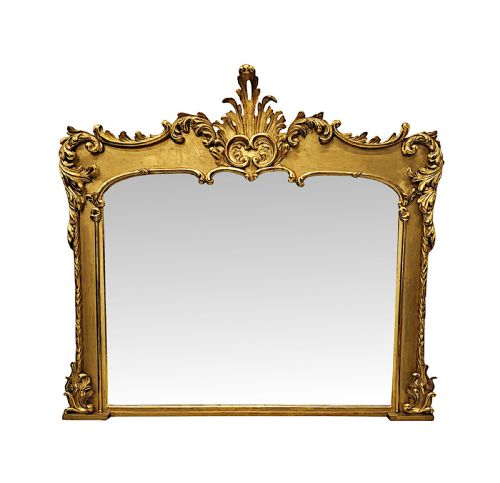
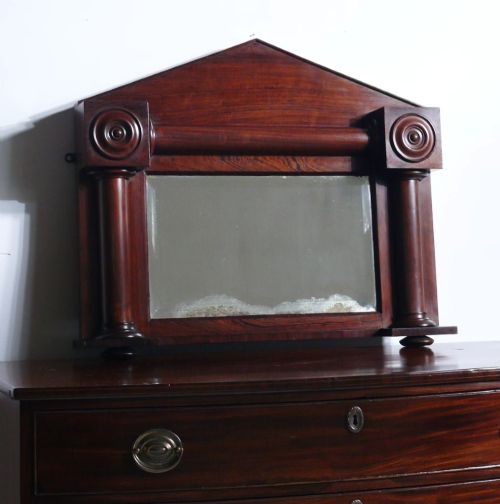
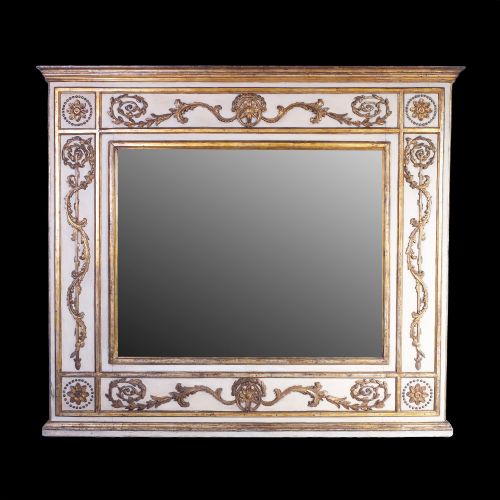
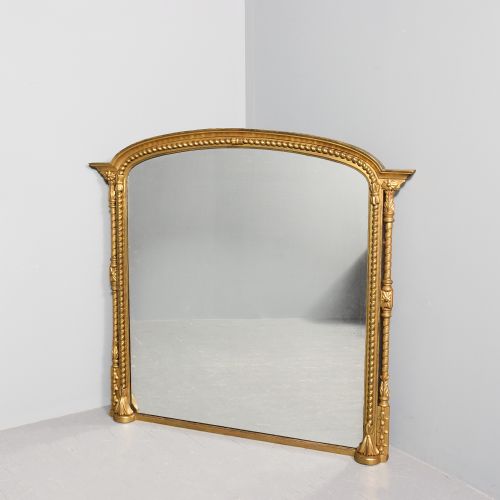
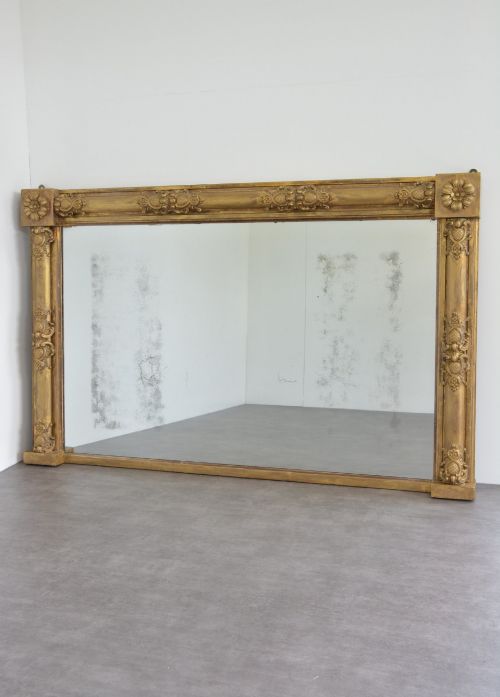
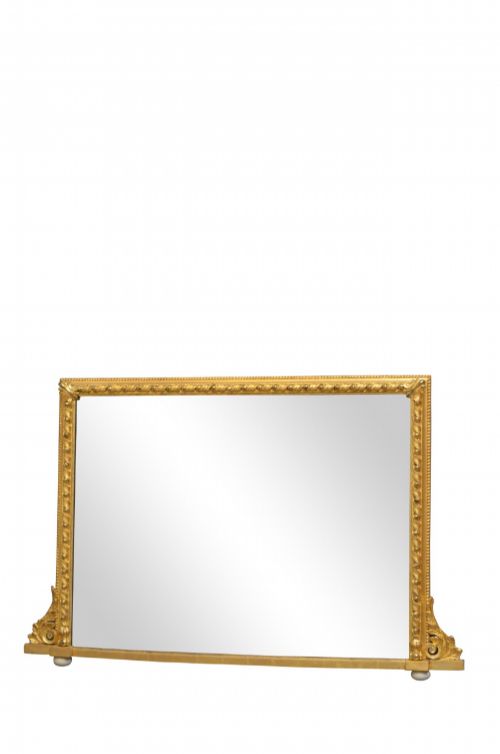
When you search for a georgian fireplace mirror, you are looking at large horizontal overmantel mirrors designed to hang above a hearth. The versions you will most commonly encounter on this page span the 18th century, Regency period, and Victorian eras, often taking the form of wide overmantels.
These pieces function primarily as landscape mirrors that visually expand the proportions of a room. Many examples show distinct regional or stylistic influences, ranging from neoclassical details to Chinese Chippendale motifs and Irish rococo elements.
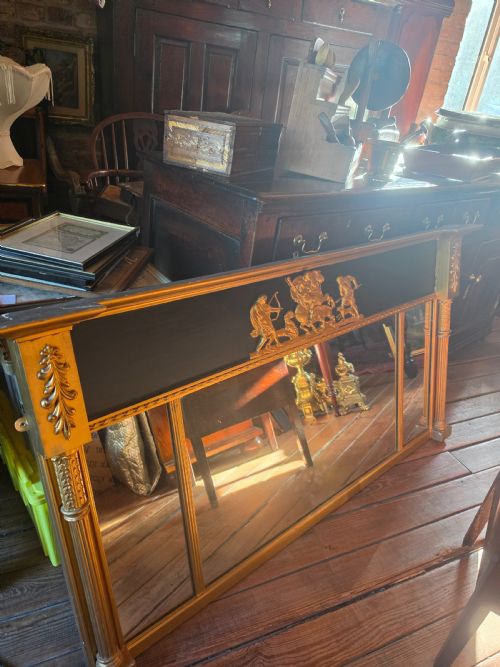
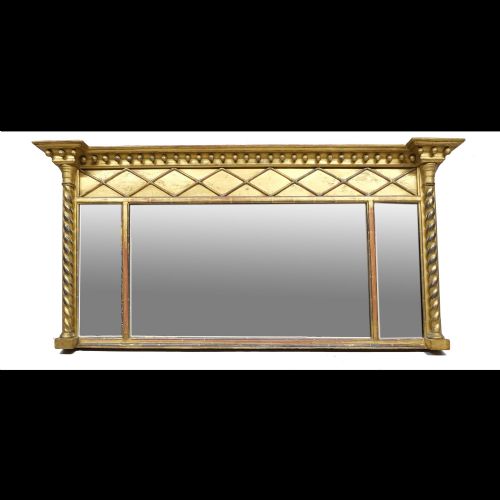
The format typically involves either a single wide glass plate or a triptych division separated by columns or pilasters. Makers constructed them to anchor the chimney breast, reflecting both the firelight and the daylight from adjacent windows.
How They Were Made
Makers built the foundational frames of these mirrors using pine, mahogany, or rosewood, applying layers of gesso and composition ornaments to create relief decoration. Artisans then applied gold leaf to the prepared gesso surfaces, or finished the wood with paint or ebonising.
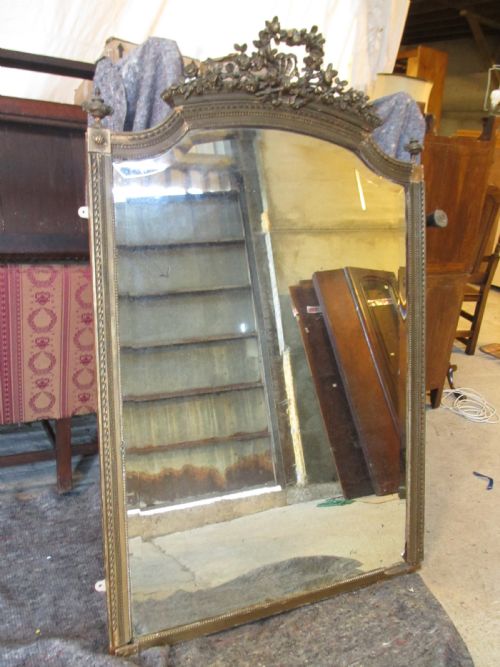
The glass plates were traditionally hand-silvered, which often results in characteristic signs of age such as light foxing. Carved wooden elements, acanthus decorations, and applied motifs like laurel wreaths or griffin friezes were integrated directly into the structural frames.
Georgian Fireplace Mirror Retail Price Guide 2026
Typical asking prices for georgian fireplace mirror among the pieces listed under this phrase on Sellingantiques today, from the lower quarter to the upper quarter. They describe what is for sale here now, not the wider market.
The inventory records overmantel forms incorporating specialised details like Ho Ho birds, squirrels, and classical griffin friezes across various English and Irish workshops.
What Varies in Quality
The distinction between tiers of quality rests on the crispness of the hand-carved woodwork versus the repetitiveness of moulded composition ornaments. Better examples maintain sharp relief in details like acanthus leaves, birds, and classical friezes.
The survival of original mirror glass and original backboards significantly alters the character of a piece. Depth of gilding and the integrity of the underlying gesso layers also separate standard production from superior craftsmanship.
The Georgian Fireplace Mirror Glossary
- Overmantel mirror
- A large mirror specifically proportioned to hang on the wall directly above a fireplace mantelpiece. These pieces are wider than they are tall to match the breadth of the hearth.
- Triptych
- A mirror plate divided horizontally or vertically into three distinct sections, often separated by decorative columns or pilasters. This layout is frequently seen in Regency period examples.
- Gesso
- A plaster-like mixture applied to wooden frames as a smooth base for subsequent gilding or painting. Skilled artisans carved intricate details directly into this hardened layer.
- Foxed glass
- Mirror glass showing small spots, discoloration, or cloudiness caused by the degradation of the silver backing over long periods. Collectors often prize this characteristic for its authentic appearance of age.
- Composition
- A moulded mixture of whiting, resin, glue, and oil pressed into ornamental shapes for frames. It offered a quicker alternative to hand carving while allowing elaborate neoclassical designs.
Georgian Fireplace Mirror: Frequently Asked Questions
How do I hang a heavy overmantel mirror?
These mirrors require secure anchoring directly into masonry or substantial wall studs due to their considerable weight and broad timber frames. Professional framing brackets distributed evenly across the backboard provide the necessary support for safe wall mounting.
Position the mirror at a height that complements the mantelpiece below while ensuring the weight load is safely transferred to the wall structure. Checking the original backboards and hanging fixings before installation is essential.
Can I place these mirrors above a working fireplace?
Placing a mirror above a working hearth exposes the wood and gilding to rising heat and soot. Historically, these pieces sat above active fires, but modern heating can dry out old pine and crack brittle gesso.
Using a mantel shelf of sufficient depth helps deflect direct heat away from the bottom of the frame. Regular gentle dusting prevents soot accumulation from bonding with the gilt surfaces.
How do I distinguish Regency from Victorian examples?
Regency mirrors tend to feature restrained neoclassical lines, specific motifs like laurel wreaths and columns, and lighter proportions. Victorian interpretations often scale up the dimensions and introduce heavier gesso decoration or bolder architectural framing.
Examining the construction methods on the reverse, including the type of screws and backboards, helps clarify the period of manufacture. Secondary woods like pine also show distinct planing marks depending on the era.
What does a triptych mirror design involve?
A triptych mirror divides the reflective surface into three panels, usually featuring a larger central glass flanked by two narrower panes. This division breaks up the reflection and allows for decorative pilasters or columns within the frame.
This format was particularly popular during the Regency period, often incorporating painted or gilded surfaces. The side panels help widen the visual span of the mantelpiece.