


Carved Wood Cane
A carved wood cane is a personal support and handle fashioned from timber, sought after for its decorative handles and craftsmanship.
Carved Wood Cane
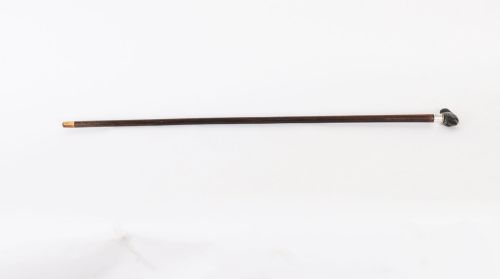
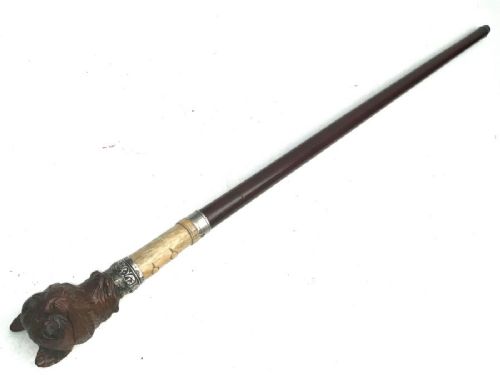
A carved wood cane provides support while serving as a decorative accessory, with examples appearing across the nineteenth and early twentieth centuries. These pieces often feature detailed handles shaped as animals, birds, or novelty figures alongside plain shafts. Buyers searching for a carved wood cane encounter items ranging from simple country pieces to elaborate silver-mounted items.
The materials seen in these objects include hardwood, fruitwood, and ebony, occasionally paired with metal or silver mounts. Many examples date from the Victorian and Edwardian periods, reflecting the styles of those eras. A carved wood cane functions both as a functional walking aid and as a collectible item of personal carriage.
How they were made
Makers shaped a carved wood cane using seasoned timbers such as walnut, oak, fruitwood, and hardwood. Artisans employed hand tools to carve intricate details into the handles, depicting subjects like dogs, horses, parrots, and pheasants. The shafts were turned on a lathe or shaped by hand to ensure a straight grain and structural integrity.
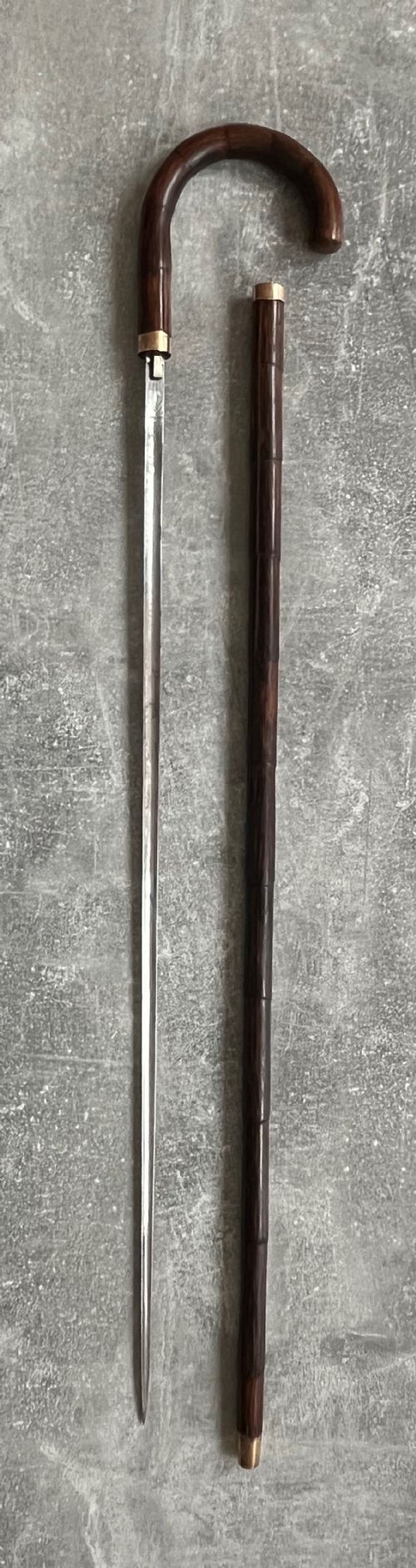
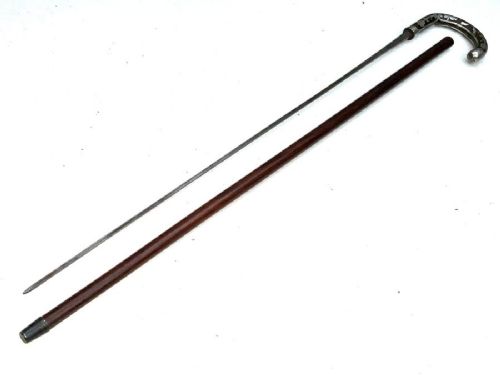
Metal components such as steel blades or silver collars were integrated into specific versions, such as sword sticks or novelty pieces. The timber was finished with oils, waxes, or polishes to highlight the natural grain and colour of the wood. Craftspeople fitted ferrules made of metal or horn to the base of the shaft to protect the wood from wear during use.
The periods represented in these items span the Victorian, Edwardian, Regency, and nineteenth-century eras.
What varies in quality
The integrity of the shaft and the flush fit of any silver collars or metal mounts dictate the overall standard of construction. A well-balanced cane maintains a straight shaft and secure joints between the handle and the body. Preservation of the original surface finish without excessive restoration indicates a higher grade of historical survival.
The Carved Wood Cane Glossary
- Carved wood cane
- A walking stick featuring a carved wooden handle and shaft, often dating from the nineteenth or early twentieth century.
- Silver mount
- A decorative or reinforcing collar made of silver placed directly below the handle of a cane.
- Hardwood
- Dense timber derived from broad-leaved trees, utilised for durability in the shafts and handles of walking sticks.
- Ferrule
- A metal, horn, or rubber cap fitted to the bottom of a cane shaft to prevent splitting and wear.
- Novelty handle
- A cane handle carved into a distinct figurative shape, such as an animal head or human character.
Carved Wood Cane: Frequently Asked Questions
How were carved wood canes used?
A carved wood cane served as a daily walking aid, a fashion accessory, and a status symbol for gentlemen and gentlewomen during the nineteenth and early twentieth centuries.
Certain variations incorporated hidden elements, such as concealed blades in sword sticks, serving self-defence or ceremonial functions.
What woods are found in these canes?
Makers utilised a variety of timbers including walnut, oak, fruitwood, ebony, and various dense hardwoods.
Exotic woods were often selected for their deep colour and fine grain, while native timbers were shaped for everyday utility items.
How do I date a carved wood cane?
Dating relies on the style of the carving, the fashion of the depicted novelty handle, and any accompanying silver hallmarks.
Victorian and Edwardian examples often exhibit specific decorative motifs typical of the late nineteenth and early twentieth centuries.
How should I care for a wooden cane?
Store the cane in a stable environment away from direct sunlight and extreme humidity changes to prevent the timber from warping or splitting.
Apply occasional appropriate wax polish to maintain the finish of the wood without damaging the original surface.