


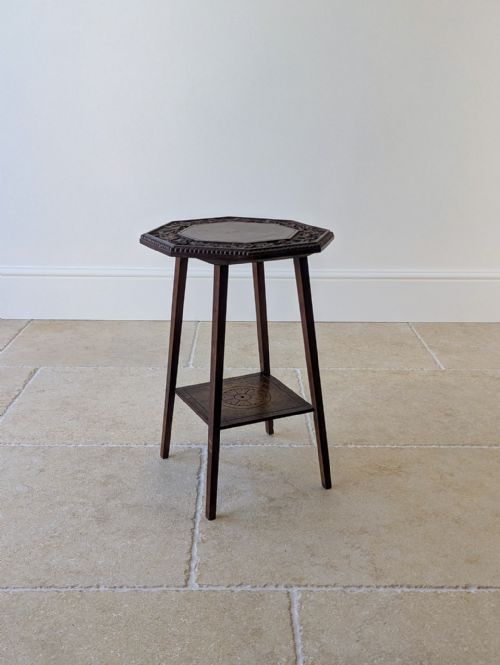
Carved Walnut Side Tables
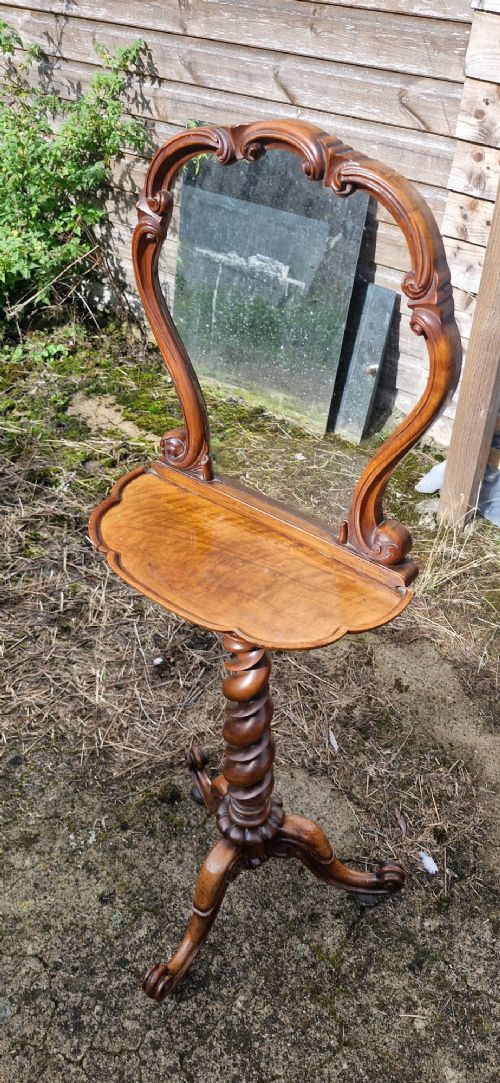
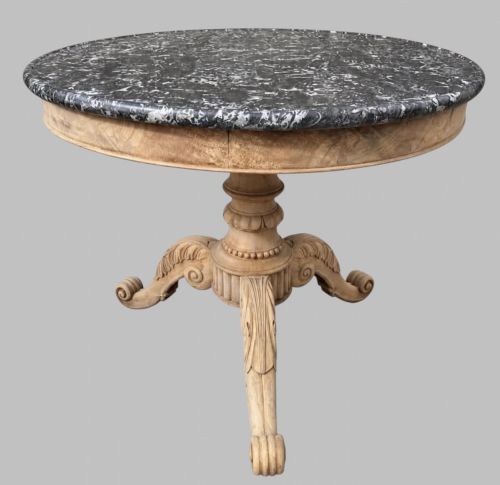
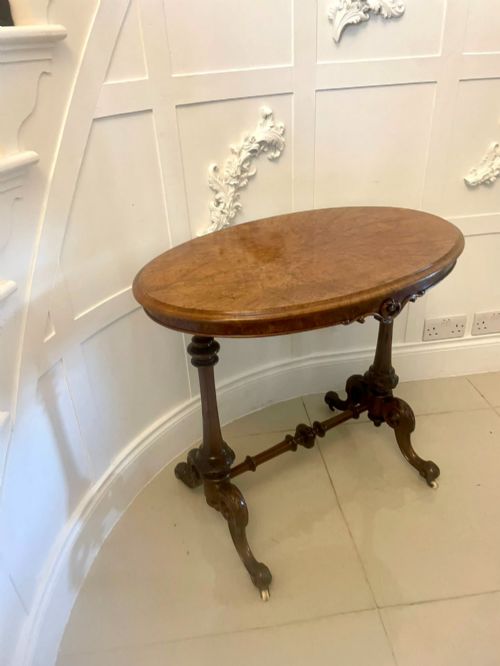
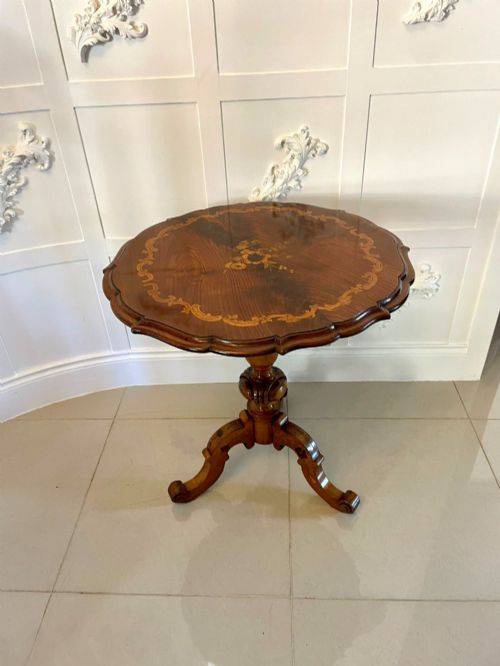
Carved walnut side tables bring rich timber grain and sculptural detail into a room, offering both practical surface space and traditional character.
What carved walnut side tables are
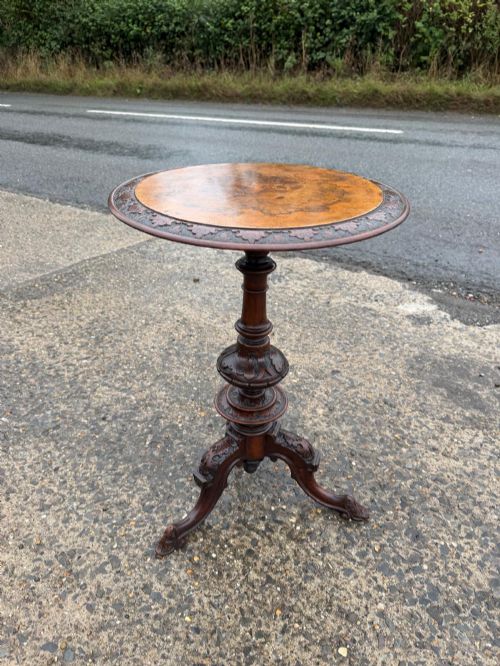
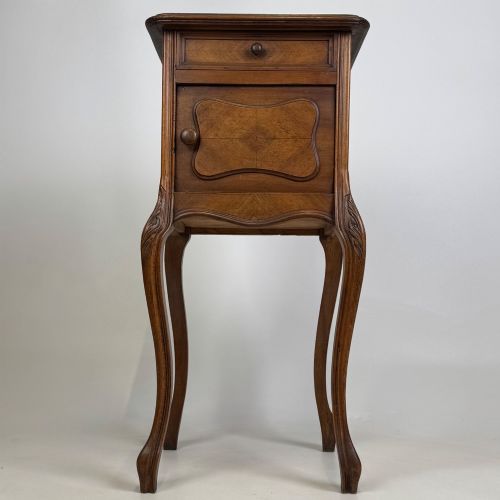
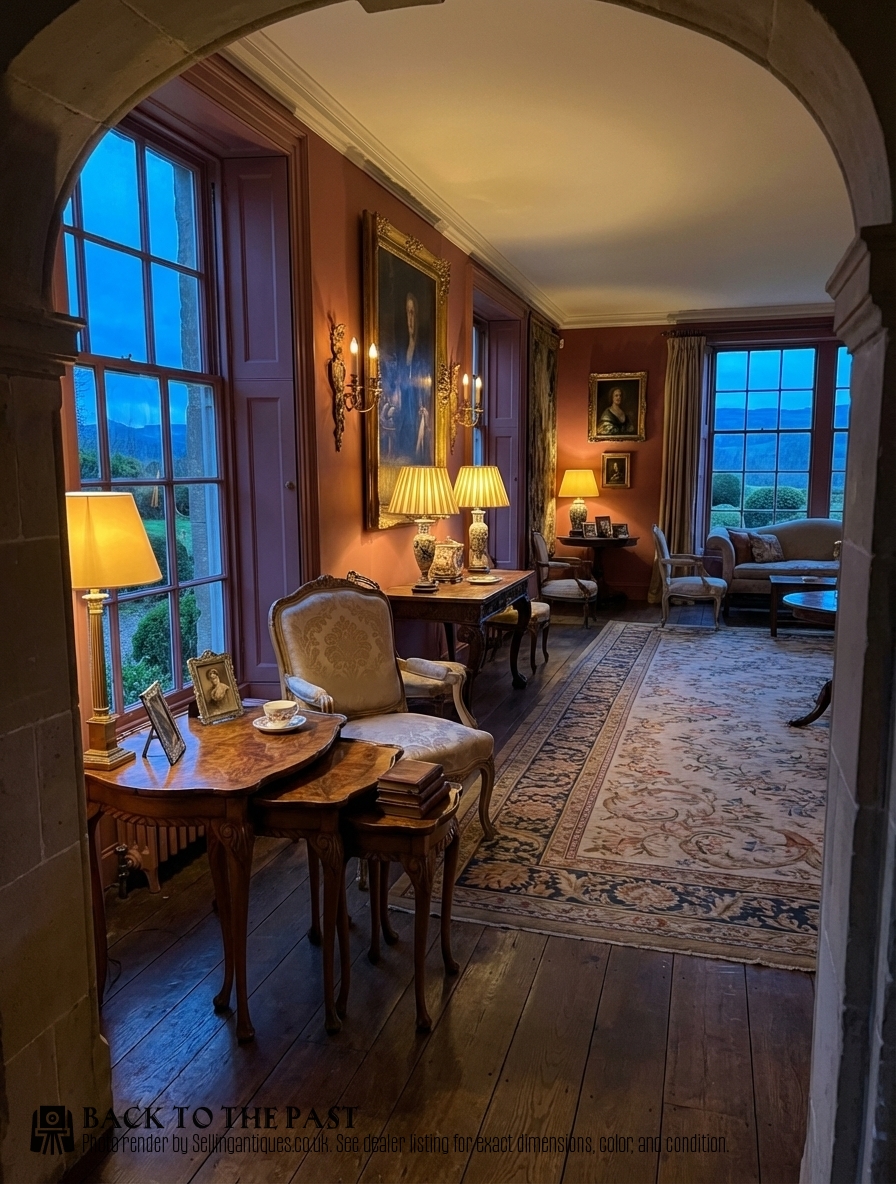
When you search for carved walnut side tables, you are looking at functional wooden furniture spanning the nineteenth and early twentieth centuries, from the eighteen-eighties to nineteen-twenty. These pieces appear in varied forms across the listings, including bedside lamp tables, nests of tables, console tables, side cabinets, and serving tables.
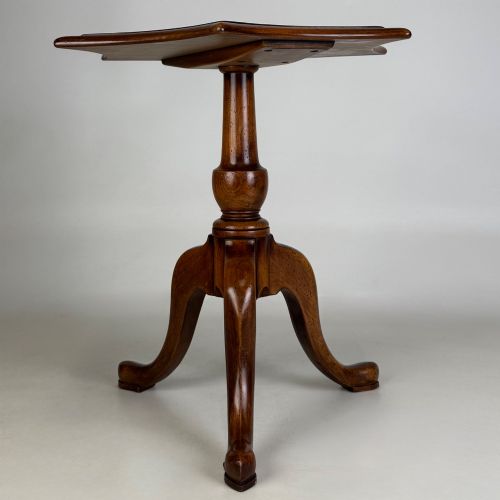
The dominant styles recorded in the evidence draw heavily on historical European revivals, notably Rococo Revival, Louis XV Revival, and Queen Anne style, alongside broader Victorian design. Buyers frequently encounter pairs within these selections, particularly in console and bedside formats.
Origins stretch across French and general antique traditions, uniting practical household surfaces with decorative timber work. Each form serves a distinct domestic purpose, from supporting bedside lamps to displaying decorative objects in a hallway or reception room.
How they were made
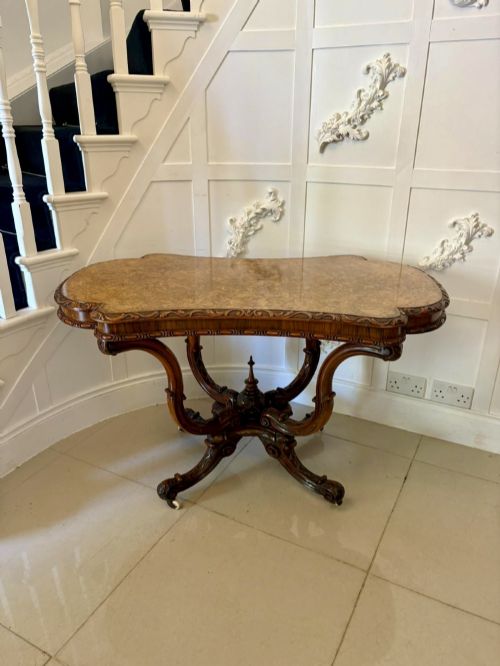
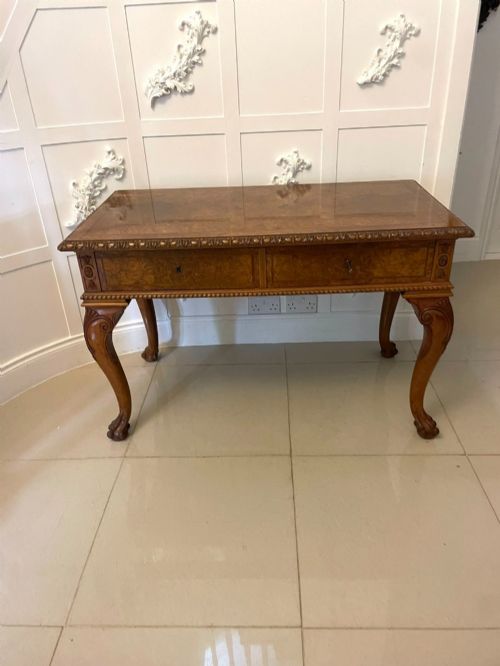
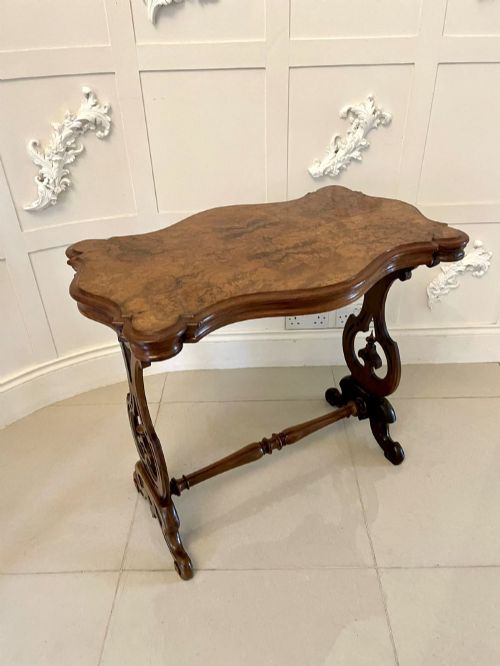
The primary material across the pieces is walnut, frequently enhanced by burr walnut veneers that showcase swirling grain patterns. Additional materials such as marble and brass appear in specific configurations, providing contrasting surfaces and structural accents.
Construction relies on traditional woodworking techniques applied to solid wood and veneered carcasses. Artisans shaped the timber to achieve curved outlines, bomb profiles, and detailed surface carving characteristic of the revival styles.
Retail Price Guide 2026
Typical UK retail prices for carved walnut side tables, calculated from the Sellingantiques database of over a million retail prices indexed since 2003. This retail price guide relies exclusively on Sellingantiques data; no external sources or auction records are used, so the figures do not describe the wider market.
One exceptional nest contains five graduating tables, proving that Victorian and Edwardian makers loved a tight mathematical puzzle.
What varies in quality
Quality in these tables rests upon the selection of the timber, particularly the richness and movement found in burr walnut veneers. Superior examples display careful matching of grain patterns across the visible surfaces.
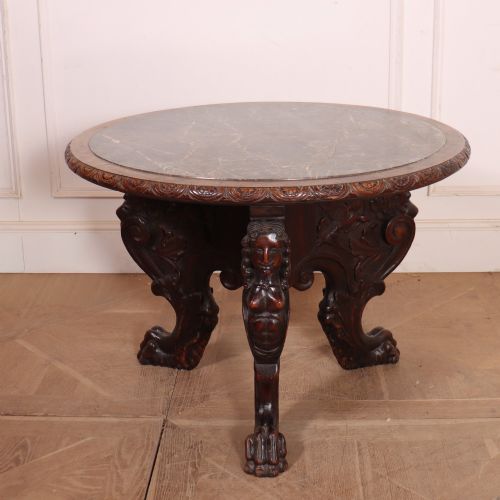
The definition and depth of the carved ornamentation separate standard production from finer work. Crisp detailing in the woodwork and the integration of secondary materials like marble tops elevate the overall standard of the piece.
The Carved Walnut Side Tables Glossary
- Burr walnut
- A type of wood veneer taken from the warted growths on walnut trees, prized for its swirling, highly figured grain patterns. It creates striking decorative surfaces on tabletops and cabinet fronts.
- Bombe
- A swollen or bulging contour found on the sides and fronts of furniture, typical of continental revival designs. This curved profile requires advanced cabinetmaking skill to execute in solid wood or veneer.
- Console table
- A table designed to stand against a wall, frequently supported by brackets or legs at the front. These pieces often feature marble tops and decorative carving suited to formal rooms.
- Rococo Revival
- A nineteenth-century design movement imitating the ornate, asymmetrical scrolling and natural motifs of the eighteenth-century French Rococo style. It appears frequently in the carved ornamentation of these tables.
- Nest of tables
- A set of graduated tables designed to fit neatly beneath one another when not in use. This practical form allows multiple surfaces to occupy the footprint of a single small table.
Frequently Asked Questions
What periods do these tables come from?
The available selection spans the nineteenth and early twentieth centuries, specifically covering the eighteen-eighties, nineteen-hundreds, and nineteen-twenty. These dates reflect late Victorian and Edwardian manufacturing periods.
Stylistic influences often look further back to eighteenth-century French and English designs, reinterpreted by craftsmen working decades later.
Are these tables usually sold as pairs?
Many of the listed items appear as matched pairs, particularly in bedside, console, and serving table formats. Buying in pairs offers symmetry for interior placement.
Single pieces and multi-item sets, such as nests of five tables, also occur within the recorded inventory.
What materials are used besides walnut?
While walnut and burr walnut form the structural and decorative core of the woodwork, other materials appear to enhance specific forms. Marble frequently tops console tables to provide a durable, cool surface.
Brass accents also feature in the construction and detailing of select pieces.
How do I identify the style?
Styles are generally categorised through their decorative vocabulary, such as Rococo Revival, Louis XV Revival, or Queen Anne style. These designations point to specific historical eras of design.
Curved cabriole legs, shell motifs, and elaborate timber carving help distinguish one revival aesthetic from another.