

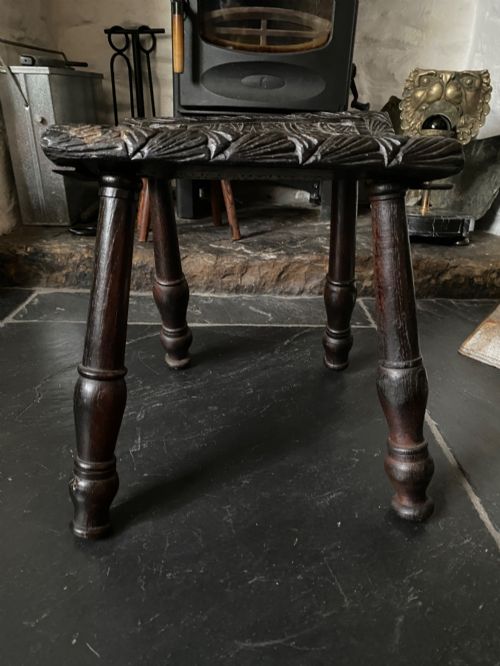
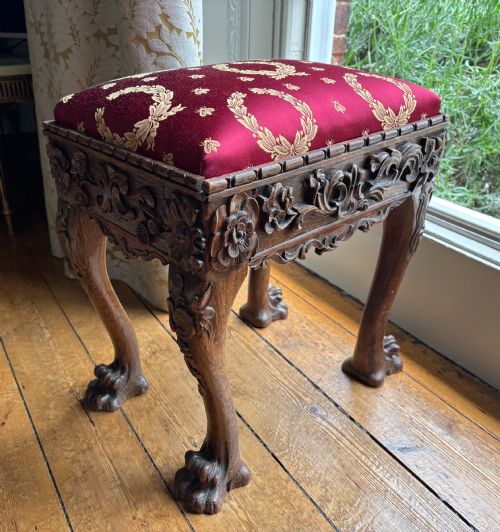
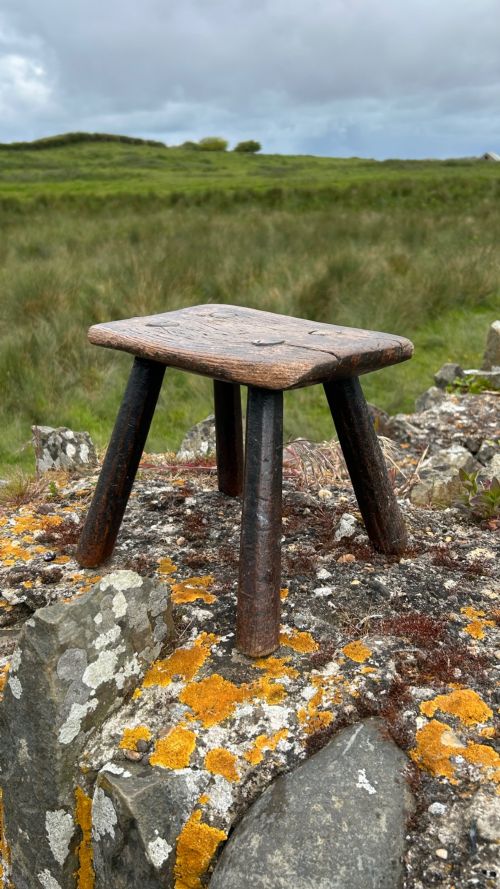
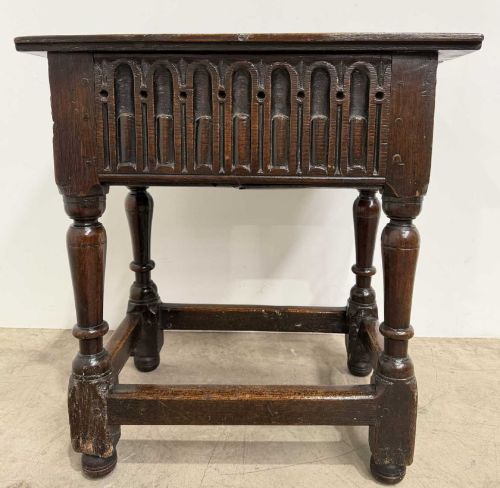
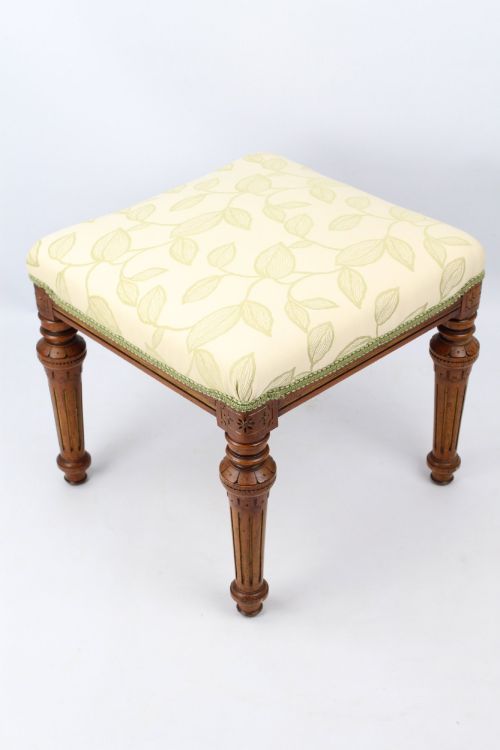
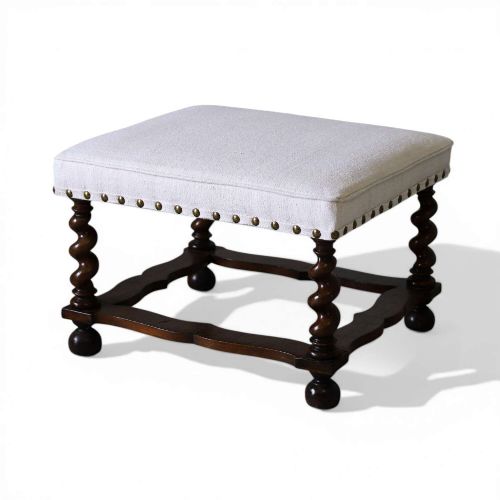
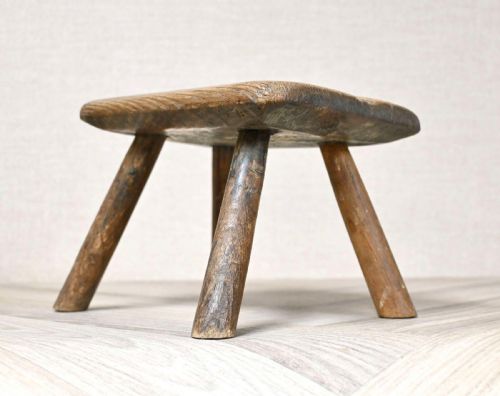
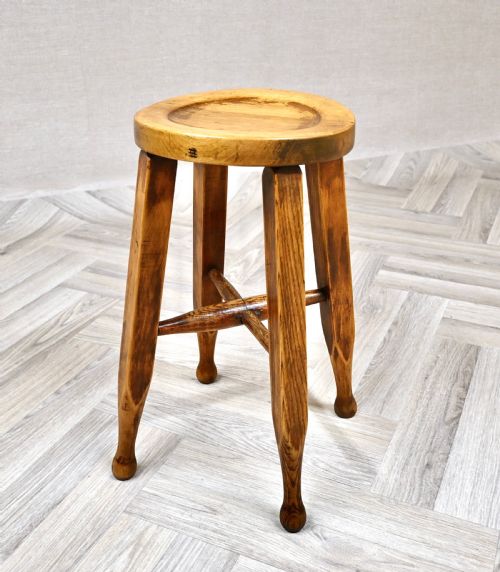
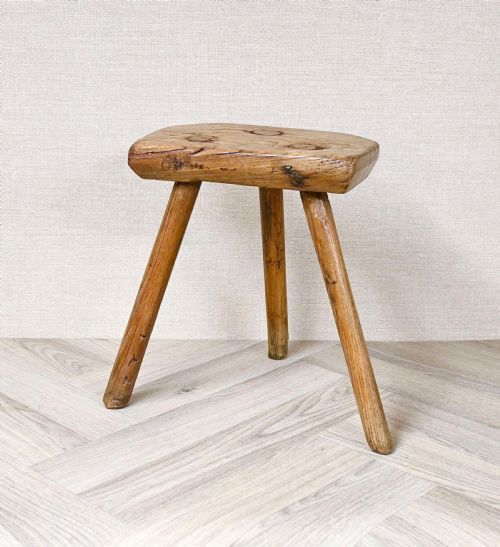
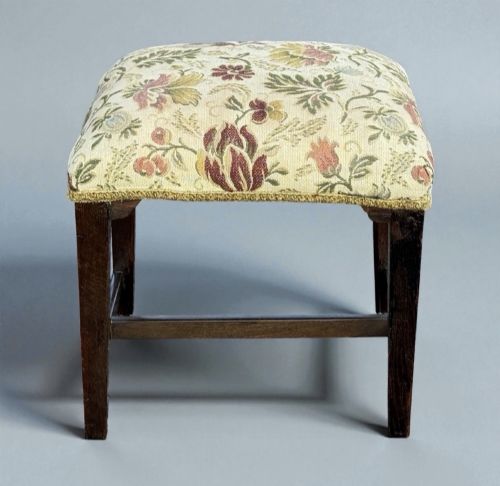
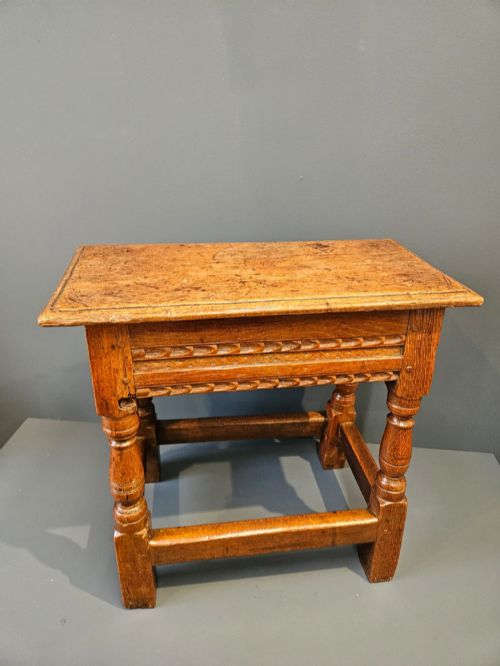

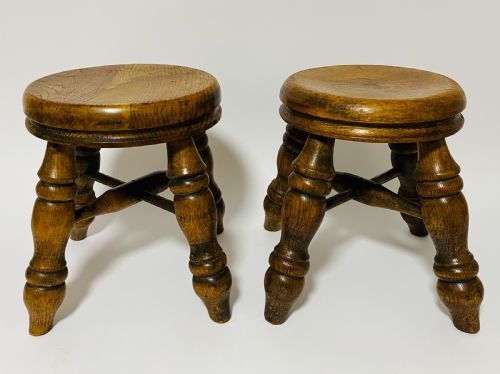


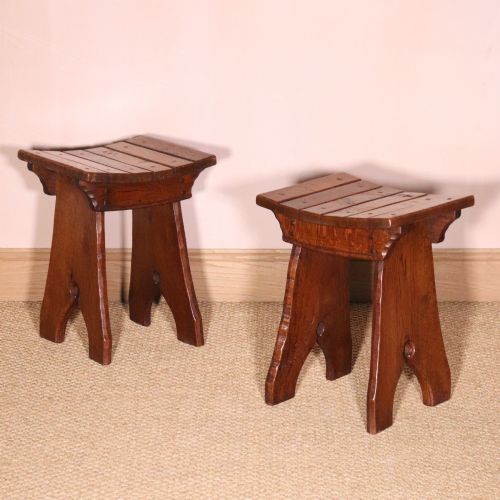
Carved Oak Low Stool
A carved oak low stool brings solid timber grain and centuries of regional joinery straight to your fireside.

Carved Oak Low Stool
A carved oak low stool brings substantial timber construction and period character to domestic interiors. When exploring this selection, buyers encounter formats ranging from primitive milking designs to formal jointed constructions.
The inventory spans multiple centuries, including pieces from the seventeenth, eighteenth, nineteenth, and early twentieth centuries. Forms stretch across joint stools, footstools, hearth furniture, and rustic country seating.
Revivalist movements strongly influence these pieces, with Jacobean, Gothic, and Arts and Crafts styles appearing frequently. Makers utilised sturdy native timbers to build compact seats intended for heavy daily use.
Materials and Construction Methods
Solid oak and regional hardwoods form the primary structural body of these pieces, frequently complemented by elm or mixed timber for secondary components. Craftsmen shaped these sturdy materials using traditional mortise and tenon joinery alongside hand-turned legs.
Surface enrichment relies on chip carving, relief work, and occasional parcel gilt highlights applied directly to the timber. Upholstered variants incorporate fabric, cane, or brass elements supported by internal wooden frames.
Carved Oak Low Stool Retail Price Guide 2026
Typical asking prices for carved oak low stool among the pieces listed under this phrase on Sellingantiques today, from the lower quarter to the upper quarter. They describe what is for sale here now, not the wider market.
Listings feature periods spanning from the seventeenth century through to Art Deco and Arts and Crafts movements, constructed primarily in solid oak, elm, and hardwood.
Markers of Superior Quality
The integrity of the timber framing and the crispness of the hand-carved ornamentation separate finer examples from utilitarian work. Early jointed construction with pegged joints demonstrates superior workshop practice compared to later mass-produced alternatives.
Proportion and surface patina dictate the visual success of a piece, where untouched aged timber surfaces outperform heavily stripped or over-restored examples. Structural stability in low forms depends entirely on the tightness of the original joints.
Jack Grimble·Liberty and Co·David Oakleafman Langstaff
The Carved Oak Low Stool Glossary
- Joint Stool
- A sturdy wooden stool constructed with mortise and tenon joints, often pegged together for maximum rigidity. These functional seats served various household duties.
- Milking Stool
- A simple three-legged or one-legged rustic seat designed for agricultural workers. Their rudimentary construction prioritised stability on uneven floors.
- Barley-Sugar Leg
- A turned wooden furniture leg resembling a spiral twist. This decorative technique appears frequently on seventeenth and eighteenth-century furnishings.
- Apprentice Piece
- A small-scale model or sample item created by a trainee craftsman to demonstrate skill to a guild. They exhibit the same detail as full-sized furniture.
- Hearth Stool
- A low seat positioned near an open fireplace for warmth. These low platforms often featured upholstered tops for comfort.
Carved Oak Low Stool: Frequently Asked Questions
How do I date a carved oak low stool?
Dating relies on examining construction marks, tool traces, and the style of carving present on the timber frame. Hand-pegged joints and adze marks usually point to earlier periods.
Later revival pieces from the nineteenth and twentieth centuries often feature machine assistance or distinct Victorian and Edwardian design motifs that contrast with seventeenth-century work.
Can I use an antique stool as a daily seat?
Most solid oak and hardwood stools remain structurally robust enough for regular sitting. Checking the tightness of the leg joints ensures safe daily use.
Upholstered variants might require attention to internal webbing or fabric, but the wooden frames generally handle weight comfortably.
What is the difference between a joint stool and a footstool?
A joint stool is a rigid, taller wooden seat built with pegged frames that could also function as a small table. Footstools are typically lower and frequently padded for resting feet.
Surviving examples in oak span both functional categories, reflecting diverse domestic requirements across different centuries.
How do I care for antique oak timber?
Maintaining dry oak involves applying traditional beeswax periodically to nourish the grain and preserve the surface finish. Avoiding direct heat sources prevents the timber from splitting.
Gentle dusting with a soft cloth keeps the carved recesses clean without disturbing the accumulated patina.