


Hand Carved Oak Stool
A hand carved oak stool brings raw texture and historic utility into a room, offering honest seating forged from durable timber.
Hand Carved Oak Stool
When you search for a hand carved oak stool, you encounter an array of utilitarian seating shaped by rural makers across several centuries. The selection spans the seventeenth, eighteenth, and nineteenth centuries, alongside later Arts and Crafts and mid-century interpretations.
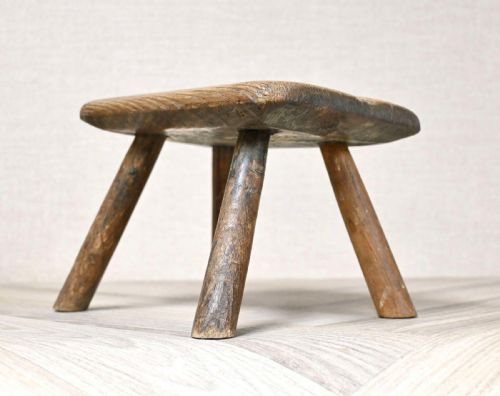
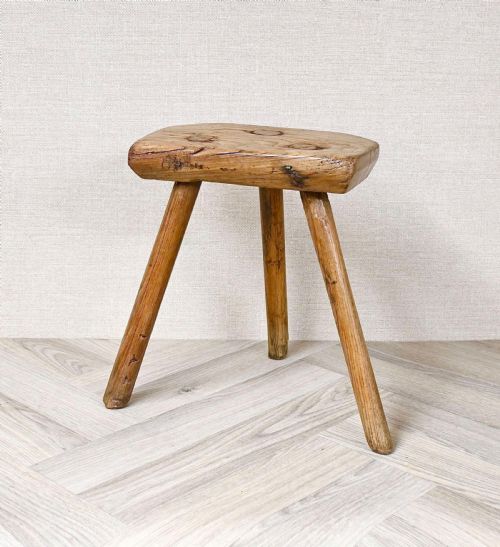
Makers utilised local woods, predominantly oak and elm, to create sturdy domestic furniture. These items range from simple three-legged country seats to intricately carved circular top designs and pieces by known modern artisans like David Oakleafman Langstaff.
How they were made
Construction relies heavily on solid oak and hardwood timbers, often combined with elm or bark for varied texture and strength. Makers shaped these materials using traditional hand-carving techniques, resulting in robust joints and organic forms.
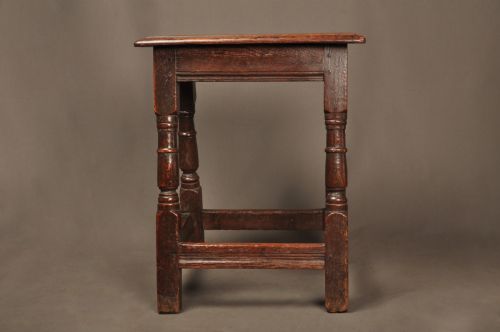
Surface treatment and finishing techniques include bobbin turning for legs and detailed chiselling on seats. Artisans embraced the natural characteristics of the timber, leaving tool marks and grain patterns visible across every surface.
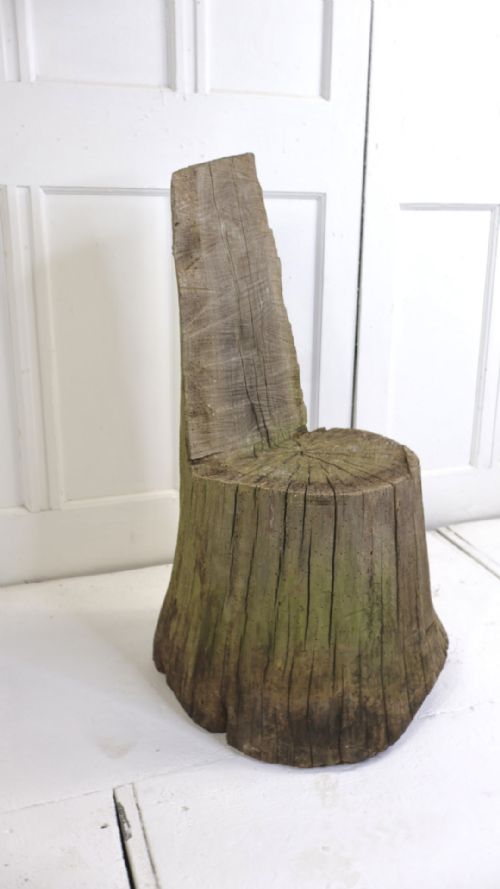
Several stools incorporate actual tree trunks and raw bark, proving that some makers simply brought the forest directly indoors.
What varies in quality
The distinction between standard utility items and superior examples lies in the depth and intricacy of the hand carving. Finer pieces display confident chisel work and thoughtful proportions that elevate plain seating into sculptural folk art.
Structural integrity also separates the range, with well-preserved joinery and honest patination commanding greater appreciation. The choice of secondary woods and the preservation of original bark or surface texture further influence the character of each piece.
The Hand Carved Oak Stool Glossary
- Joint stool
- A traditional wooden stool built with mortise and tenon joints rather than turned legs fitted into bored holes. These sturdy seats date back to the medieval and seventeenth-century periods.
- Vernacular
- Everyday objects made by regional craftsmen for local use rather than following high-style court fashions. Such pieces prioritise practical function and local material availability.
- Bobbin turned
- A style of leg or stretcher shaped on a lathe to resemble a series of wooden bobbins or spools strung together. This decorative turning is frequently seen on seventeenth and nineteenth-century furniture.
- Patina
- The surface sheen and mellowing developed by wood over centuries through handling, light exposure, and polishing. A deep patina indicates considerable age and careful use.
- Primitive
- A descriptive term for rustic items made with simple hand tools and minimal adherence to academic design rules. These pieces possess an unpretentious charm and directness of form.
Hand Carved Oak Stool: Frequently Asked Questions
What is a joint stool?
A joint stool is an early form of wooden seating constructed with pegged mortise and tenon joints. These pieces were sturdy enough to stand upon or use as small tables in early households.
They typically feature rectangular tops and straight, sometimes turned legs connected by stretchers near the base.
How do I date an oak stool?
Dating relies on observing tool marks, construction methods, and timber wear. Hand-cut pegs, adze marks, and shrinkage patterns in the oak help distinguish seventeenth-century work from later nineteenth-century revivals.
Secondary materials like fabric additions or replacement stretchers also provide clues to a piece's history and subsequent repairs.
Where were milking stools used?
Milking stools were designed for agricultural use in barns and pastures during milking sessions. Their compact, three-legged construction provided stability on uneven earthen floors.
Over time, these utilitarian objects transitioned into domestic spaces as decorative rustic seating.
How do I care for antique oak?
Antique oak benefits from minimal intervention, needing only occasional dusting with a dry cloth. Avoiding direct sunlight and sudden temperature shifts preserves the moisture within the historic timber.
Applying a light, natural wax preserves the surface sheen without building up heavy chemical residues.