

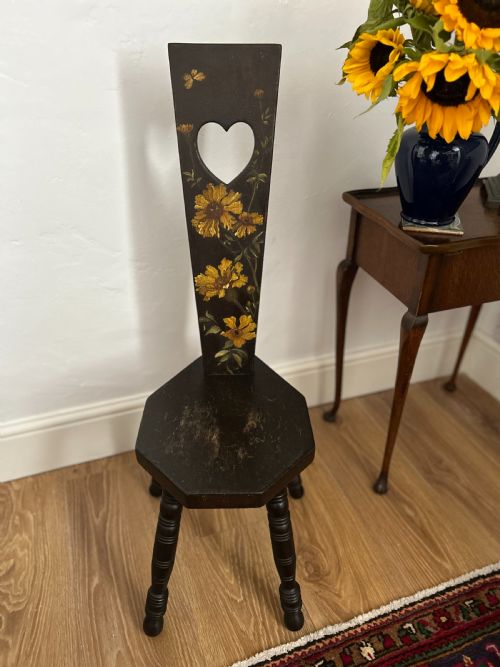


Folk Art Wooden Stool
A folk art wooden stool brings hands-on craftsmanship and rustic character straight into a room.
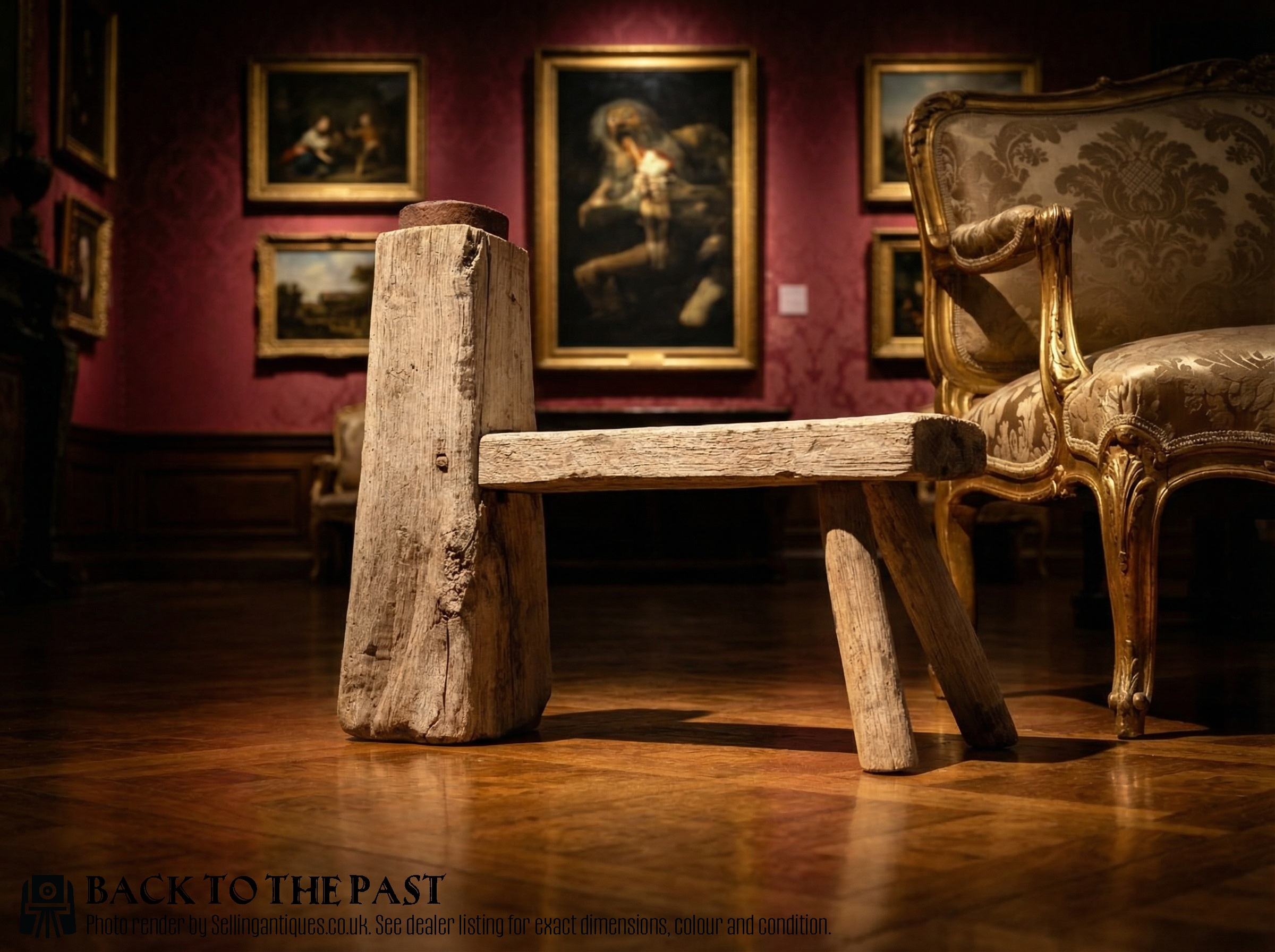
Folk Art Wooden Stool
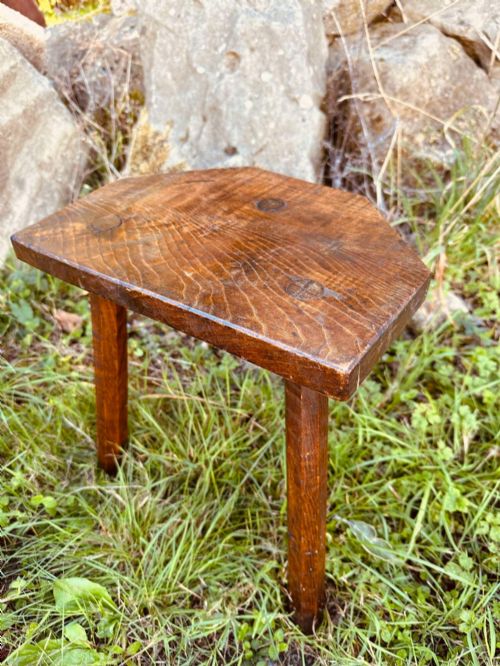
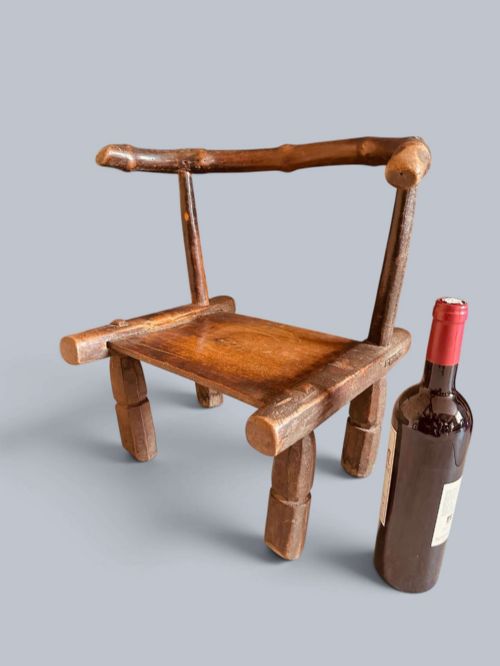
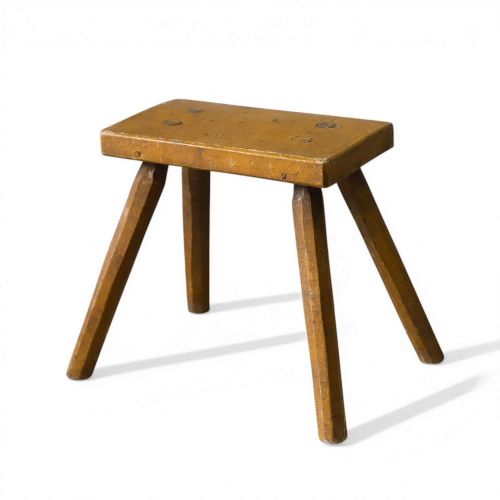
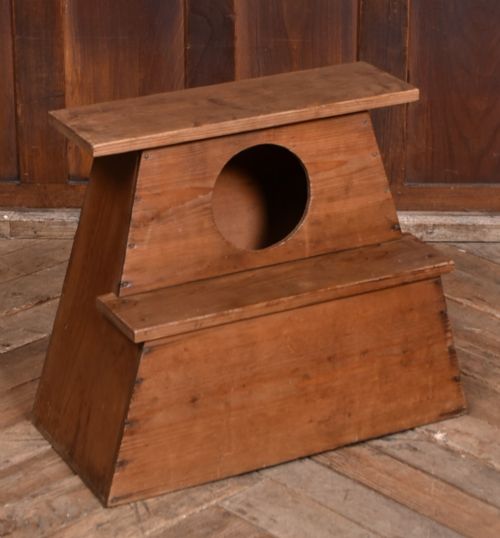
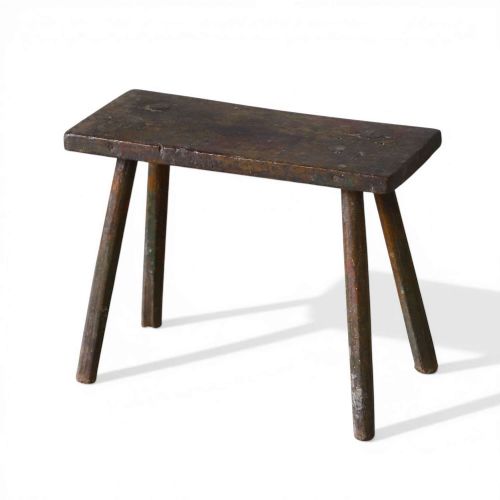
When you search for a folk art wooden stool, you encounter seating shaped by utility and regional tradition rather than factory design. These objects range from nineteenth-century European milking stools in original paint to Japanese vendor stools and primitive occasional pieces.
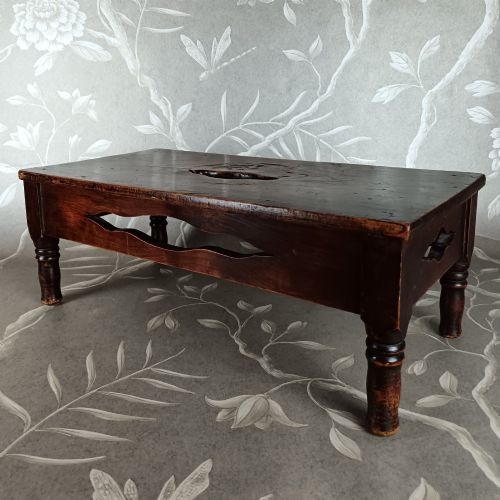
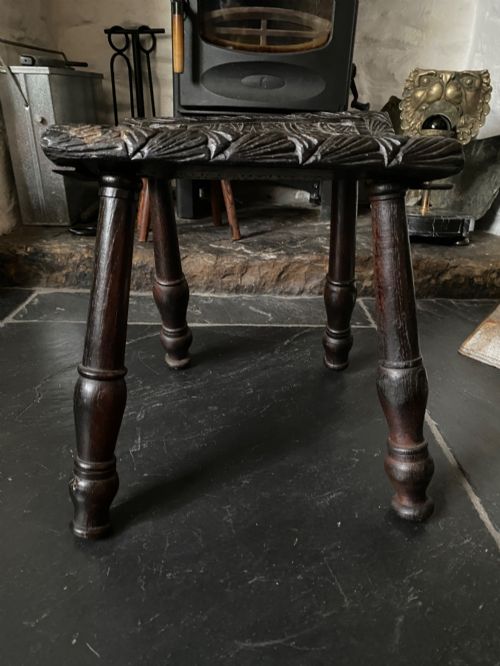
The version you are most likely to meet on this page is a nineteenth-century or Victorian timber stool, often displaying carved, painted, or natural form details. They serve effectively as side tables, step stools, or accent seats in modern interiors.
How they were made
Maker-carpenters utilised available woods such as oak, pine, and mixed hardwoods, shaping seats and legs with simple hand tools. Many pieces reveal chip carving, pokerwork, or straightforward pegged joints.
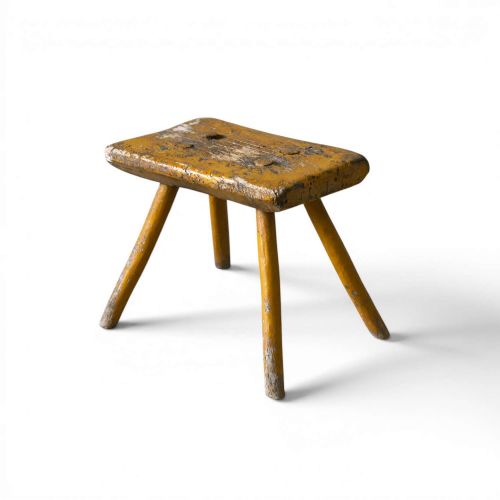
Surfaces frequently show layers of original paint, ranging from ochre and yellow to green, or retain the bare grain of stained and natural timber.
Folk Art Wooden Stool Retail Price Guide 2026
Typical asking prices for folk art wooden stool among the pieces listed under this phrase on Sellingantiques today, from the lower quarter to the upper quarter. They describe what is for sale here now, not the wider market.
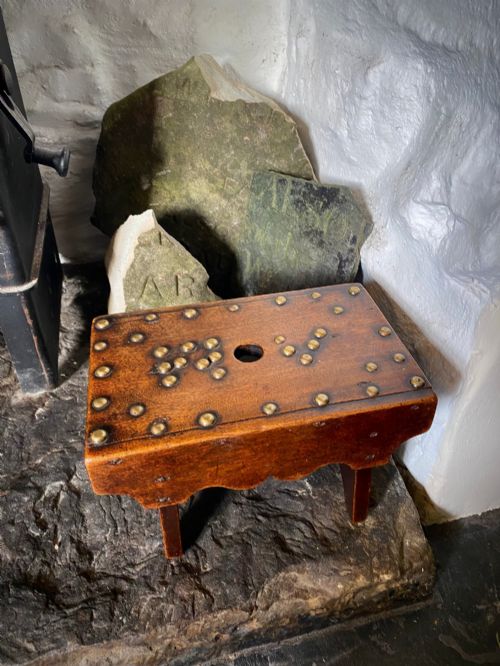
One Scottish Victorian pokerwork stool comes complete with the fiery inscribed motto touch me wha daur.
What varies in quality
Quality rests in the integrity of the original construction and the preservation of authentic surface finishes, such as early paint or undisturbed patination. Pieces that retain their honest working character stand apart from altered examples.
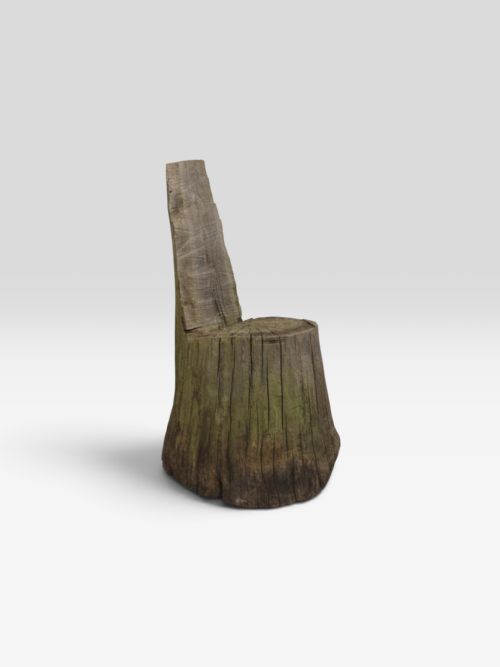
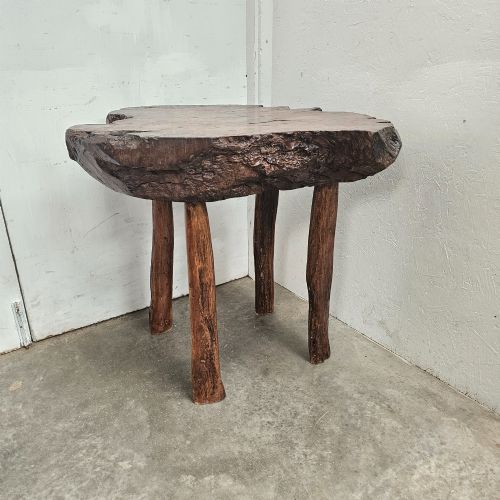
Sculptural presence and uncommon forms, like one-leg milking stools or chip-carved tables, elevate certain items through distinct regional design choices.
The Folk Art Wooden Stool Glossary
- Milking stool
- A low, typically three-legged seat traditionally used by agricultural workers for milking livestock. These are prized for their compact scale and ergonomic, organic shapes.
- Chip carving
- A woodcarving technique where small chips are removed from a single piece of wood with knives to create geometric patterns. It appears frequently on rustic vernacular items.
- Pokerwork
- The art of decorating wood or other materials by burning designs with a heated metal point. Scottish pieces sometimes feature inscribed mottoes using this method.
- Vernacular
- Architecture and objects built by traditional craftspeople to local needs using local materials, without academic architectural or design training. Such items prioritise function and regional style.
Folk Art Wooden Stool: Frequently Asked Questions
How were milking stools used?
Milking stools were designed as low, stable seats for agricultural workers tending to livestock in barns and fields.
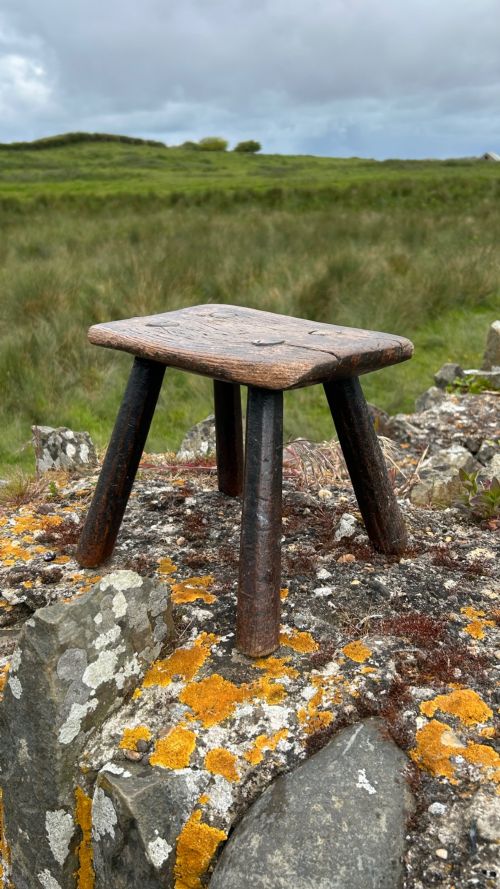
Their three-legged construction ensured stability on uneven earthen floors while allowing the worker to remain mobile.
What is pokerwork on wood?
Pokerwork involves scorching designs into a wooden surface using a heated metal tool to create dark, linear patterns.
Victorian craftspeople utilised this technique to add decorative borders, imagery, and text to small occasional furniture.
Are these stools comfortable to sit on?
These pieces were built for specific utilitarian tasks rather than long periods of relaxation, often featuring sculpted wooden seats.
Today, they function primarily as accent seats, side tables, or display stands in domestic settings.
How do I identify a primitive stool?
Primitive stools display straightforward, unpretentious construction methods with visible pegged joints and minimal decorative refinement.
They rely on natural wood grains, simple turned legs, and honest signs of past working life for their visual appeal.