




Victorian Foot Stool
When you search for a victorian foot stool, you uncover an array of nineteenth-century seating designed to elevate comfort and interior refinement.
Victorian Foot Stool
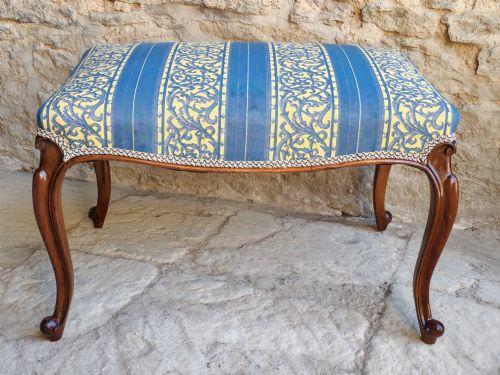
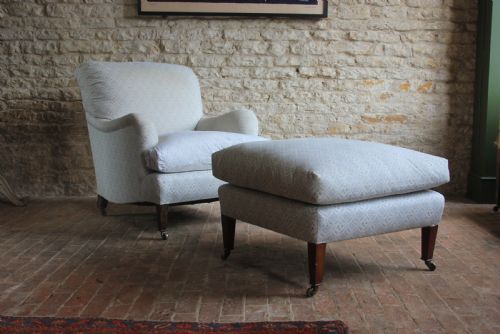
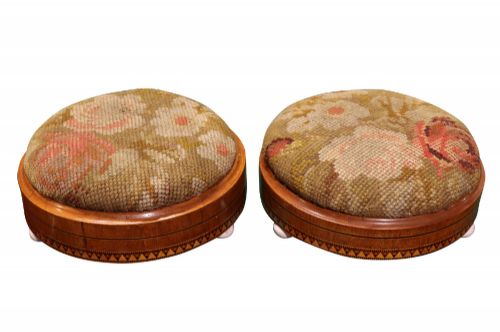
A victorian foot stool encompasses a diverse range of low seating, including compact circular footstools, long fireside benches, and adjustable variants intended to support resting feet.
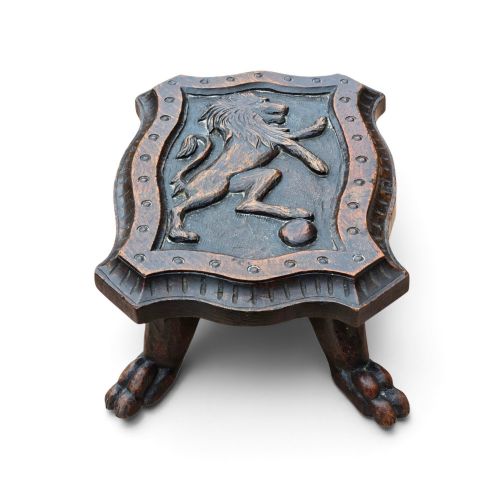
The pieces appearing in this collection heavily reflect nineteenth-century craftsmanship, ranging from simple walnut and mahogany frames to elaborate carved oak and rosewood examples.
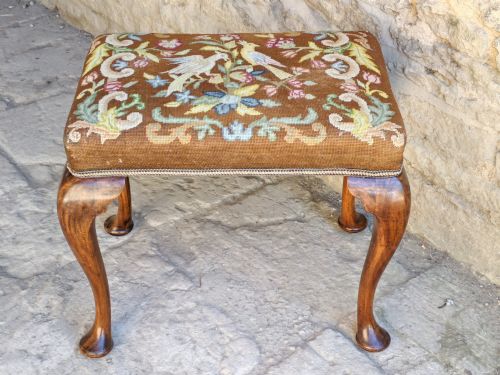
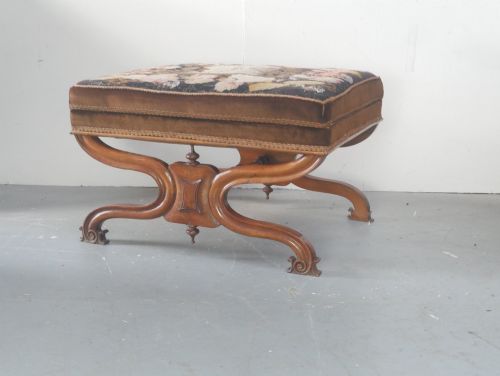
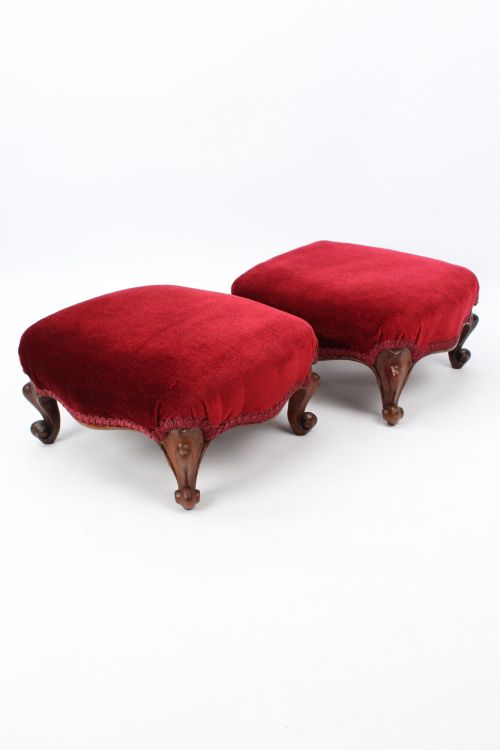
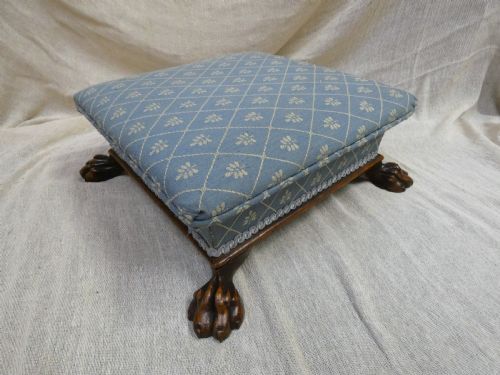
Buyers frequently encounter variations tailored for specific domestic uses, such as piano stools, carriage foot warmers, and upholstered ottomans featuring needlepoint or velvet textiles.
Materials and Methods
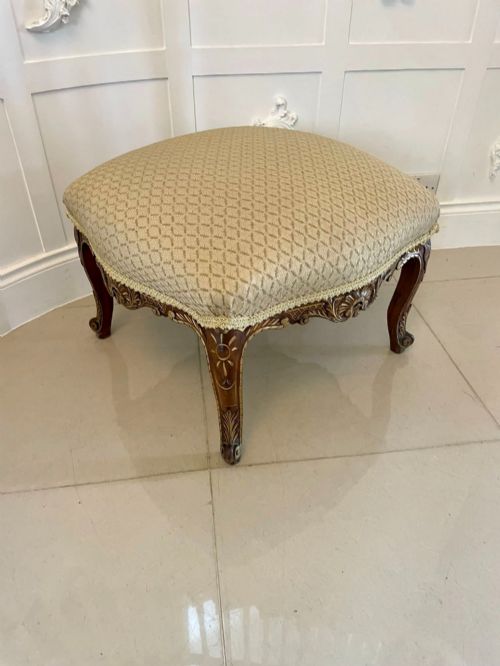
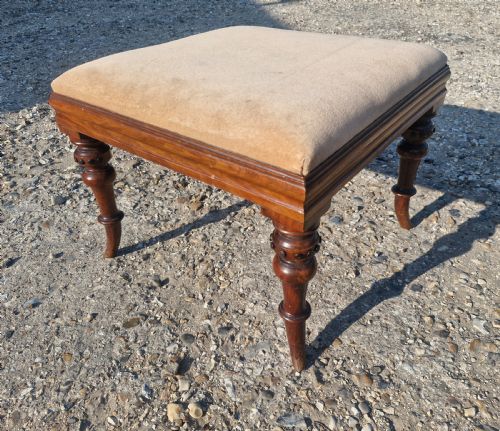
Frames rely primarily on dense hardwoods like walnut, mahogany, oak, and rosewood, frequently shaped with turned legs, cabriole supports, or intricate carvings.
Upholstery techniques utilise traditional textiles, incorporating needlepoint, kilim tapestry, crewel work, velvet, and leather fixed over padding.
The selection includes mahogany, walnut, rosewood, and oak pieces spanning the Victorian, Regency, and Edwardian periods.
Assessing Craftsmanship
Quality rests upon the crispness of the timber carving and the structural integrity of the frame joints, separating standard domestic seating from finer parlour pieces.
The refinement of the surface embellishments, such as inlaid Tunbridge ware or cast brass mounts, dictates the elevated tier of these antique furnishings.
Howard & Sons
The Victorian Foot Stool Glossary
- Needlepoint
- A type of canvas work embroidery commonly utilised for the upholstered top surfaces of nineteenth-century footstools. This textile art often depicts floral or geometric patterns.
- Tunbridge Ware
- A distinct form of decorative woodworking characterised by tiny mosaic tiles assembled to create pictorial or geometric mosaic designs on wooden surfaces. It appears on select inlaid walnut pieces.
- Ottoman
- A low, upholstered seat or footstool lacking a back or arms, often built with internal storage compartments. These larger forms functioned as centre pieces in Victorian drawing rooms.
- Cabriole Leg
- A furniture leg that curves outward and then tapers inward with a graceful arch, ending in a pad or claw foot. This design frequently supports nineteenth-century walnut and mahogany frames.
- Kilim
- A flatwoven carpet or tapestry textile frequently repurposed to cover nineteenth-century footstools and ottomans. It introduces bold geometric patterns to the wooden frames.
Victorian Foot Stool: Frequently Asked Questions
How were footstools used in Victorian homes?
These low seats served practical purposes near fireplaces, drawing-room chairs, and pianos to elevate feet away from cold draughty floors. They also functioned as dressing stools or small occasional rests in bedrooms.
Larger versions provided seating options or doubled as storage ottomans in formal reception rooms.
What woods are typical for these pieces?
Cabinetmakers predominantly utilised rich hardwoods like walnut, mahogany, and rosewood throughout the nineteenth century. Oak also appears frequently, particularly in Gothic revival designs and country pieces.
Selected examples feature exotic timbers or secondary woods like beechwood and satinwood depending on the regional workshop.
How do I distinguish between periods?
Early nineteenth-century examples often display Regency or William IV characteristics with heavier rosewood and mahogany frames. Mid to late Victorian pieces frequently incorporate walnut, elaborate needlepoint, and revival styles such as Rococo or Scottish Baronial.
Edwardian items tend to show lighter construction or integration with branded furniture suites.
Are the needlepoint tops original?
Many pieces retain their period needlepoint, gros point, or beadwork covers, often displaying hand-stitched floral motifs or geometric patterns. These textiles show appropriate age wear that matches the wooden frames.
Some items have undergone professional reupholstery using antique or period-correct textiles to preserve their usability.