
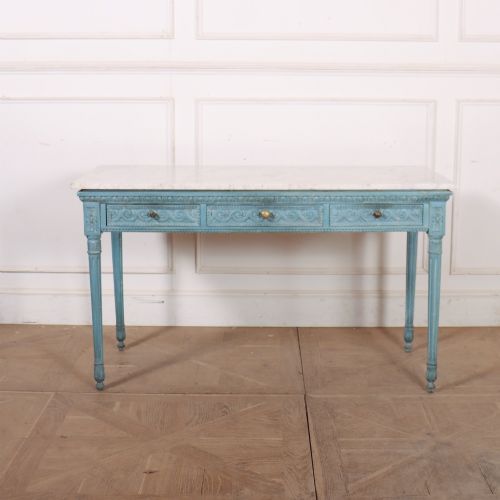
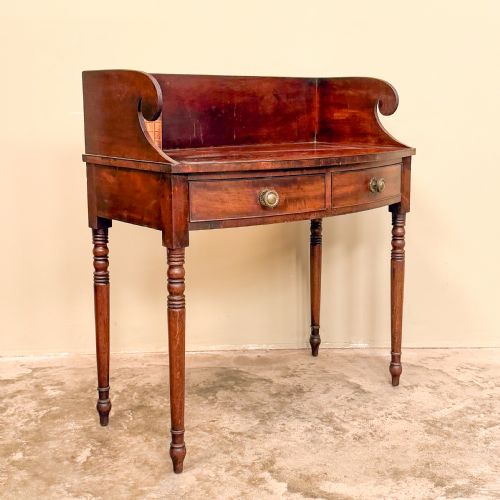
Carved Leg Dressing Table
A carved leg dressing table brings distinctive period presence to a bedroom, combining practical surface space with refined support.
Carved Leg Dressing Table
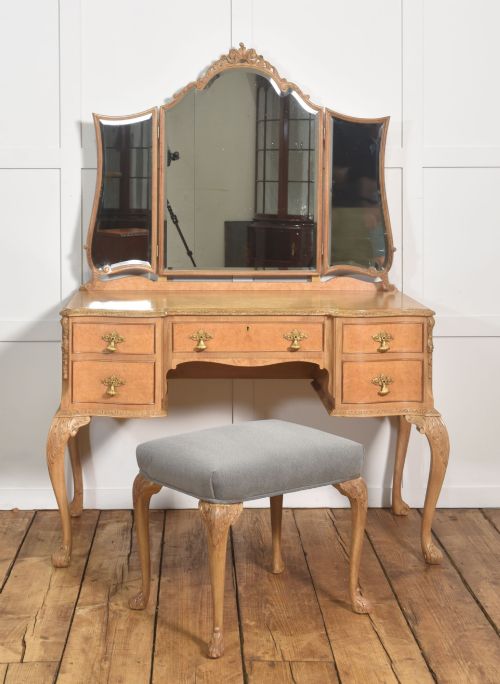
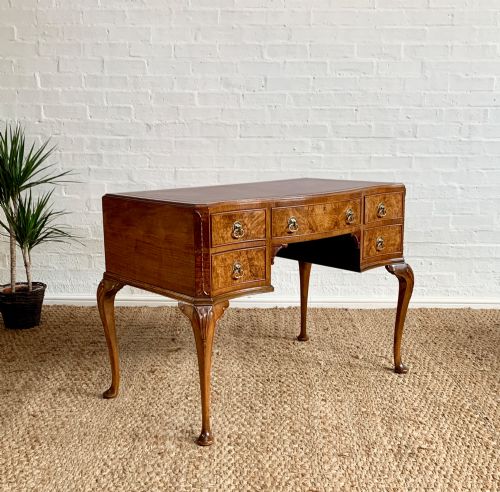
A carved leg dressing table is a surface designed for personal grooming and writing, supported by distinctive shaped legs.
These pieces appear across several periods, most notably in walnut and mahogany from the Victorian, Edwardian, and early twentieth century eras.
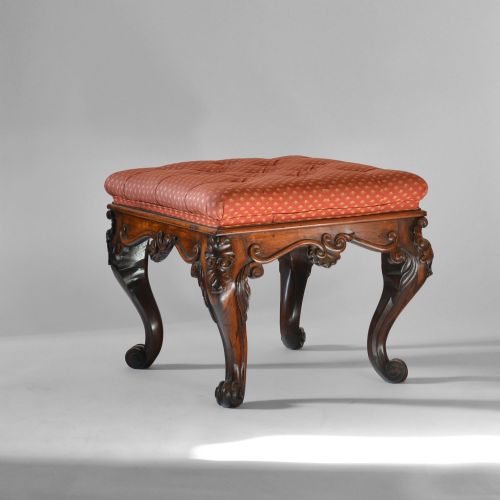
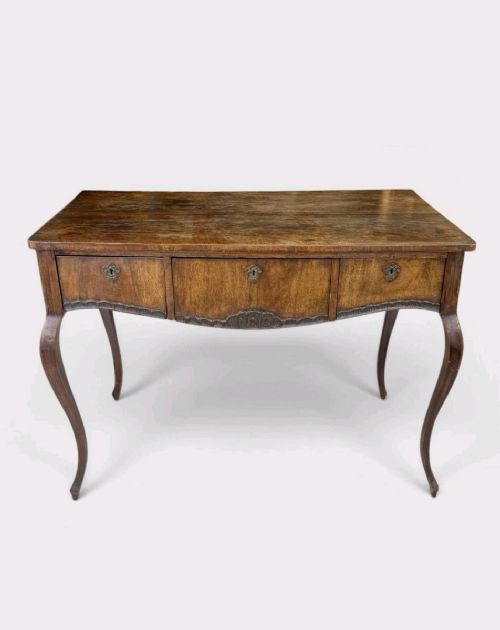
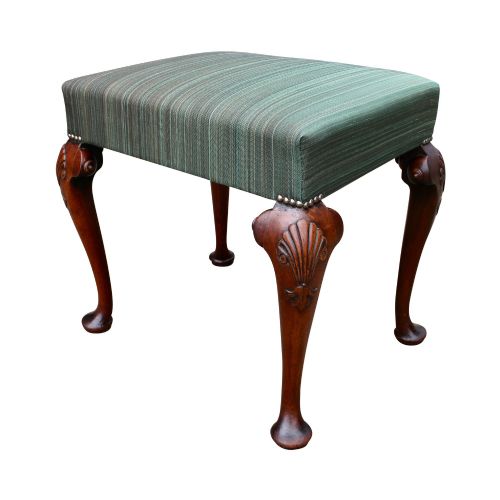
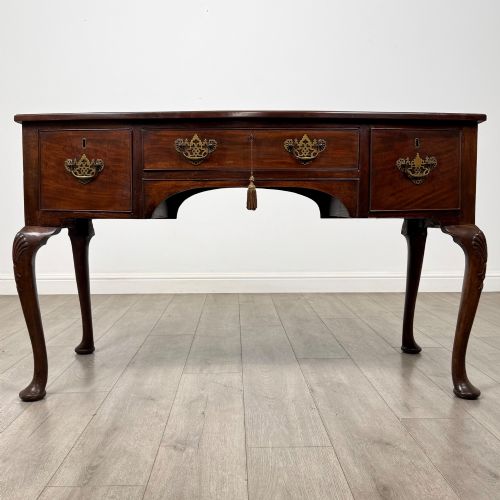
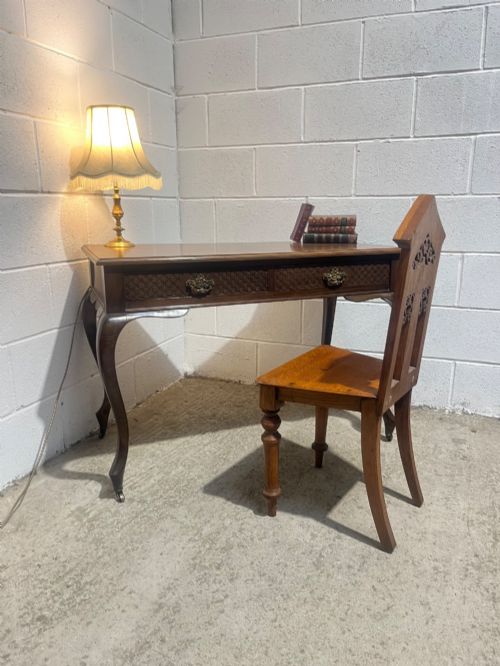
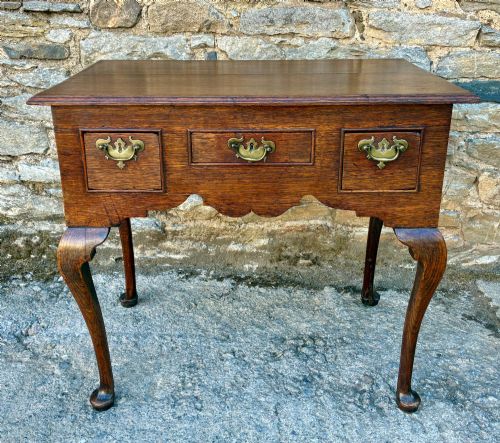
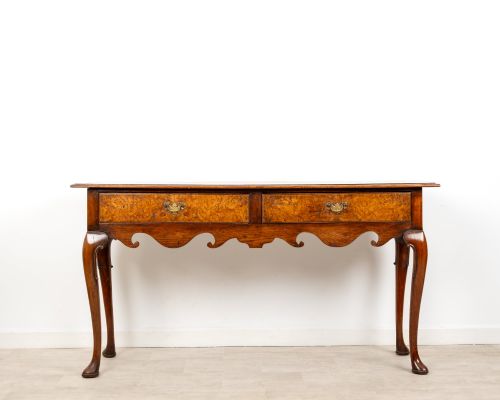
The selection includes variations with matching mirrors and associated stools, alongside related forms like lowboys and writing desks.
Materials and construction
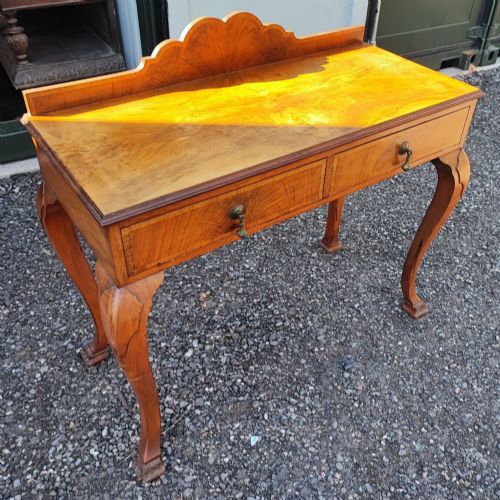
Cabinet makers utilised dense hardwoods such as mahogany, oak, and walnut, often selecting burr veneers to create figured top surfaces.
Structural strength relied on traditional joinery, while decorative appeal came from hand-carved details and shaped wooden supports.
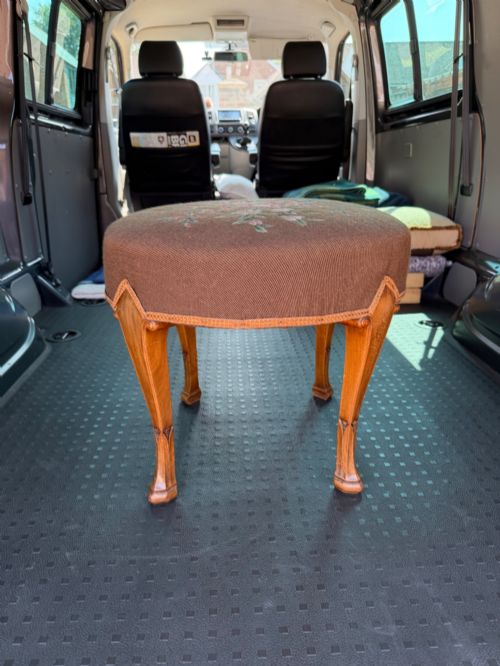
Some dressing stools arrive upholstered in leather, fabric, or textile, ready to slide neatly beneath the table after morning routines.
Assessing the workmanship
Quality rests in the crispness of the carved details on the legs and the depth of figure within the wood veneers.
Superior examples maintain balanced proportions, solid secondary timbers, and original hardware without structural compromise.
Wylie & Lochhead Glasgow
The Carved Leg Dressing Table Glossary
- Cabriole leg
- A furniture leg that curves out and then in, resembling an animal's front leg. This form frequently terminates in pad or ball and claw feet.
- Lowboy
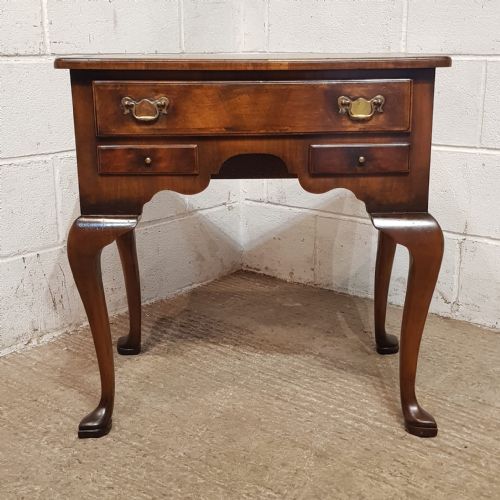
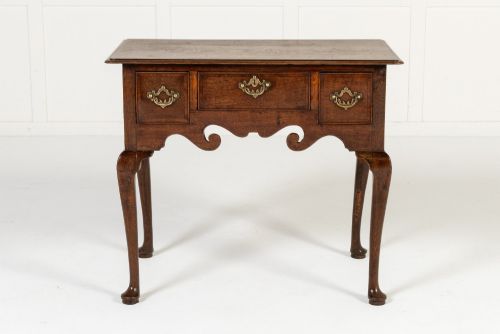
- A small eighteenth century table with drawers, often standing on tall cabriole legs. These pieces served variously as dressing tables and side tables.
- Burr walnut
- Timber taken from the abnormal growths on walnut trees, yielding complex, swirling grain patterns. Cabinet makers prized this material for veneering prominent surfaces.
- Kneehole desk
- A writing table featuring a central recess for the sitter's legs, flanked by pedestals of drawers. They provide compact storage alongside a finished writing surface.
Carved Leg Dressing Table: Frequently Asked Questions
How do I date a dressing table?
Dating relies on timber selection, construction methods, and hardware style. Earlier pieces utilise solid native woods and hand-cut joints, whereas twentieth-century examples often introduce machine processing and different veneer cuts.
Secondary woods inside drawers and the profile of the carved legs provide further clues to the decade of manufacture.
What is a lowboy?
A lowboy is a small table with one or more rows of drawers beneath the top surface. Originating in the seventeenth and eighteenth centuries, they functioned as dressing tables or side tables.
Their compact proportions allow them to fit easily into modern hallways and living rooms.
Are mirrors original to these tables?
Mirrors on dressing tables frequently sustained damage or were replaced over generations of use. Matching the timber, wear patterns, and mounting brackets helps determine if the glass belongs to the base.
Detached or triple mirrors often reflect the specific preferences of the Edwardian and later periods.
How do I care for walnut veneer?
Walnut surfaces respond best to stable indoor humidity and protection from direct sunlight. Regular dusting with a dry cloth prevents accumulation without damaging the polish.
Avoiding silicone-based polishes preserves the original finish and allows the grain to breathe.