
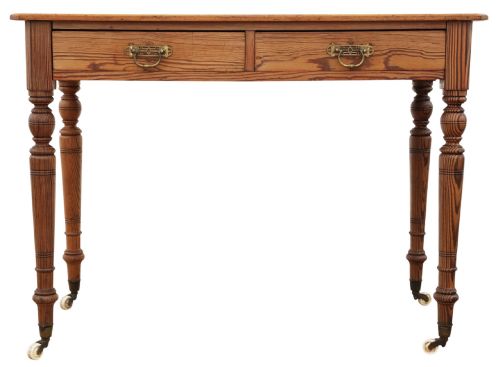
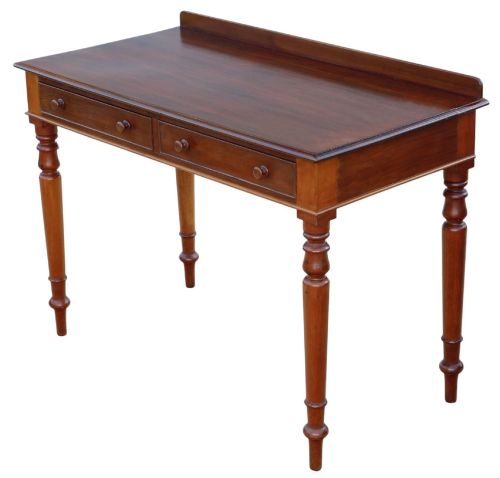
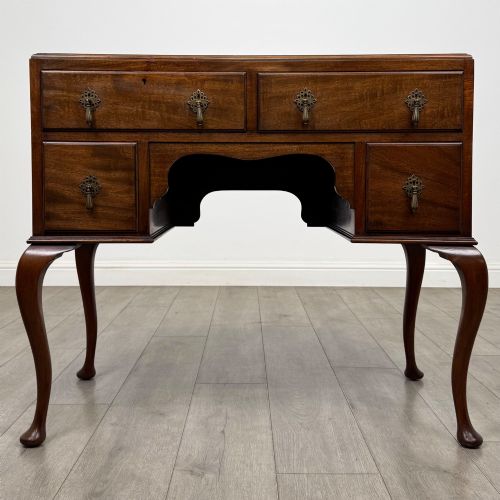
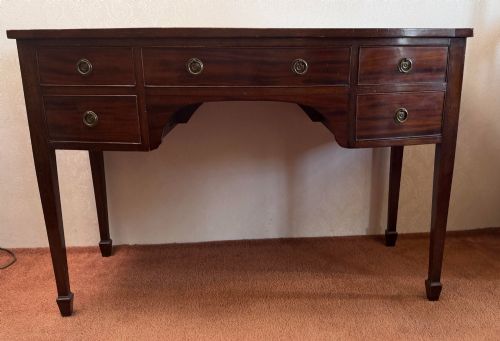
Antique Vanity Console Table
An antique vanity console table brings practical elegance and period charm to a room, functioning equally well for grooming or writing.
Antique Vanity Console Table
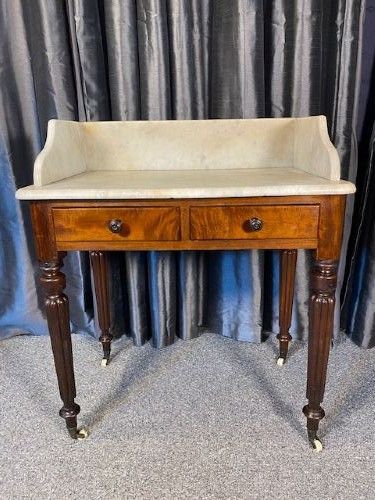
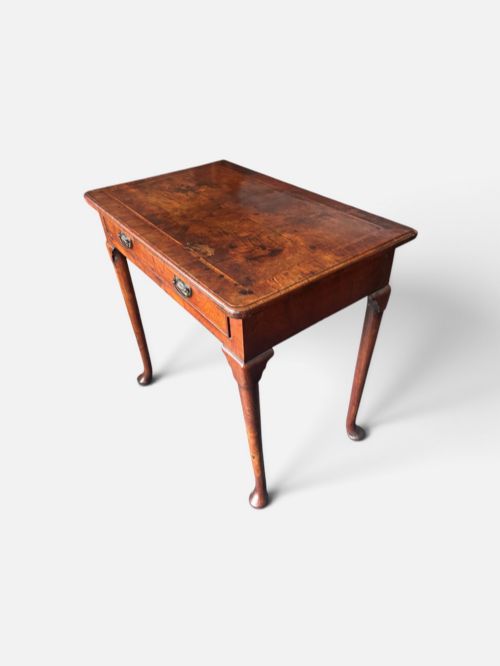
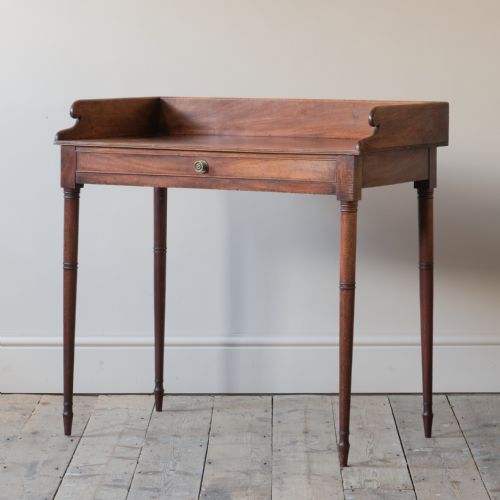
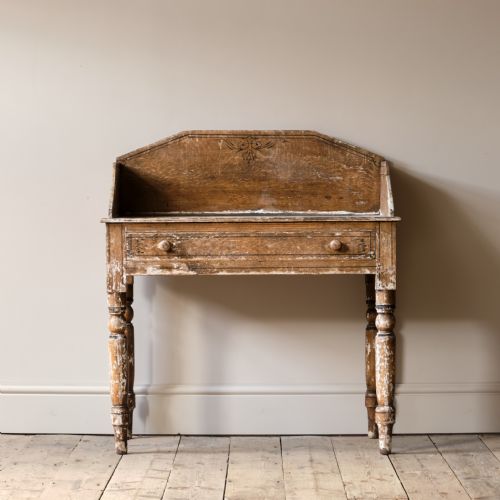
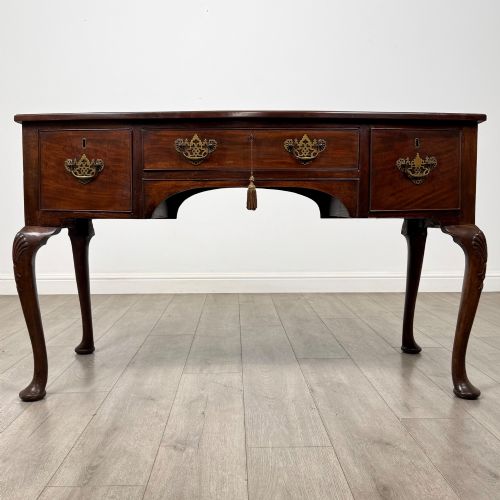
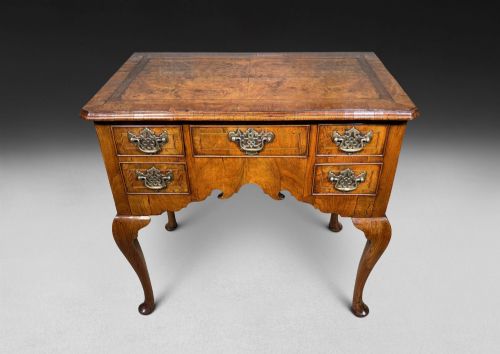
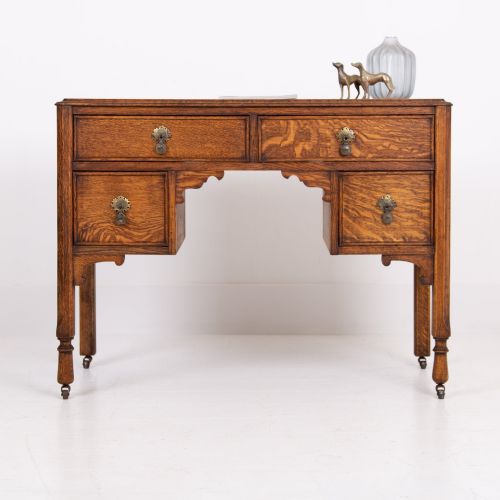
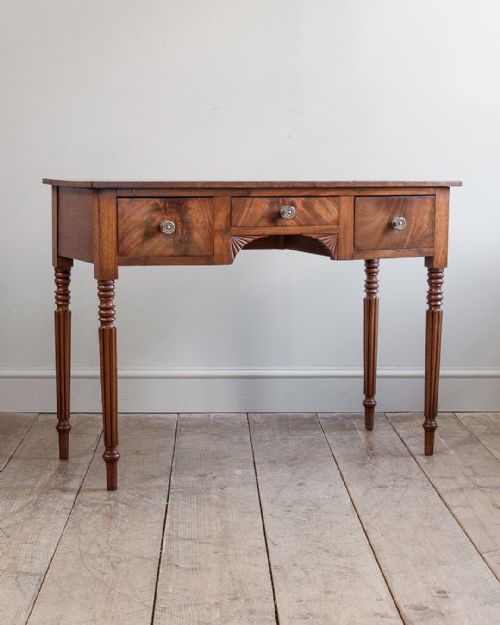
When you search for an antique vanity console table, you are looking at a diverse group of functional furniture that includes washstands, lowboys, dressing tables, and writing desks. These pieces span several centuries, with examples originating from the Georgian, Victorian, and Edwardian periods.
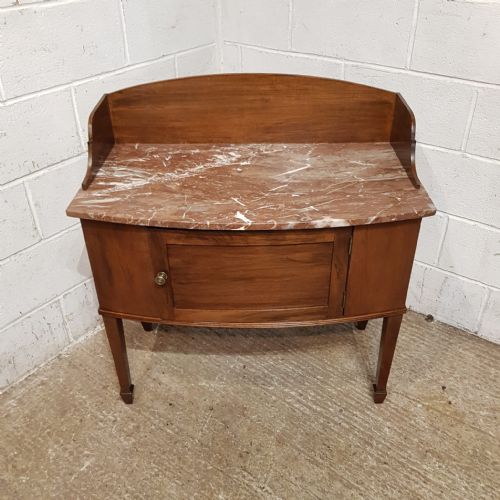
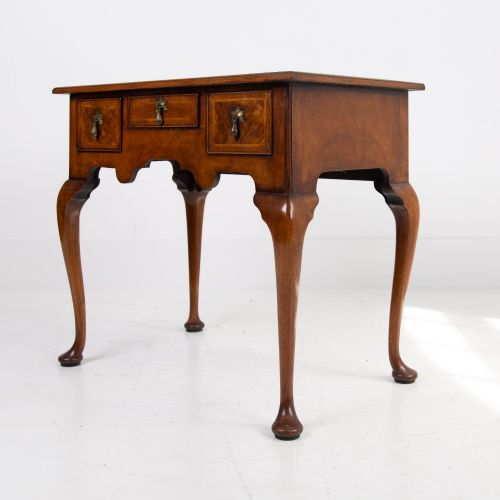
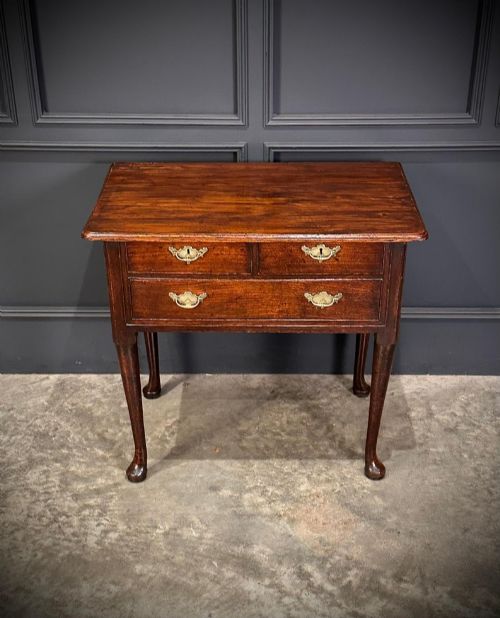
The versions you are most likely to meet on this page include mahogany washstands with marble tops, oak and walnut lowboys, and Edwardian writing tables fitted with drawers. They serve multiple purposes as narrow surfaces in bedrooms, hallways, or reception rooms.
Makers utilised various regional timbers and fitted surfaces to suit the domestic requirements of their eras, yielding forms that balance utility with decorative presence.
Materials and construction methods
Cabinet makers relied primarily on solid hardwoods such as mahogany, oak, walnut, and pine, often selecting figured veneers for enhanced visual depth on drawer fronts and tabletops. These timbers were joined using traditional methods to ensure structural stability over generations.
Marble inserts appear frequently on washstand variants, providing a durable, water-resistant surface designed to hold basins and jugs. Brass handles, drawer pulls, and occasional inlay work in satinwood further accent the primary timber structures.
Materials represented across the inventory include mahogany, marble, pine, oak, walnut, and ceramic.
Distinctions in standard and execution
The finest examples display superior timber selection, such as highly figured burr walnut or richly grained mahogany, paired with meticulous hand-cut dovetailing in the drawer construction. Finer pieces maintain original hardware and undamaged marble tops that sit flush within their wooden frames.
Simpler versions constructed from pine or standard oak show more utilitarian execution, relying on painted finishes or straightforward joinery suited to country houses rather than formal parlours.
Heal and Son·Maple's of London
The Antique Vanity Console Table Glossary
- Lowboy
- A small side table with drawers, typically raised on four legs, originating in the late seventeenth century and frequently used as a dressing or writing table.
- Washstand
- A piece of furniture designed to hold a basin and washing equipment, often featuring a marble top and tiled or wooden splashback.
- Dressing table
- A low table equipped with drawers for cosmetics and personal items, usually paired with a mirror.
- Console table
- A table designed to be fixed against a wall, supported by console brackets or legs, functioning as a narrow surface.
- Dovetail
- A joint used in drawer construction formed by interlocking wedge-shaped fingers, prized for its tensile strength.
Antique Vanity Console Table: Frequently Asked Questions
What is an antique vanity console table used for?
These tables function as versatile surface furniture in modern interiors, serving as hallway consoles, dressing desks, or bedroom washstands.
Their narrow proportions allow them to fit easily into compact spaces while providing useful drawer storage.
How do I identify a Georgian lowboy?
Georgian lowboys typically feature pegged mortise and tenon joints, oak secondary timbers, and characteristic cabriole or straight square legs.
Drawer linings in older pieces are usually hand-planed and assembled with early dovetails.
Are marble top washstands hard to maintain?
Marble surfaces require simple cleaning with damp cloths and neutral soaps, avoiding acidic substances that can etch the polish.
The stone itself is robust and handles daily use well when placed upon a sturdy wooden frame.
How do I tell Edwardian pieces apart from Victorian ones?
Edwardian tables often exhibit lighter woods, satinwood stringing, and a more delicate overall scale compared to heavier Victorian counterparts.
Victorian pieces frequently utilise dense mahogany or pine with robust turnings and darker finishes.