






Carved Hardwood Plant Stand
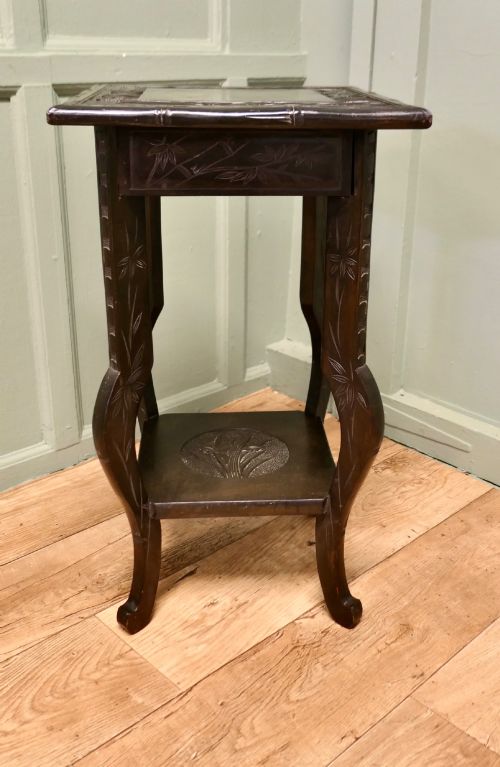
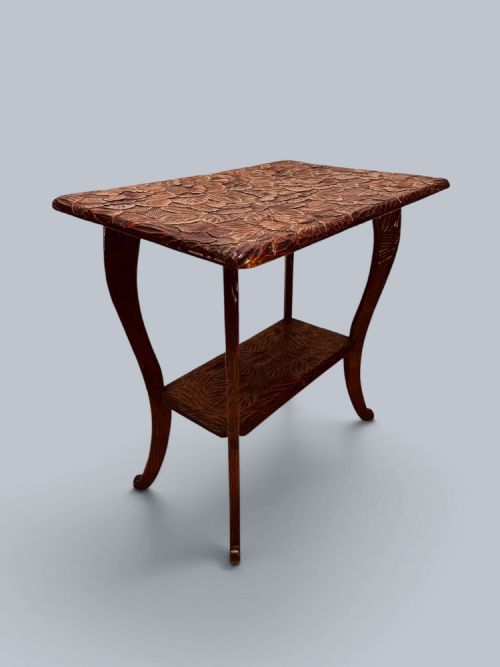
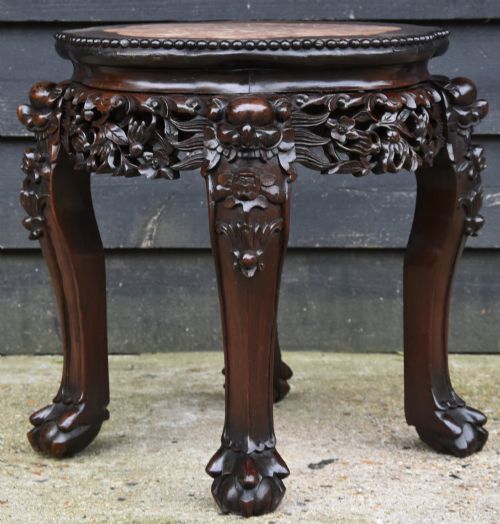
A carved hardwood plant stand brings substantial timber and intricate hand-carved detail into a room, serving as an elevated stage for urns, jardinières or trailing foliage.
Carved Hardwood Plant Stand
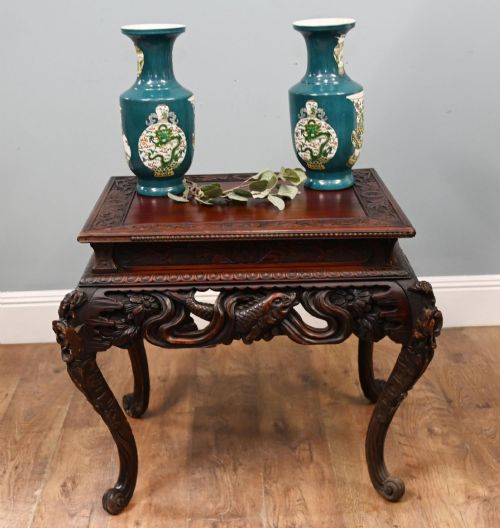
A carved hardwood plant stand functions primarily as a decorative pedestal or low table designed to display foliage, urns or jardinières. When searching for a carved hardwood plant stand, buyers encounter pieces originating from diverse cultural traditions, including Chinese Qing Dynasty examples, Japanese Meiji pieces and Anglo-Indian colonial works.
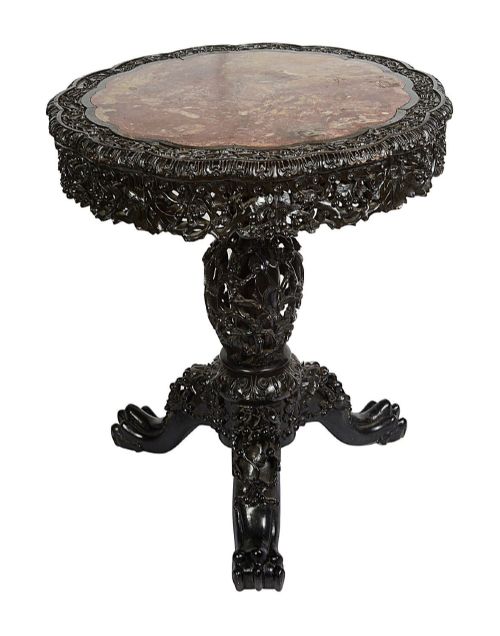
The forms span from circular occasional tables and dragon torchieres to dedicated urn stands and marble-inset side tables. Most examples date from the Victorian era, the late nineteenth century and the early twentieth century.
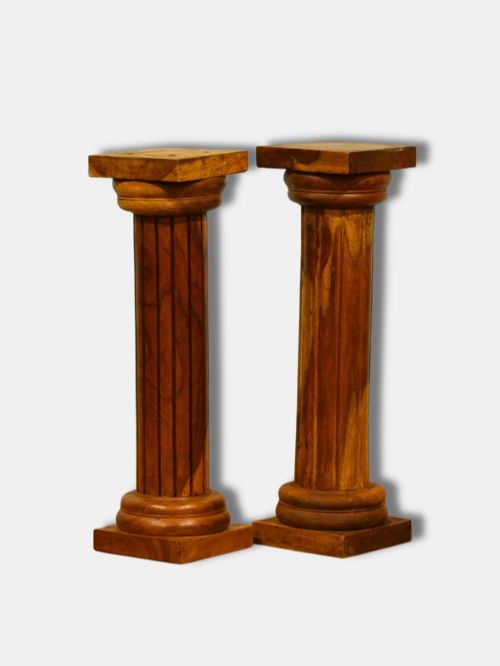
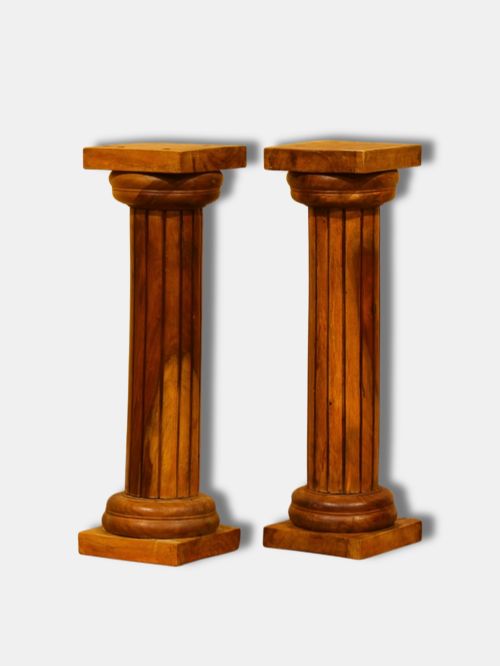
The selection frequently includes paired items alongside individual pedestals, reflecting the formal display practices of their periods of origin.

Materials and construction methods
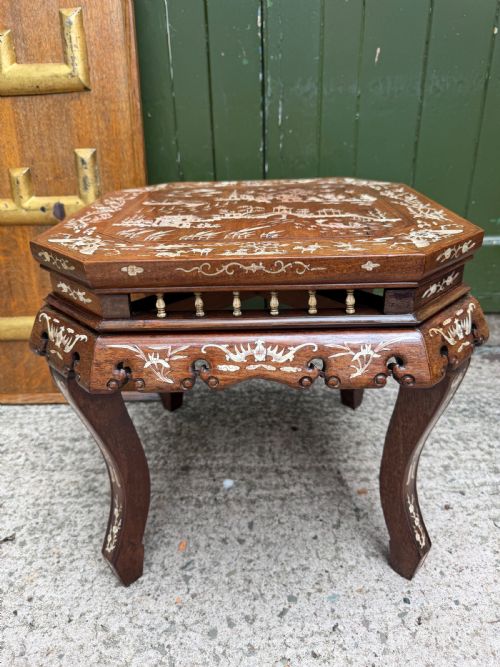
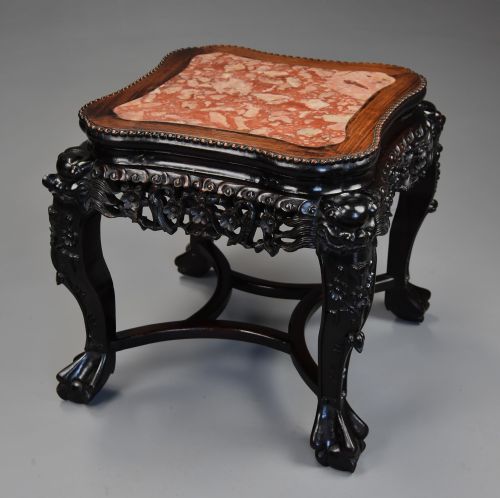
Construction relies upon dense timbers such as rosewood, teak and general hardwoods, frequently carved by hand with deep relief motifs. Certain examples incorporate contrasting inlays of white bone or feature inset marble tops designed to resist moisture from potted plants.
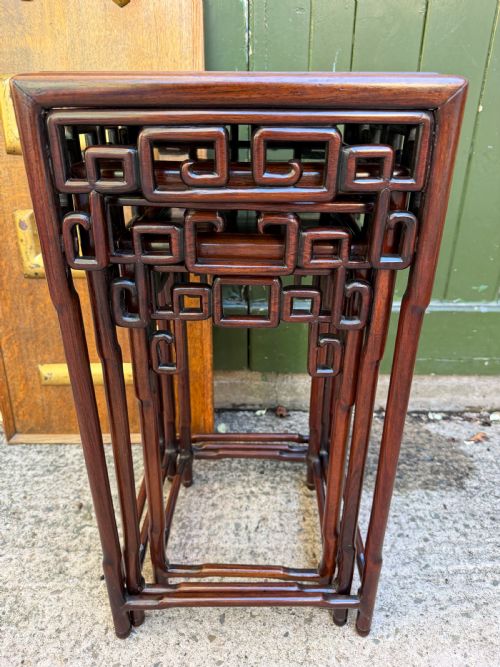
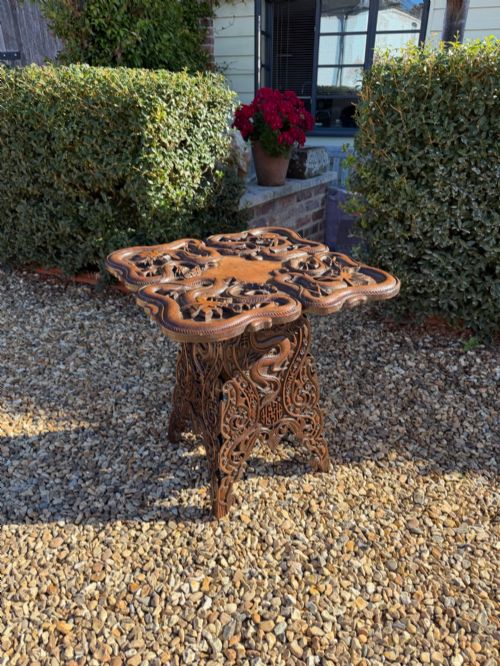
Joinery reflects traditional regional techniques, from the interlocking frames of Chinese nesting tables to the robust structural carving seen in Anglo-Burmese colonial furniture.
Carved Hardwood Plant Stand Retail Price Guide 2026
Typical asking prices for carved hardwood plant stand among the pieces listed under this phrase on Sellingantiques today, from the lower quarter to the upper quarter. They describe what is for sale here now, not the wider market.
Geographic origins represented include China, Japan, Burma and India, reflecting nineteenth-century global trade and colonial craftsmanship.
Assessing craftsmanship and execution
The quality of a carved hardwood plant stand rests upon the crispness and depth of the hand-carving rather than mere surface ornamentation. Superior pieces demonstrate meticulous undercut detailing in floral, dragon or figural motifs without mechanical stiffness.
Material selection and stability further separate examples, seen in the seamless integration of inset marble slabs, well-fitted bone inlay work and the structural integrity of dense, heavy timbers.
Liberty and Co
The Carved Hardwood Plant Stand Glossary
- Jardiniere
- An ornamental pot or stand designed specifically to hold a plant or floral arrangement. These vessels often sit atop dedicated wooden pedestals.
- Torchiere
- A tall stand or floor lamp designed originally to carry a torch, adapted here as an elevated wooden pillar for display.
- Qing Dynasty
- The final imperial dynasty of China, spanning from sixteen forty-four to nineteen twelve. Pieces from this era often feature elaborate dragon carvings and traditional motifs.
- Marble Inset
- A polished slab of stone fitted directly into the wooden top of a table or stand. This surface provides a cool, moisture-resistant resting place for heavy plants.
- Bone Inlaid
- The decorative technique of recessing small pieces of carved animal bone into channels cut within timber surfaces. This method creates striking linear and floral patterns against dark hardwood.
Carved Hardwood Plant Stand: Frequently Asked Questions
What were carved hardwood plant stands used for?
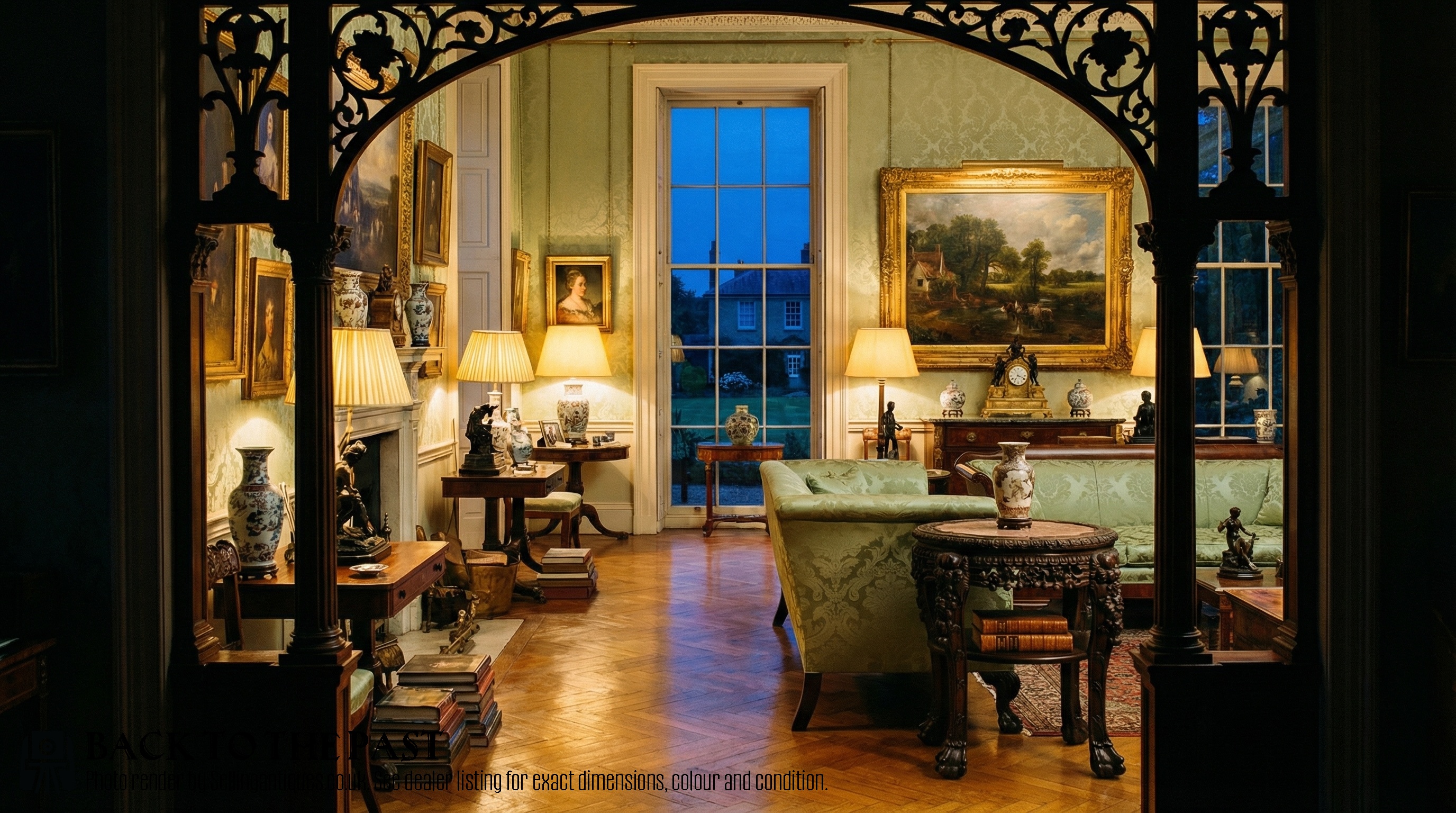
These pieces served primarily as elevated platforms for heavy ceramic urns, jardinieres and potted palms within nineteenth-century parlours and drawing rooms. Their sturdy construction allowed them to safely bear the weight of damp soil and decorative pottery.
Beyond holding plants, many functioned flexibly as occasional tables for displaying ornaments, lamps or tea service items in formal reception spaces.
How do I care for a marble inset top?
Marble surfaces require simple dusting with a soft cloth and prompt wiping of any moisture or condensation left by plant pots. Avoiding harsh chemical cleaners preserves the natural polish of the stone.
Apply a neutral stone wax periodically to protect the marble from staining while maintaining its smooth texture alongside the surrounding hardwood.
Are these stands strong enough for heavy plants?
The dense hardwoods used in these pieces, such as rosewood and teak, provide immense structural strength capable of supporting substantial ceramic urns. Their broad bases and solid joinery were specifically engineered to prevent tipping under heavy loads.
Buyers should inspect the overall frame stability and weight distribution of individual pedestals to ensure safe placement for exceptionally large specimens.
How can I tell Chinese export pieces apart?
Chinese export and Qing Dynasty pieces typically feature distinct iconography, including carved dragons, prunus blossom motifs and deeply recessed panel construction. The timber used is frequently heavy rosewood or dense indigenous hardwoods finished with a dark patina.
In contrast, Anglo-Indian or Burmese items often incorporate bone inlay, elephant motifs or colonial-style turned elements that reflect British influence combined with local craftsmanship.