
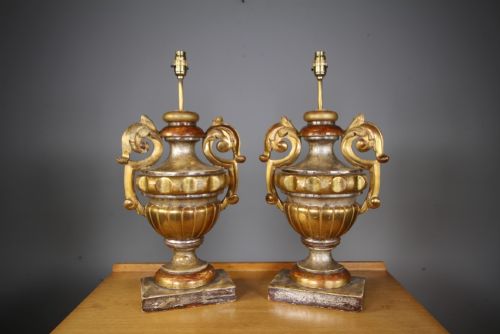
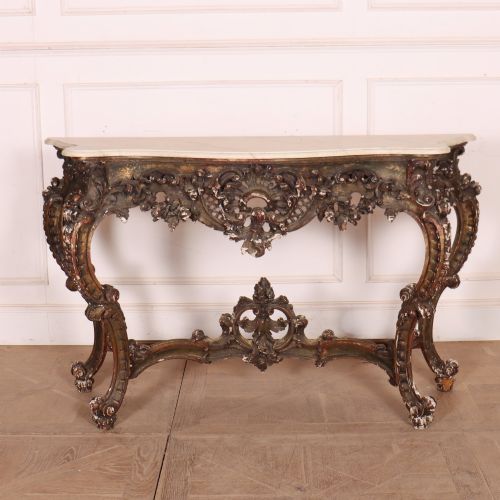
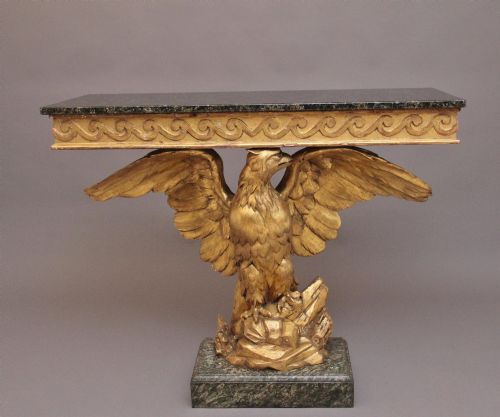
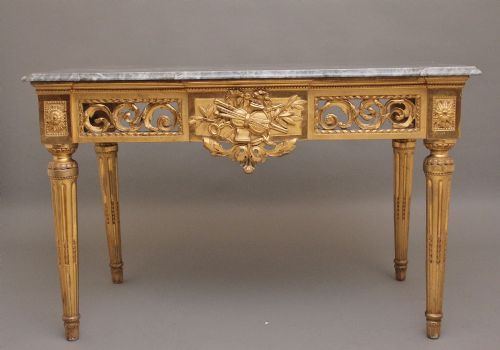
Carved Gilded Side Table
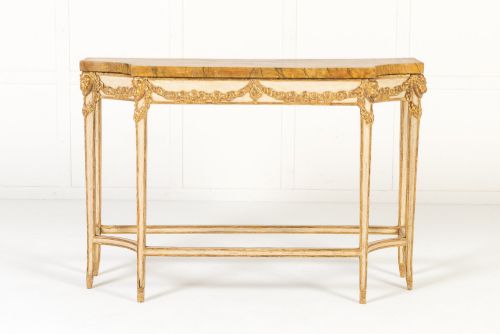
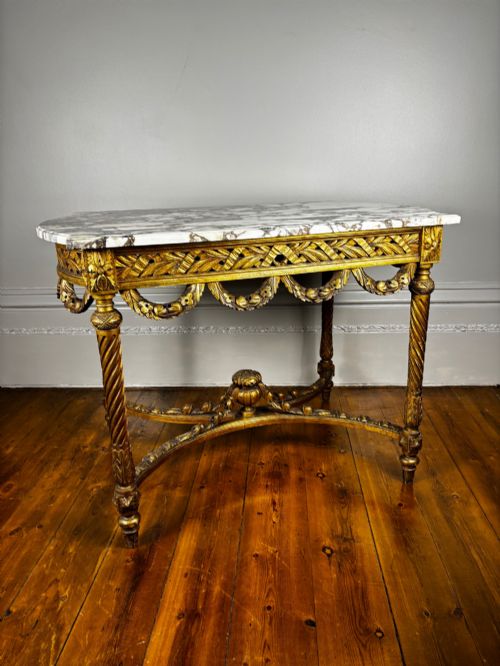
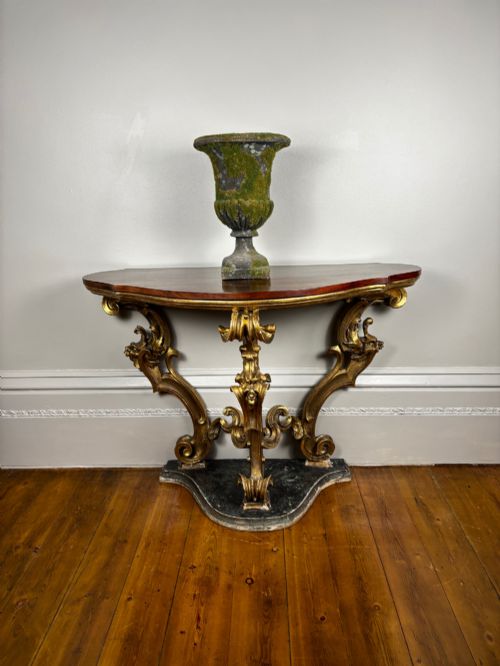
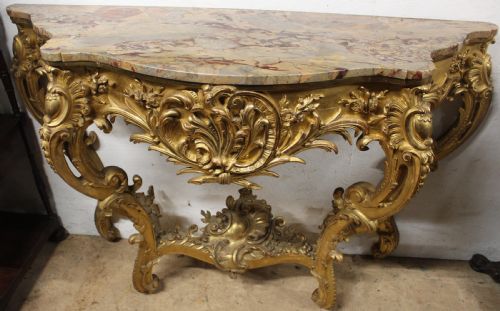
When you search for a carved gilded side table, you are looking at ornamental furniture built for display in formal rooms.
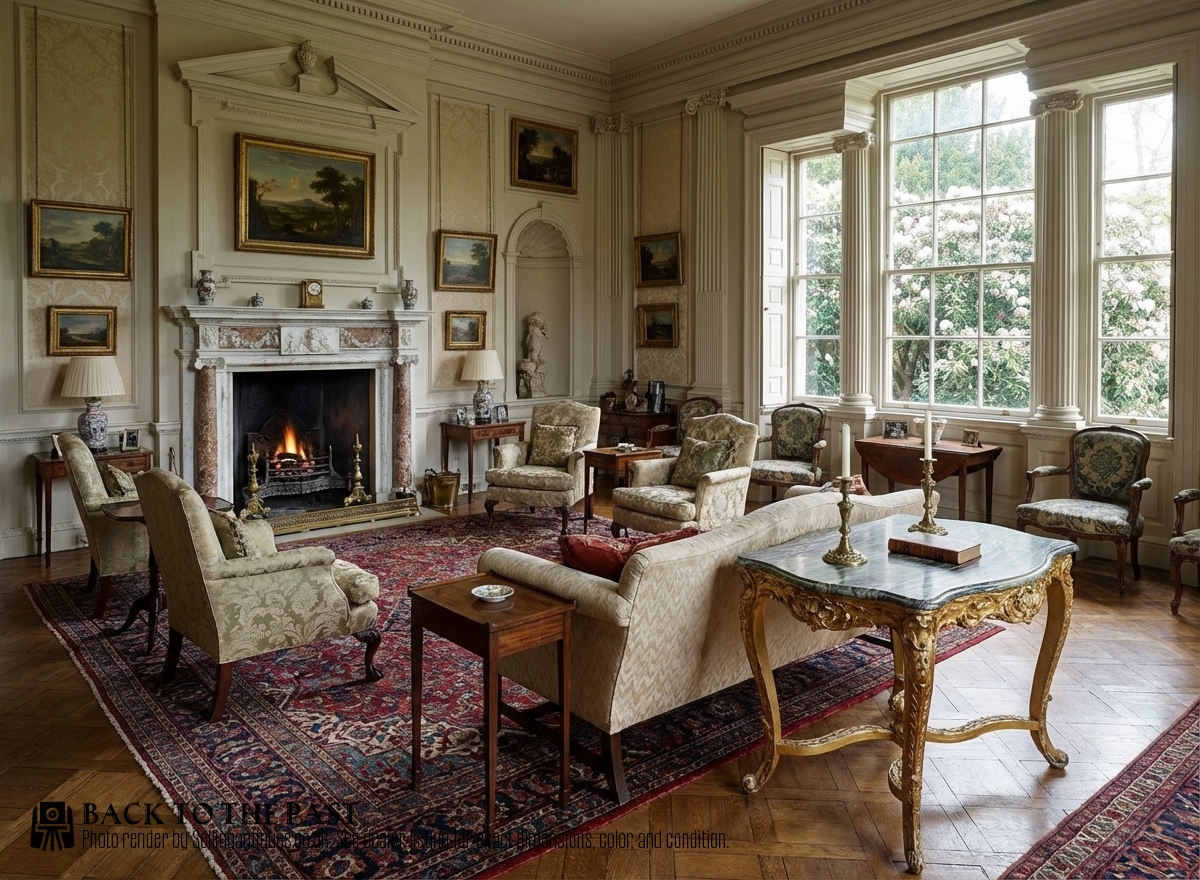
Carved Gilded Side Table
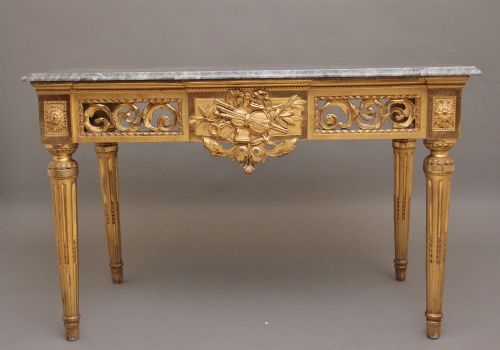
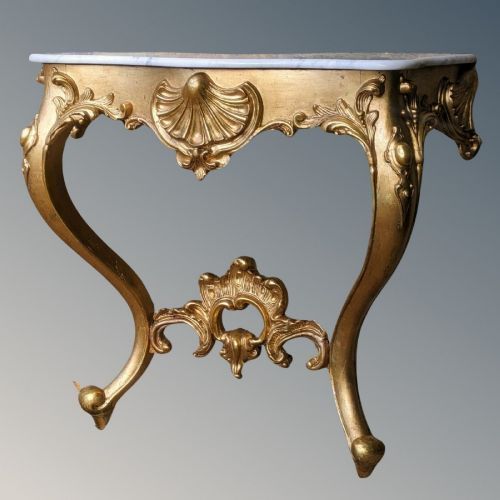
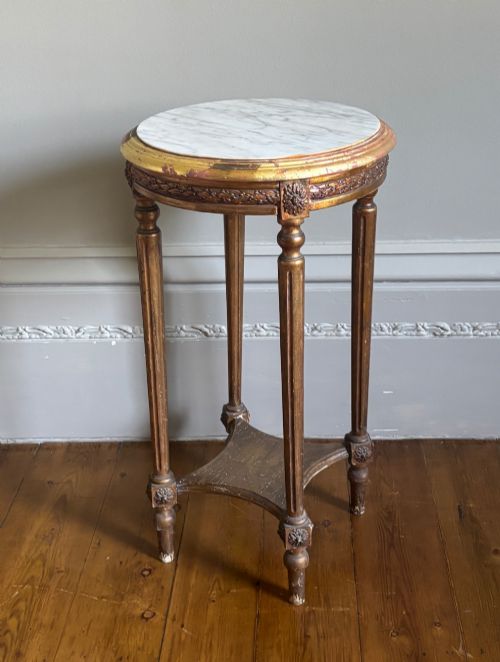
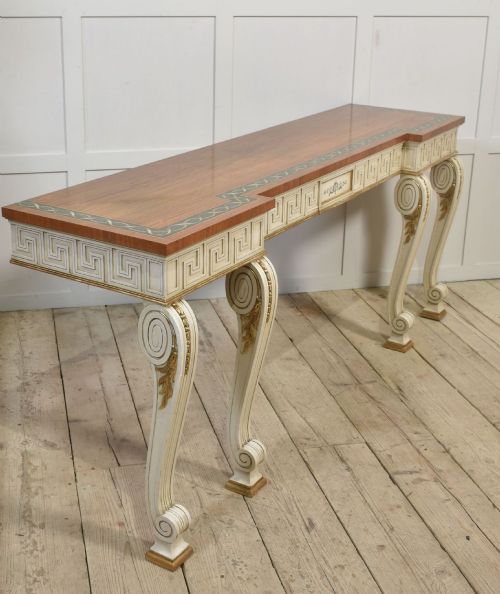
A carved gilded side table functions primarily as a decorative console or pier table, frequently positioned against a wall beneath a mirror or window. The examples you encounter span from the eighteenth century through the nineteenth century and into the early twentieth century, taking forms such as console tables, occasional tables, and centre tables.
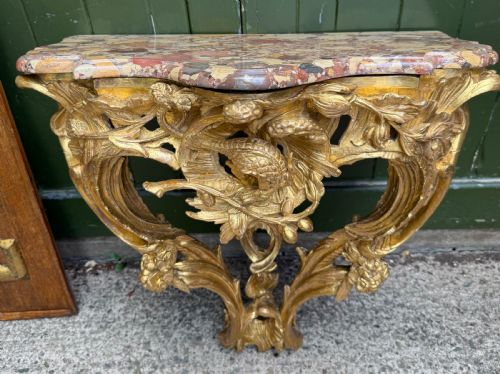
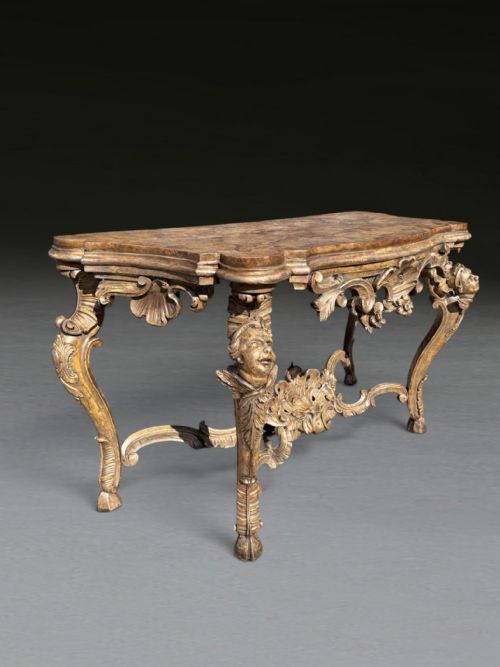
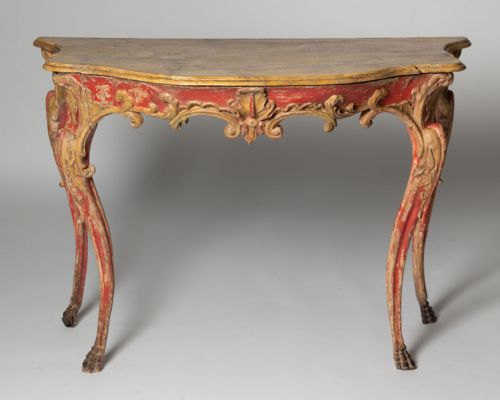
The aesthetic vocabulary draws heavily from continental traditions, notably Italian Baroque, Venetian Rococo, French Rococo, and Neoclassical styles. Many pieces incorporate fitted marble tops in varieties such as breccia and verd antique, supported by heavily carved wooden frames.
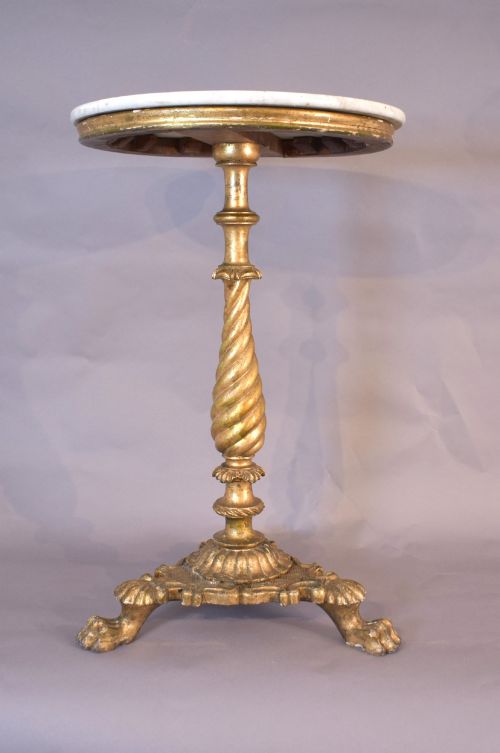
While the core category comprises side and console tables, related forms such as tripod tables, coffee tables, and occasional tables also appear. These smaller pieces share the same vocabulary of gilding and carved woodwork found on the larger console formats.
How they were made
Makers shaped the structural framework from timbers including pine, lime wood, oak, and general hardwoods before applying decorative finishes. Carving was executed by hand to form intricate motifs, scrollwork, and figural supports.
Surfaces received layers of gesso to smooth the wood grain prior to gilding with gold leaf or silver gilt. Paint and polychrome finishes were also utilised on specific Italian and French regional pieces.
Heavy marble slabs, including figured, green, and siena varieties, were cut and polished to fit precisely onto the wooden bases without mechanical fixings.
Listings feature 18th Century and 19th Century periods alongside Regency and early 20th Century examples.
What varies in quality
The crispness and depth of the hand carving dictate the initial visual impact, distinguishing fluid, deeply undercut foliage and figures from softer, shallower moulding. The quality of the gesso application beneath the leaf determines how sharply the underlying detail reads.
The integration of the marble top relative to the wooden base reflects the original maker's ambition, with bespoke fitted slabs showing superior alignment compared to later replacements. Furthermore, the handling of the gilding layer, whether burnished or matte, dictates the longevity and reflective quality of the surface.
The Carved Gilded Side Table Glossary
- Giltwood
- Timber that has been coated in gold leaf or powder over a prepared gesso ground. This finish provides the bright, reflective surface characteristic of formal antique console tables.
- Gesso
- A mixture of gypsum and binder applied to wood to create a smooth surface for gilding and carving. It allows intricate relief work to be modelled before the metal leaf is laid.
- Console table
- A table designed to stand against a wall, frequently supported by two front legs or brackets while the rear relies on wall attachment. They often feature elaborate marble tops.
- Breccia marble
- A composite marble characterised by angular fragments embedded in a contrasting matrix. It is frequently seen on eighteenth and nineteenth-century Italian tables.
- Rococo
- An ornate design style marked by asymmetric C-scrolls, shell motifs, and naturalistic plant forms. It dominates many French and Italian examples from the eighteenth century.
Carved Gilded Side Table: Frequently Asked Questions
Where should I place a console table?
These tables suit hallways, drawing rooms, or entryways where they provide a formal surface against a wall. They often sit beneath mirrors or paintings to anchor the vertical space.
Because many are narrow console formats, they occupy minimal floor area while offering a prominent display space for lamps or decorative objects.
Are marble tops original to the tables?
Many tables retain their heavy fitted marble slabs, which were cut specifically for the wooden base during manufacture. Breccia, siena, and green marble are common original pairings for continental pieces.
Due to the weight and fragility of stone, replacements do occur over centuries, making the fit and edge profile key indicators of period integrity.
How do I care for giltwood surfaces?
Giltwood requires dry dusting with a very soft brush to protect the delicate gold leaf layer from abrasion. Moisture and chemical cleaners will damage the gesso and metal leaf.
Keeping these pieces away from direct sunlight and fluctuating humidity prevents the wood from moving and cracking the underlying preparation layers.
How do I distinguish Italian from French styles?
Italian pieces often lean towards heavy Baroque or Venetian Rococo ornamentation, featuring dramatic scrollwork, darker painted elements, or silver gilt highlights. French designs typically exhibit refined Louis XV revival curves or Neoclassical symmetry with crisp, gilded foliage.
Regional timber choices also offer clues, with lime wood and walnut appearing frequently in Italian workshops compared to the pine and oak frameworks common in French production.