

Gold Marble Side Table
A gold marble side table brings classical weight and gilded refinement into a room, combining polished stone with ornate wooden or metal frames.
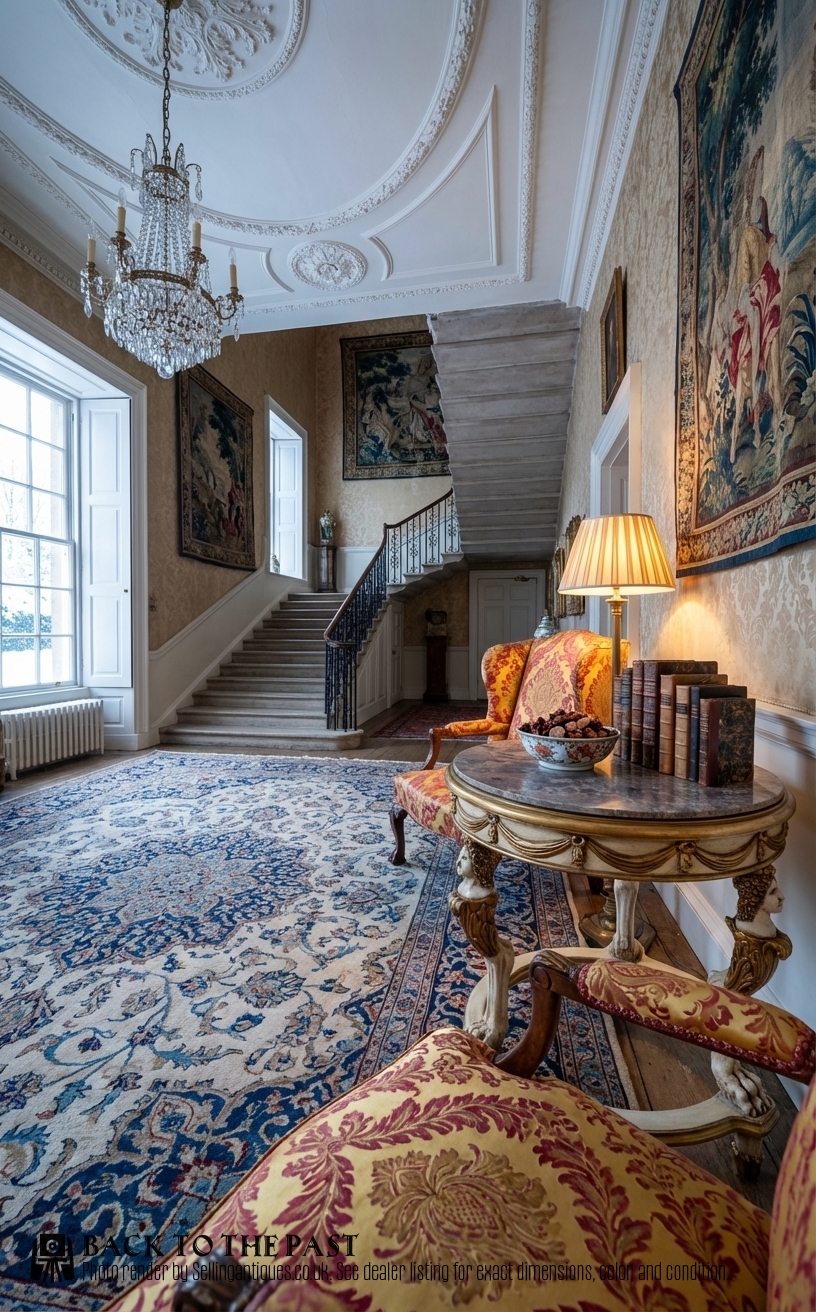
Gold Marble Side Table
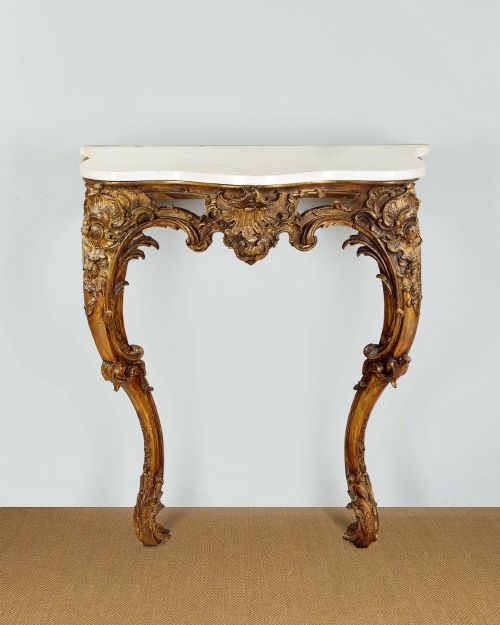
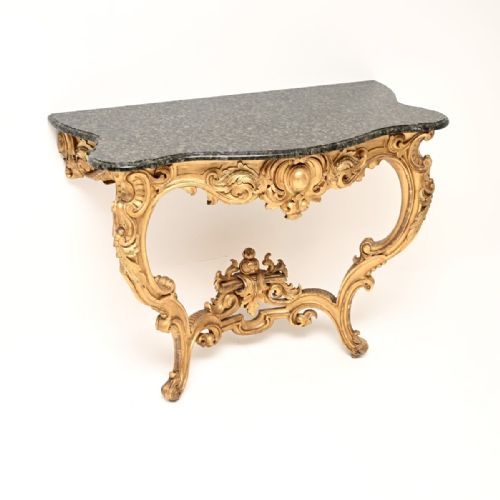
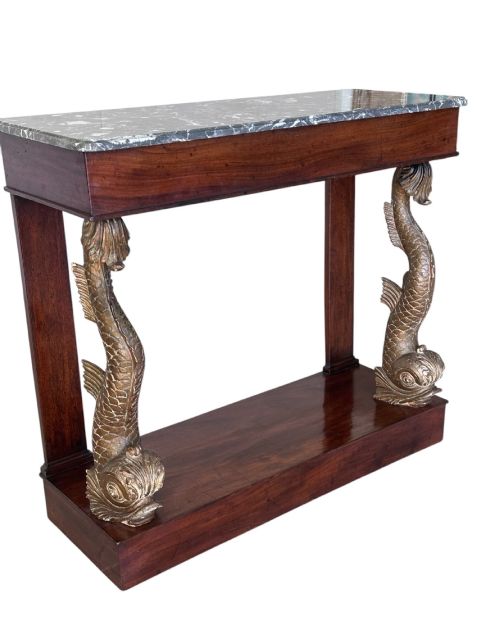
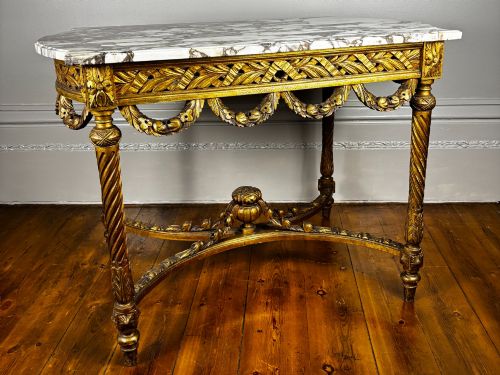
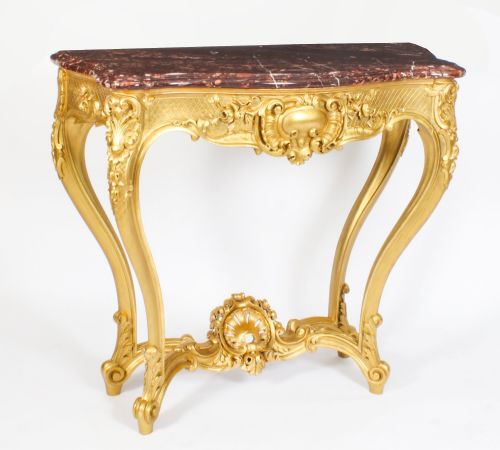
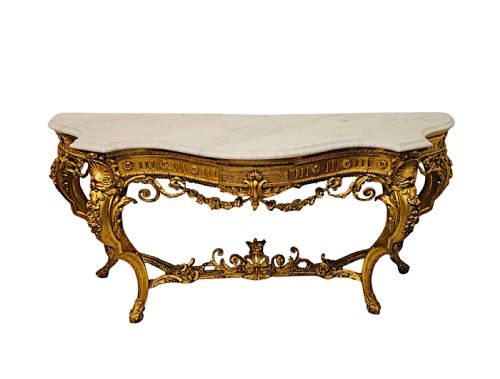
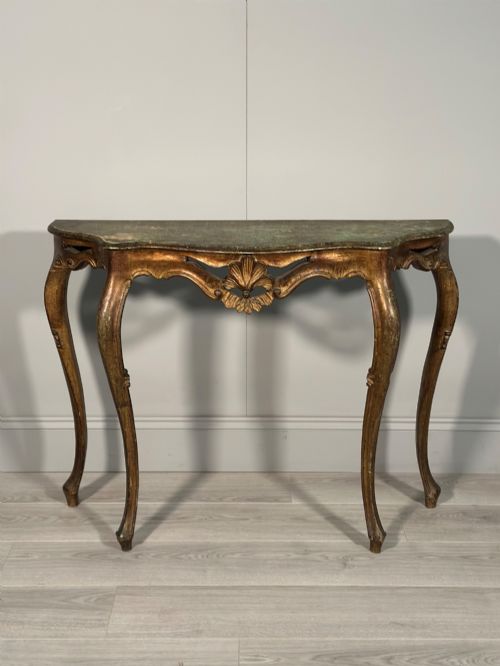
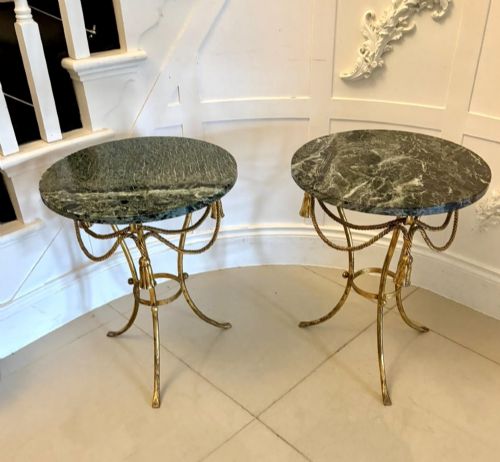
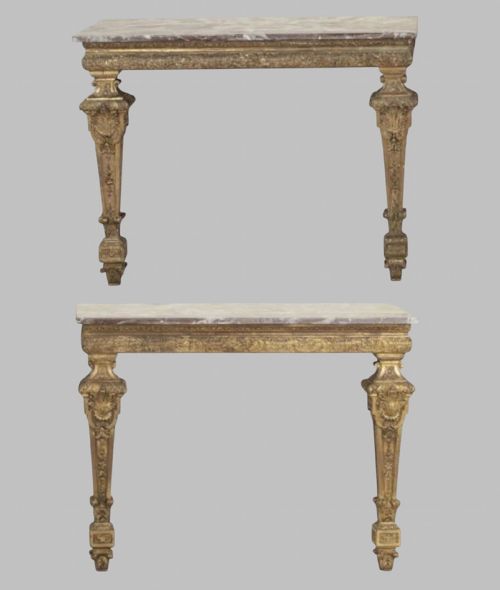
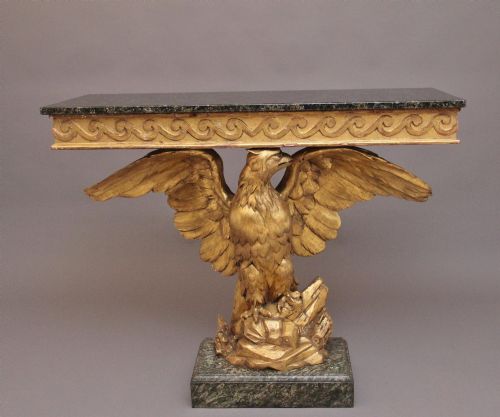
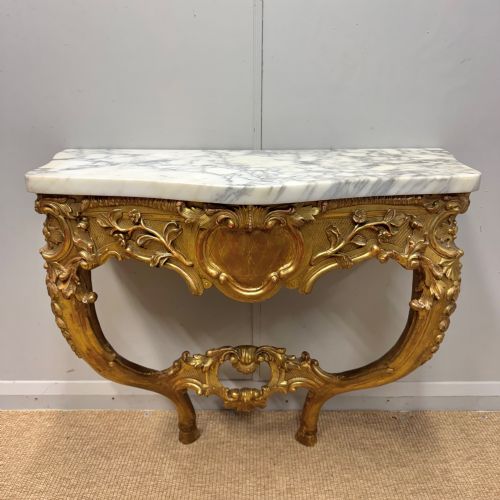
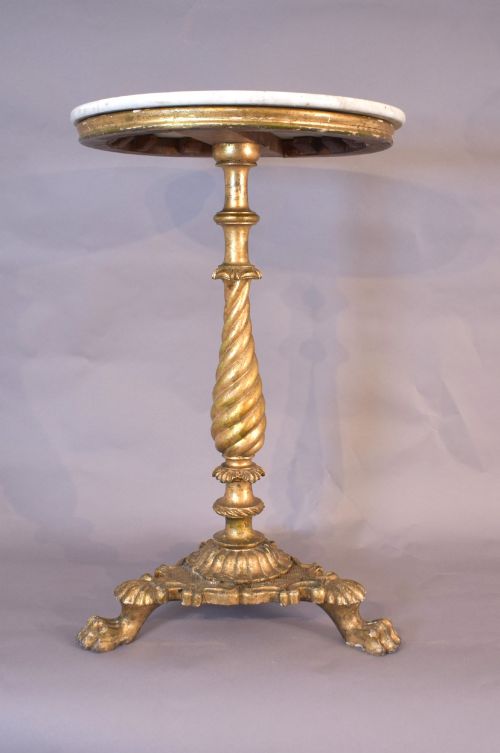
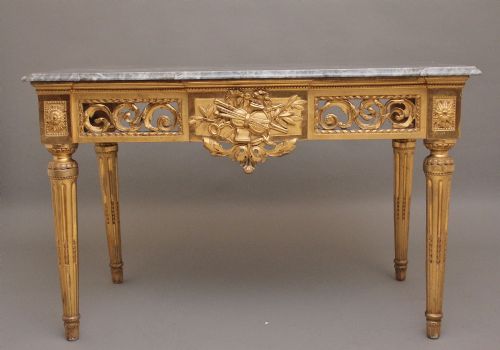
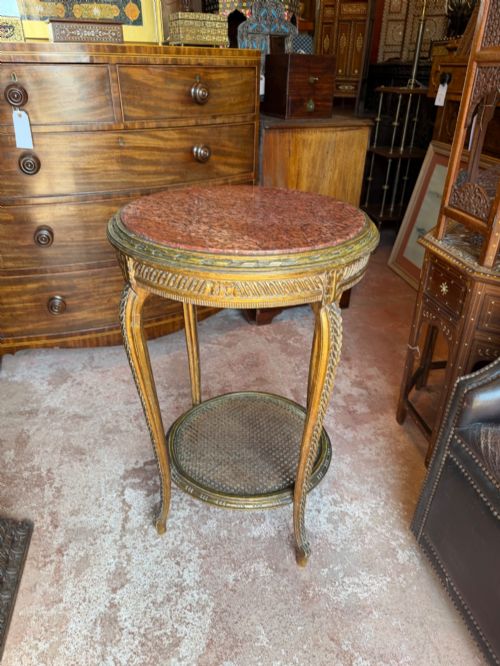
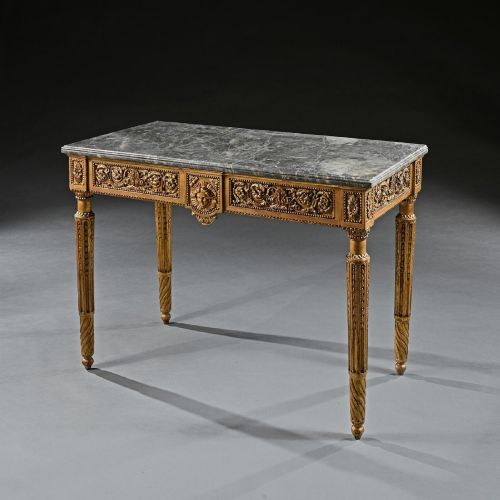
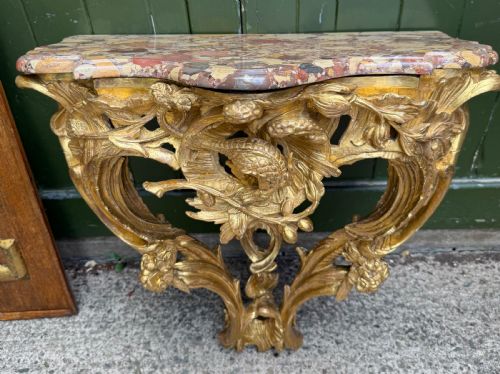
A gold marble side table appears in several distinct forms across this selection, most commonly as a console, occasional table, or gueridon designed to sit against a wall or beside seating. These pieces span from the eighteenth century through to the early twentieth century, taking shape under Neoclassical, Rococo, and Louis styles.
Italian and French workshops dominate the origins of these items, often producing console tables with carved giltwood frames alongside smaller lamp tables and pedestals mounted in brass or ormolu. The integration of marble tops with gilded or painted wooden bases defines the visual weight of these tables in domestic interiors.
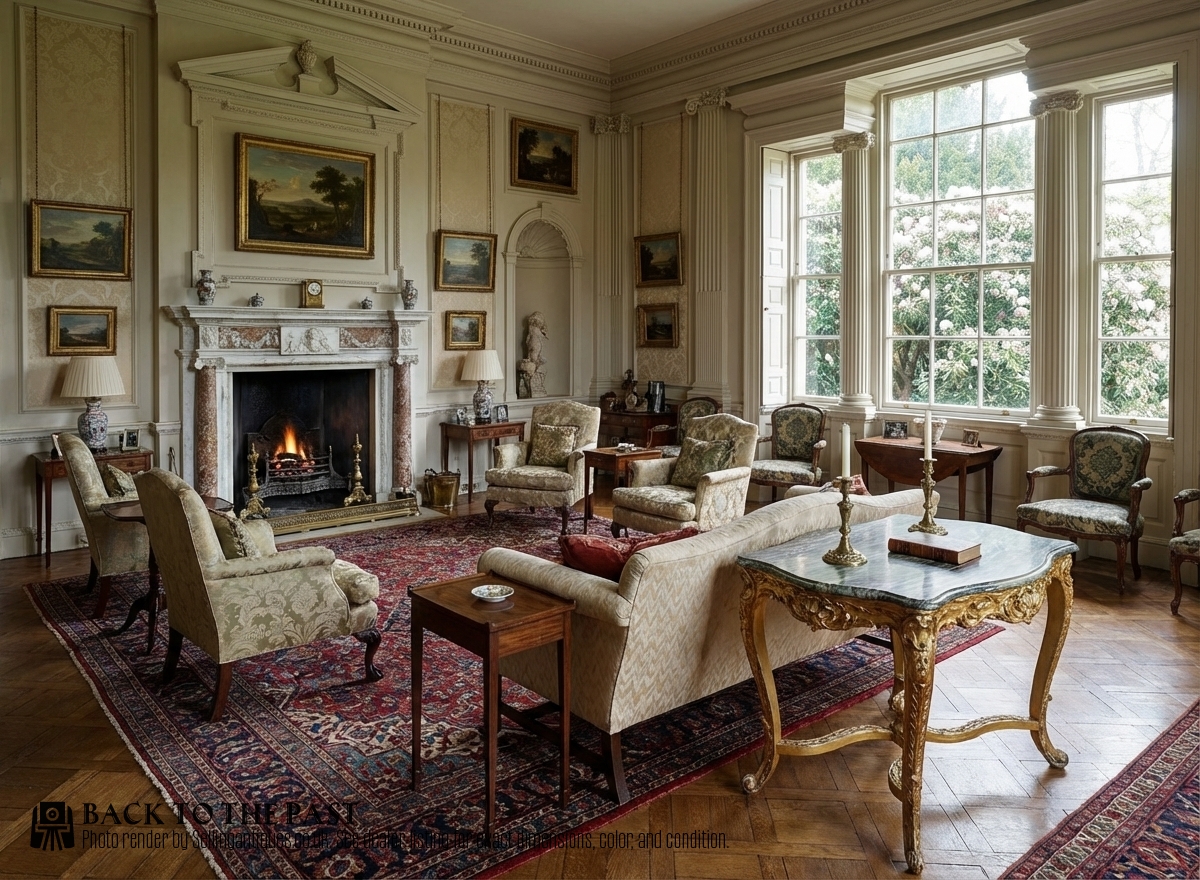
Materials and Construction
Makers shaped these gold marble side tables using dense hardwoods such as lime and walnut, or applied intricate gesso over carved wooden foundations before laying gold leaf or silver gilt onto the surface. Ormolu and cast brass mounts frequently accent the frames, adding metallic depth alongside detailed mouldings.
The stone surfaces feature polished marble, onyx, and verde varieties, sometimes secured onto heavy console bases or set into circular gueridon tops. Artisans employed hand-carving techniques for the wooden supports, producing lion's paws, rams' heads, and swan motifs that anchor the stone above.
Gold Marble Side Table Retail Price Guide 2026
Typical asking prices for gold marble side table among the pieces listed under this phrase on Sellingantiques today, from the lower quarter to the upper quarter. They describe what is for sale here now, not the wider market.
The selection includes items spanning the eighteenth, nineteenth, and early twentieth centuries, incorporating French and Italian designs.
Craftsmanship and Proportion
The distinction between standard and superior pieces rests upon the depth and crispness of the wood carving, where hand-tooled details on giltwood surpass simpler moulded ornament. The quality of gilding, whether through gold leaf application or fine metal finishes, dictates how the frame catches light over time.
Stone selection also separates examples, with figured marbles such as breccia and breche d'alep offering complex natural veining that contrasts against simpler uniform tops. Structural integrity in the joinery of heavy console tables ensures the considerable weight of the marble is supported securely without sagging.
The Gold Marble Side Table Glossary
- Console table
- A table designed to stand against a wall, frequently secured to it for stability due to having only two front legs. These items often feature elaborate carved aprons and marble slabs.
- Gueridon
- A small round occasional table supported by a central column or tripod legs, originating in seventeenth-century France. They frequently serve as lamp stands or display surfaces.
- Giltwood
- Timber that has been coated with a thin layer of gold leaf over a prepared gesso ground. This technique provides a luminous metallic finish to carved furniture frames.
- Ormolu
- Gilded bronze or brass mounts used decoratively on furniture frames and lamps. The technique involves applying a mercury-gold amalgam to cast metal and heating it.
- Breccia marble
- A composite stone made of broken fragments of rock embedded in a finer-grained matrix, creating a variegated and highly decorative surface pattern.
Gold Marble Side Table: Frequently Asked Questions
Where should I place a console table?
A console table works best positioned against a flat wall in an entrance hallway, drawing room, or dining space where it provides a surface for lamps and decorative objects.
Because many period console tables rely on wall fixings or front legs for balance, ensuring stable placement prevents movement of the heavy marble top.
How do I clean a marble top?
Wipe the polished marble surface using a soft, damp cloth and mild neutral soap, avoiding acidic cleaning agents that etch the stone.
Dry the slab thoroughly afterwards to maintain the polished finish and protect the natural veining from moisture marks.
Are these tables heavy to move?
These pieces possess substantial weight primarily due to the solid marble or onyx slabs fitted to the top frames.
Lift the furniture by the wooden or metal base rather than the stone edge when repositioning the table within a room.
How do I identify a revival style?
Revival pieces emulate earlier seventeenth and eighteenth-century aesthetics, such as Louis XV or Neoclassical designs, but date from the nineteenth or early twentieth century.
Examination of the wood ageing, construction fixings, and gilding methods generally reveals whether a piece is of the period or a later interpretation.