
Rococo Occasional Table
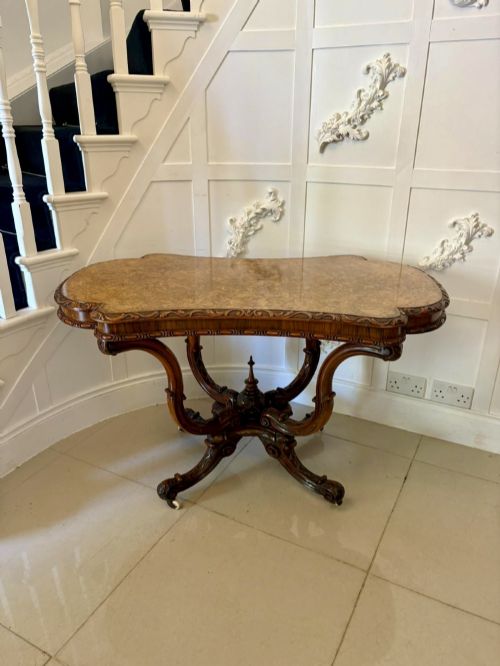
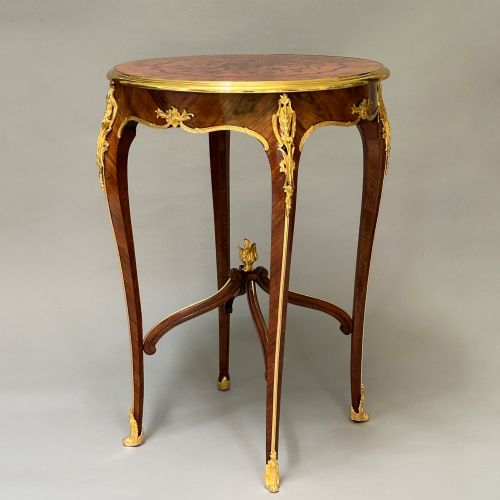
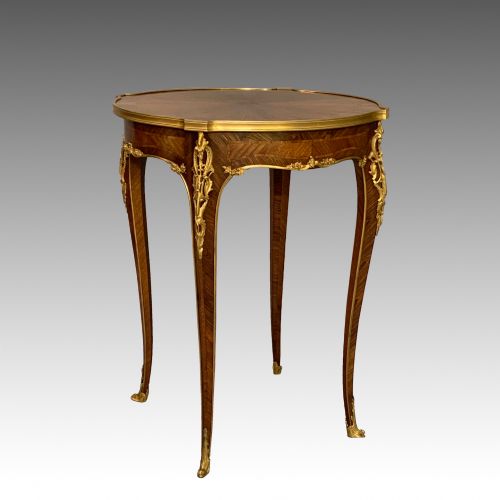
A rococo occasional table brings fluid curves and elaborate marquetry into a room, serving as a striking focal point for display.
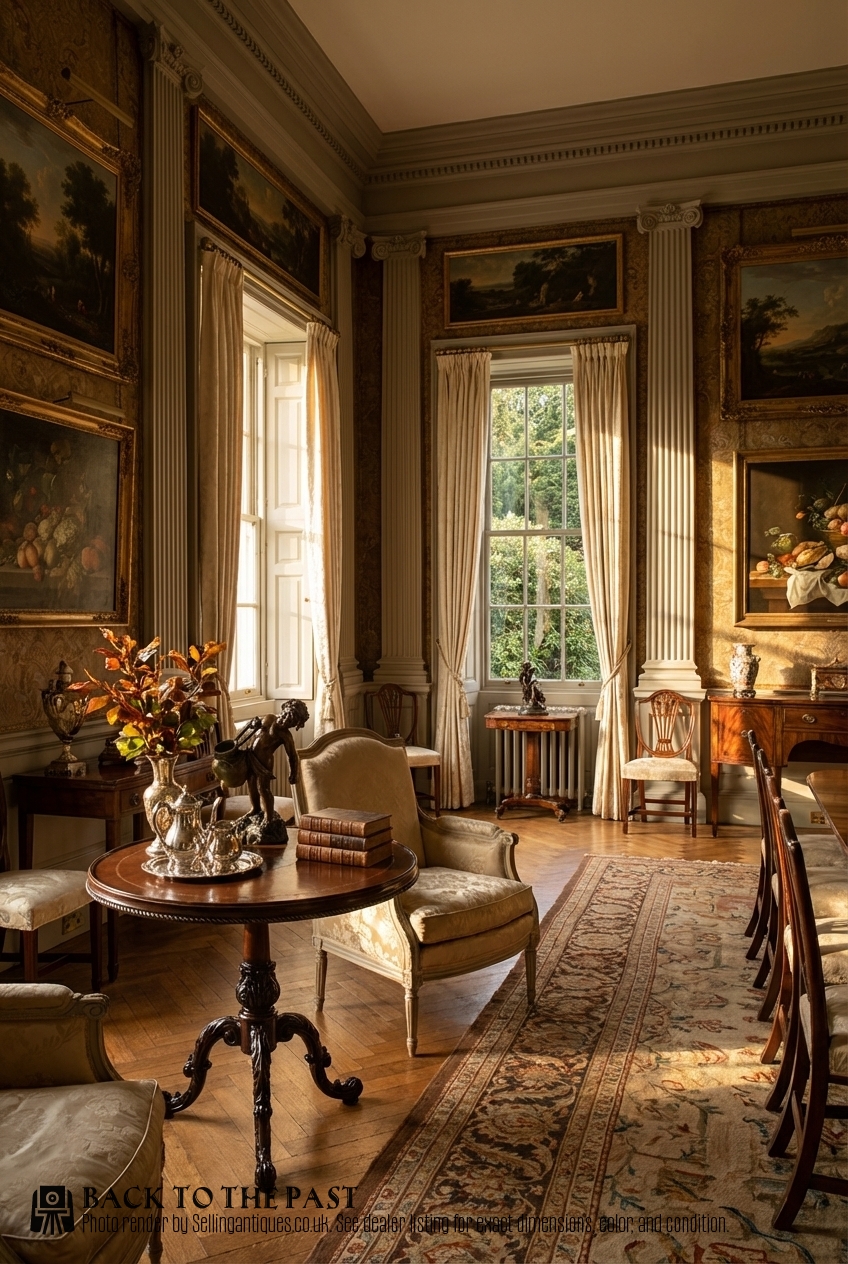
Rococo Occasional Table
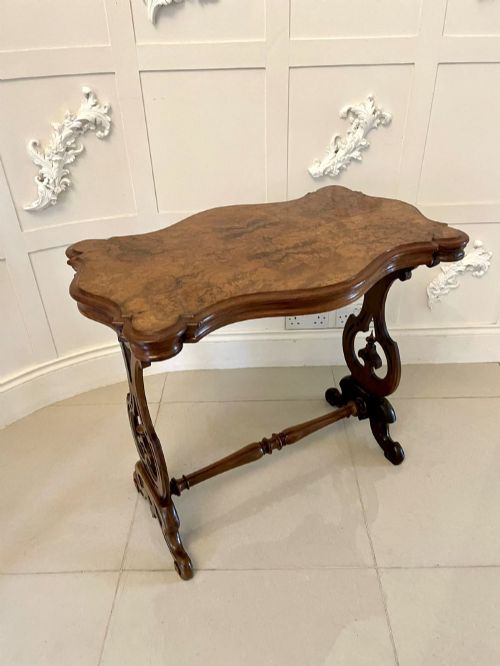
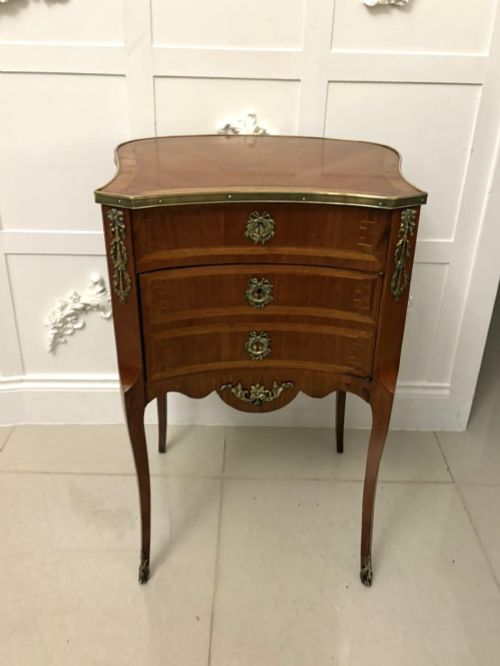
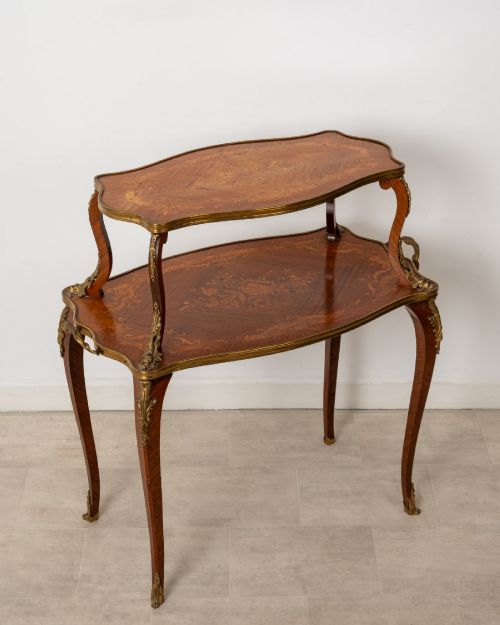
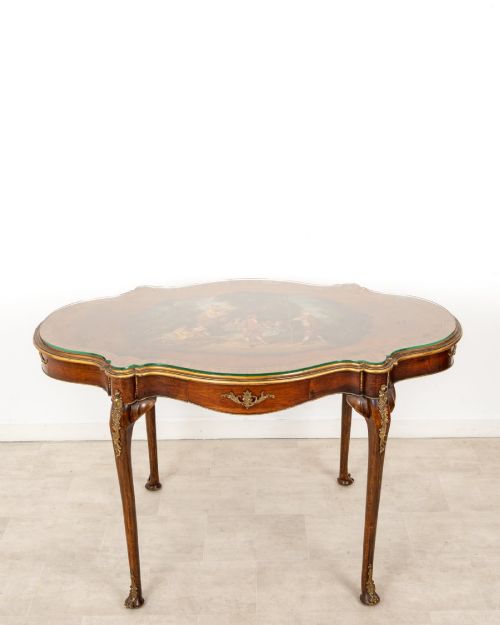
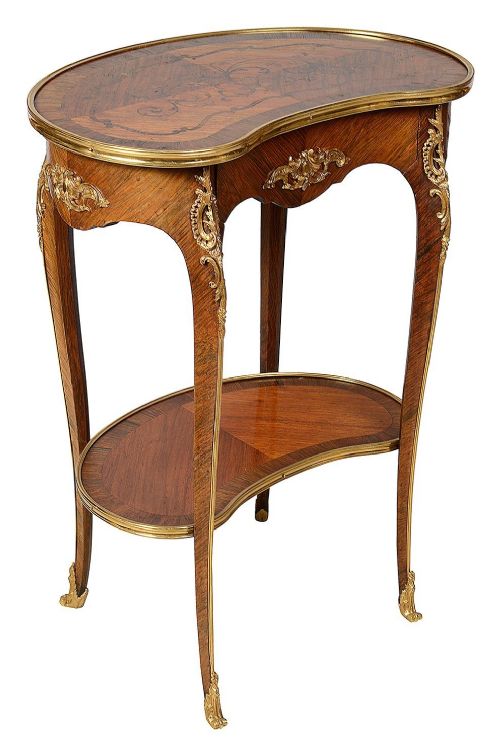
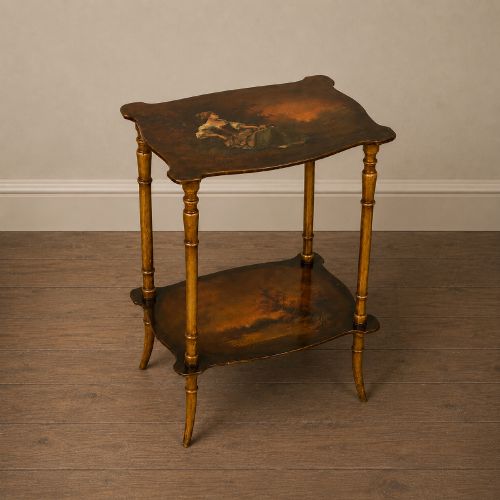
A rococo occasional table embodies the ornate, curving aesthetic of the Louis XV Revival and French Rococo Revival styles. Buyers searching for a rococo occasional table typically encounter pieces from the nineteenth century, including specific forms such as centre tables, wine tables, side tables, and tier tables.
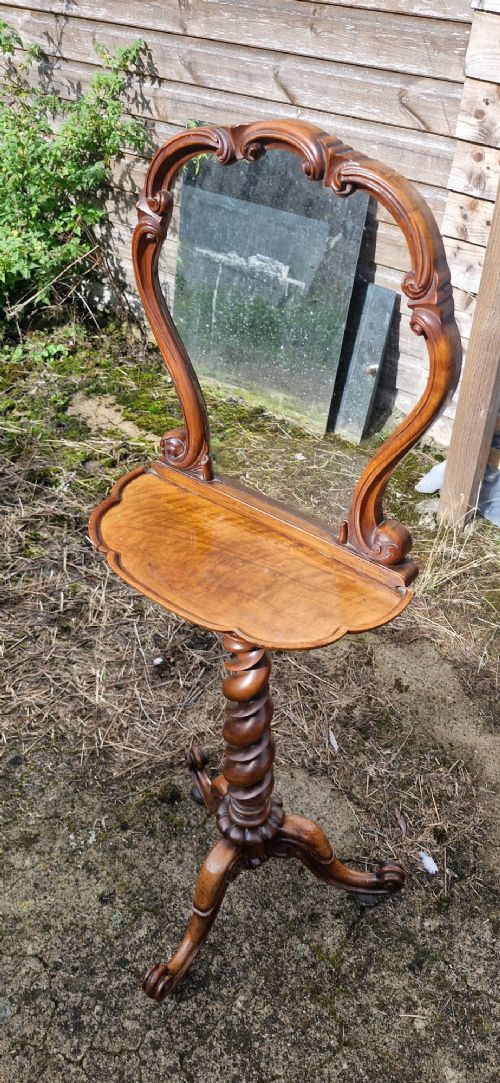
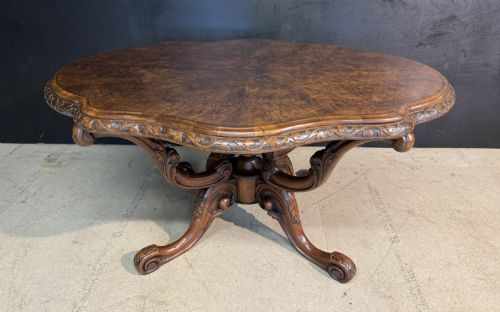
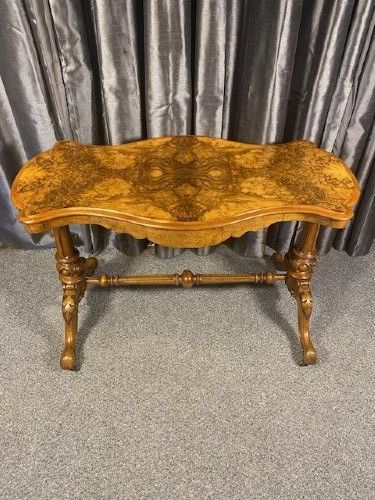
The selection ranges from British Victorian interpretations in burr walnut to continental examples executed in kingwood, mahogany, and walnut. These small tables were designed to be freestanding and versatile, functioning variously as lamp tables, etageres, or intimate wine tables.
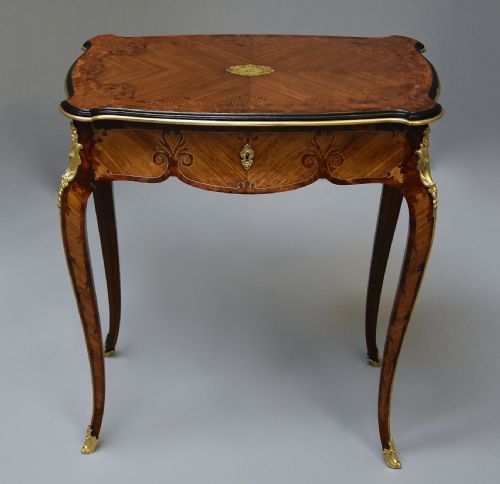
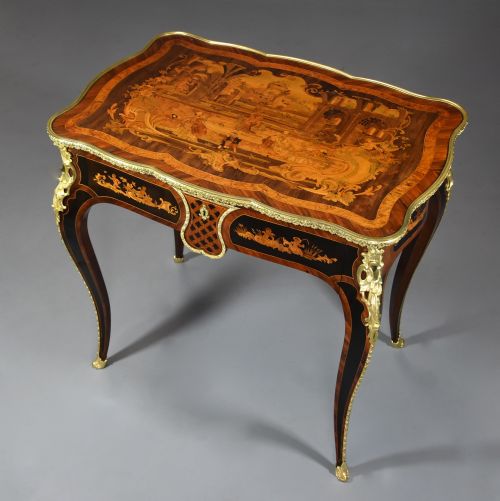
Originating largely from French workshops or British makers working in the French taste, these pieces prioritise decorative impact through shaped tops, intricate marquetry inlay, and serpentine frames. They offer a compact surface area paired with undeniable visual drama.
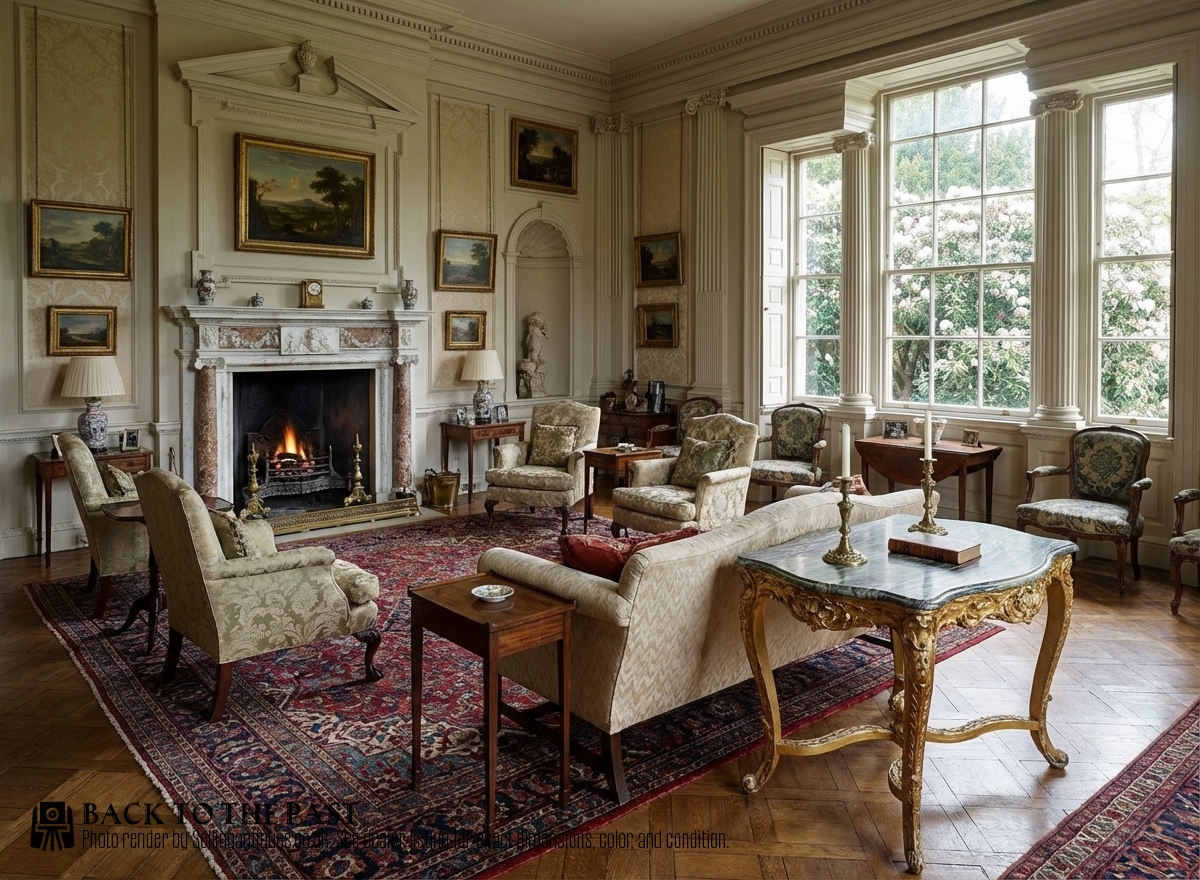
How they were made
Cabinet makers built these frames using foundational timbers such as walnut, mahogany, and oak, then applied decorative veneers including kingwood, burr walnut, and exotic marquetry patterns. This layered construction allowed workshops to achieve complex, flowing curves without compromising structural integrity.
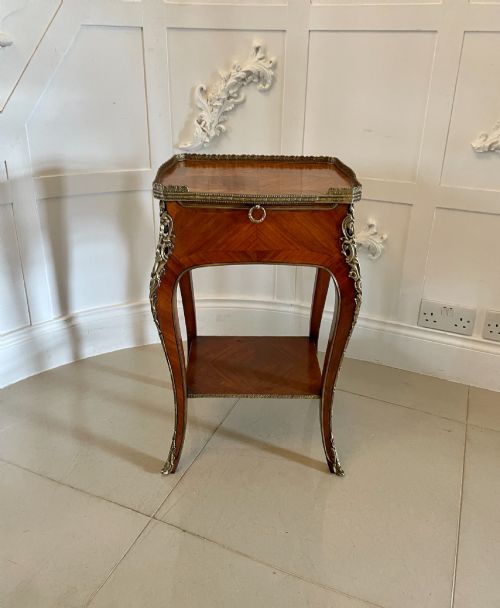
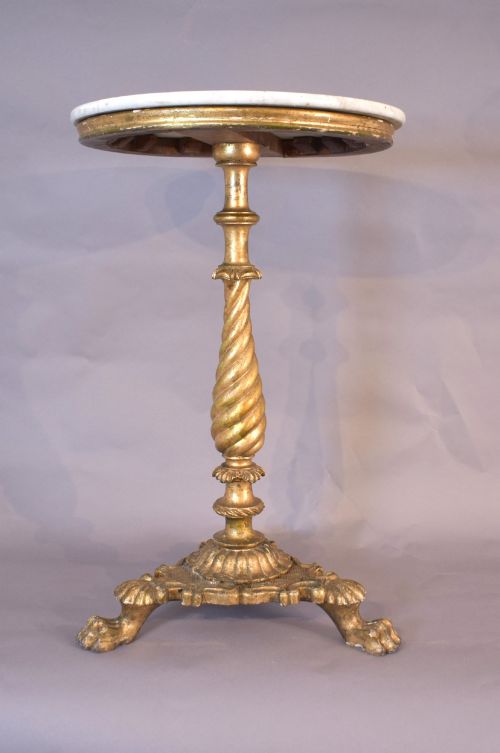
Cast and chased ormolu mounts, gilt bronze, and brass details decorate the corners, legs, and aprons, accentuating the asymmetrical contours typical of the style. Marble tops also appear, providing a solid, polished surface set into the wooden framework.
Many tables incorporate specialised mechanisms, drop leaves, or multi-tiered etagere structures that demonstrate high levels of nineteenth-century joinery and hardware integration.
Several tables manage to look entirely delicate while housing surprisingly heavy green marble tops.
What varies in quality
The distinction between standard production and exhibition quality lies in the depth of hand-carving, the complexity of the marquetry, and the crispness of the cast ormolu mounts. Finer examples display meticulous grain matching and finely chased bronze details rather than mass-produced stampings.
Construction methods also separate the tiers of quality, with superior pieces showing robust internal framing beneath rich veneers, smooth mechanisms, and fully finished backs that allow the table to stand freely in the centre of a room.
Joseph-Emmanuel Zwiener·François Linke·Millet·L.Martin of Paris·Edwards & Roberts
The Rococo Occasional Table Glossary
- Ormolu
- Gilded bronze mounts applied to furniture. This technique adds metallic highlights and sculptural detail to the wooden framework.
- Marquetry
- Decorative patterns formed by fitting together small pieces of coloured wood veneer. Craftsmen use this to create floral or geometric designs across tabletops.
- Étagère
- A set of open shelves for displaying small objects. These tiered tables provide multiple levels of surface space.
- Vernis Martin
- A type of simulated Japanese lacquer developed in France. It produces a glossy, translucent finish often adorned with painted scenes.
- Kingwood
- A dense, heavily figured timber native to Brazil. It was heavily utilised in high-end French cabinet making for its rich purple-brown tones and contrasting grain.
Rococo Occasional Table: Frequently Asked Questions
What is a rococo occasional table used for?
These tables were historically used for serving wine, displaying decorative objects, or holding lamps within formal drawing rooms and salons. Today, they function well as accent pieces beside seating or as freestanding display surfaces in living spaces.
Because of their compact proportions and finished all-round designs, they fit easily into various interior layouts while adding a strong decorative element.
How do I distinguish French from Victorian examples?
French pieces often utilise kingwood, elaborate marquetry, and heavier ormolu mounts reflecting Parisian cabinet-making traditions of the nineteenth century. Victorian British interpretations frequently favour burr walnut and may incorporate local cabinet-making traits while adopting the French style.
Examining the secondary timbers inside the frame and the style of the marquetry usually reveals the origin of the workshop.
Are these tables suitable for everyday use?
While structurally sound, antique pieces featuring delicate veneers and polished ormolu require thoughtful placement to avoid heavy wear. Using coasters and protecting the surface from direct heat helps preserve the historical finish.
They easily handle light daily tasks like holding a book or a lamp, provided they are placed on level flooring.
How can I tell the period of a table?
Dating relies on identifying material combinations, construction techniques, and stylistic markers such as the specific interpretation of Louis XV revival motifs. Nineteenth-century pieces often show distinct mechanical innovations and specific veneer choices characteristic of the period.
Comparing the secondary woods and construction joints helps narrow down whether a piece originates from the mid-nineteenth century or later revivals.