



Carved Acanthus Wall Mirror
A carved acanthus wall mirror brings sculptural foliage and gilded presence to an interior, shaped by centuries of revivalist design.

Carved Acanthus Wall Mirror
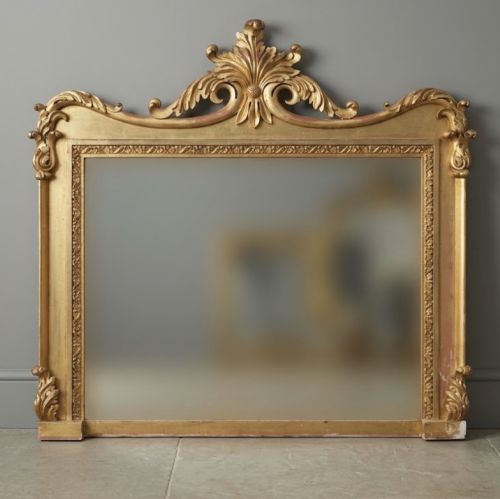
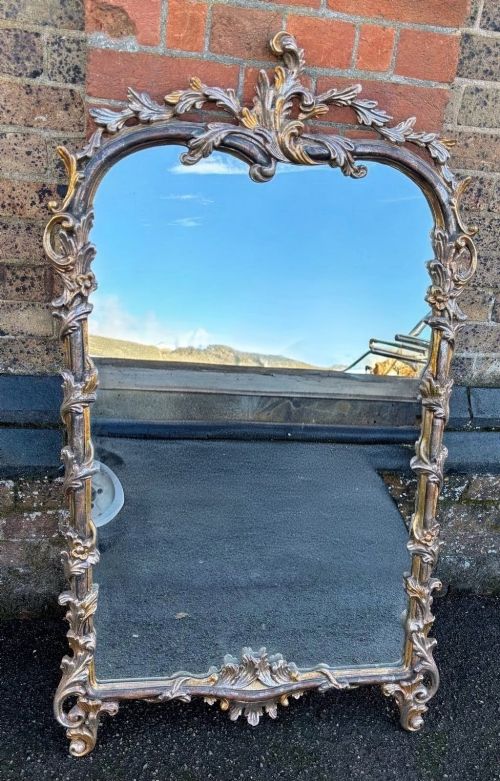
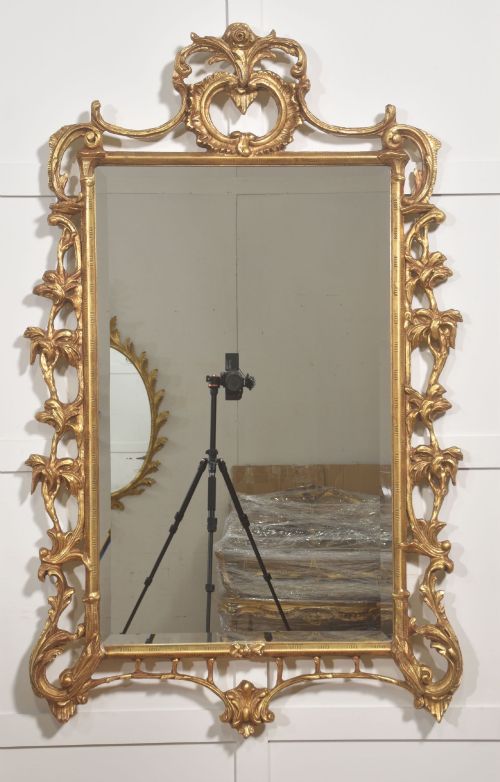
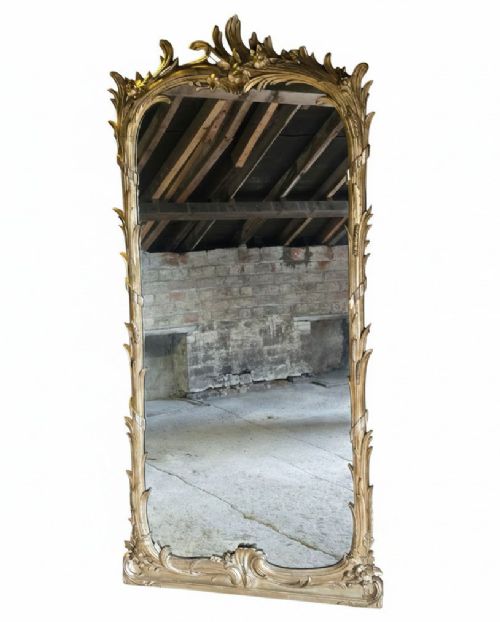
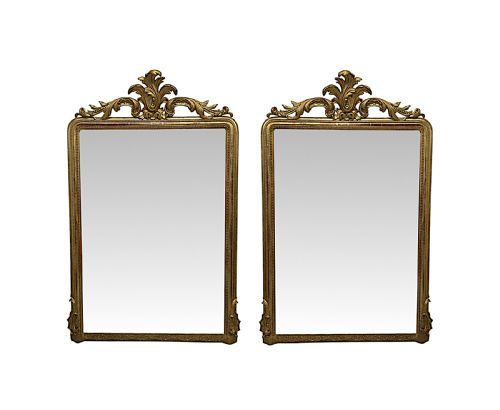
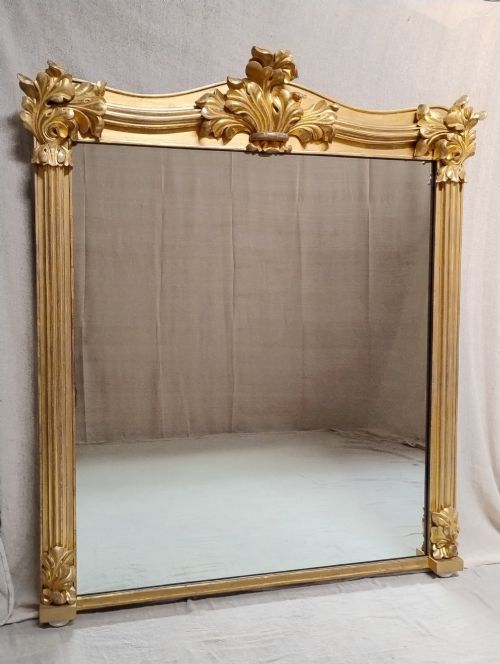
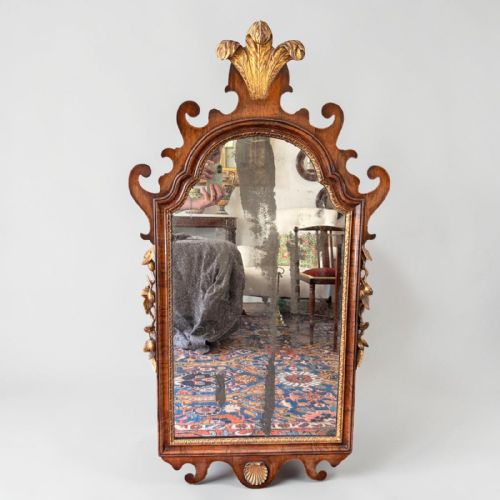
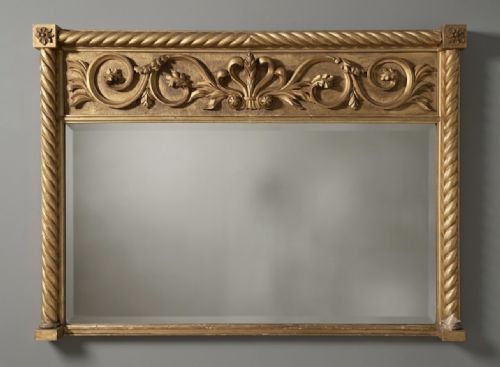
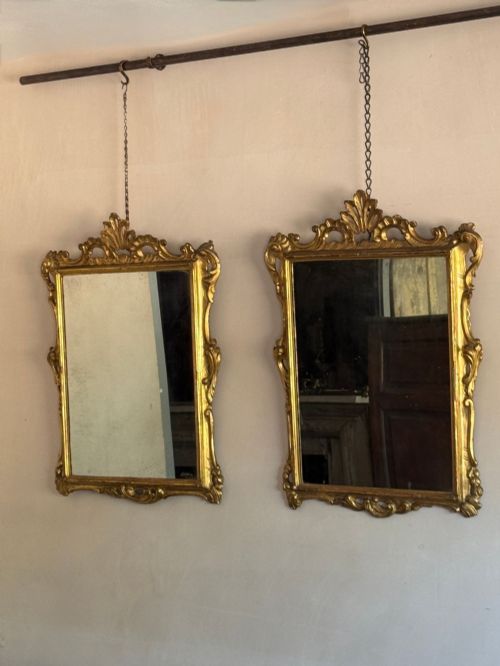
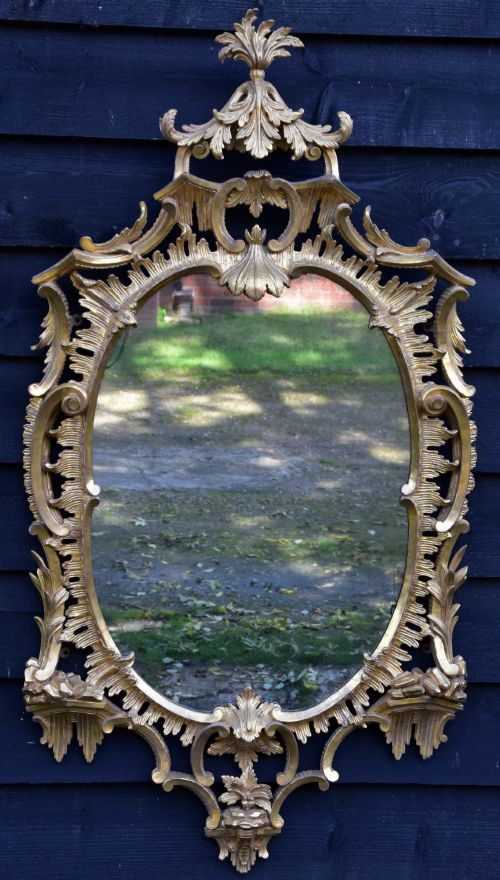
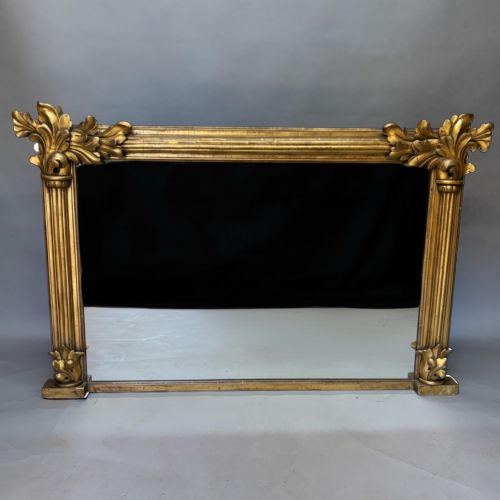
A carved acanthus wall mirror is an interior furnishing defined by foliage motifs rendered in wood and gesso. When searching for this form, buyers encounter pieces spanning the eighteenth, nineteenth and early twentieth centuries, rooted in Georgian, Victorian and Rococo design traditions.
How They Were Made
Craftsmen built these frames from timber substrates including oak, limewood and carved wood, applying layers of gesso to build up sculptural depth before finishing the surface. Giltwood and gold leaf applications provided a luminous metallic sheen, sometimes complemented by silver leaf or parcel gilt highlights.
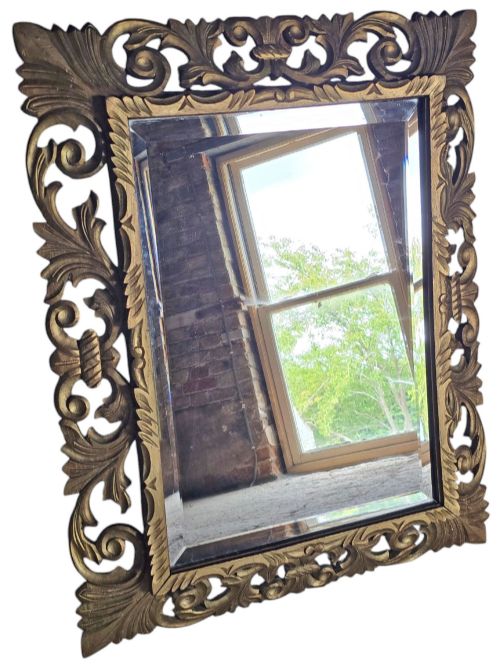
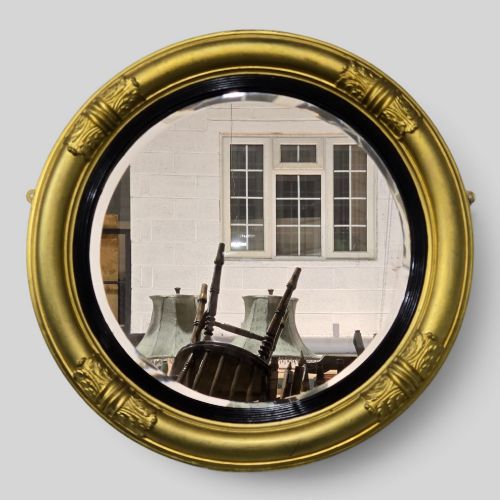
Mirror glass panels, occasionally taking the form of bevelled mercury glass or cushion configurations, were set within these heavily ornamented wooden surrounds. The intricate acanthus leaf scrolls and cartouches required skilled hand carving to achieve relief work across both English and continental workshops.
Carved Acanthus Wall Mirror Retail Price Guide 2026
Typical asking prices for carved acanthus wall mirror among the pieces listed under this phrase on Sellingantiques today, from the lower quarter to the upper quarter. They describe what is for sale here now, not the wider market.
The inventory spans the eighteenth to the twentieth centuries, recording materials such as giltwood, gesso, oak and mercury glass across Georgian and Victorian styles.
What Varies in Quality
The standard of a carved acanthus wall mirror rests on the depth and crispness of the hand carving within the foliage. Superior examples display undercut leaves and dynamic movement through the scrolls, whereas simpler items show shallow modelling pressed into composition material.
The integrity of the original gesso and gilding layer dictates the preservation grade. Pieces retaining their original gold leaf surfaces without extensive later overpainting command greater interest from collectors seeking period authenticity.
The Carved Acanthus Wall Mirror Glossary
- Acanthus
- A classical ornamental leaf motif modelled on the Mediterranean plant, heavily utilised in carved scrollwork. It forms the defining decorative element of these frames.
- Gesso
- A plaster-like mixture applied to wooden frames as a base for gilding. It allows carvers to achieve sharp relief details before applying gold leaf.
- Giltwood
- Timber that has been coated in gold leaf or gilt paint. This finish creates the bright reflective surface characteristic of formal period mirrors.
- Overmantel
- A large mirror designed specifically to hang above a fireplace mantelpiece. These grand pieces often dominate the wall space.
- Rococo
- An ornate design style from the eighteenth century, revived extensively in the nineteenth century. It is characterised by asymmetry, C-scrolls and naturalistic foliage.
Carved Acanthus Wall Mirror: Frequently Asked Questions
Where should I hang an overmantel mirror?
These large pieces sit naturally above a fireplace mantelpiece, anchoring the room's proportions and reflecting light across the interior.
Alternatively, position them on a principal wall above a console table to create a focal point in a reception room or hallway.
How do I identify a Florentine frame?
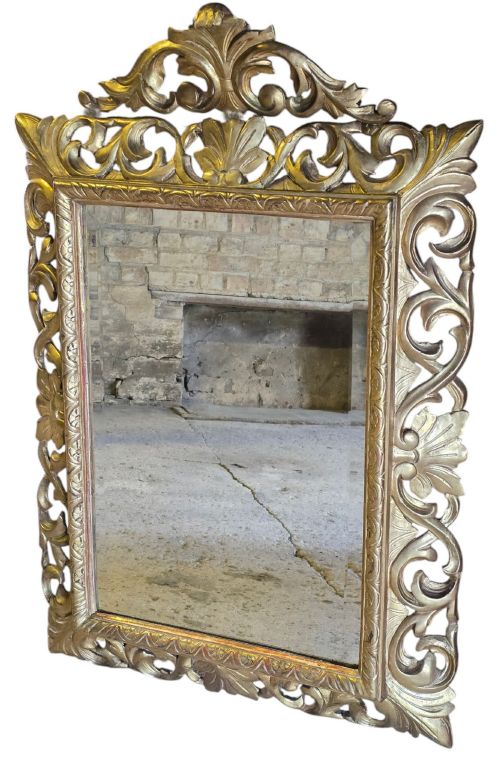
Florentine mirrors typically exhibit dense, intricate carved leaf work and deep openwork frames originating from Italian workshops. They frequently employ rich gilt finishes with a strong emphasis on sculptural acanthus scrolls.
Many date from the nineteenth century revival periods, often taking large overmantel or wall-hanging formats.
Are these mirrors heavy?
Solid wood construction combined with thick gesso and large glass plates makes these frames substantial in weight. Proper wall fixings into structural studs or masonry are essential for secure hanging.
Professional installation is recommended, particularly for overmantel formats and large antique pieces.
How do I care for giltwood surfaces?
Dust the carved foliage gently with a soft, dry brush to prevent accumulation in the recesses. Avoid chemical cleaners or moisture, which can damage aged gold leaf and underlying gesso.
Keep the mirrors away from direct heat sources and strong sunlight to protect the wooden substrate and historical finishes.