
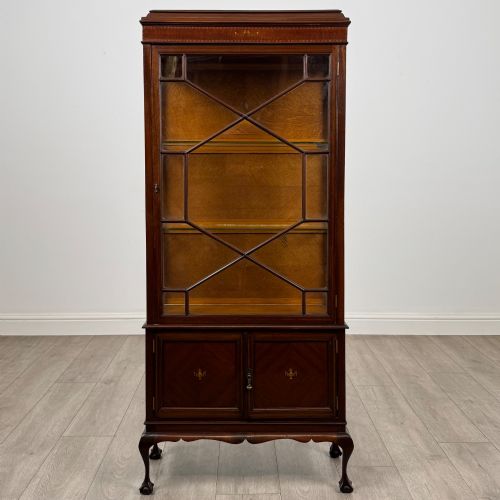
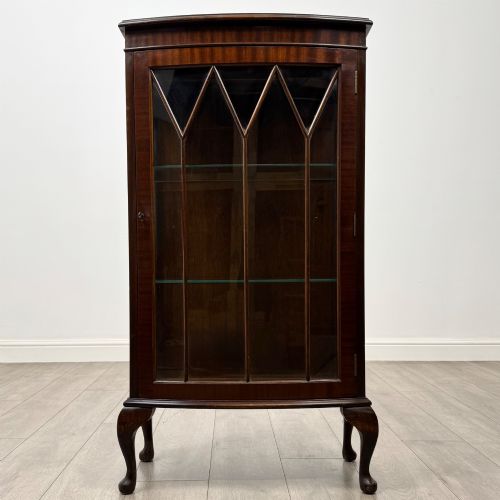
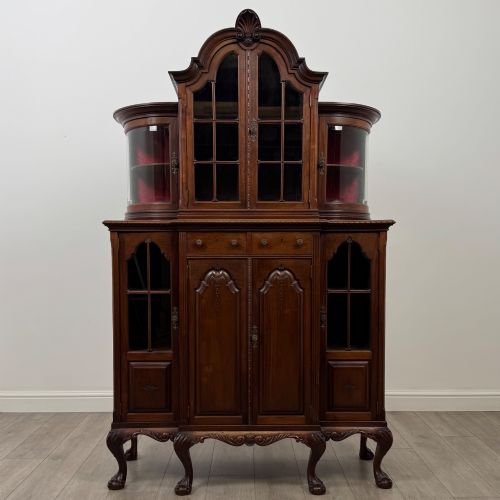
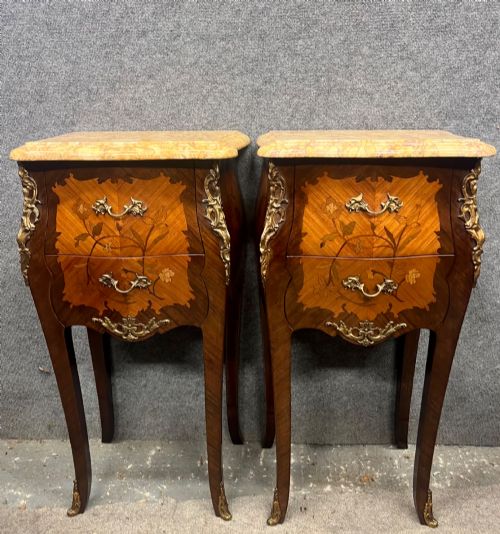
Cabriole Leg Cupboard
A cabriole leg cupboard brings graceful curves and practical storage together, making it a timeless choice for any room.
Cabriole Leg Cupboard
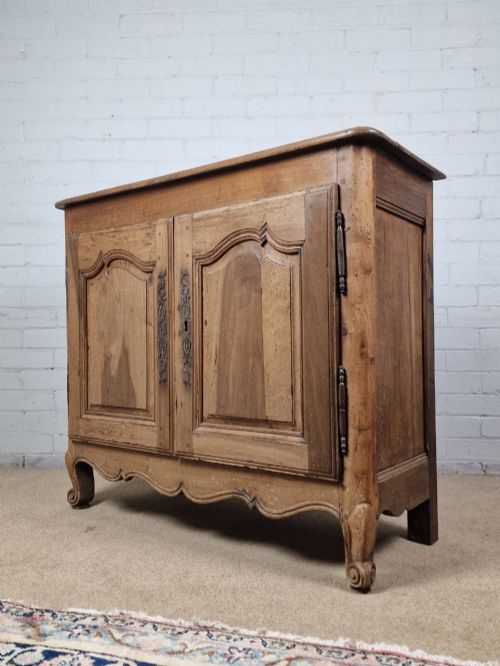
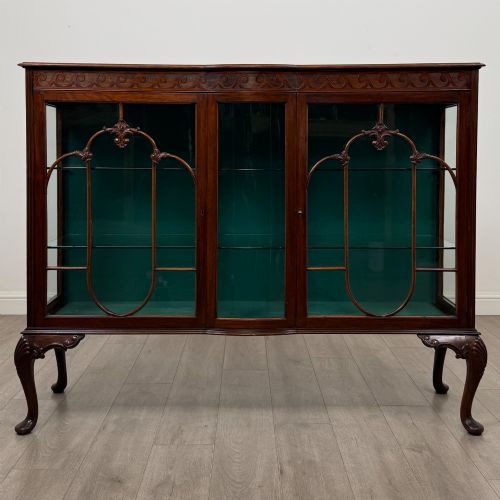
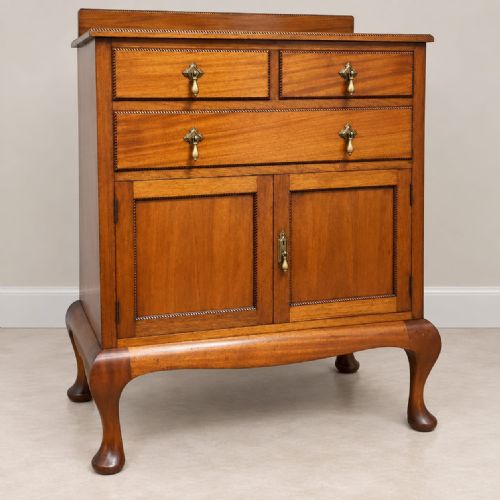
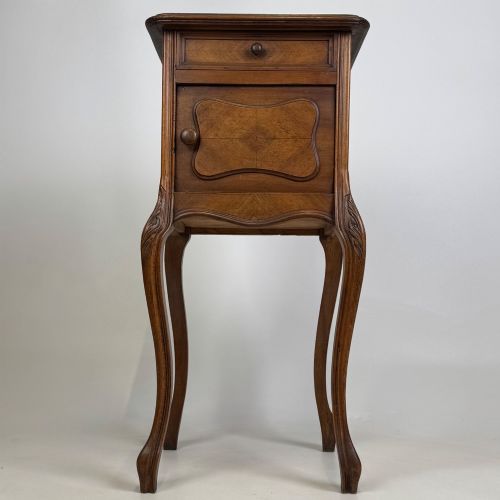
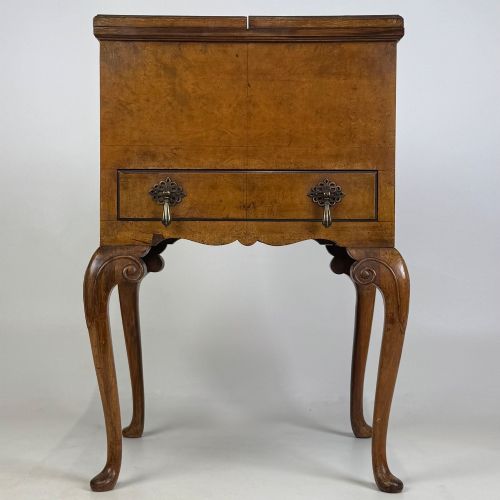
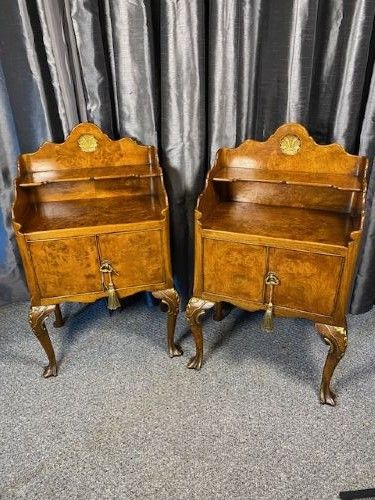
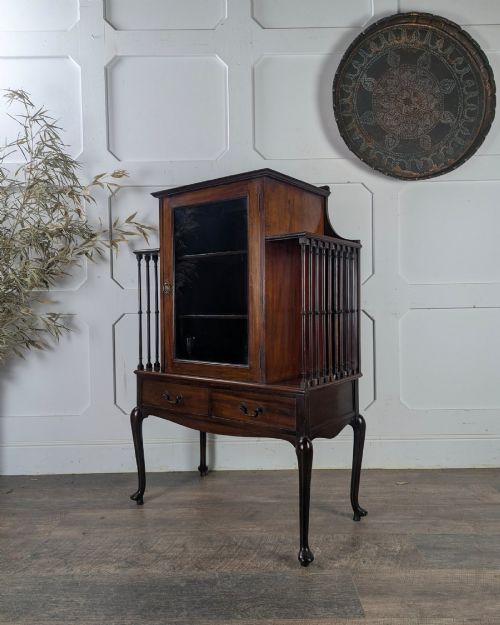
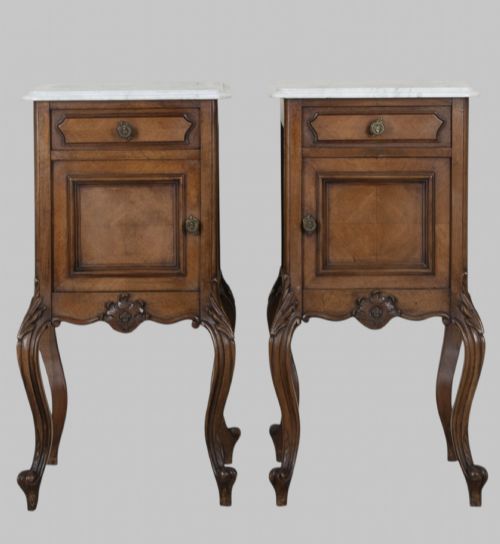
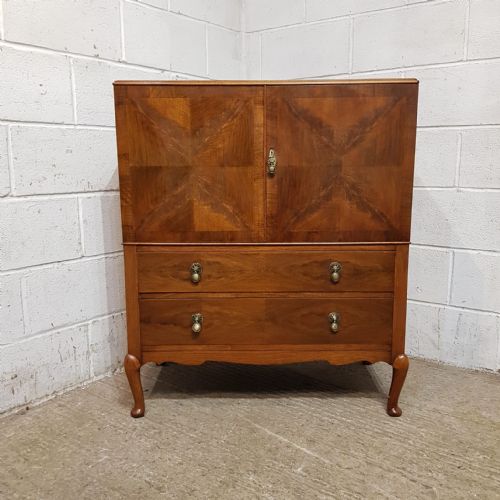
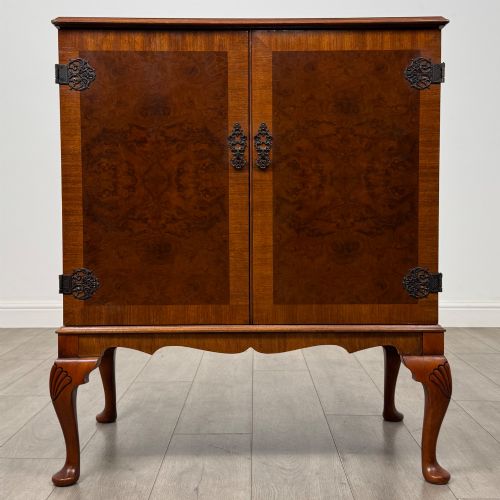
A cabriole leg cupboard combines distinctive curving supports with functional enclosed storage spaces, spanning various forms from bedside chests to tallboys and display cabinets. Buyers searching for a cabriole leg cupboard will find pieces ranging from compact bedside tables to larger side cabinets and drinks cabinets.
The pieces appearing most frequently originate from the Edwardian era and the 1920s and 1930s, alongside nineteenth-century examples and revival styles. Cabinet makers drew heavily on Queen Anne, French Provincial, and Louis XV aesthetics to shape these distinctive supports.
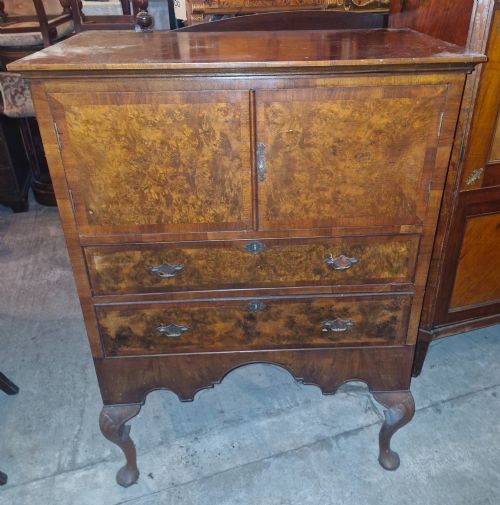
Form and utility vary widely across the selection, encompassing glazed display cases, marble-topped bedside chests, and fitted cupboards. Oak, mahogany, and walnut provide the primary carcases, often enhanced by burr walnut veneers or marquetry inlay.
Materials and construction methods
Cabinet makers utilised a rich palette of timbers including mahogany, oak, and walnut, frequently selecting burr walnut and exotic kingwood for decorative surfaces. Marquetry inlay and painted finishes appear regularly to enrich the exterior appearance of the wood.
Structural elements often incorporate inset marble tops and glazed doors alongside brass hardware. The defining cabriole legs require skilled shaping to achieve the characteristic double-curved silhouette without compromising the weight-bearing integrity of the cabinet.
Distinguishing quality in construction and finish
The refinement of the leg carving separates standard production from superior pieces, particularly where the curve flows naturally out of the apron. Finer examples display crisp marquetry, well-matched burr walnut veneers, and solid timber secondary woods.
Hardware selection and internal fitting also dictate the grade of a cabinet, with original brass handles, smoothly operating drawers, and fitted shelving marking out better workshops.
The Cabriole Leg Cupboard Glossary
- Cabriole leg
- A furniture support that curves out in a convex arc and tapers inward in a concave arc, finishing in a pad or foot. This design originates from ancient classical forms and gained immense popularity during the eighteenth and early twentieth centuries.
- Marquetry
- Decorative patterns created by fitting together small pieces of veneer into timber surfaces. Craftsmen use various coloured woods to produce intricate floral or geometric designs.
- Tallboy
- A tall chest of drawers standing on a base section or additional drawers. These units provide substantial vertical storage while occupying a modest floor footprint.
- Kingwood
- A dense, heavy tropical timber prized for its rich dark colour and striking grain patterns. Cabinet makers frequently utilised it for high-end French revival pieces.
- Dough bin
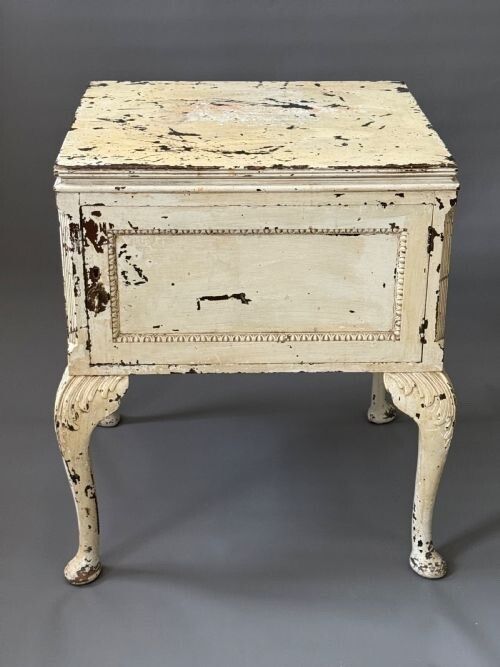
- A traditional piece of furniture originally designed for rising bread dough, repurposed over time as a practical enclosed cupboard.
Cabriole Leg Cupboard: Frequently Asked Questions
Where should I place a cabriole leg cupboard?
These cabinets suit bedrooms as bedside tables or living spaces as side cabinets and display units. Their decorative legs allow them to sit openly against walls where the silhouette remains visible.
Smaller bedside versions fit neatly beside lower bed frames, while taller display cabinets work effectively in corners or hallway spaces.
How do I identify a revival style?
Revival pieces replicate earlier historical designs such as Queen Anne or Louis XV styles but were manufactured during the nineteenth or twentieth centuries. Examining the interior construction methods and secondary timbers helps clarify the actual age.
Machine-cut joints or twentieth-century hardware typically indicate a revival piece rather than an eighteenth-century original.
Are these cupboards suitable for modern homes?
Their compact proportions make them highly adaptable for contemporary storage needs, whether holding bedside essentials or displaying glassware. The enclosed shelving keeps items tidy while adding traditional warmth to a room.
Marble tops on certain models offer durable, water-resistant surfaces suitable for lamps or drinks.
How do I care for walnut veneer?
Keep walnut veneer cabinets away from direct sunlight and excessive heat sources to prevent the wood from drying out or fading. Regular dusting with a soft, dry cloth maintains the surface sheen.
Avoid using harsh chemical polishes that can damage the delicate older finishes.