
Small Vintage Sideboard
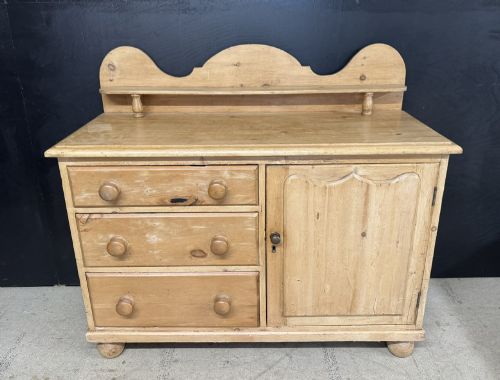
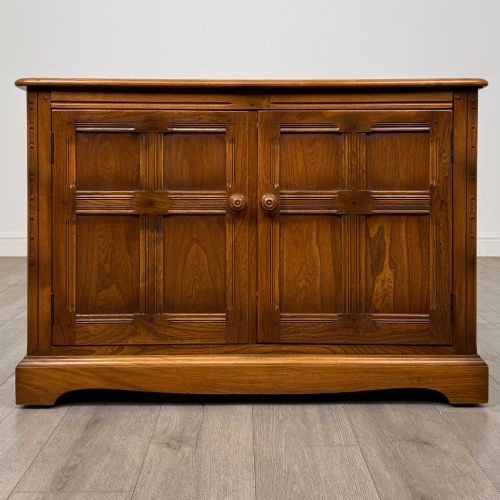
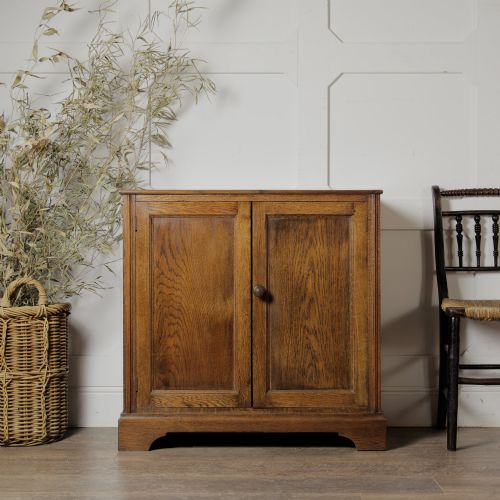
A small vintage sideboard brings compact storage to a room, offering surface space and cabinet room without dominating the floor.
Small Vintage Sideboard
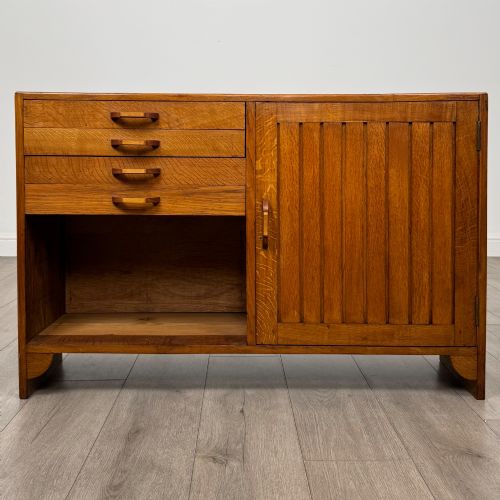
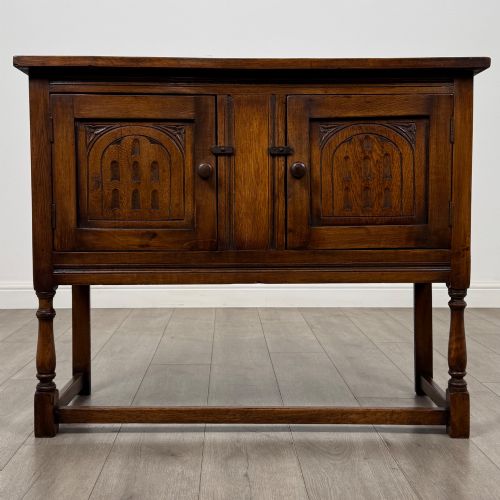
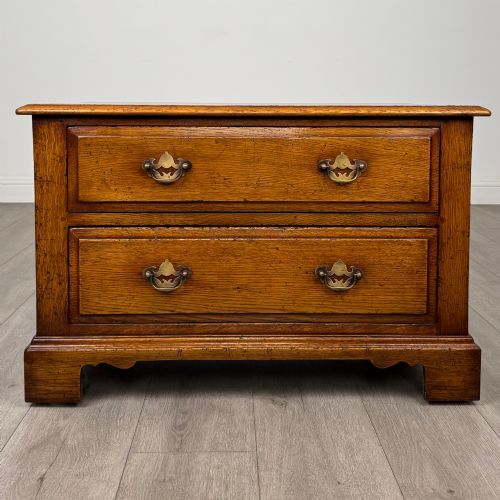
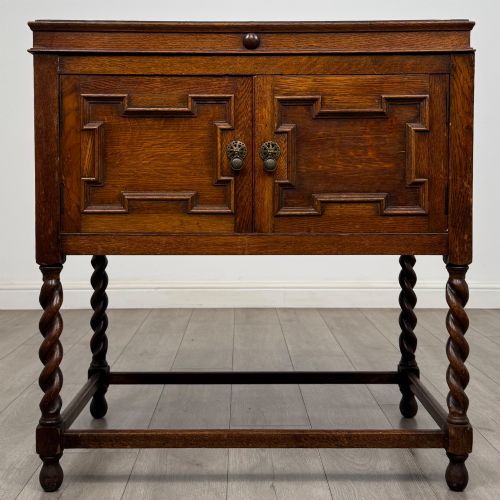
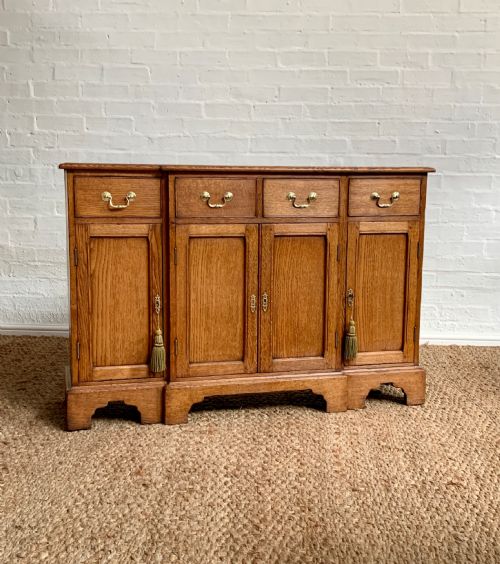
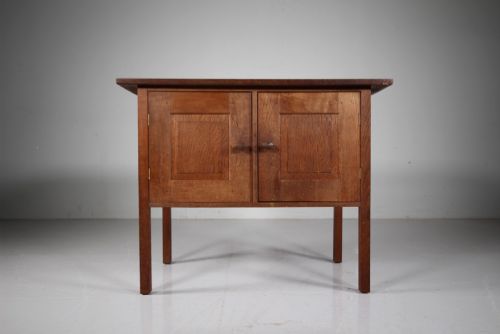
A small vintage sideboard search brings up low cupboards, side cabinets, and compact dressers drawn from Victorian, Edwardian, and Art Deco periods. These pieces serve dining rooms, halls, and sitting rooms where floor space is limited.
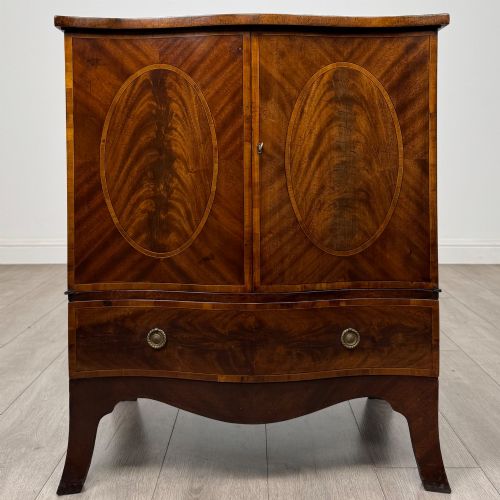
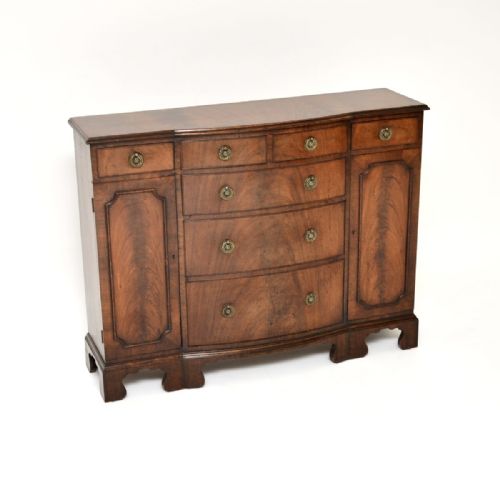
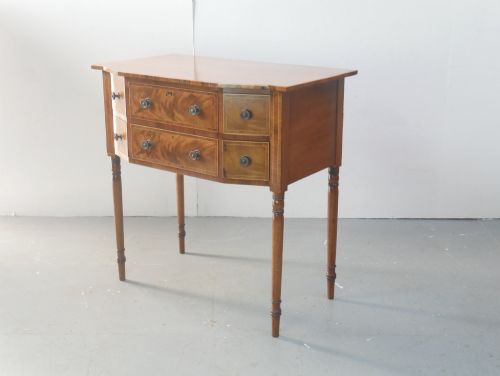
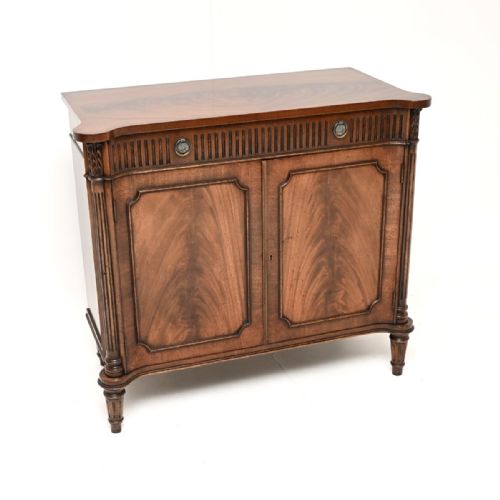
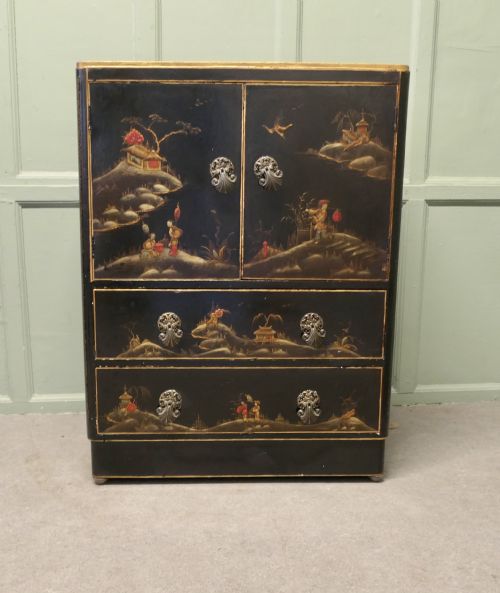
Oak and mahogany versions from the Edwardian era and the 1920s appear frequently among these listings, alongside French painted pine cupboards and walnut cabinets. Forms range from straight-fronted low cupboards to bow-fronted sideboards and serpentine designs.
Origin points stretch from British workshops to French provincial houses and Anglo Indian studios, providing diverse regional interpretations of compact storage furniture.
Materials and Technique
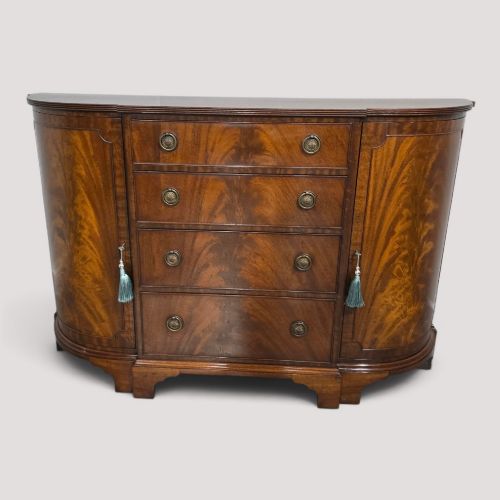
Cabinet makers utilised solid woods like oak, mahogany, pine, and walnut, frequently applying flame mahogany veneer or black lacquer for surface detail. Brass hardware, inlay work, and marble tops appear on select pieces.
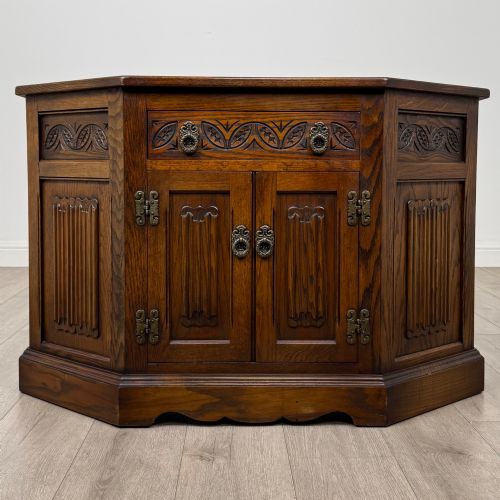
Construction methods rely on traditional joinery, seen in panelled doors, dovetailed drawers, and linenfold carvings. Surface finishes range from natural wax polishes to painted treatments and high-gloss lacquer.
Sheet music cabinets stand ready to hold compositions long after the upright piano has left the room.
Distinctions in Standard
Standard varies according to the selection of timber and the precision of decorative details, such as carved linenfold panels or brass inlays. Pieces bearing maker stamps or specific attribution generally stand apart in execution.
The integrity of the structural carcass and the quality of the timber grain determine the grade of a piece, distinguishing standard workshop output from exceptional commissions.
Peter Waals·Heals of London
The Small Vintage Sideboard Glossary
- Breakfront
- A cabinet design where the central section projects forward from the side sections. This layout creates visual depth in medium and large rooms.
- Chiffonier
- A compact sideboard or low cabinet typically fitted with drawers and doors below. It gained popularity during the Regency and Victorian periods.
- Linenfold
- A style of wood carving that resembles folded linen fabric. It is commonly found on panels of oak cupboards from the Tudor revival and Edwardian periods.
- Serpentine
- A curved furniture front shaped in a gentle 'S' wave. This contour requires precise woodworking skill.
- Commode
- A low decorative chest of drawers or cabinet originating in France. Many examples feature marble tops and intricate veneer work.
Small Vintage Sideboard: Frequently Asked Questions
Where should I place a small sideboard?
These cabinets suit dining rooms, hallways, and living spaces where a full-sized sideboard overwhelms the floor plan.
Their compact proportions provide useful surface space and interior storage without blocking natural pathways through a room.
How do I identify an Edwardian sideboard?
Edwardian pieces often feature golden oak or mahogany construction, sometimes displaying linenfold panels or simple brass hardware.
They combine traditional joinery with lighter proportions than their heavy Victorian predecessors.
What is a chiffonier?
A chiffonier is a compact storage piece incorporating drawers and enclosed cupboard space below a low surface.
Originating in the nineteenth century, these pieces served dining and drawing rooms for storing linens and tableware.
How do I care for antique wood finishes?
Maintain polished wood surfaces using natural beeswax and a soft cloth to preserve the moisture and grain of the timber.
Keep these cabinets away from direct heat sources and strong sunlight to prevent the wood or veneer from drying and cracking.