

Burr Walnut Study Desk
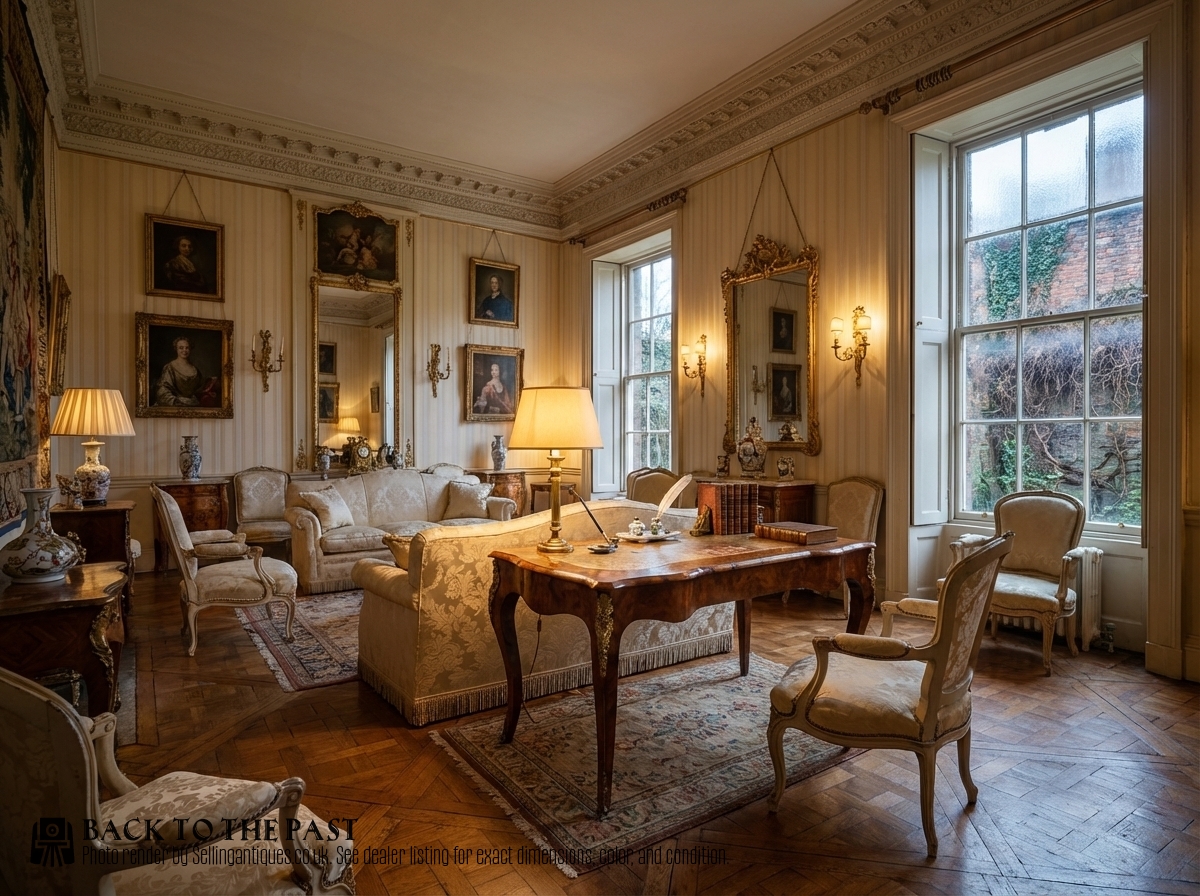
A burr walnut study desk brings figured timber and practical writing space together into a centrepiece for the home office.
Burr Walnut Study Desk
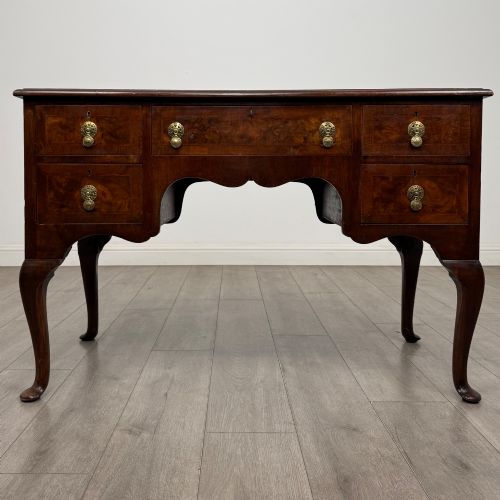
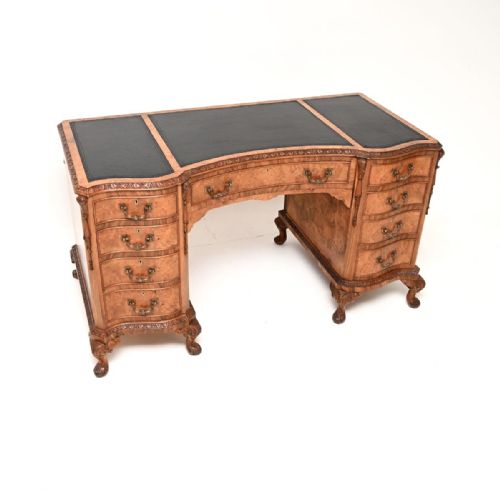
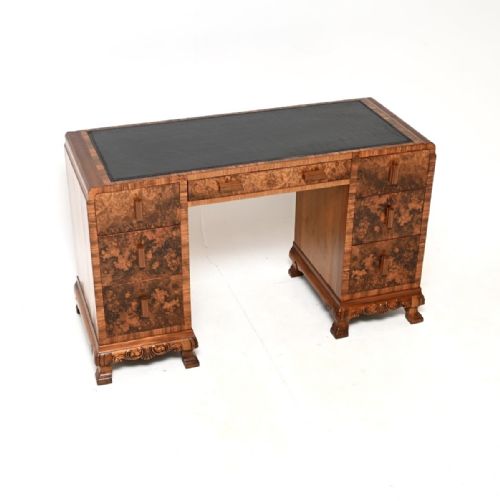
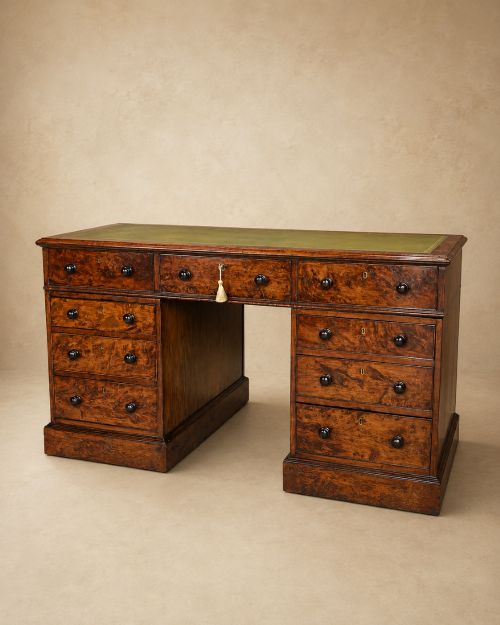
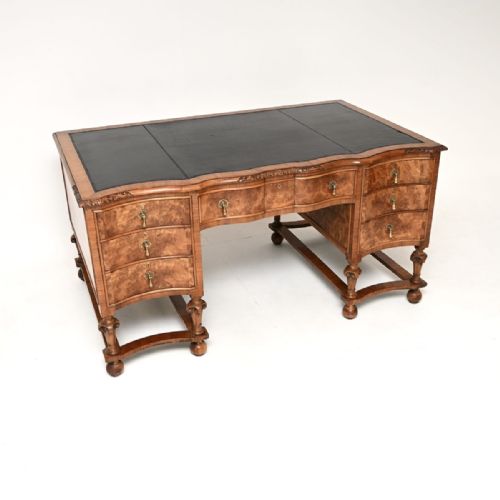
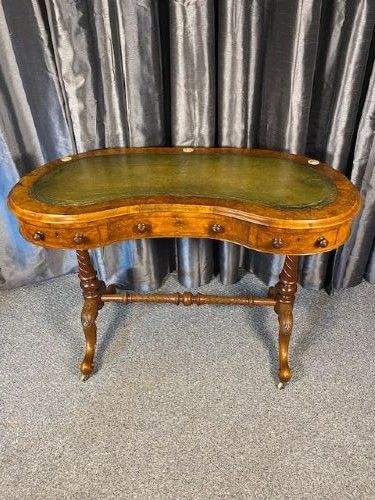
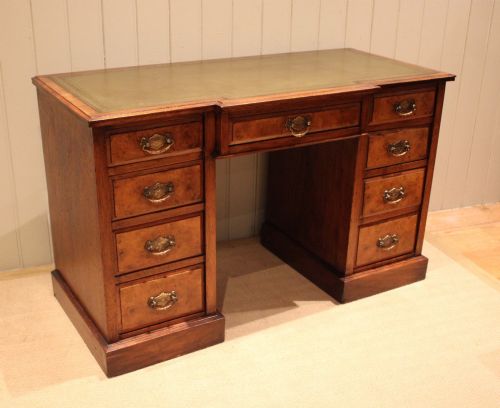
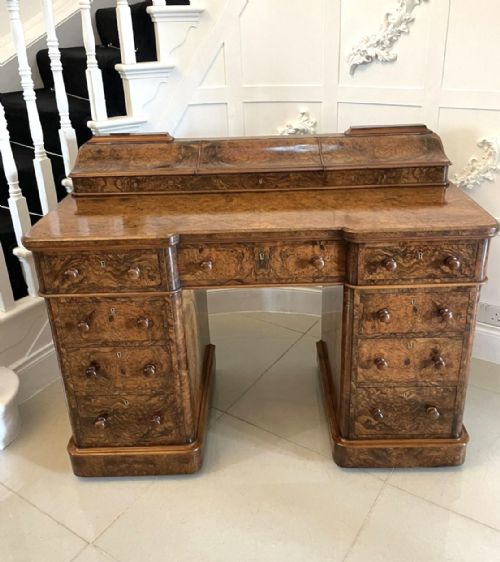
A burr walnut study desk is a fitted writing surface constructed from highly figured timber and fashioned into pedestals, bureaus, and writing tables. Buyers seeking one encounter forms spanning the Victorian era, the Art Deco period, and the eighteenth century.
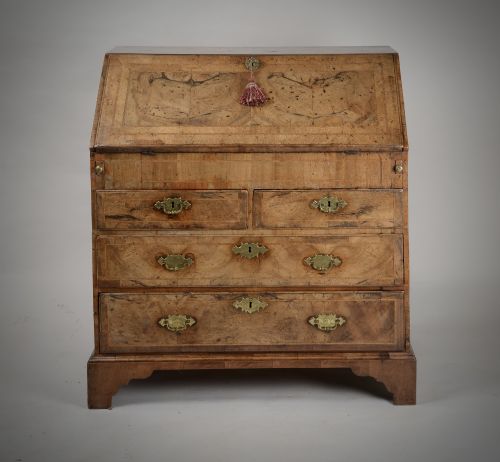
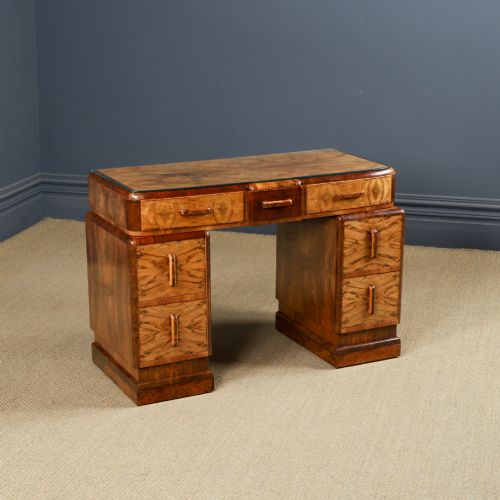
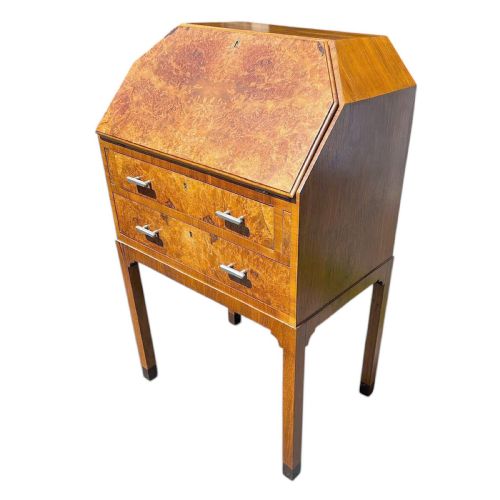
Pedestal desks and writing tables form the majority of the pieces seen, alongside compact Davenport desks and drop-front bureaux. These items appear in both revival styles such as Queen Anne and George III, as well as distinct twentieth-century continental designs.
The timber grain creates intricate patterns across the writing surface and drawer fronts, which distinguishes these pieces from plain walnut furniture. Makers often combined the burr veneers with solid framing woods to achieve a sturdy structure.
How they were made
Craftsmen applied thin veneers of burr walnut to stable underlying woods such as oak and pine, securing the patterned grain across flat surfaces and drawer fronts. Boxwood inlay, brass mounts, and leather writing inserts completed the top surfaces.
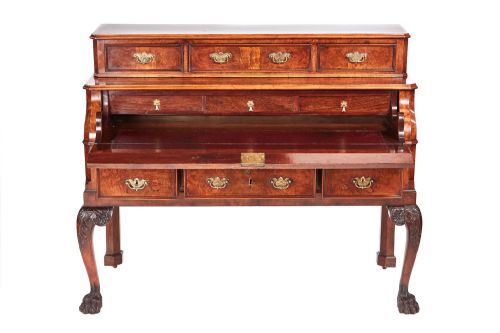
Makers utilised solid walnut for structural frames, legs, and carved details such as paw feet or cabriole shaping. Glass, ormolu, and brass hardware added contrasting textures to the timber bodies of later Victorian and Art Deco examples.
Several compact Davenport desks include concealed stationery compartments designed to keep morning correspondence entirely out of sight.
What varies in quality
The density and movement of the burr walnut veneer dictate the visual impact of the piece, with tightly swirled grain patterns commanding greater attention. The selection of matching veneers across multiple drawers shows deliberate planning by the cabinetmaker.
Construction methods distinguish standard production from exceptional workshops, visible in the dovetail joints of the drawers and the crispness of any applied carving. The integration of quality secondary timbers such as oak inside the drawers points to high-grade manufacture.
Maple and Co·Wylie and Lochhead Glasgow
The Burr Walnut Study Desk Glossary
- Burr walnut
- A timber derived from the growth excrescences on walnut trees, yielding complex swirling grain patterns. Cabinetmakers sliced this wood into thin veneers for decorative furniture surfaces.
- Pedestal desk
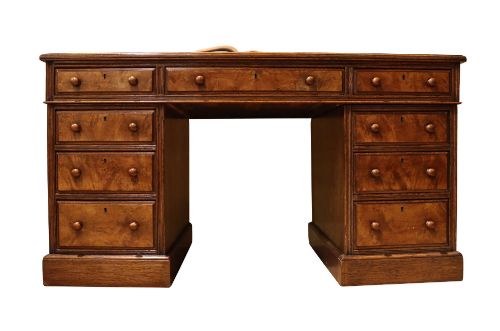
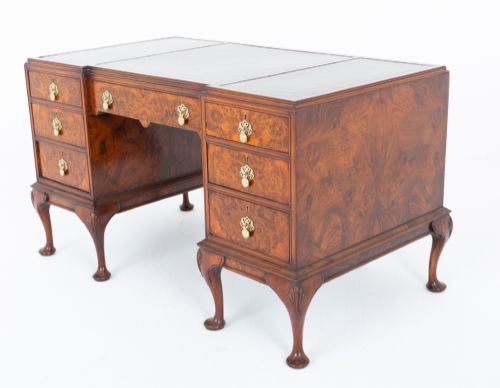
- A freestanding writing table supported by two columns of drawers beneath the main surface. This form provides substantial storage alongside a central kneehole.
- Buren
- A sloping-front desk enclosing small interior drawers and pigeonholes above a set of lower drawers. The drop-front panel serves as a writing surface when opened.
- Davenport desk
- A compact writing box featuring a sloping hinged leather top over a bank of side drawers. It emerged during the nineteenth century as a space-saving option for correspondence.
- Partners desk
- A large double-sided writing table designed for two people to sit opposite one another. These pieces feature drawers and cupboards accessible from both sides.
Burr Walnut Study Desk: Frequently Asked Questions
How do I care for the leather top?
Clean the leather surface using a soft, dry cloth and treat it periodically with neutral leather balm to prevent cracking. Avoid placing liquid containers directly on the hide.
Keep the desk away from direct sunlight and radiators to protect both the leather insert and the underlying burr walnut veneer from drying out.
What is a kneehole desk?
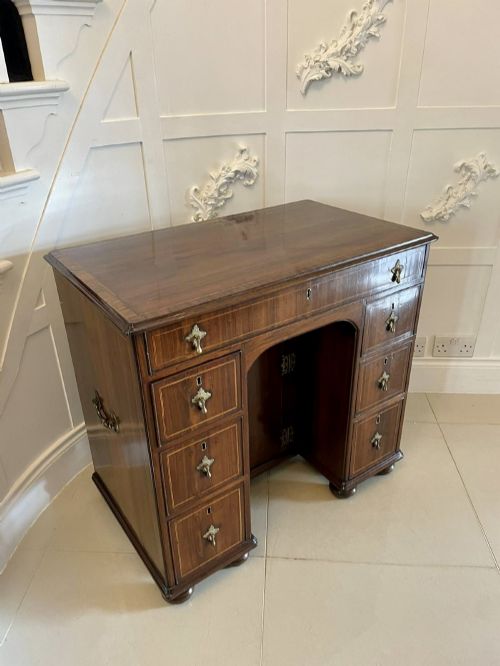
A kneehole desk is a smaller pedestal form featuring a recessed central space for the user's legs, flanked by columns of drawers. This configuration offers concentrated storage without excessive bulk.
Such desks suit smaller studies while retaining the distinctive figured grain and traditional proportions of larger library tables.
How do I distinguish Victorian from Art Deco desks?
Victorian examples display traditional proportions, turned legs, carved details, and occasional revival influences such as Queen Anne style or heavy pedestals. The timber finish often has a warm, deep polish.
Art Deco desks feature streamlined silhouettes, geometric forms, contrasting glass elements, and minimalist hardware that reflect twentieth-century design shifts.
Where should I place a partners desk?
A partners desk requires central room placement rather than resting against a wall, because drawers and cupboards are accessible from both sides. This arrangement allows two people to work facing each other.
Ensure adequate clearance around the entire piece so that all pedestal drawers can open fully without obstruction.