




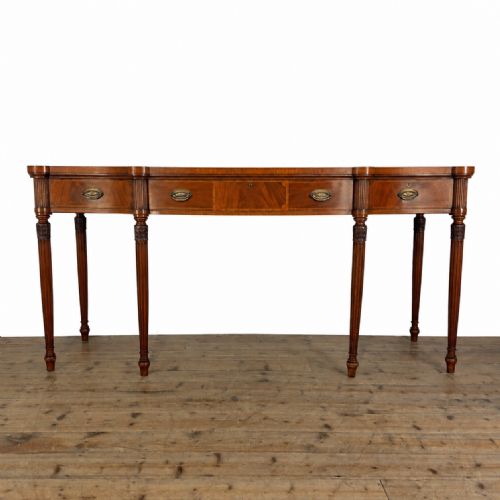
Brown Wooden Credenza
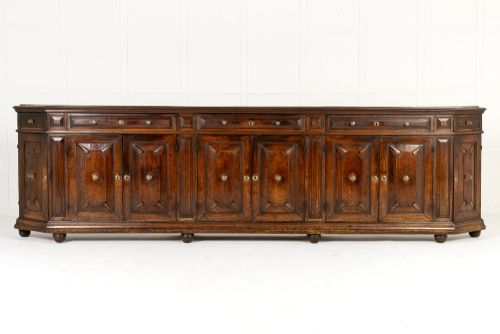
A brown wooden credenza is a substantial storage piece built to anchor a dining room or hall, bringing warmth and presence through rich timber grains.
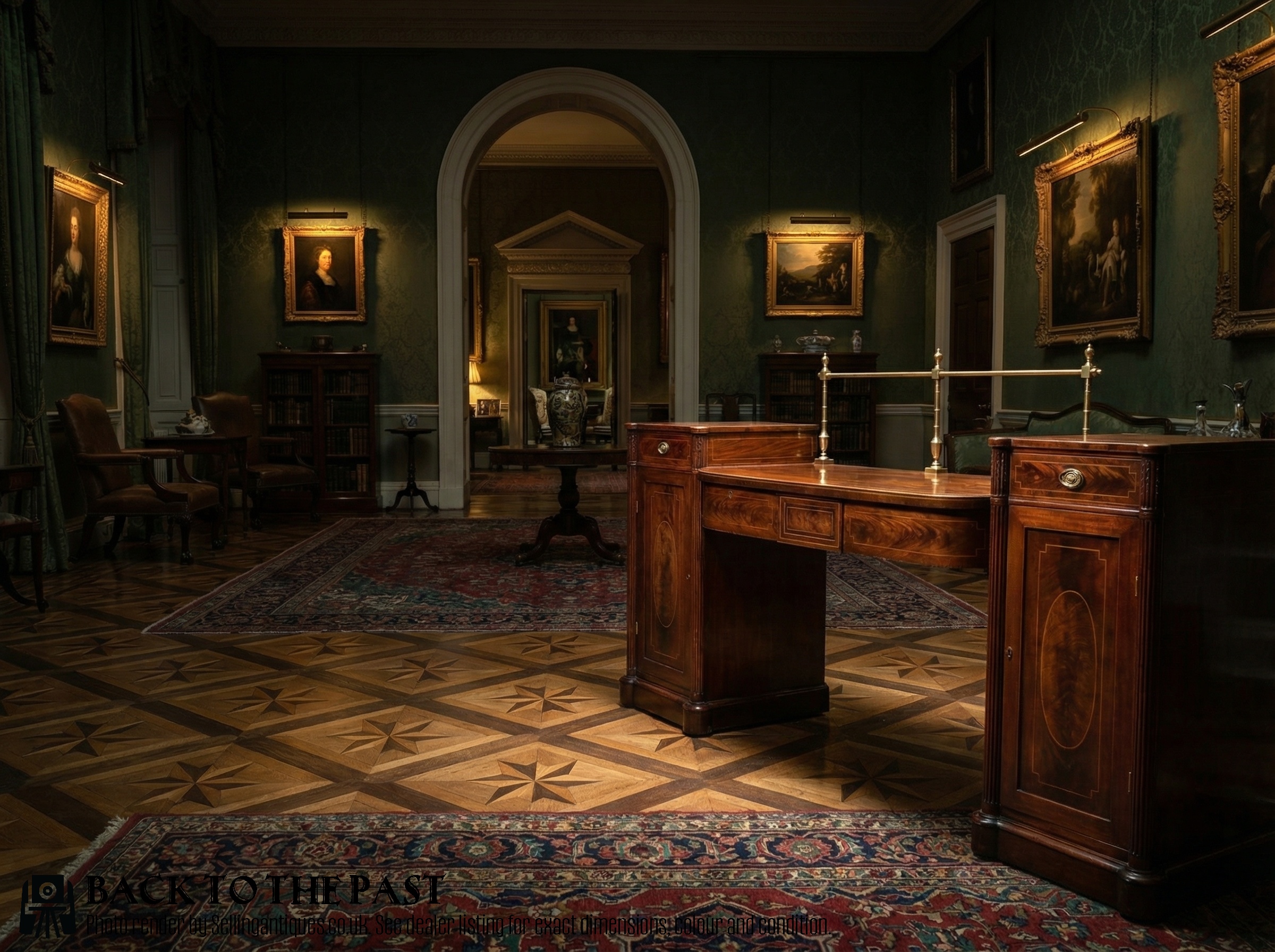
Brown Wooden Credenza
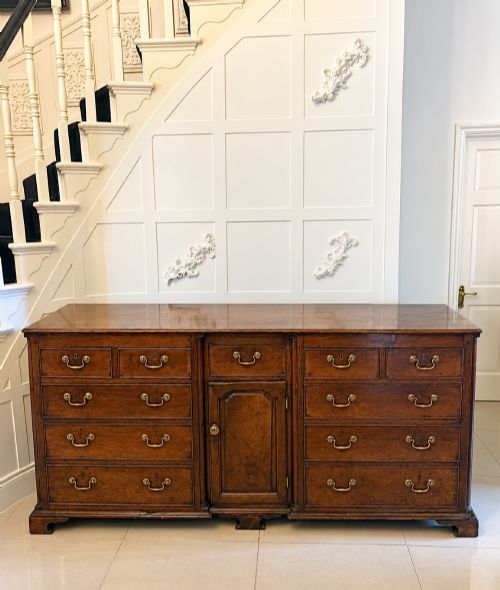
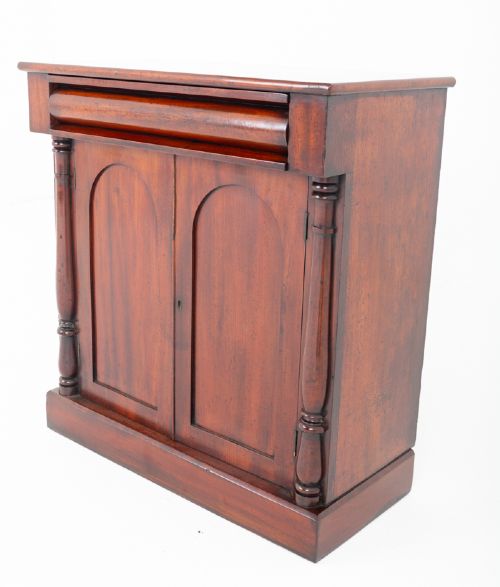
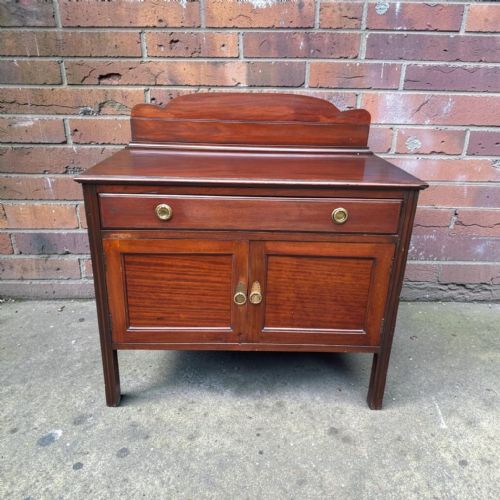
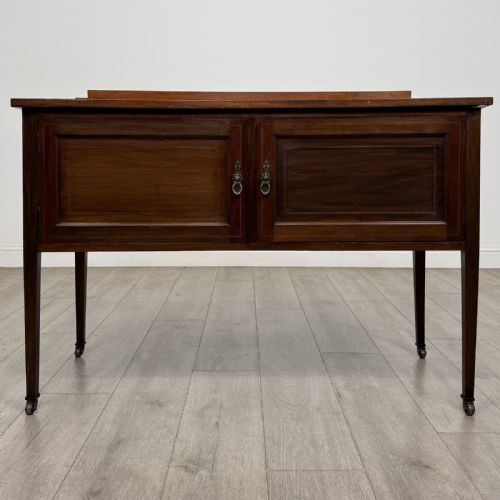
When buyers search for a brown wooden credenza, they encounter a diverse selection of antique sideboards, side cabinets, dressers and chiffoniers spanning multiple centuries and regional workshops.
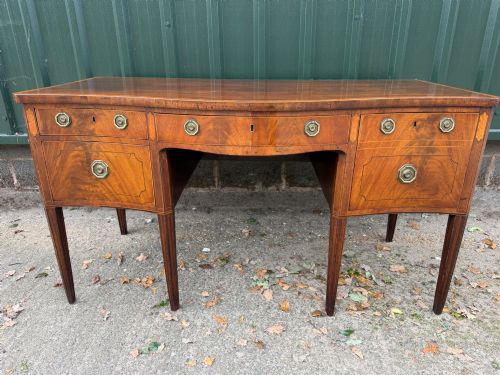
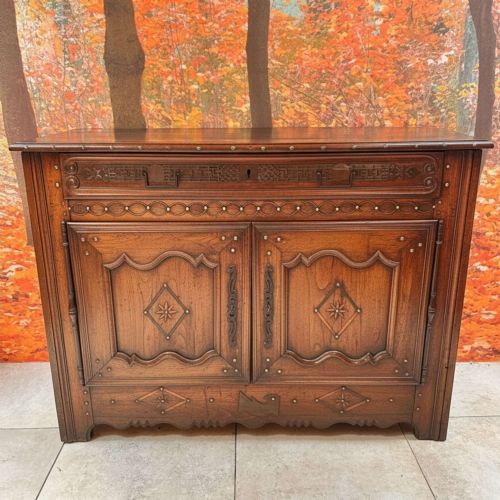
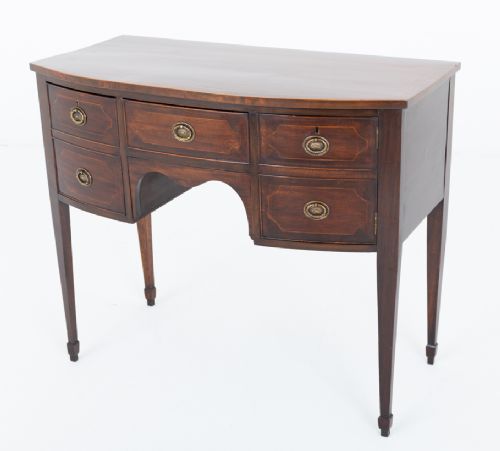
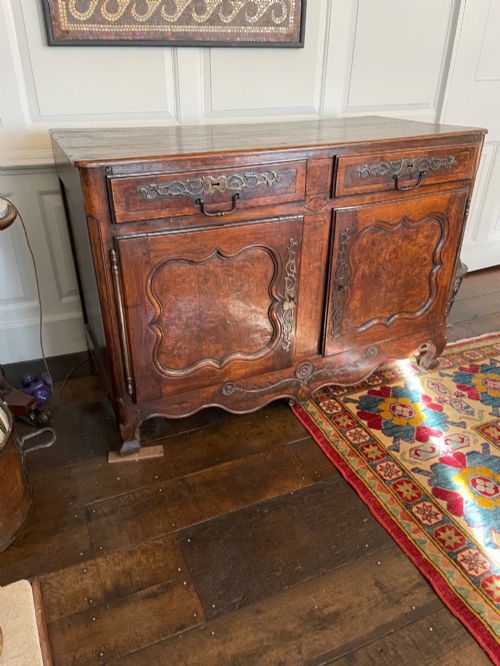
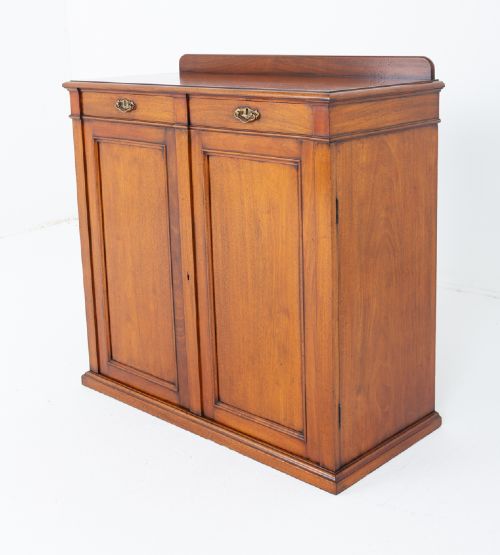
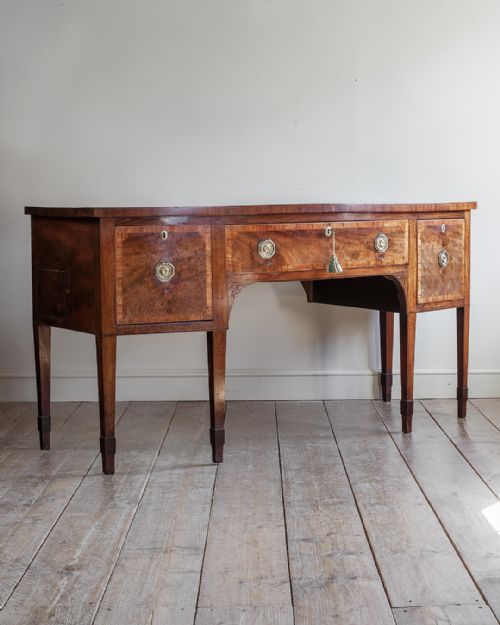
The pieces appearing under this heading range from restrained George III mahogany serpentine designs and Regency pedestal models to robust 18th-century oak dresser bases and Edwardian inlaid satinwood variations.
Buyers are most likely to meet mahogany and oak examples from the Georgian, Victorian and Edwardian eras, each serving the traditional function of storing tableware, linen and dining room provisions.
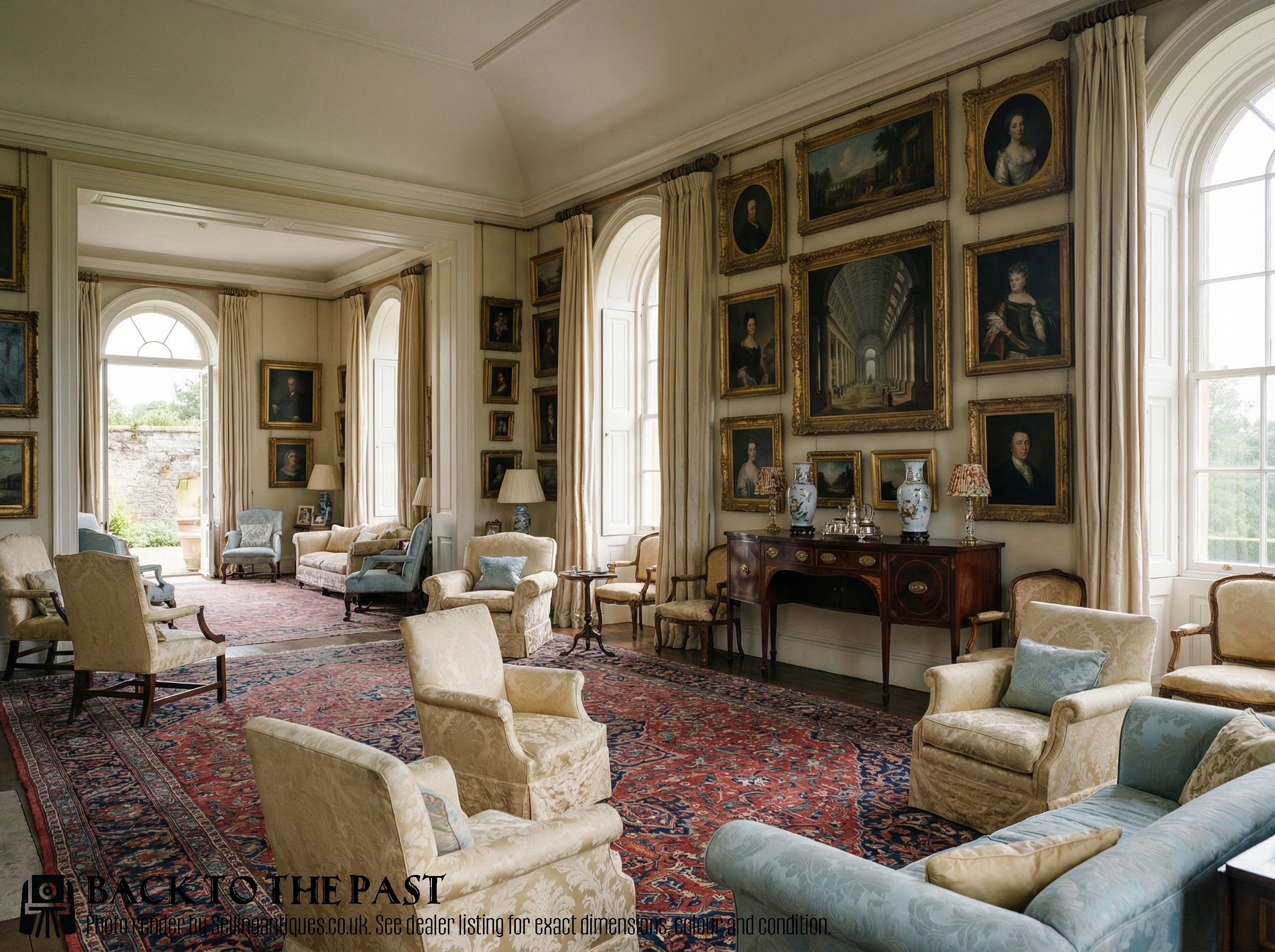
Materials and construction methods
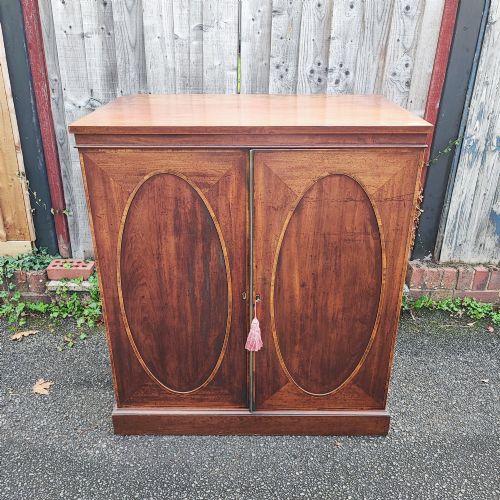
Cabinetmakers relied heavily on solid hardwoods like mahogany and oak, frequently applying flame mahogany veneer, burr walnut or satinwood to create striking visual patterns on drawer fronts and cupboard doors.
Inlay work often incorporated boxwood lines and delicate stringing, whilst brass handles, escutcheons and gallery rails provided functional contrast to the dark timbers.
Construction techniques evolved from early joined oak framing to sophisticated curved mahogany breakfronts and bow-front carcases requiring precise timber bending and cabinet joinery.
Brown Wooden Credenza Retail Price Guide 2026
Typical asking prices for brown wooden credenza among the pieces listed under this phrase on Sellingantiques today, from the lower quarter to the upper quarter. They describe what is for sale here now, not the wider market.
One remarkably specific survival pairs a burr walnut cabinet with a complete twelve-piece cutlery set, keeping dining traditions intact.
Judging the standard of execution
The distinction between ordinary and superior pieces rests on the choice of timber figure, such as highly figured mahogany, pollard oak or burr walnut selected for maximum visual impact.
Mastery is evident in the handling of complex shapes like serpentine or bow fronts, alongside the precision of inlaid boxwood stringing and the integration of original brass hardware.
Internal joinery, including secondary timbers used for drawer linings and the survival of original backboards, dictates the structural integrity and historical preservation of the furniture.
Whytock and Reid
The Brown Wooden Credenza Glossary
- Serpentine
- A front shape curving inward centrally and outward at the ends in a gentle wave. This contour requires immense skill from the cabinetmaker to shape solid timber or veneer accurately.
- Chiffonier
- A low compact sideboard or cabinet featuring shelves or a raised back tier above the main surface. Originating in the early 19th century, it served smaller dining spaces and drawing rooms.
- Breakfront
- A piece of furniture where the central section projects forward from the flanking wings. This architectural arrangement creates depth and shadow across the front elevation.
- Demi lune
- A half-moon or semicircular shape utilised for console tables and small cabinets. It allowed furniture to sit flush against a wall whilst occupying minimal floor space.
- Pedestal sideboard
- A form comprising two distinct pedestals or cupboards flanking a central recessed section or table base. It gained popularity during the Regency period.
Brown Wooden Credenza: Frequently Asked Questions
How do I date a brown wooden credenza?
Dating relies on observing construction methods, timber choices and stylistic details such as bracket feet, turned legs or brass hardware. Comparing the primary and secondary woods inside drawers often reveals the period of manufacture.
Georgian pieces frequently show tight mahogany grains and hand-cut dovetails, whereas Edwardian reproductions or adaptations display machine-cut precision and lighter interior linings.
Where should I place a brown wooden credenza?
These low storage units suit dining rooms, large hallways and living spaces where surface display and concealed storage are required. Their substantial depth means they need adequate wall space to sit comfortably.
Positioning them away from direct sunlight and heat sources protects the polished wood and delicate veneers from drying out and cracking over time.
How do I maintain the wood finish?
Regular dusting with a soft, dry cloth preserves the lustre of antique mahogany, oak and walnut surfaces. Occasional application of a suitable beeswax nourishes the timber without building up heavy chemical residues.
Avoid placing wet or hot items directly onto the polish, as antique lacquers and wax finishes can watermark or cloud under moisture and heat.