


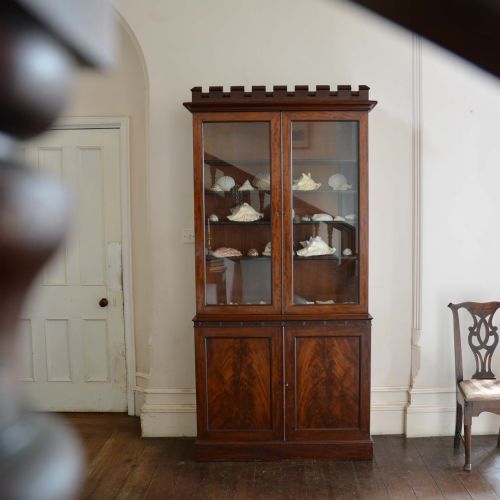


Regency Revival Furniture
Regency revival furniture brings classical elegance and bold architectural forms into modern rooms.

Regency Revival Furniture
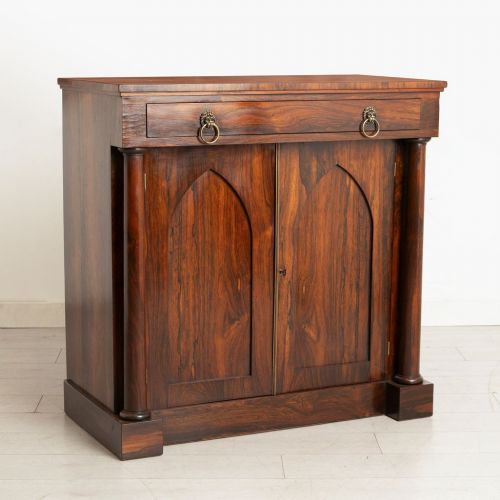
Regency revival furniture draws on classical antiquity, ancient Egypt and Gothic architecture to create striking focal points for the home. When you search for regency revival furniture, you encounter pieces designed to evoke the grandeur of the early nineteenth century.
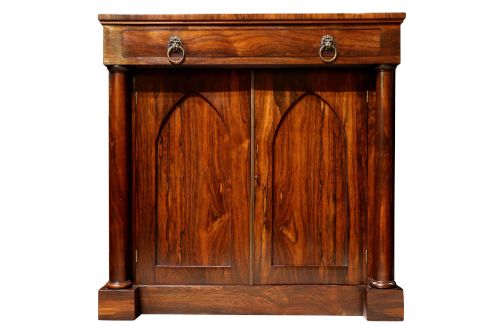
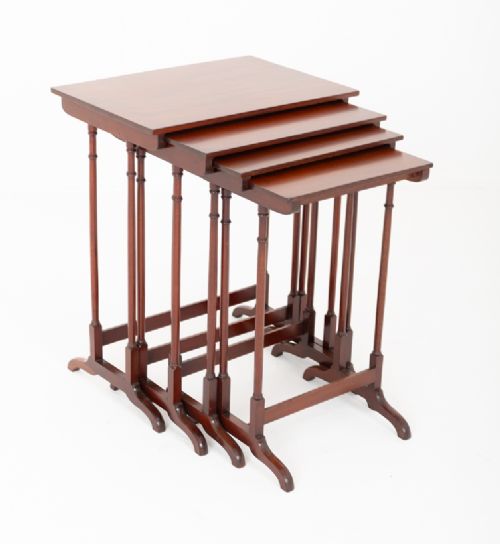
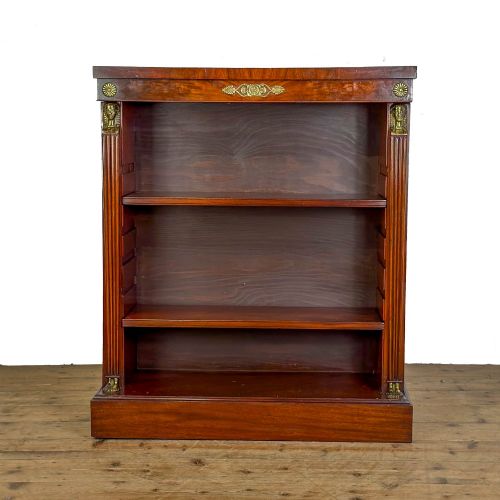
The selections span practical items for the library and drawing room, including mahogany bookcases, rosewood chiffoniers, nest of tables and centre tables. Many examples date from the late nineteenth and early twentieth centuries, adopting earlier stylistic vocabulary with confidence.
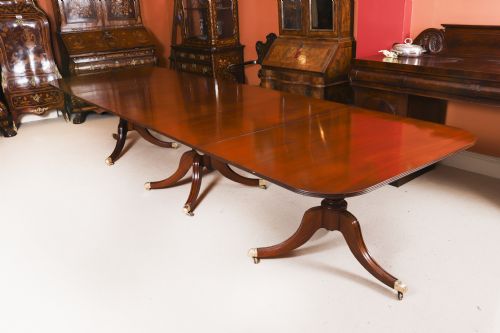
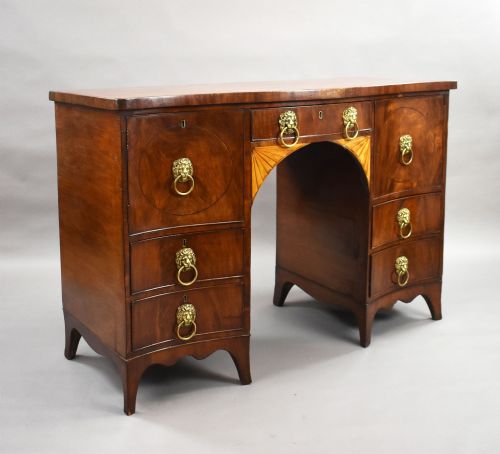
The forms range from compact side cabinets to expansive dining tables and tiered étagères. These items serve today as functional storage and display surfaces that anchor traditional and eclectic interiors alike.
Materials and construction
Cabinet makers relied heavily on rich timbers such as mahogany, rosewood and satinwood, often selecting veneers with striking grain patterns to cover sturdy carcases. Ebonised wood and gilt wood introduced contrasting dark tones and metallic highlights.
Metal mounts in brass and ormolu defined the structural outlines, accentuating cornices, pilasters and door panels. Glass panels featured in display cabinets and bookcases, while specialised finishes like simulated rosewood completed the decorative scheme.
Bookcases, side cabinets and centre tables form the most common furniture types across these listings, alongside occasional étagères and nests of tables.
Standards of craftsmanship
The selection of timber dictates much of the initial visual impact, with choice cuts of plum pudding mahogany and figured rosewood marking out superior examples. Grain alignment across drawer fronts and panel surrounds shows the care taken in the workshop.
Hardware and metal ornamentation reveal the hand of skilled artisans through crisp casting and secure attachment. Interior joinery, such as dovetailed drawer construction and well-fitted backboards, separates utilitarian output from more ambitious cabinet work.
Whytock and Reid·Harrods·James Winter and Sons·Town and Emanuel
The Regency Revival Furniture Glossary
- Chiffonier
- A low cabinet with doors enclosing shelves, often surmounted by a raised shelf or mirror on the top surface. This form gained popularity during the early nineteenth century as a versatile piece for the parlour.
- Étagère
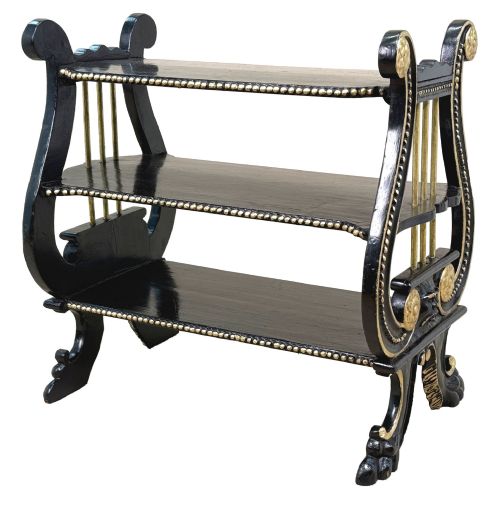
- A set of open shelves supported by slender columns, designed for displaying decorative objects or books. The stepped tiers provide light and accessible storage.
- Ormolu
- Gilded bronze used for decorative mounts and feet on fine furniture. The technique creates a durable golden finish that contrasts sharply against dark woods.
- Satinwood
- A lustrous hardwood from the Indian Ocean region known for its pale golden colour and satiny sheen. It served effectively as both a solid timber and a decorative veneer.
- Whatnot
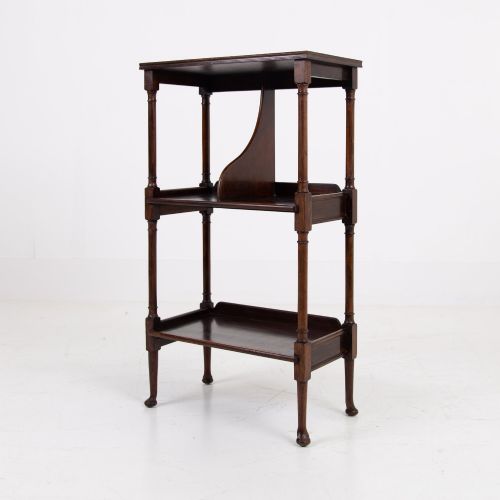
- A piece of furniture consisting of a series of open shelves tiered one above another. It functions primarily to hold small ornaments and reading material.
Regency Revival Furniture: Frequently Asked Questions
What defines regency revival style?
Regency revival style reinterprets the classical lines, architectural motifs and exotic influences of the early nineteenth century. Makers drew inspiration from Greek, Roman, Egyptian and Gothic sources to create formal domestic furnishings.
This aesthetic often incorporates bold geometric forms, contrasting dark timbers, and gilt metal mounts. The resulting pieces balance strict symmetry with ornate decorative elements.
How do I use a chiffonier?
A chiffonier provides enclosed storage below a flat top surface, making it suitable for dining rooms and hallways. The interior shelves hold tableware or linens while the top surface displays decorative objects.
In living spaces, these cabinets act as sideboards or media consoles. Their relatively shallow depth allows them to fit comfortably against walls without dominating the room.
Where should I place a centre table?
A centre table stands freely in the middle of a room rather than pushed against a wall. It serves as a striking focal point for libraries, grand hallways or large sitting rooms.
These tables accommodate lamps, floral arrangements or collections of books. Their finished appearance from all four sides allows viewers to walk completely around the piece.
How do I distinguish revival pieces from originals?
Distinguishing revival pieces from originals involves examining timber preparation, secondary woods and construction hardware. Revival furniture often employs machine-sawn elements and twentieth-century backing materials.
Stylistic proportions and decorative execution also offer clues. Cabinet makers working in later decades sometimes blended multiple historical revivals into a single design.