
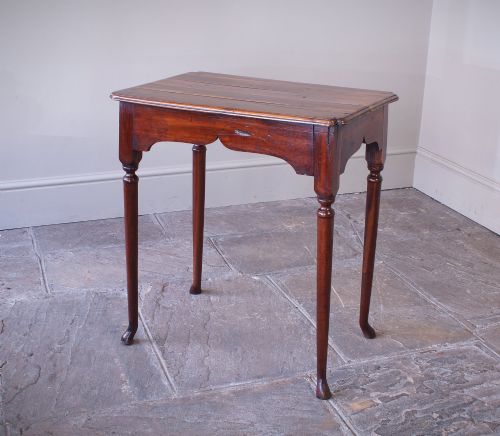
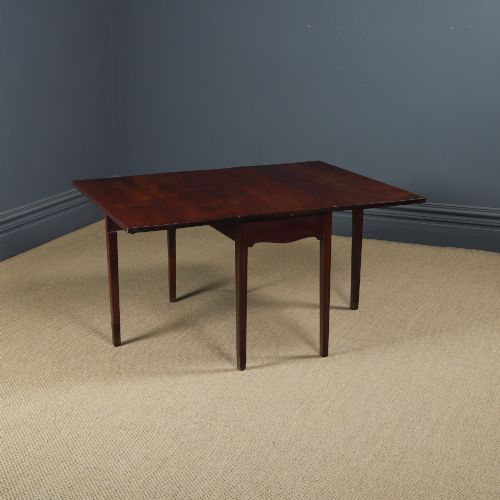
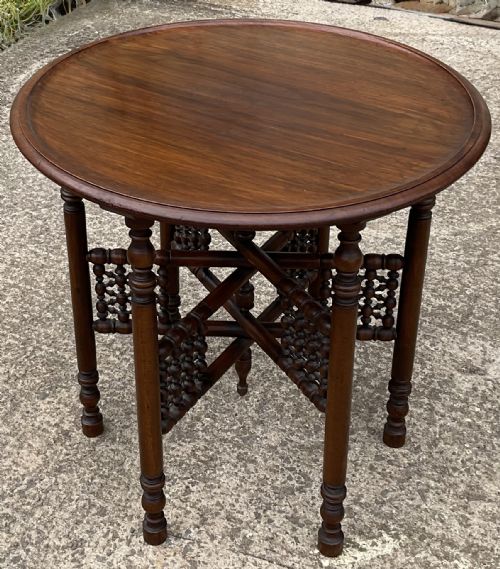

Brown Wooden Centre Table
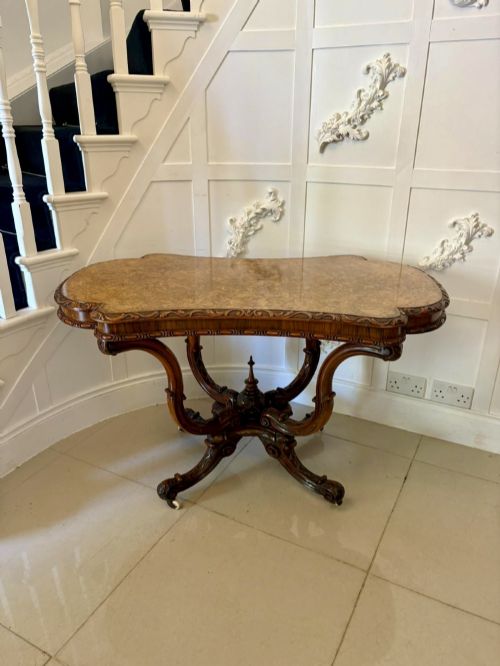
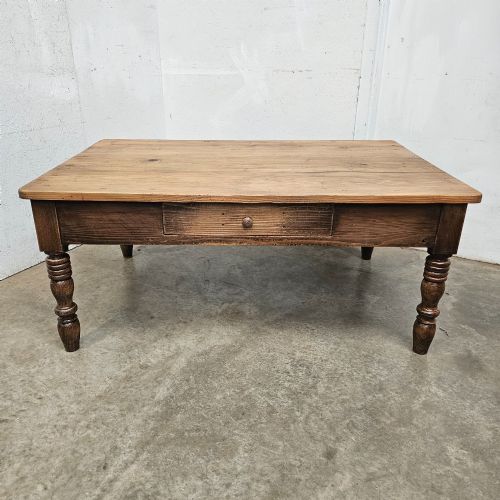
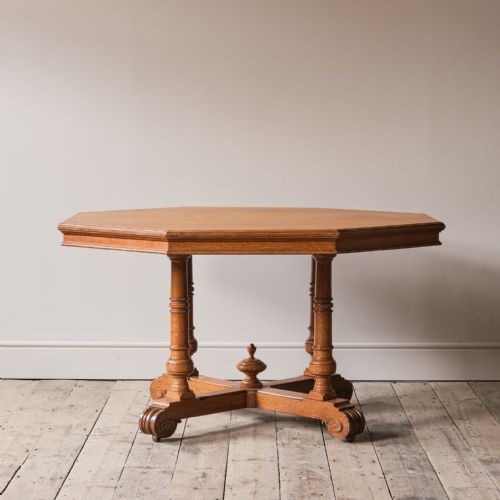
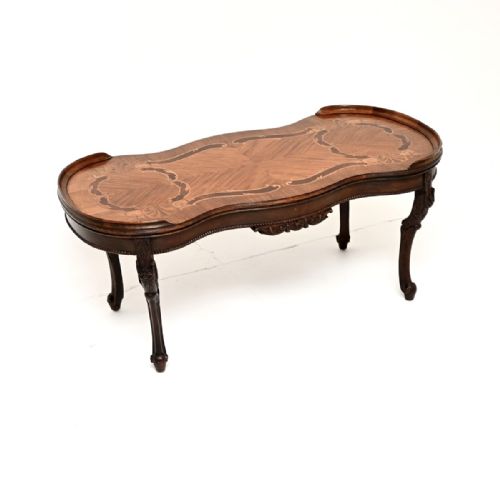
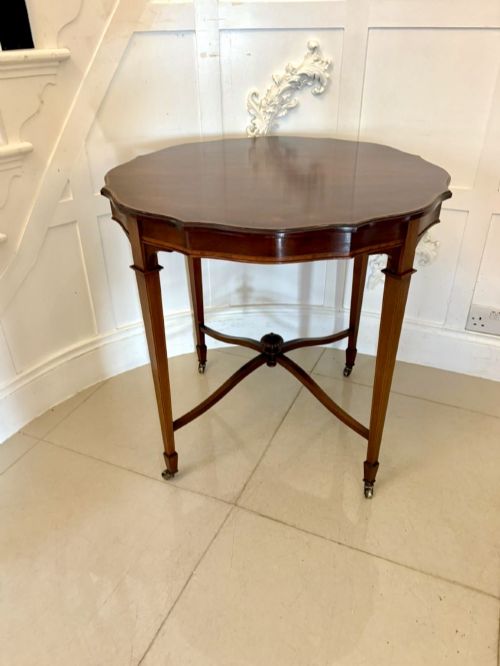
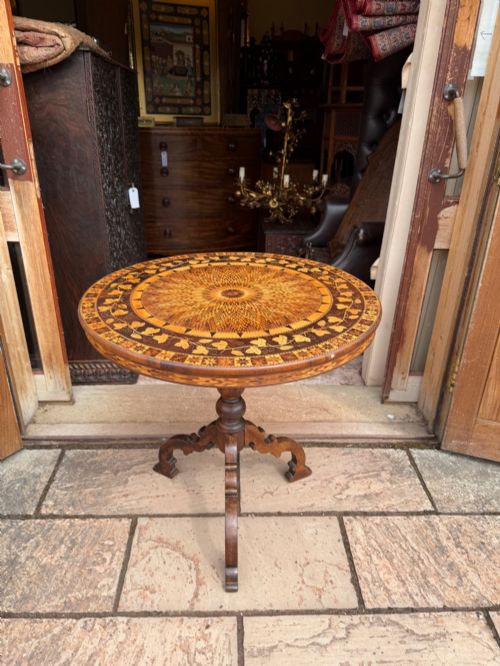
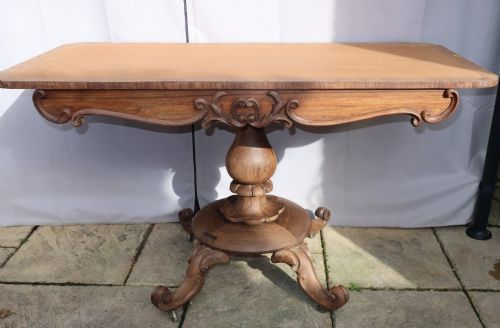
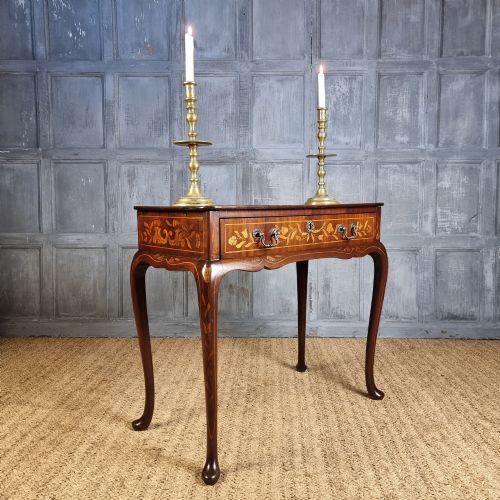
A brown wooden centre table anchors a room with rich timber grain, offering a practical surface designed to be viewed from every side.
Brown Wooden Centre Table
When you search for a brown wooden centre table, you enter a category defined by freestanding tables designed to sit centrally in a room rather than against a wall. The pieces available span periods from the eighteenth century through the Victorian era and into the early twentieth century, incorporating styles such as Regency, Edwardian, and French Provincial.
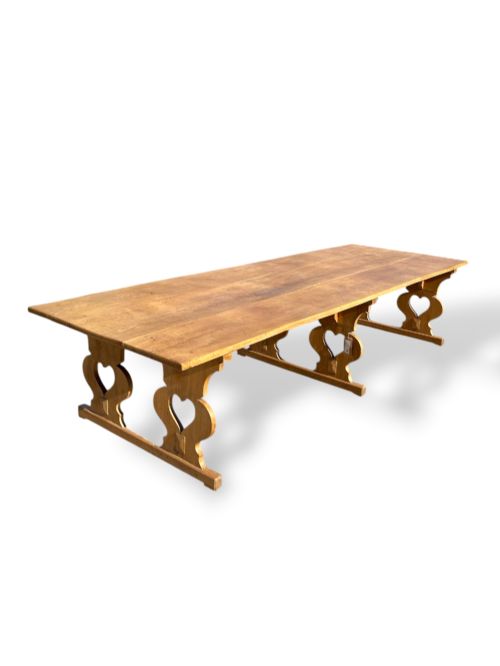
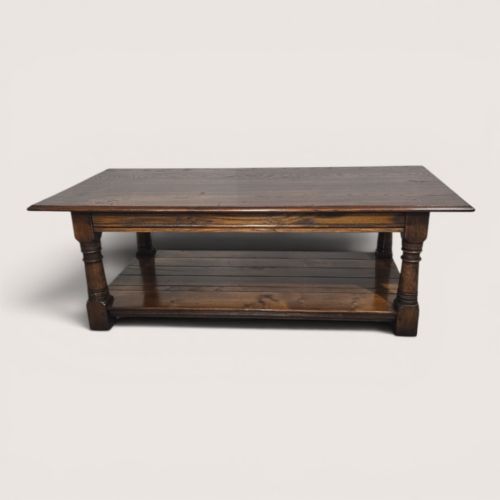
The forms vary widely across the selection. You will encounter breakfast tables, octagonal centre tables, pedestal designs, and drop-leaf folding dining tables alongside low coffee tables adapted from earlier formats.
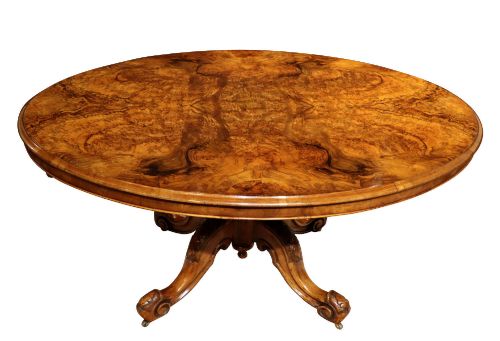
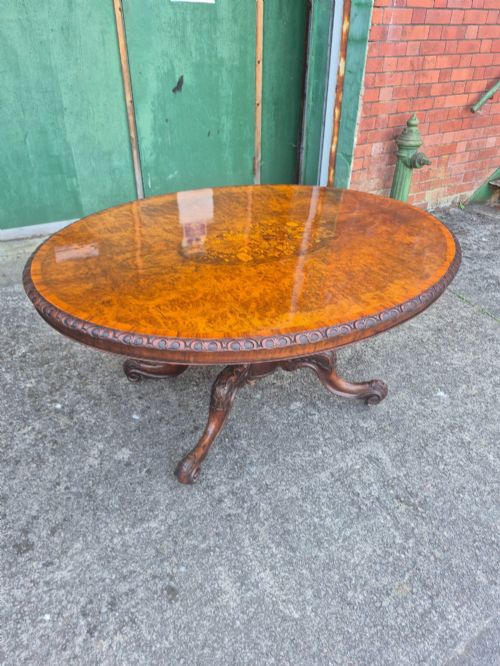
Materials dominate the visual character of these items, featuring dense hardwoods and figured veneers like mahogany, walnut, burr walnut, oak, fruitwood, and rosewood. These timbers provide the foundational brown tones that give the category its name.
How they were made
Cabinet makers constructed these tables using solid hardwoods alongside intricate veneers applied to stable secondary timbers. Marquetry inlay, satinwood banding, and oyster veneering added decorative surface detail to walnut, mahogany, and fruitwood carcases.
Structural support relied on traditional joinery methods combined with turned legs, carved quadrapod bases, and pedestal columns. Materials such as brass hardware, elm, pine, and pitch pine further reinforced the robust construction necessary for freestanding furniture.
Listings feature woods spanning mahogany, walnut, burr walnut, oak, fruitwood, rosewood, elm, yew, satinwood, pine, and pitch pine across multiple centuries.
What varies in quality
The calibre of a piece rests heavily on the selection of timber and the complexity of its surface decoration. Finely figured burr walnut, matched veneer panels, and elaborate marquetry inlay distinguish exceptional examples from simpler utilitarian pine or oak boards.
Execution of hand-carved bases, sturdy pedestal mounts, and precise crossbanded borders dictate the overall refinement of the table. Superior craftsmanship ensures that joints remain tight and the freestanding form maintains absolute stability from every angle.
The Brown Wooden Centre Table Glossary
- Centre table
- A freestanding table finished on all sides, traditionally placed in the middle of a room rather than against a perimeter wall.
- Marquetry
- Decorative veneer work forming pictorial or geometric patterns using various coloured woods applied to a furniture surface.
- Burr walnut
- A highly prized timber grain showing swirling knot formations, frequently utilised for decorative tabletops during the Victorian period.
- Quadrapod base
- A furniture support featuring four splayed legs or feet radiating from a central pillar or column.
- Tilt-top
- A mechanism allowing the tabletop to pivot to a vertical position when not in use for convenient storage.
Brown Wooden Centre Table: Frequently Asked Questions
Where should I place a centre table?
A centre table works best in the middle of a spacious room where people can walk entirely around it. It functions effectively as a focal point for displaying decorative objects or lighting.
Ensure there is sufficient clearance space on all sides to allow comfortable movement and seating access in the room.
How do I care for antique wood?
Protect the timber surface by avoiding direct placement near heat sources or strong sunlight that can dry out old veneers. Clean gently using a soft, dry cloth to remove dust without harming the polish.
Apply a quality natural wax occasionally to nourish the grain and maintain the lustre of mahogany, walnut, or oak finishes.
Can I use an antique table daily?
Most of these tables were built robustly from solid hardwoods to withstand regular use in domestic settings. Using coasters and protective mats helps prevent heat marks or liquid rings on polished timber.
Treat delicate marquetry or veneered surfaces with care to preserve the historical decorative work during everyday activities.
What defines a breakfast table?
A breakfast table is a versatile nineteenth-century dining form, often featuring a circular or oval top supported by a central pedestal. Many examples include tilt-top mechanisms for flexible room management.
They provide an intimate dining surface or an occasional display area that suits both traditional and modern interior spaces.