
Brown Wood Vanity Table
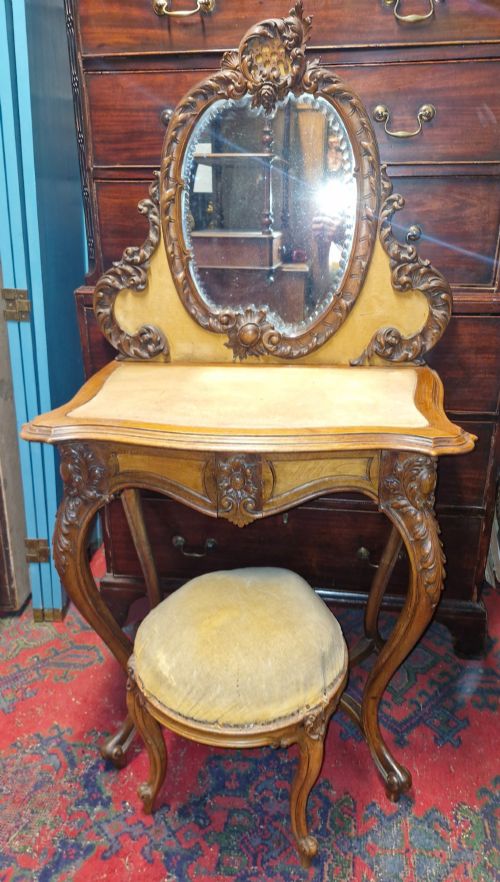
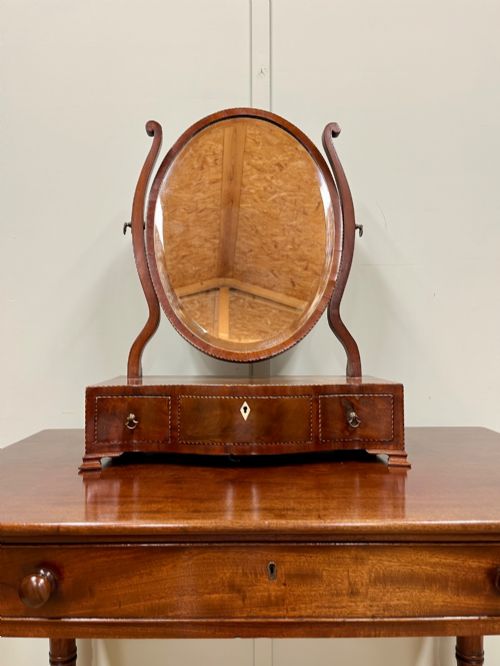
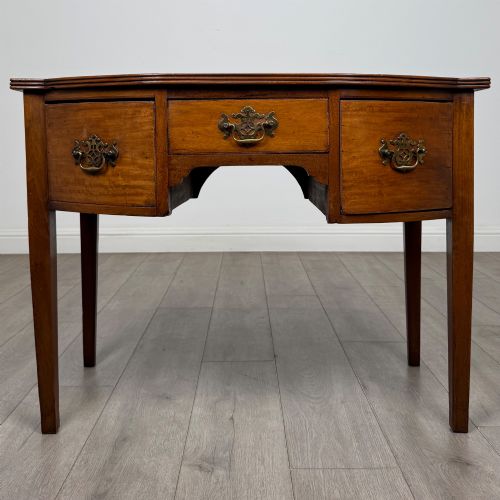
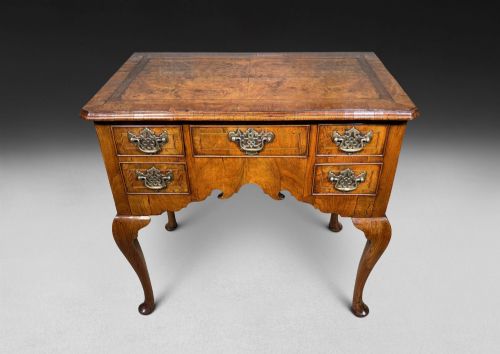
A brown wood vanity table brings period character and practical surface space to a bedroom, taking the form of dressing tables, lowboys and tilt-top mirrors.
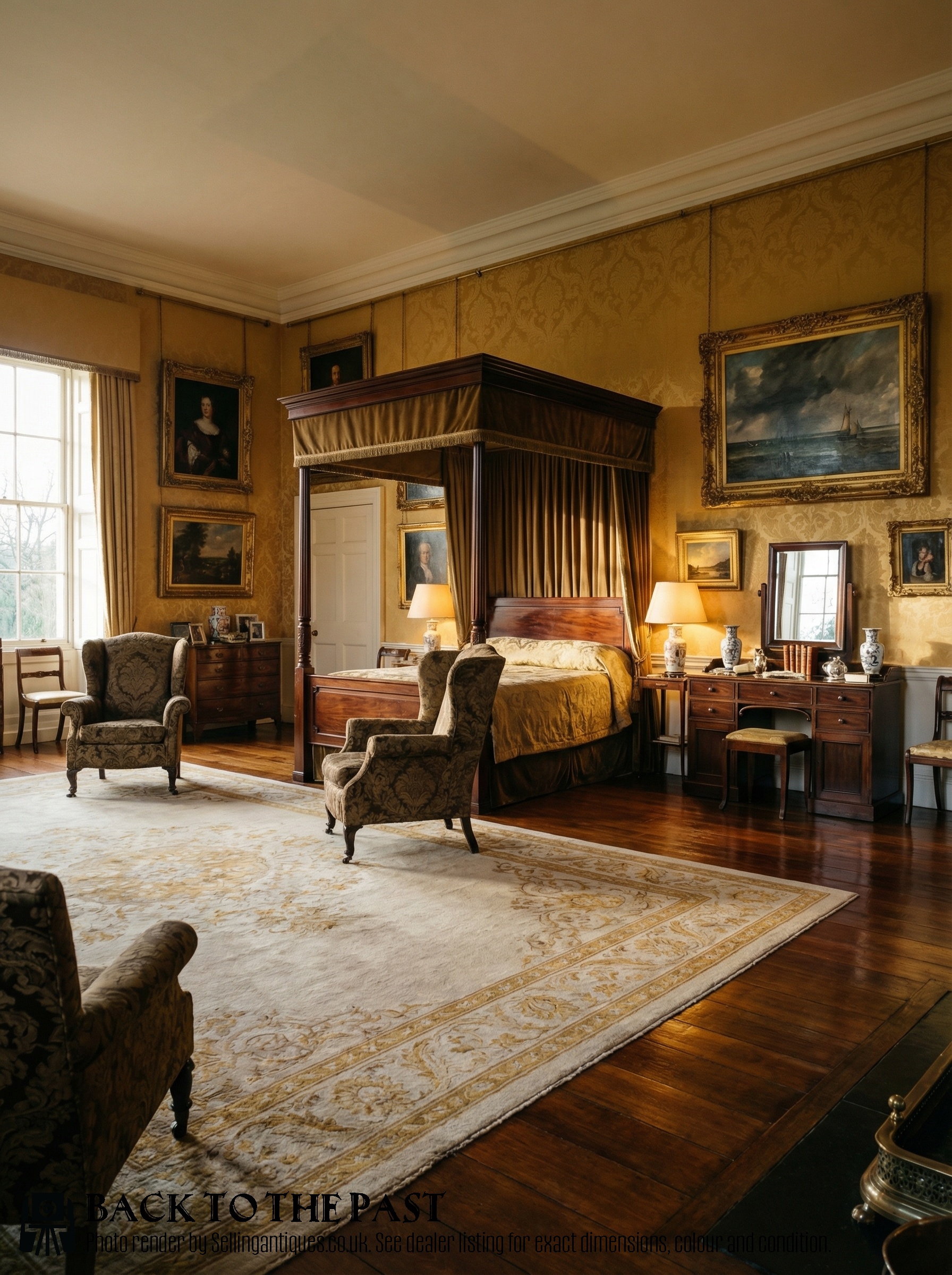
Brown Wood Vanity Table
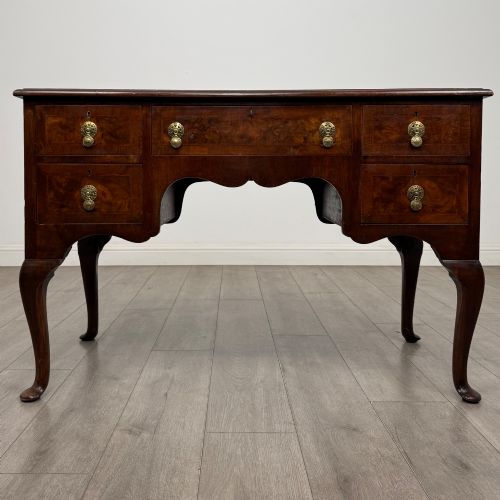
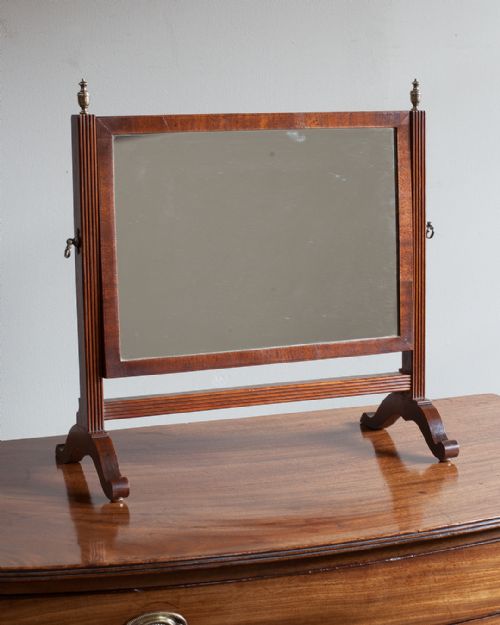
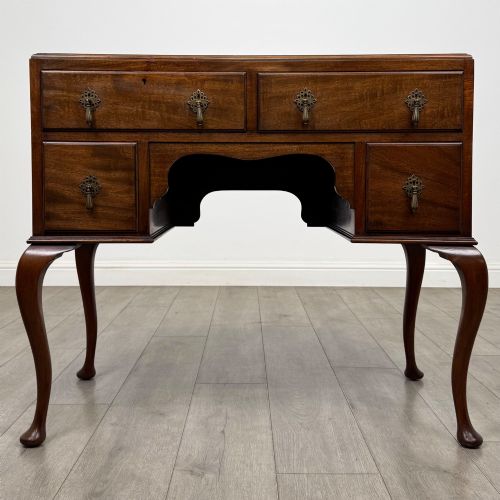
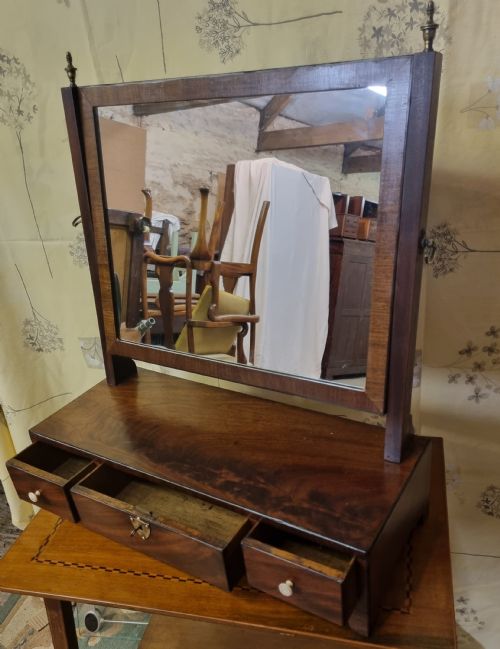
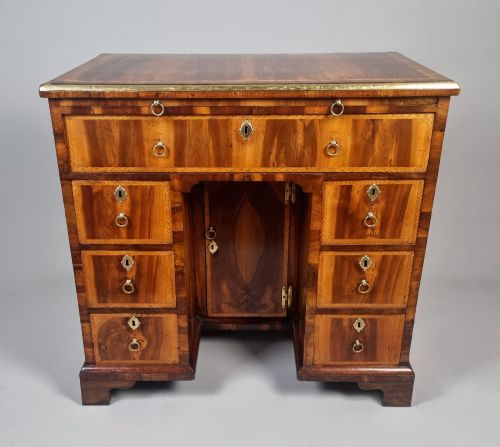
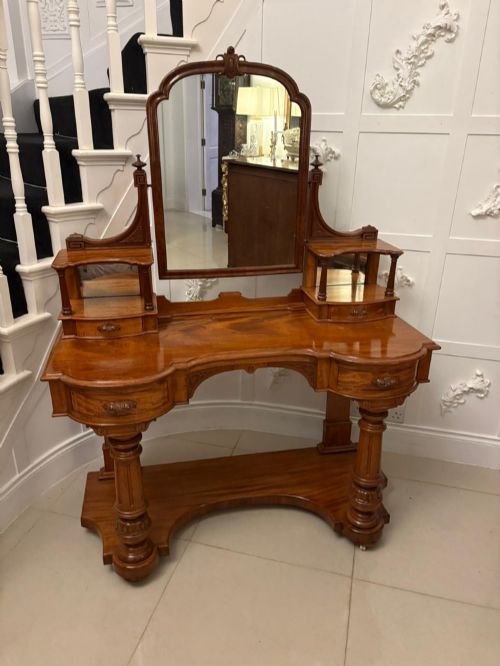
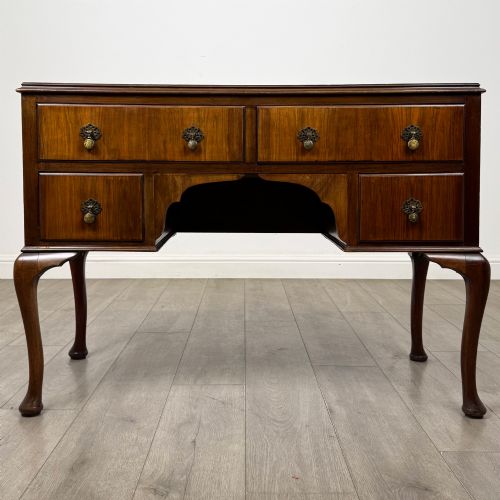
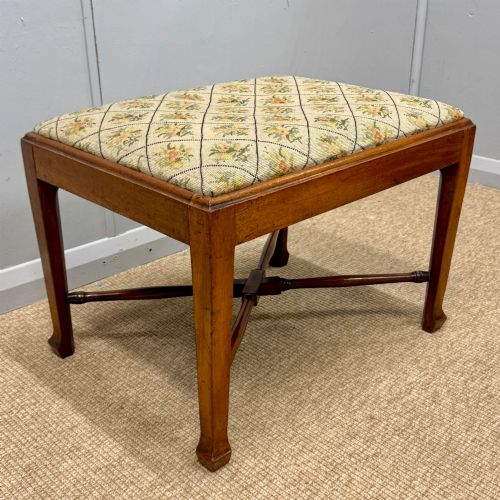
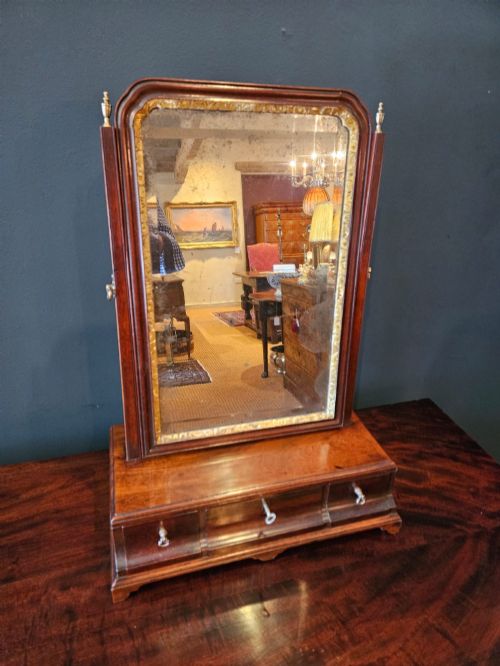
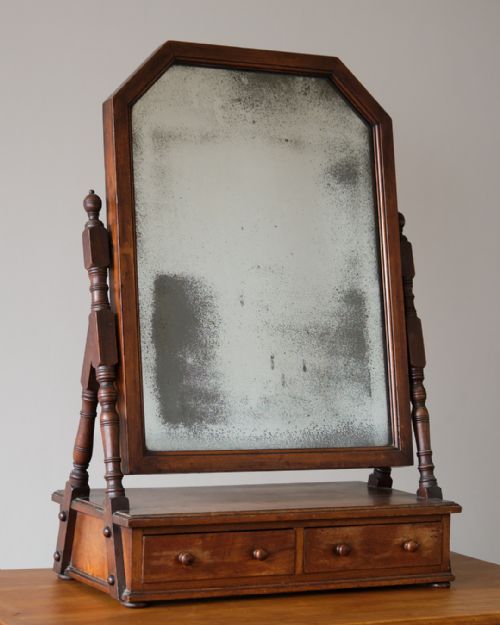
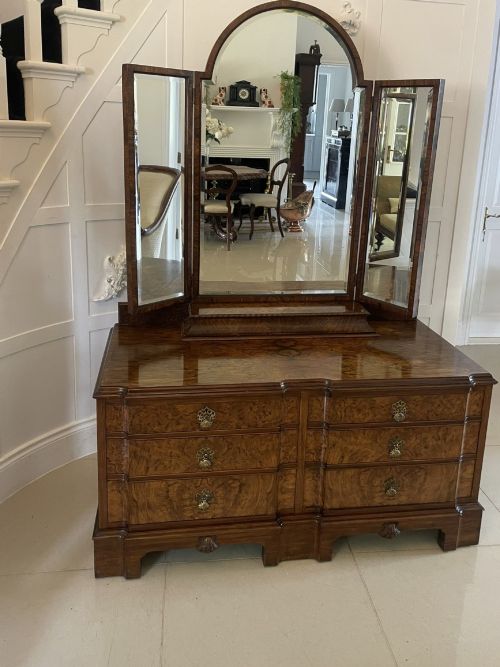
A brown wood vanity table encompasses a range of antique forms designed for personal grooming and writing, spanning pieces from the eighteenth century to the early twentieth century. When searching for a brown wood vanity table, a buyer most frequently encounters compact toilet mirrors, swing mirrors on stands, and larger kneehole dressing tables fitted with multiple small drawers.
The materials recorded across these pieces lean heavily towards traditional timbers such as mahogany, walnut, and oak, often enriched with burr figuring or crossbanding. Styles range from restrained Georgian and Queen Anne designs to elaborate Victorian and Edwardian interpretations, reflecting changing domestic habits across different eras.
Materials and Construction
Cabinetmakers constructed these pieces using solid timbers and veneers, applying mahogany, walnut, oak, and yew wood over secondary structural woods. Surfaces frequently display decorative treatments such as flame mahogany or burr walnut figuring, bordered by crossbanded details that highlight the grain.
Hardware forms an integral part of the construction, utilising brass for swing mirror pivots, key escutcheons, and drawer pulls. Supporting elements range from delicate cabriole legs on lowboys to sturdy turned pedestals and bracket feet on larger dressing chests.
Some items arrive with secret compartments hidden behind swing mirror frames for storing correspondence.
Distinctions in Quality
The grade of timber selection marks the primary division between standard pieces and exceptional examples, particularly in the use of highly figured burr walnut or premium Cuban mahogany. Master cabinetmakers achieved superior harmony in grain matching across drawer fronts and mirror frames, creating a unified visual weight.
Refinement in carving and the retention of original brass hardware elevate a piece significantly. The integrity of the original mirror glass and the smoothness of drawer operation further separate everyday utilitarian furniture from high-status workshop production.
P & MA Nicholson·Heal & Sons·Harrods
The Brown Wood Vanity Table Glossary
- Lowboy
- A small oak, walnut, or mahogany table with drawers, typically standing on tall legs and functioning as a dressing or side table.
- Toilet mirror
- A smaller mirror mounted on a box base containing small drawers, designed to sit atop a chest of drawers or dressing table.
- Cheval mirror
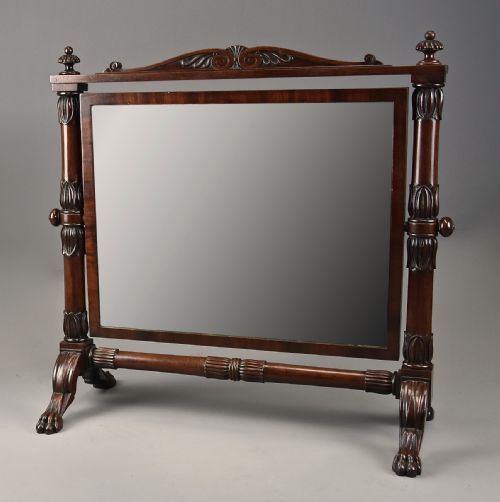
- A full-length plate glass mirror supported on a freestanding frame with pivoting side pins.
- Crossbanding
- A border technique where thin strips of veneer are laid outward so the grain runs perpendicular to the main surface.
- Serpentine front
- A furniture front characterised by a gentle curving line that dips inward in the centre and swells outward at the ends.
Brown Wood Vanity Table: Frequently Asked Questions
How do I date a brown wood vanity table?
Dating relies on observing construction methods, timber choices, and hardware styles. Earlier pieces often feature hand-cut dovetails and native woods like oak, while later Victorian and Edwardian examples incorporate machine-sawn elements and imported mahoganies.
Stylistic cues such as cabriole legs point toward Queen Anne or Georgian revivals, whereas clean structural lines usually indicate Edwardian or later twentieth-century manufacturing.
What is the difference between a toilet mirror and a dressing table?
A toilet mirror is a tabletop accessory designed purely to hold a pivoting glass and small compartments for cosmetics. It requires an existing surface to rest upon.
A dressing table is a complete, freestanding piece of furniture incorporating a writing or grooming surface supported by its own legs and drawer pedestals.
Are original brasses important on these tables?
Original brass handles, escutcheons, and pivot screws contribute heavily to the historical integrity and visual harmony of an antique piece. Replacements are common due to heavy daily use over centuries.
While replacement hardware does not affect structural utility, collectors prize pieces that retain their factory-fitted brass components.
How should I care for a polished wood surface?
Polished timber surfaces benefit from gentle dusting with a soft, dry cloth to prevent micro-scratching. Avoiding direct sunlight and maintaining stable room humidity prevents the wood from drying and the veneer from lifting.
Periodic application of traditional beeswax feeds the polish without building up synthetic residues that dull the natural grain.