
Vintage Wooden Dressing Table
A vintage wooden dressing table brings warmth and practicality to a bedroom, combining fitted mirrors with ample storage in native and exotic timbers.
Vintage Wooden Dressing Table
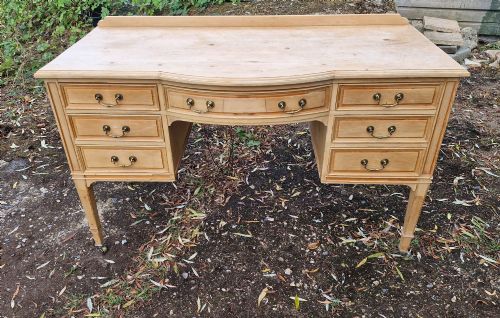
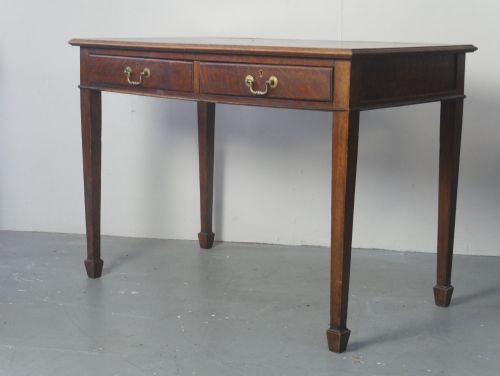
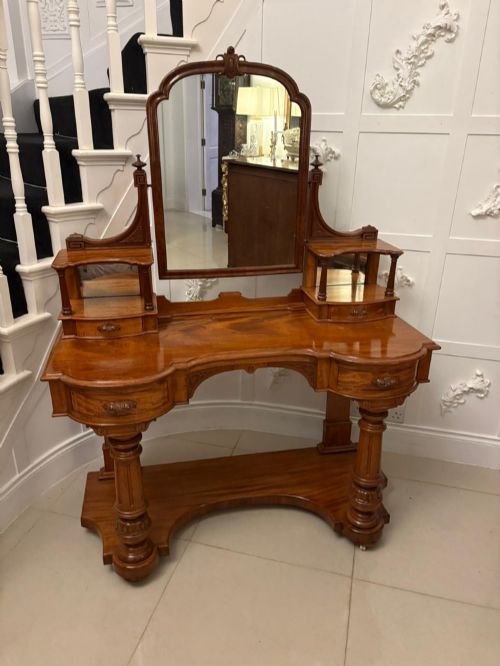
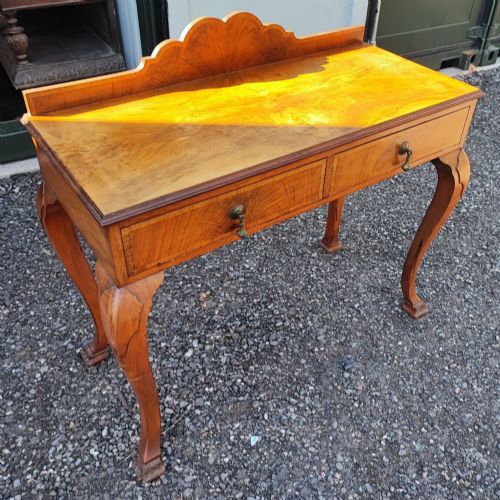
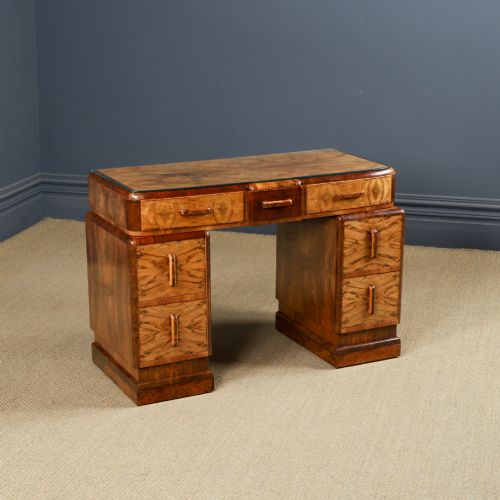
A vintage wooden dressing table serves as both a functional bedroom piece and a focal point of period craftsmanship. When exploring a vintage wooden dressing table, buyers encounter formats ranging from grand 19th-century mahogany designs to compact Edwardian examples and streamlined Art Deco walnut pieces.
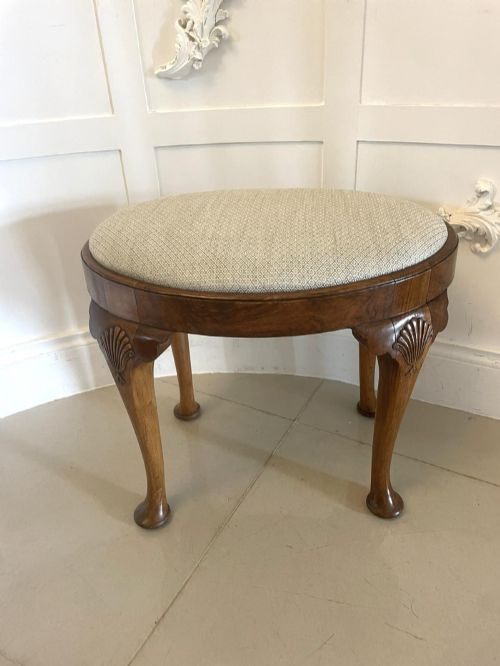
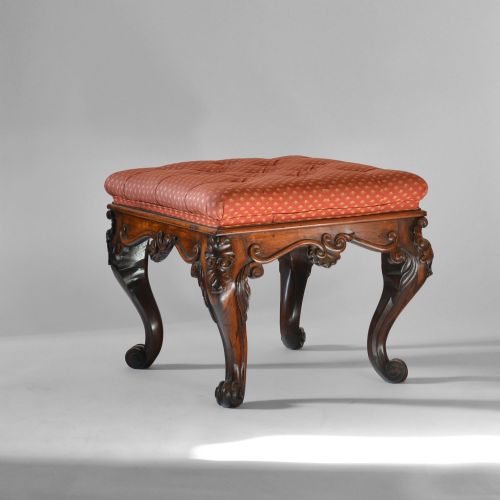
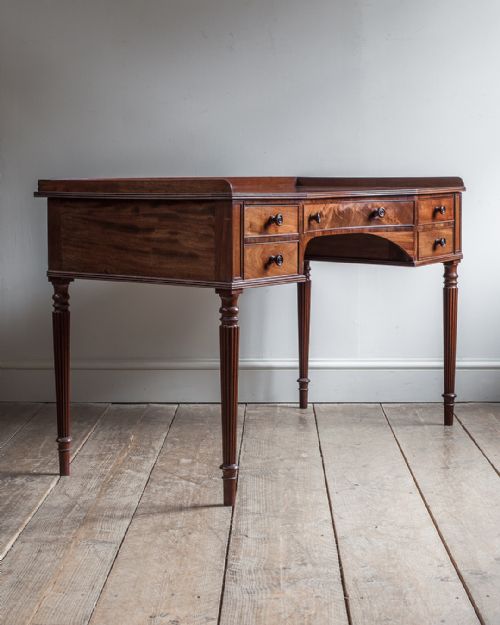
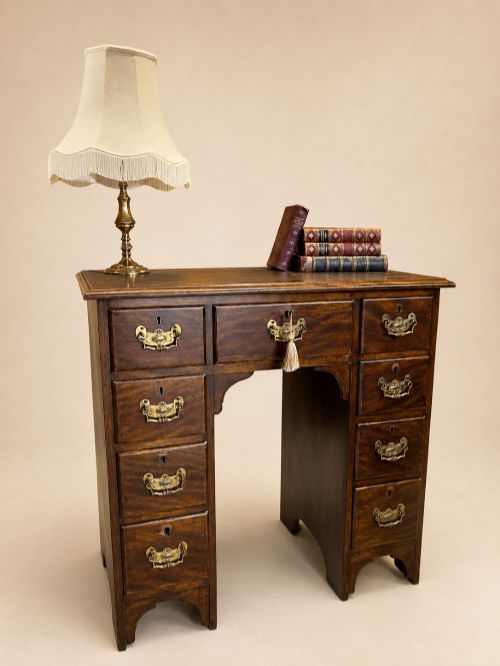
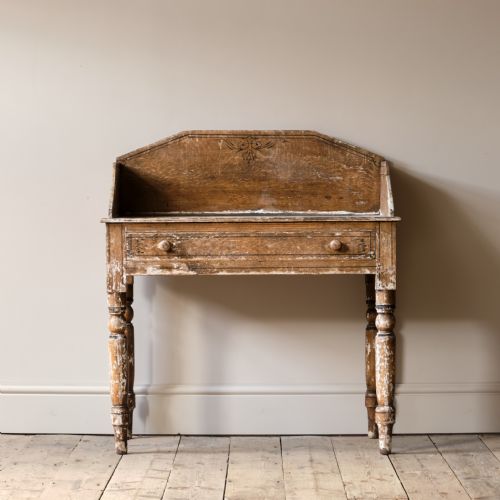
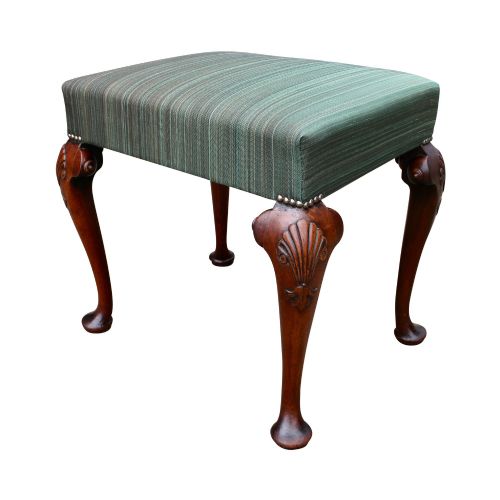
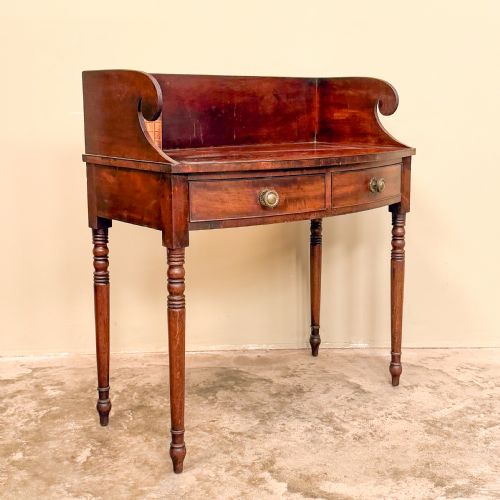
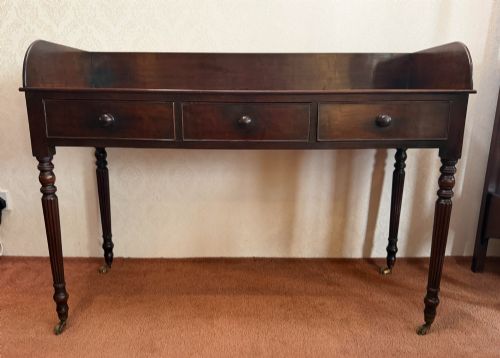
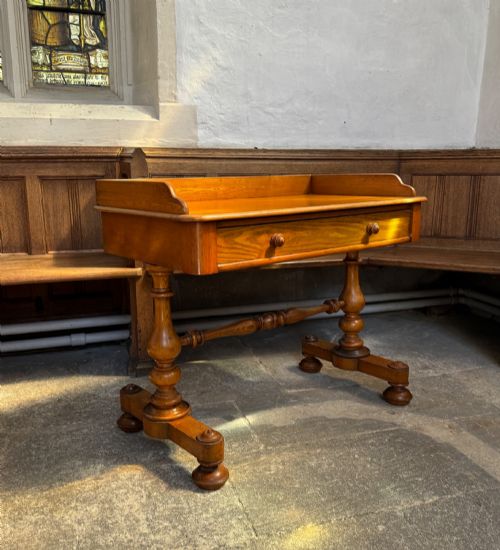
The selection encompasses full-sized dressing tables, washstands, writing desks, and accompanying mirrors or stools. Pieces span various eras including Victorian, Regency, and the early 20th century, utilising woods such as oak, pine, walnut, and mahogany.
Judging quality and execution
The distinction between standard and superior pieces rests on the selection of timber and the precision of the cabinetmaker's hand. Figured woods like Cuban mahogany or burr walnut indicate higher status commissions, particularly when matched across drawer fronts and table surfaces.
Proportion and structural integrity define the upper tier of furniture. Master workshops achieved balanced proportions and integrated carved details or original glass cleanly into the overall design, whereas lesser items rely on simpler construction without refined detailing.
Vintage Wooden Dressing Table Retail Price Guide 2026
Typical asking prices for vintage wooden dressing table among the pieces listed under this phrase on Sellingantiques today, from the lower quarter to the upper quarter. They describe what is for sale here now, not the wider market.
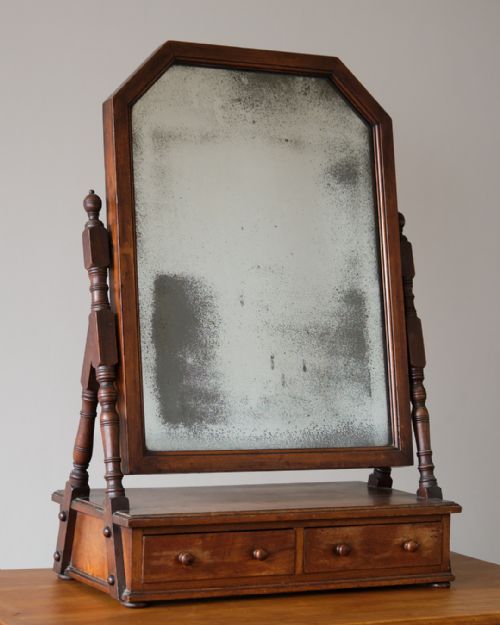
Some dressing mirrors arrived with double-sided glass, ready for a quick second look before greeting the day.
Heal And Sons·P And MA Nicholson
The Vintage Wooden Dressing Table Glossary
- Dressing table
- A low bedroom table fitted with one or more drawers and designed for grooming, often incorporating an attached or standing mirror.
- Washstand
- A wooden table traditionally used to hold a basin and jug for washing, frequently constructed in pine, oak, or mahogany during the 19th century.
- Kneehole desk
- A writing table featuring a central recess for the user's legs, flanked by pedestals of small drawers on either side.
- Lowboy
- A small English table with drawers, commonly standing on four legs, utilised variously as a side table, low desk, or dressing surface.
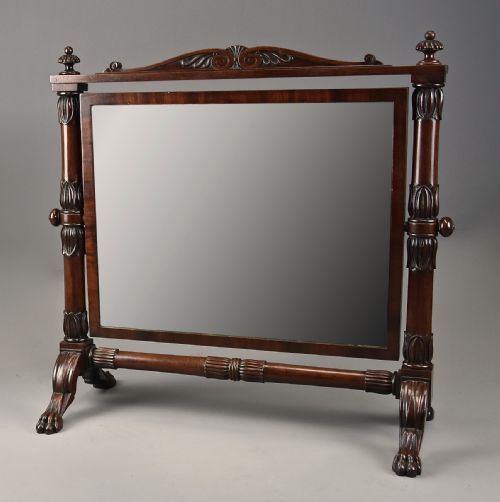
- Cheval mirror
- A full-length mirror hung in a frame that allows it to tilt back and forth on vertical pivots.
Vintage Wooden Dressing Table: Frequently Asked Questions
How do I date a wooden dressing table?
Dating relies on observing structural characteristics, timber choices, and hardware styles. Pieces from the 18th and early 19th centuries often feature hand-cut dovetails and solid mahogany or walnut, while later Victorian and Edwardian examples utilise machine-sawn timber and different drawer construction.
Secondary woods and applied decorative motifs also help narrow the period. Examining the style of the attached or matching mirror provides further clues to the decade of manufacture.
What is the difference between a dressing table and a washstand?
A dressing table is designed primarily for personal grooming and hair styling, typically incorporating surface space, drawers for cosmetics, and a pivoting mirror. A washstand served a different domestic function, holding water pitchers and washbasins before indoor plumbing became standard.
While washstands often feature simpler wooden tops or tiled splashbacks, dressing tables focus on mirrors and small compartment drawers. Both serve similar spatial roles in modern bedroom layouts.
Are these tables suitable for modern bedrooms?
These wooden pieces adapt readily to contemporary interiors, functioning as dressing desks, hallway consoles, or compact writing surfaces. Their traditional proportions allow them to fit into bedrooms of varying sizes without dominating the room.
Pairing an antique table with a matching stool or a contrasting chair creates a functional workspace. The warm tones of walnut, oak, and mahogany complement neutral modern decor.
How should I care for vintage wood furniture?
Preserving vintage wood requires protection from direct sunlight and extreme humidity fluctuations, which can cause timber to warp or veneers to lift. Regular dusting with a soft, dry cloth maintains the surface sheen.
Occasional application of appropriate wax polish nourishes the timber and protects the grain. Avoid chemical sprays that can strip historic finishes over time.