
19th Century Mahogany Vanity
A 19th century mahogany vanity brings rich timber grain and practical elegance to a dressing space through period mirrors, tables, and washstands.
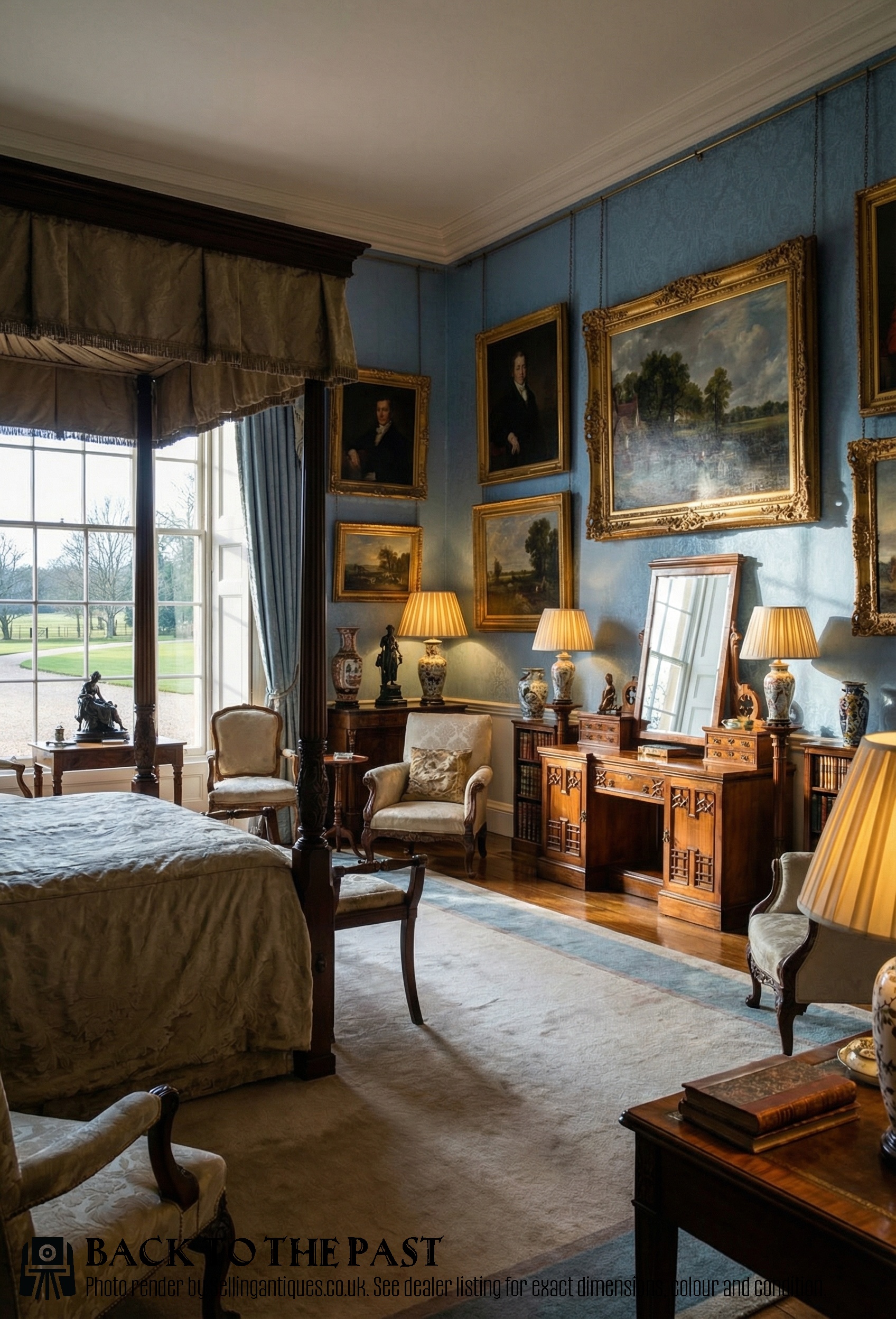
19th Century Mahogany Vanity
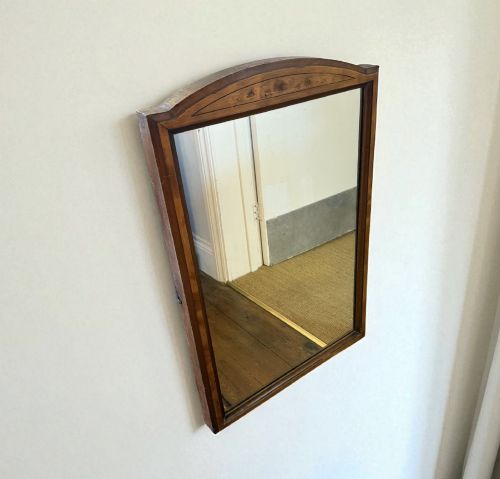
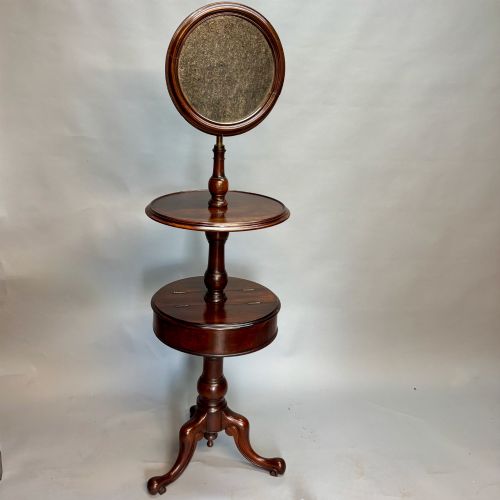
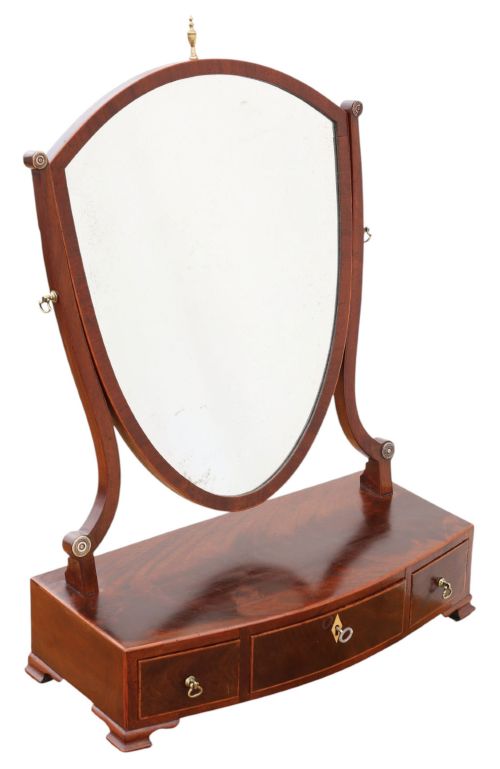
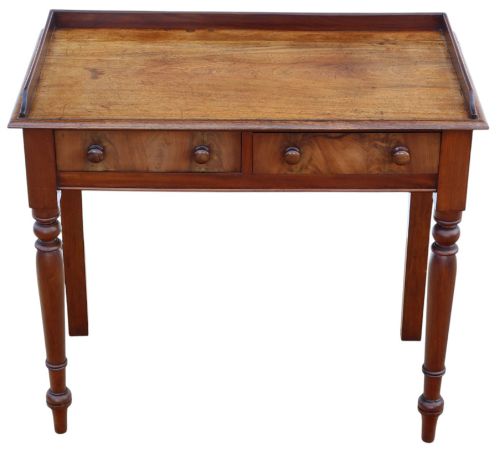
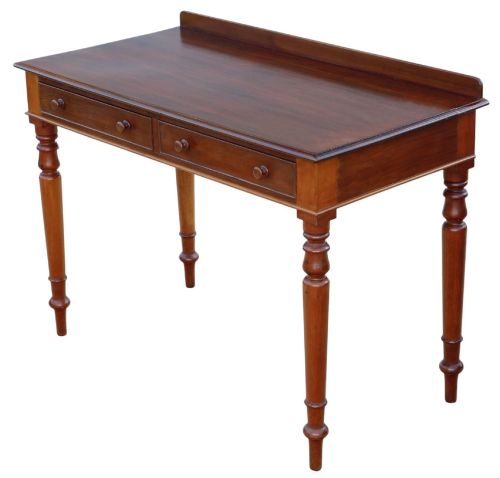
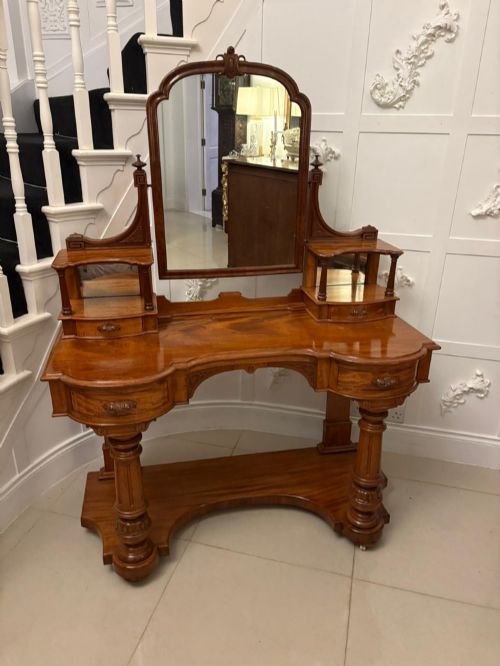
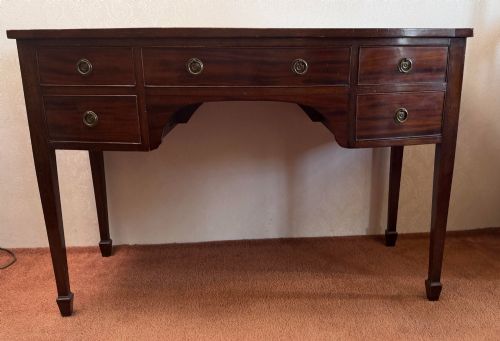
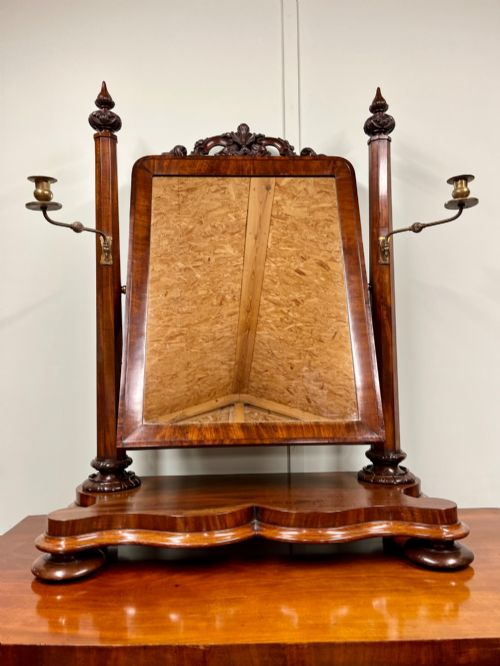
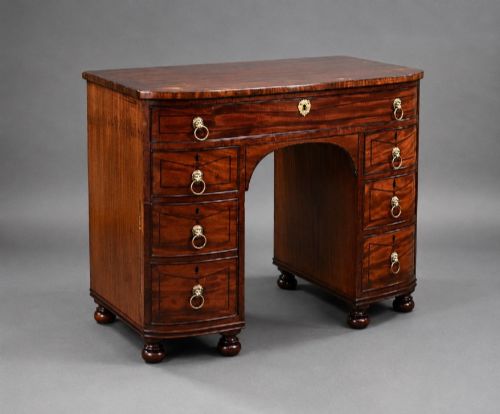
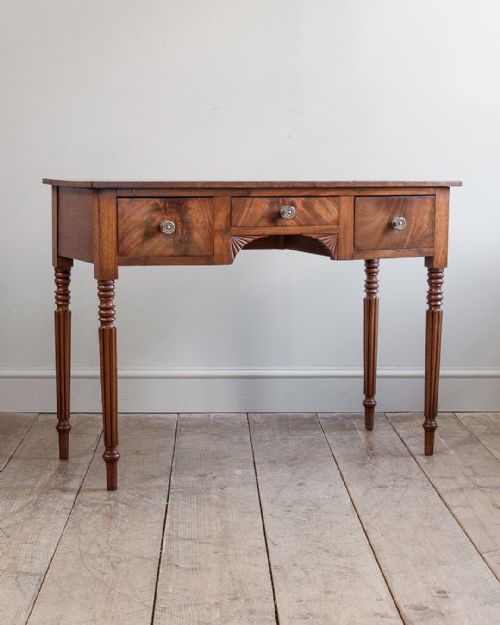
A 19th century mahogany vanity covers a broad range of personal grooming furniture, stretching from compact table top swing mirrors to large multi drawer dressing tables. Buyers searching this phrase most frequently encounter freestanding dressing mirrors, dressing chests, and washstands produced during the Georgian, Regency, and Victorian periods.
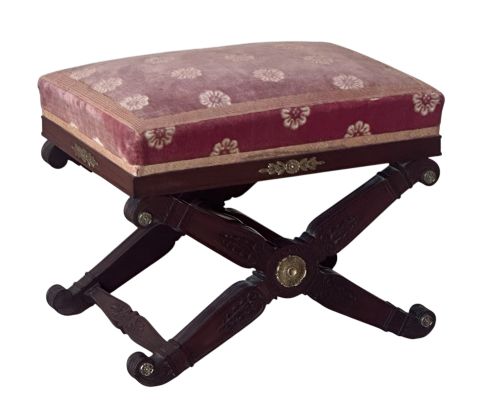
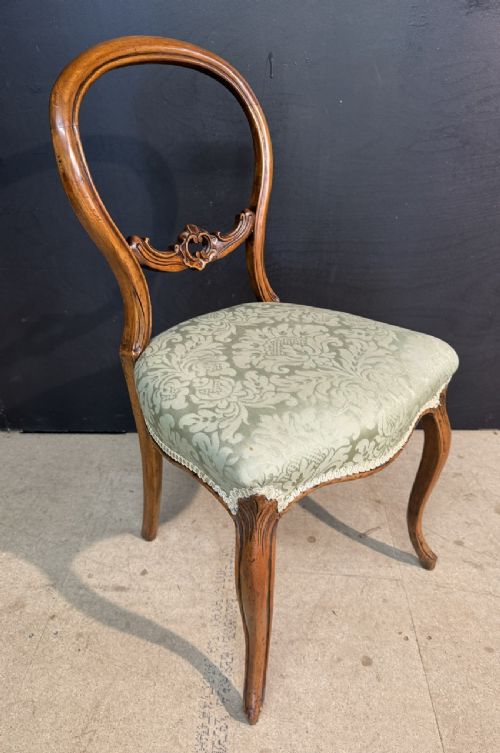
The selection also includes related seating and accessories designed for the dressing room, such as cabriole leg stools, X frame seats, and gentleman's vanity boxes. Pieces originate from English country houses and continental workshops alike, reflecting diverse regional tastes across the nineteenth century.
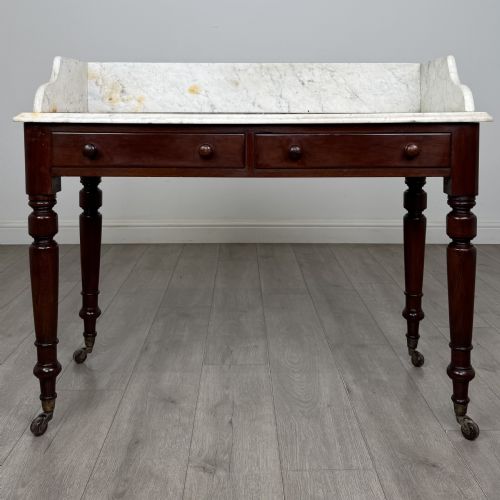
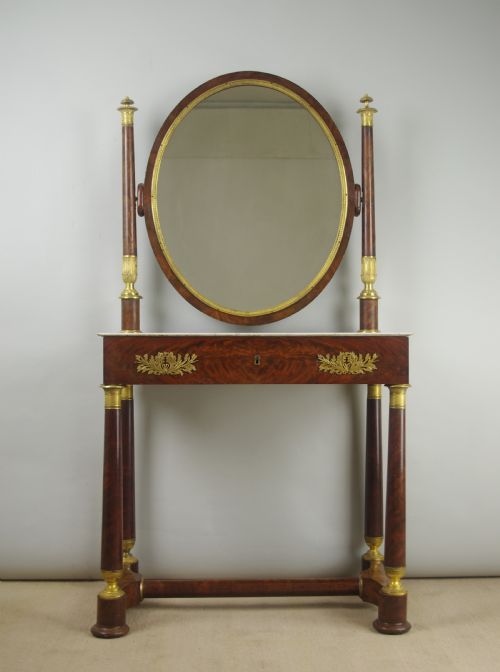
Forms span from simple utilitarian toilet glasses to elaborate French Empire dressing tables mounted in ormolu and paired with matching mirrors. Washstands topped in white marble and fitted with mahogany cabinetry also appear regularly alongside combined writing and dressing desks.
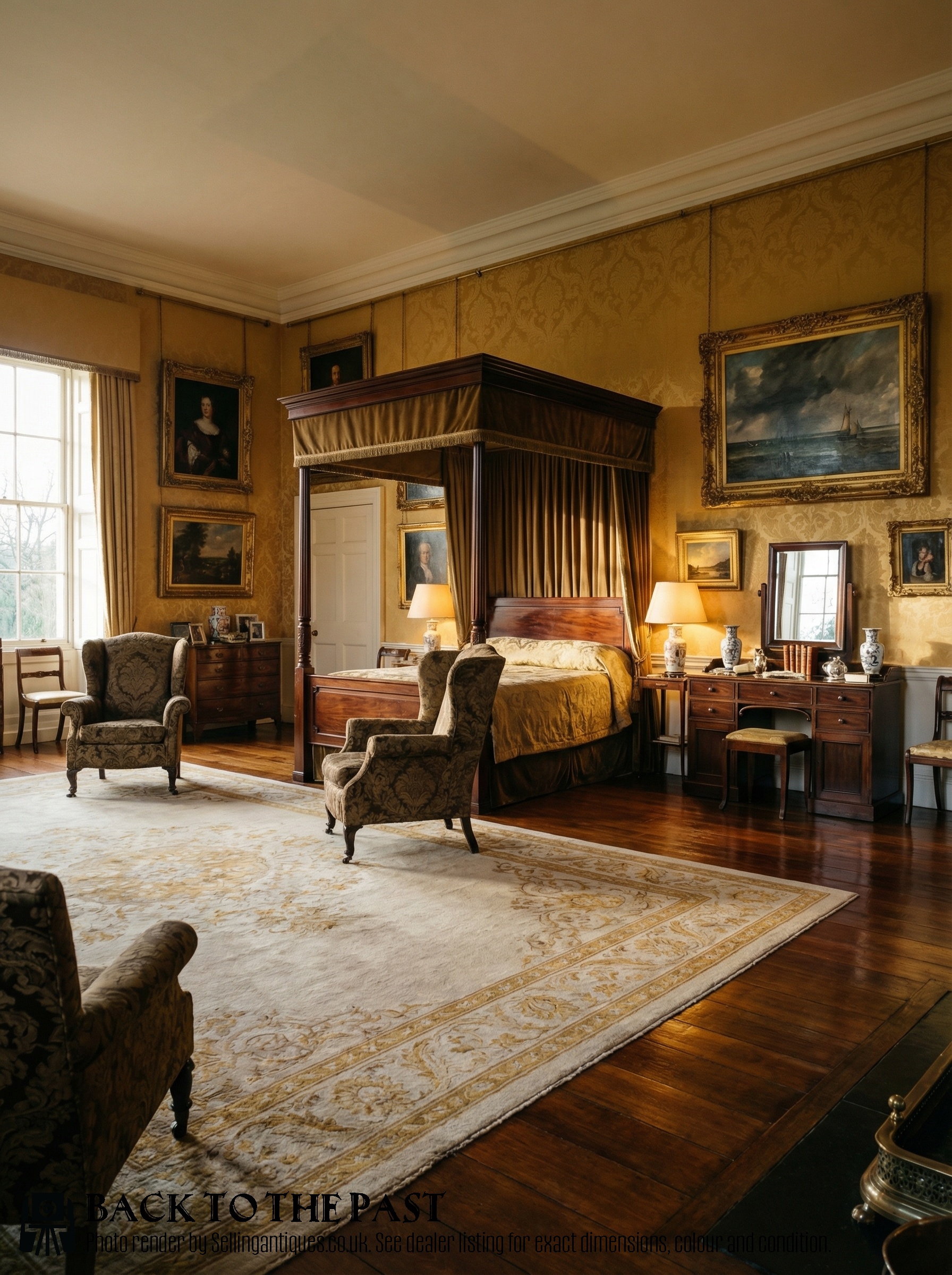
Materials and construction methods
Makers utilised dense, dark mahogany as the primary structural timber, often selecting figured veneers for drawer fronts and mirror frames to create visual depth. Solid secondary woods provide internal framing for drawers and carcases, whilst brass hinges, adjustable screw knobs, and swing arms secure the mirrors.
Surfaces feature integrated glass mirror plates, frequently original to the piece, alongside white marble tops on washstands for water resistance. Details include hand carved cabriole legs, delicate ormolu mounts, and upholstered elements finished in velvet, leather, and traditional fabric.
Gentlemen tucked their shaving gear into compact campaign boxes before folding the mirrors away for life on the move.
Distinctions in quality
Quality rests upon the choice of timber and the precision of the cabinetmaker's joinery rather than mere age or ornamentation. Superior pieces display seamless veneer matching, finely cut dovetails on drawer boxes, and stable framing that prevents the swing mirror from sagging over time.
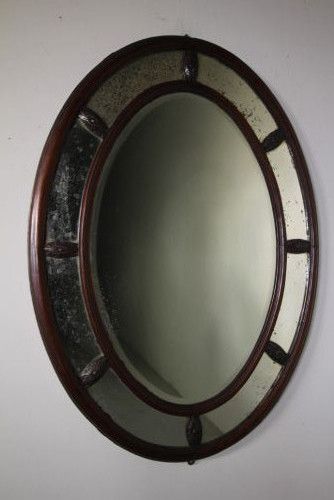
The clarity and depth of the mirror plate also determine value, with older or original glass showing slight imperfections that confirm authenticity. Finer examples integrate thoughtful mechanical adjustments, such as smoothly functioning tilt mechanisms and well balanced pedestal supports.
Heal and Son·Gillows
The 19th Century Mahogany Vanity Glossary
- Swing mirror
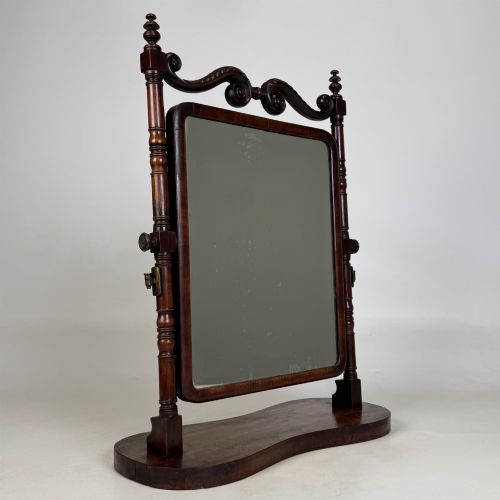
- A mirror plate mounted on vertical pivots between two upright posts, allowing the glass to tilt at various angles. This form sits upon a dressing table or functions as a standalone table top piece.
- Toilet mirror
- A traditional period term for a dressing mirror, often incorporating small trinket drawers in the base plinth. These pieces served gentlemen and ladies alike for morning grooming.
- Washstand
- A dedicated piece of furniture designed to hold a wash basin and pitcher, frequently finished with a marble top to protect the mahogany woodwork from water splashes.
- X frame stool
- A seat featuring intersecting diagonal legs forming an X shape, often associated with Regency and French Empire revival styles. These stools accompanied dressing tables and desks.
- Ormolu
- Gilded bronze mounts applied to furniture for decorative effect, commonly found on French Empire pieces to accent mahogany door corners and drawer surrounds.
19th Century Mahogany Vanity: Frequently Asked Questions
What is the difference between a toilet mirror and a dressing table?
A toilet mirror is a smaller, portable glass that sits on top of an existing chest or table to reflect the face during grooming. A dressing table is a large, freestanding piece of furniture incorporating drawers and sometimes an attached mirror.
Both forms served the same morning routine in nineteenth century bedrooms but occupied very different floor spaces. Toilet mirrors could be moved around rooms to catch the best light.
How do I care for a mahogany washstand top?
Mahogany washstands featuring marble tops require simple wiping with a damp cloth to remove moisture and dust. The timber surrounds should be cleaned with a dry cloth and occasionally treated with natural wax.
Avoid placing standing water directly onto the wood veneer to prevent staining and lifting. Regular gentle polishing preserves the warm reddish brown tone of the mahogany.
Are the mirror plates usually original?
Many nineteenth century mirrors retain their original glass plates, which often display subtle foxing, minor speckling, and slight distortion. These signs of age help confirm that the glass has not been replaced in modern times.
Some pieces received new mirror plates during their working lives if the original silvering degraded. Examining the backing and the mounting putty reveals whether the glass is a later insertion.
How do I identify a Regency period dressing mirror?
Regency dressing mirrors typically feature clean architectural lines, rosewood or brass stringing inlay, and robust trestle or box bases fitted with small drawers. The wood choice leans towards rich mahogany with high contrast grain patterns.
Supports often take the form of reeded scroll arms or bold pillars resting on brass paw feet. Proportions remain sturdy yet elegant, reflecting classical design influences of the early nineteenth century.