



Gothic Mahogany Table
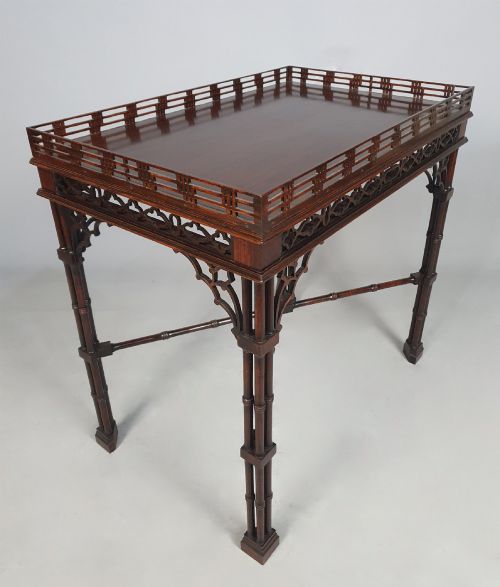
These gothic mahogany table examples bring together dark timber and pointed architectural lines from the Georgian and Victorian eras.
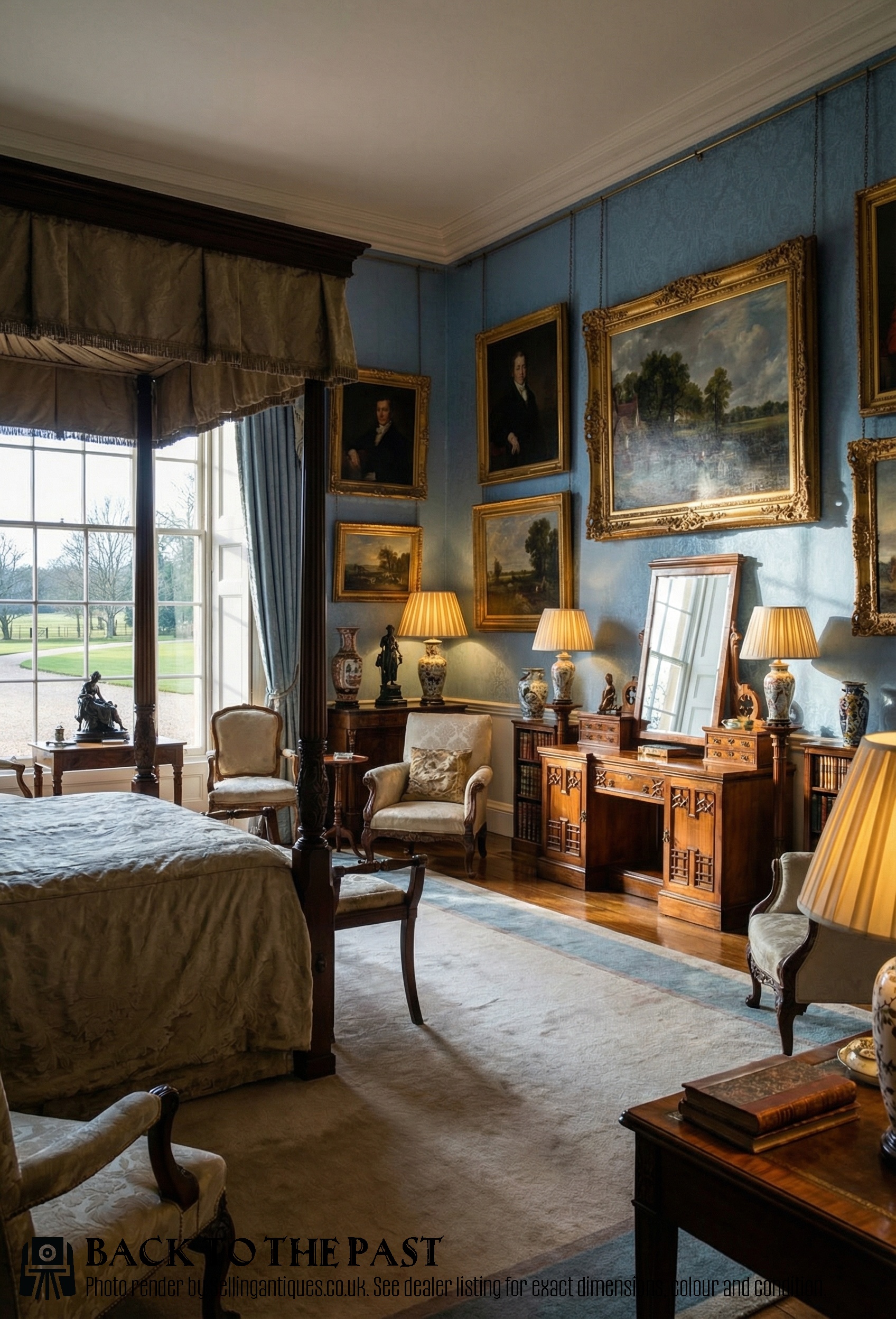
Gothic Mahogany Table
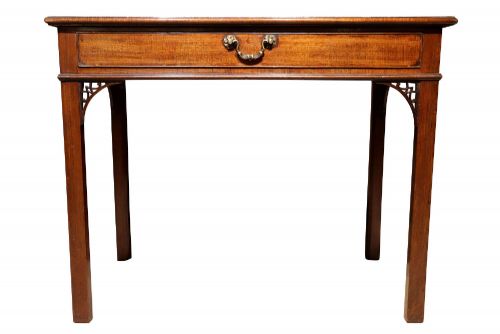
A gothic mahogany table search reveals various domestic furniture types produced across the eighteenth, nineteenth, and early twentieth centuries. Side tables, hall tables, console tables, and occasional forms appear alongside larger library and centre tables in the records.
Victorian Gothic revival versions dominate the current selection, frequently displaying carved details, pointed arches, and sturdy timber frames. Earlier Georgian and Regency examples also surface, showing restrained tracery and solid construction.
The timber used is principally mahogany, though related tropical hardwoods such as padauk and rosewood occasionally appear in the broader record alongside standard varieties of wood.
Materials and construction
Makers utilised dense timbers, predominantly mahogany, which was carved with crisp mouldings, pierced brackets, and architectural tracery characteristic of the Gothic revival style. Secondary elements like brass inlay and marble tops supplement the primary wood structure in certain refined pieces.
Cabinetmakers joined structural components using traditional techniques suited to heavy timber, ensuring stability in forms ranging from tripod side tables to large refectory dining boards.
Some tables double as sewing boxes, proving that nineteenth-century artisans appreciated hidden storage compartments just as much as pointed arches.
Assessing quality
Quality rests in the crispness of the carved architectural details, such as cusped arches and pierced brackets, rather than surface ornament alone. Deeper relief carving and thoughtful proportioning distinguish finer cabinetwork from simpler utility pieces.
The selection of the mahogany timber itself alters the character of the object, with well-figured grain and stable construction separating superior workshop output from standard production.
George Orpwood·Desbois and Wheeler·Cording of London·Bryson Edinburgh·Mitchell and Russell
The Gothic Mahogany Table Glossary
- Gothic Revival
- An architectural and decorative style drawing on medieval pointed arches, trefoils, and structural tracery. This aesthetic surged in popularity during the nineteenth century.
- Mahogany
- A durable tropical hardwood valued for its rich reddish-brown colour and stability in cabinetmaking. It served as the primary material for high-grade furniture.
- Tracery
- Openwork pattern elements derived from medieval stonework windows, translated by cabinetmakers into wood mouldings and pierced brackets.
- Centre Table
- A freestanding table designed to be viewed from all sides rather than pushed against a wall. These pieces often occupied the middle of large Victorian rooms.
- Side Table
- A domestic table intended to stand against a wall, frequently incorporating drawers or decorative leg structures. They appear across multiple periods in the record.
Gothic Mahogany Table: Frequently Asked Questions
What defines a gothic mahogany table?
These pieces combine dense tropical timber with medieval architectural motifs like pointed arches, cusped detailing, and geometric tracery. They range from small occasional items to large library tables.
The style draws directly on Gothic revival design principles popular during the nineteenth century, building upon earlier Georgian interpretations of the aesthetic.
How do I date a gothic mahogany table?
Dating relies on stylistic shifts, timber selection, and construction methods visible within the piece. Georgian and Regency examples tend to show restrained architectural elements, while Victorian pieces often feature heavier carving.
Secondary materials, such as brass inlay or specific turning patterns, help narrow the period of manufacture alongside recorded workshop practices.
Where were these tables used originally?
These tables served various domestic functions in nineteenth-century homes, acting as centre tables in libraries, side pieces in halls, or functional surfaces in reception rooms. Their sturdy construction suited daily household use.
Larger library and centre versions stood in prominent spaces to display books and decorative objects, while console and hall tables occupied transitional spaces.
How do I care for antique mahogany?
Maintain the timber by keeping it away from direct heat sources and sudden humidity changes that cause wood to split. Regular dusting with a dry, soft cloth preserves the polished surface.
Avoid heavy commercial silicone polishes, as traditional wax offers better protection for historic polished mahogany surfaces over time.