

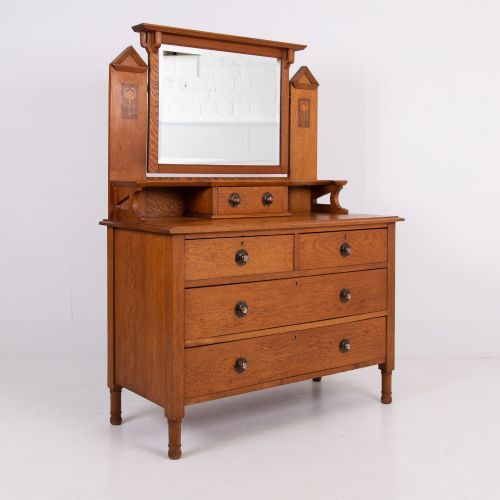

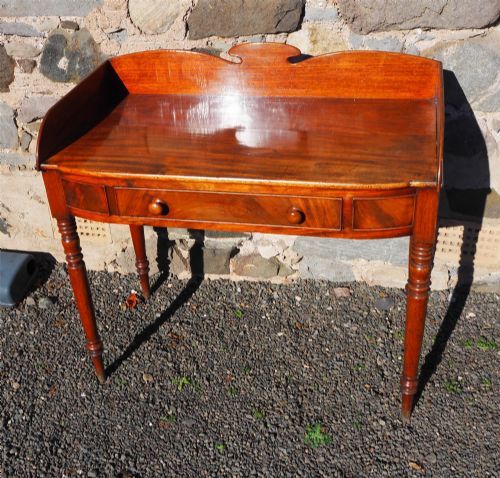
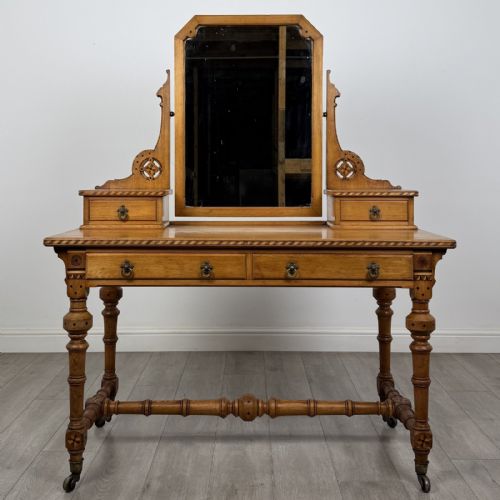
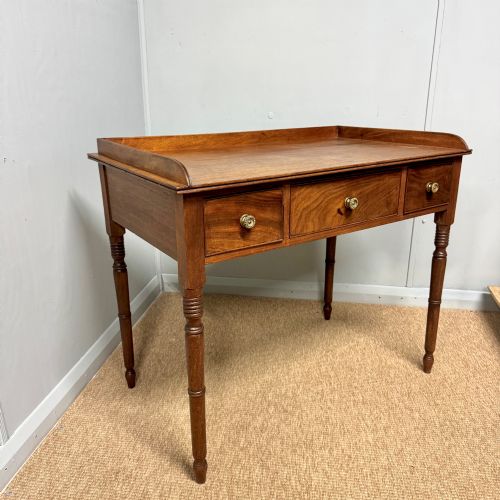

Antique Bedroom Dressing Table
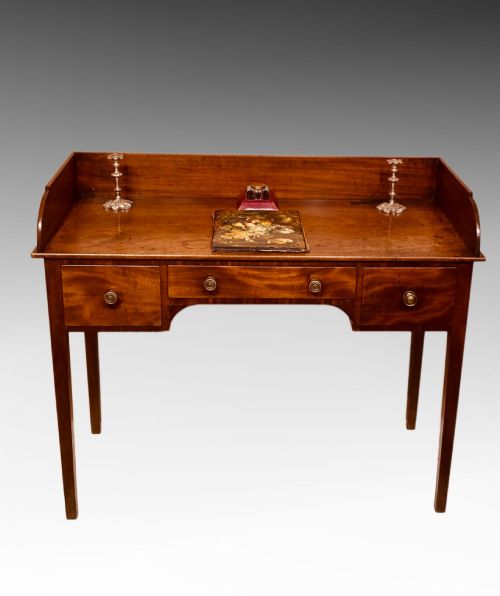
An antique bedroom dressing table brings character and fitted mirror glass to a period room.
Antique Bedroom Dressing Table
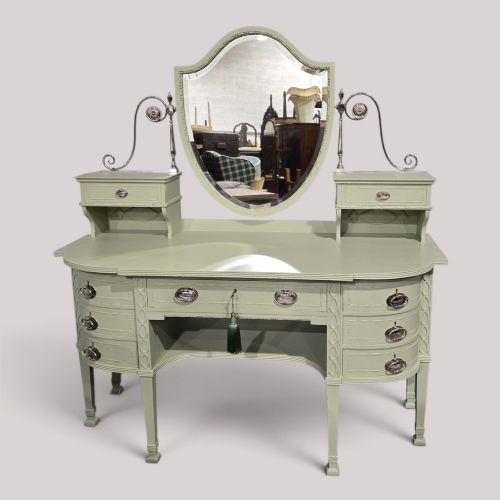
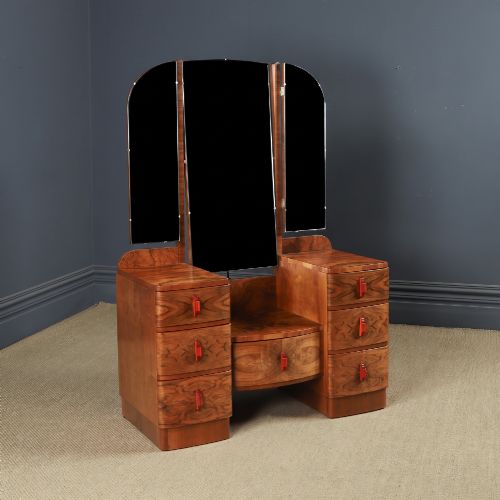
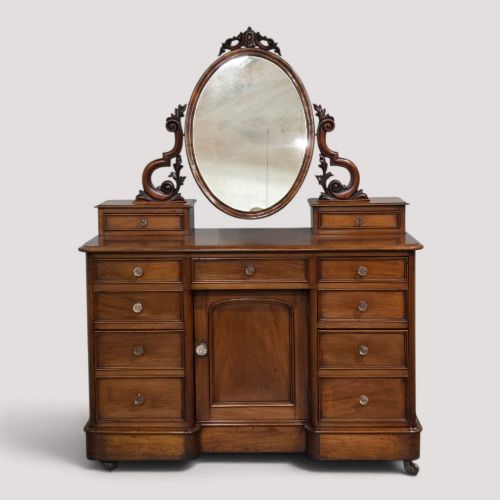
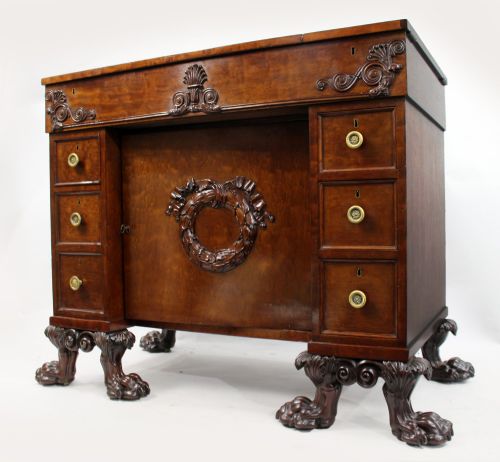
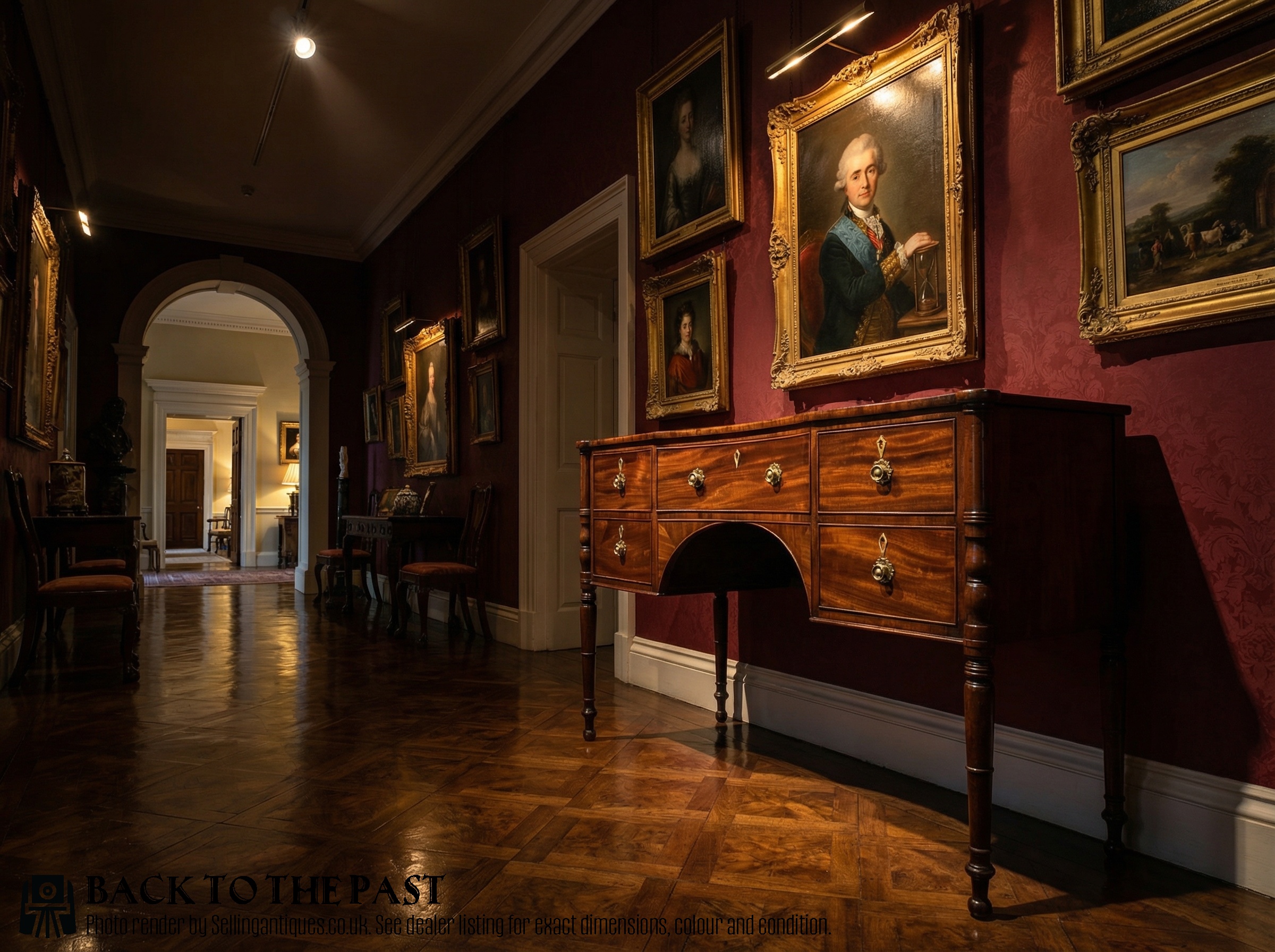
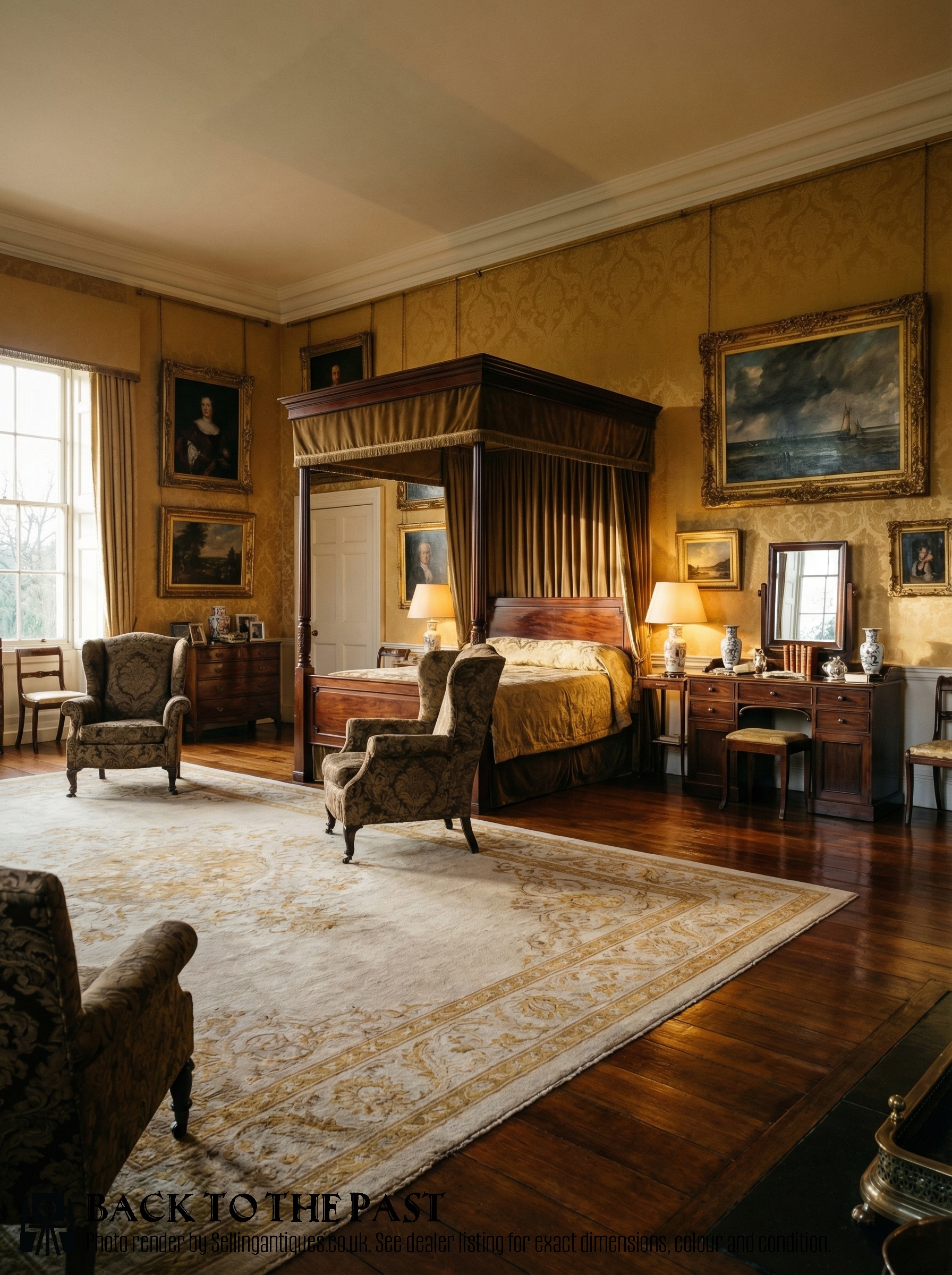
An antique bedroom dressing table forms a central part of domestic furniture history, designed for personal grooming and morning routines. When you search for an antique bedroom dressing table, you encounter forms ranging from freestanding Victorian mahogany pieces to pedestal designs in burr walnut from the Art Deco era.
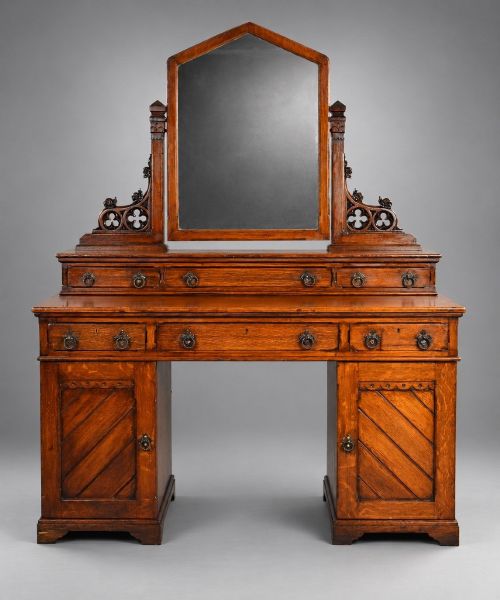
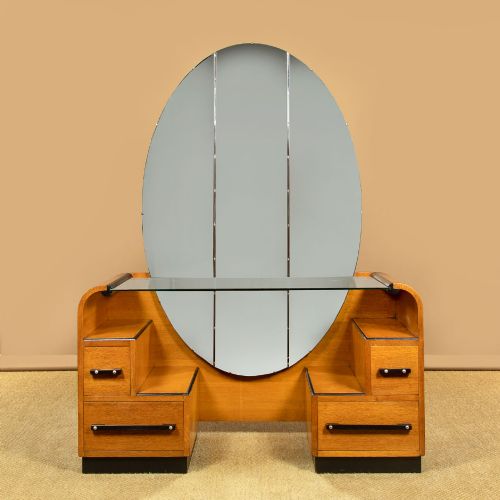
The pieces on this page span the Georgian, Victorian, Edwardian and 1930s periods, incorporating related items like dressing chests, toilet mirrors, and matching stools. Mahogany and oak dominate the selection, alongside maple, walnut, and satinwood.
How they were made
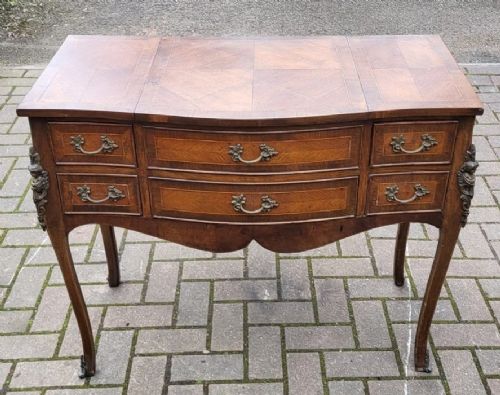
Cabinet makers utilised dense timbers such as mahogany, oak, and walnut, frequently applying figured veneers like burr walnut to drawer fronts and tabletops. Structural elements relied on traditional joinery, while decorative details included hand carving, ebonising, and inlaid banding.
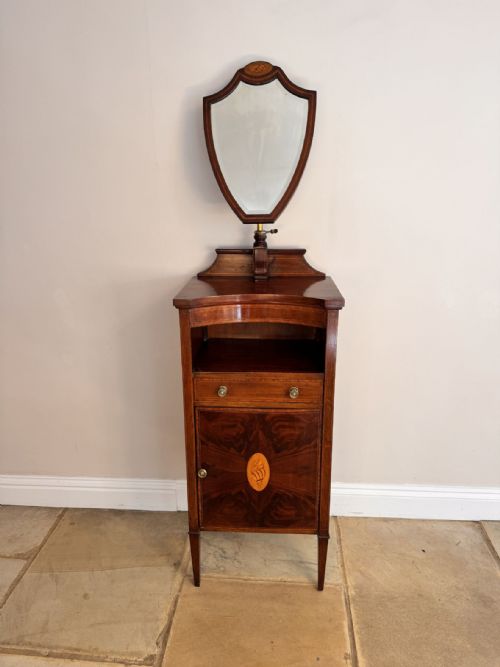
Mirrors were set in adjustable wooden frames, often supported by scroll-carved arms or upright pillars attached to the main body of the chest or table. Surface finishes ranged from polished French polish to original painted decoration.
Antique Bedroom Dressing Table Retail Price Guide 2026
Typical asking prices for bedroom dressing table among the pieces listed under this phrase on Sellingantiques today, from the lower quarter to the upper quarter. They describe what is for sale here now, not the wider market.
Listings feature pieces from the Georgian, Victorian, and Edwardian periods, constructed in mahogany, oak, walnut, and satinwood.
What varies in quality
The distinction between standard and superior pieces rests on the choice of timber and the precision of the construction. Superior examples display carefully matched veneer grains, substantial drawer linings of secondary woods, and robust framing that prevents warping over time.
Carved details and hardware also indicate grade, with hand-carved foliage or scrollwork outperforming machine-stamped ornamentation. Maker attribution, through stamps or labels from firms such as Heal and Sons or Maples, elevates the standing of a piece.
Heal And Sons·Frank Taylor And Co·Shapland And Petter·Waring And Gillows
The Antique Bedroom Dressing Table Glossary
- Dressing chest
- A lower chest of drawers fitted with an attached mirror, designed for bedroom use. These units combine storage capacity with a surface for grooming.
- Toilet mirror
- A smaller tabletop mirror resting on its own miniature set of drawers or support frame. They were placed on top of tables or chests before standalone dressing tables became common.
- Pedestal dressing table
- A vanity unit featuring two banks of drawers flanking a central kneehole space. This form gained popularity during the Art Deco and Edwardian eras.
- Lowboy
- A small oak or walnut table with drawers, standing on four legs, dating from the eighteenth century. These served as precursors to later dressing and writing tables.
- Cabriole leg
- A furniture leg that curves out at the knee and tapers inward at the ankle, ending in a pad or claw foot. This design appears frequently on Victorian and Queen Anne revival pieces.
Antique Bedroom Dressing Table: Frequently Asked Questions
How do I date an antique dressing table?
Dating relies on identifying the primary wood, construction methods, and stylistic details. Georgian pieces often show simple lines and use solid mahogany, while Victorian versions favour heavier proportions and carved ornamentation.
Later pieces from the 1930s introduce burr walnut veneers and streamlined pedestal layouts. Hardware and mirror bevels also provide clues to the decade of manufacture.
Where should I place a dressing table?
A dressing table requires adequate natural light, making the space directly in front of a bedroom window ideal. Position the piece so daylight illuminates the mirror evenly.
Ensure there is sufficient clearance for the matching stool or chair to pull out comfortably without obstructing pathways around the bed.
How do I care for wood surfaces?
Maintain polished wood surfaces by dusting regularly with a soft, dry cloth. Avoid placing items that trap moisture or heat directly onto the antique finish.
Apply a microcrystalline wax sparingly when the wood appears dry, buffing gently to preserve the natural sheen without building up residue.